Top Spanish Foods to Try for Culinary Travelers
Spain’s culinary landscape is as diverse as its regions—each offering distinct flavors, ingredients, and traditions. For culinary travelers, exploring Spain means more than sightseeing; it’s a chance to taste centuries-old recipes shaped by Moorish, Mediterranean, and Atlantic influences. From smoky paprika-laced stews to delicate seafood tapas, the country’s food tells stories of history, climate, and culture. This guide highlights the top Spanish foods to try, ensuring your trip satisfies both your palate and your curiosity. Whether you’re wandering the alleys of Seville or strolling Barcelona’s markets, these dishes define authentic Spanish cuisine.
A Taste of Spain: Regional Diversity in Every Bite
Spain isn’t a monolith when it comes to food. Each region boasts its own specialties, shaped by geography and tradition. In the north, the Basque Country is known for pintxos—small, artfully arranged bites on bread. Meanwhile, Andalusia in the south favors bold flavors like garlic, olive oil, and sherry vinegar.
Catalonia blends French and Spanish techniques, while Galicia’s coastline delivers some of Europe’s freshest shellfish. Even within regions, villages may have their own versions of a dish. This variety means culinary travelers can eat their way across Spain and never taste the same thing twice.
Why Regional Differences Matter
Understanding regional cuisine helps you appreciate the context behind each dish. For example, paella originated in Valencia, where rice fields and freshwater lakes provided the base ingredients. Today, many tourists mistakenly order “seafood paella” in coastal areas—but traditional Valencian paella uses rabbit, chicken, and green beans.
Likewise, gazpacho is a staple in hot southern summers, while colder northern regions prefer heartier stews like cocido madrileño. Knowing these nuances enhances your experience and helps you order like a local.
Must-Try Dishes: A Culinary Roadmap
With so many options, it’s easy to feel overwhelmed. Start with these iconic Spanish foods that represent the country’s culinary soul. Each offers a unique window into Spain’s ingredients, techniques, and cultural values.
Paella: The Golden Rice Dish
No list of Spanish foods is complete without paella. This saffron-infused rice dish is Spain’s most internationally recognized meal. Authentic versions use bomba rice, which absorbs broth without turning mushy.
While seafood paella is popular in tourist areas, purists seek out the original Valencian style. Look for restaurants in Valencia that serve paella with rabbit, chicken, snails, and beans. Avoid versions with chorizo—it’s not traditional and often considered a faux pas.
Jamón Ibérico: The Crown Jewel of Cured Meats
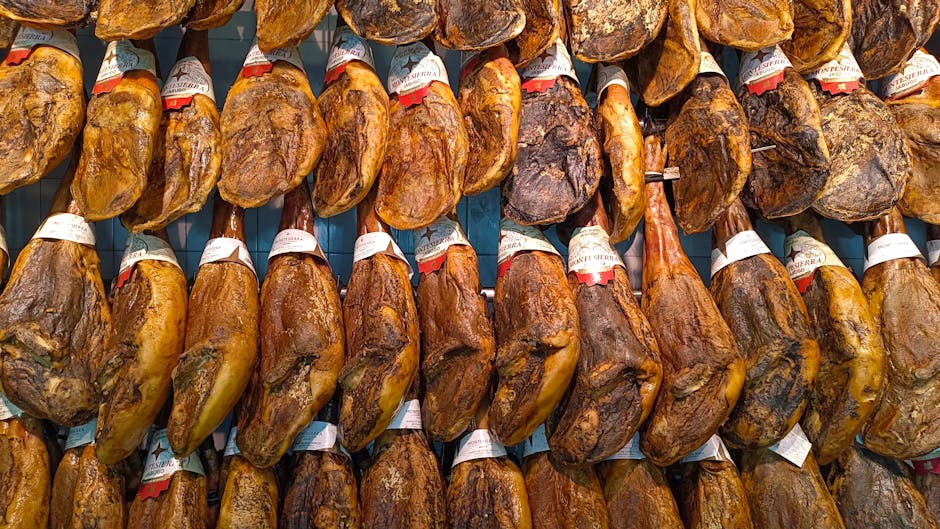
Jamón ibérico is more than ham—it’s a delicacy. Made from black Iberian pigs that roam oak forests and eat acorns, this cured meat has a rich, nutty flavor and melt-in-your-mouth texture.
The best versions are labeled “de bellota,” meaning the pigs were acorn-fed. You’ll find it sliced thin and served at room temperature, often with crusty bread and a glass of sherry. Prices vary widely, but even mid-range jamón offers a remarkable experience.
Gazpacho: Cold Soup for Hot Days
Gazpacho is a refreshing cold soup made from blended tomatoes, cucumbers, peppers, garlic, olive oil, and vinegar. Originating in Andalusia, it’s a summer lifesaver in Spain’s sweltering heat.
Unlike commercial versions, authentic gazpacho is smooth but not overly processed. Some variations include bread for thickness or fruit like strawberries for sweetness. It’s typically served in a glass or bowl with diced vegetables on the side for texture.
Tortilla Española: The Spanish Omelette
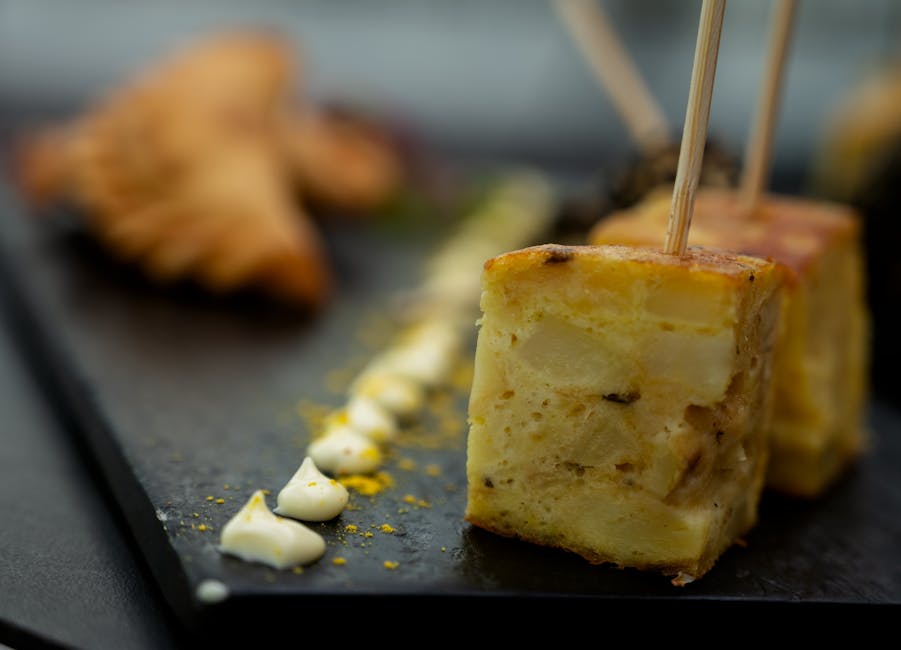
This isn’t your average omelette. Tortilla española is a thick, hearty dish made with eggs, potatoes, and onions—sometimes just potatoes and eggs. It’s cooked slowly in olive oil until the center is slightly runny or fully set, depending on preference.
You’ll find it served as a tapa, a sandwich filling, or even as a main course. It’s simple but deeply satisfying, showcasing how humble ingredients can shine with proper technique.
Pulpo a la Gallega: Galician-Style Octopus
Pulpo a la gallega is a showstopper. Tender octopus is boiled, sliced, and drizzled with olive oil, then dusted with paprika and coarse salt. It’s typically served on a wooden plate with boiled potatoes.
The dish comes from Galicia, where octopus fishing is a way of life. The key is cooking the octopus correctly—some chefs dip it in and out of boiling water three times before simmering to achieve the perfect texture.
Patatas Bravas: Spicy Potato Bites
A staple of tapas bars, patatas bravas consist of crispy fried potatoes topped with a spicy tomato sauce and aioli. The name means “brave potatoes,” referring to the heat of the sauce.
Recipes vary by region, but the best versions balance heat with richness. Some places serve them with a smoky romesco sauce instead. They’re perfect with a cold beer or glass of vermouth.
Fabada Asturiana: Hearty Bean Stew
From the mountainous region of Asturias, fabada asturiana is a rich stew of large white beans (fabes) cooked with chorizo, morcilla (blood sausage), and pork shoulder.
It’s a winter dish, slow-cooked for hours to develop deep flavor. The beans absorb the smoky, spicy notes of the meats, creating a comforting meal that warms you from the inside out. Best enjoyed with a glass of local cider.
Churros con Chocolate: A Sweet Morning Treat
Churros are fried dough pastries, crispy on the outside and soft inside, dusted with sugar. They’re traditionally eaten for breakfast or as a late-night snack, dipped in thick, rich hot chocolate.
In Spain, the chocolate is so thick you can barely sip it—it’s more like a sauce. Look for churrerías that make churros fresh to order. Avoid pre-made versions sold in tourist zones.
Where to Eat: Finding Authentic Experiences
Not all restaurants serve authentic Spanish food. Tourist-heavy areas often cater to foreign palates with simplified or altered versions of traditional dishes. To get the real deal, know where to look.
Local Markets: The Heart of Spanish Food Culture
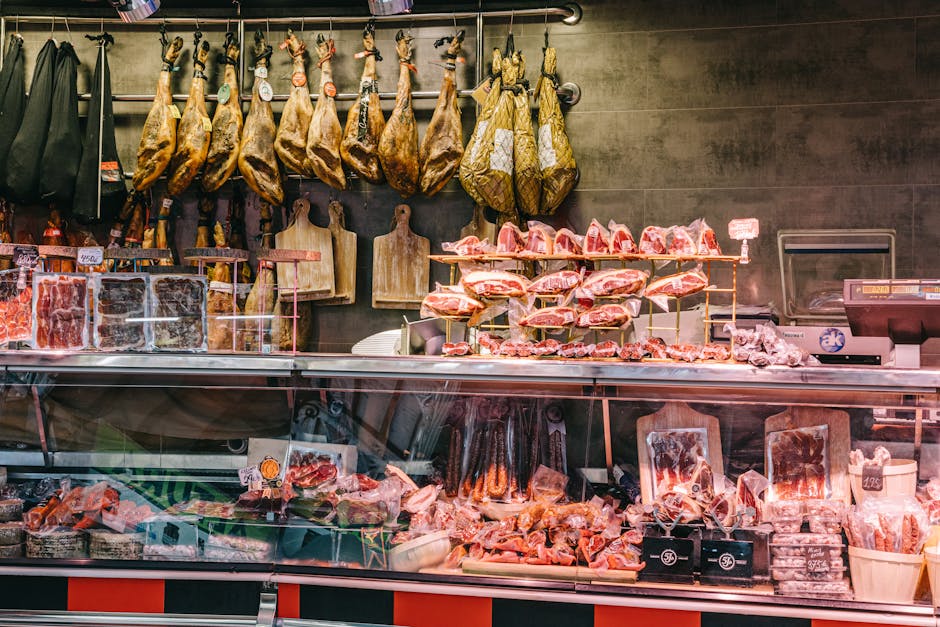
Markets like Mercado de San Miguel in Madrid or La Boqueria in Barcelona are goldmines for culinary travelers. They offer fresh produce, cured meats, seafood, and prepared foods from local vendors.
Many stalls serve ready-to-eat dishes, allowing you to sample multiple foods in one visit. Arrive early for the best selection and to avoid crowds. Don’t be shy—ask vendors for recommendations.
Tapas Bars: Small Plates, Big Flavors
Tapas culture is central to Spanish dining. These small plates encourage sharing and sampling. In cities like San Sebastián, pintxos bars line the streets, each offering creative bites on toothpicks.
In southern Spain, especially Granada, it’s common to get a free tapa with your drink. Order a beer or wine, and the bartender will bring a small plate—often a slice of tortilla or jamón. It’s a delicious way to explore local flavors without a big commitment.
Family-Run Restaurants: Hidden Gems
Look for restaurants with few English menus or no signage. These are often family-run spots where locals eat. The food is usually homemade, using recipes passed down through generations.
Even if the menu is in Spanish, don’t hesitate to point or use a translation app. Many chefs are proud of their food and happy to explain dishes. A smile and a “gracias” go a long way.
Tips for Culinary Travelers
Eating in Spain is an experience, but a few tips can help you navigate it like a pro. From meal timing to etiquette, small details make a big difference.
Timing Is Everything
Spaniards eat late. Lunch is typically between 2 and 4 p.m., and dinner starts around 9 p.m. or later. Many restaurants don’t open for dinner until 8:30 p.m., so plan accordingly.
If you’re on a tight schedule, consider a midday menú del día—a fixed-price lunch menu that often includes three courses and a drink. It’s a great value and a chance to try local specialties.
Drink Pairings: What to Order
Wine is central to Spanish meals. Regions like Rioja and Ribera del Duero produce excellent reds, while Albariño from Galicia pairs beautifully with seafood.
For something lighter, try vermouth—a fortified wine often served with a twist of orange or olive. It’s a popular aperitif, especially in Barcelona. Sherry, from Jerez, is another local favorite, ranging from dry fino to sweet Pedro Ximénez.
Dietary Considerations
Vegetarians and vegans can find options, but it takes effort. Many traditional dishes include meat or fish. However, dishes like gazpacho, tortilla, and patatas bravas are naturally plant-based.
Look for “menú vegetariano” or ask for “sin carne” (without meat). In larger cities, vegetarian and vegan restaurants are increasingly common. Gluten-free diners should be cautious—many dishes use bread or wheat-based ingredients.
Common Mistakes to Avoid
Even seasoned travelers can fall into food faux pas. Avoid these common missteps to get the most out of your culinary journey.
Ordering Paella at the Wrong Time
Paella is traditionally a weekend or special occasion dish, not an everyday meal. Many restaurants only make it on weekends or by reservation. Ordering it on a Monday night might get you a reheated or frozen version.
If you’re set on trying it, ask locals where they go. Or visit Valencia, where you’re more likely to find freshly made paella daily.
Overlooking Seasonal Menus
Spanish cuisine is deeply seasonal. Asparagus and artichokes appear in spring, while mushrooms and game dominate autumn menus. Summer brings fresh tomatoes and seafood, while winter calls for stews and roasted meats.
Menus often change with the seasons. Don’t be surprised if a dish you loved in summer isn’t available in winter. Embrace the change—it’s part of the experience.
Ignoring Local Specialties
While paella and tapas are famous, every region has its own pride and joy. In Galicia, try percebes (goose barnacles)—a delicacy harvested from rocky coasts. In Extremadura, sample torta del Casar, a creamy sheep’s milk cheese.
Ask locals what they recommend. You might discover a dish you’ve never heard of but can’t stop thinking about.
Final Thoughts: Savoring Spain Beyond the Plate
Trying the top Spanish foods isn’t just about taste—it’s about connection. Food in Spain is social, joyful, and deeply rooted in community. Sharing a meal with locals, learning the story behind a dish, or simply enjoying a perfect slice of jamón at sunset creates memories that last longer than any photo.
As a culinary traveler, your goal isn’t to check off a list but to engage with the culture through its flavors. Be curious, be respectful, and above all, be hungry. Spain’s culinary treasures are waiting.
FAQ
What is the most authentic Spanish dish for first-time visitors?
Tortilla española is a great starting point. It’s widely available, deeply traditional, and showcases simple ingredients done well. Plus, it’s affordable and found in nearly every tapas bar.
Is it safe to eat seafood in Spain?
Yes, especially in coastal regions. Spain has strict food safety standards, and seafood is typically fresh and well-handled. Stick to busy restaurants with high turnover for the best quality.
Can I find vegetarian options in Spain?
Yes, though it requires some effort. Dishes like gazpacho, patatas bravas, and vegetable-based tapas are common. In cities, vegetarian and vegan restaurants are increasingly available.