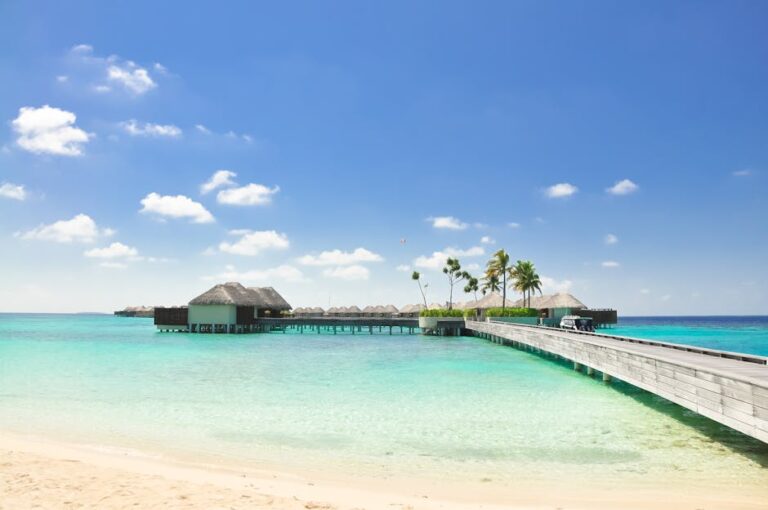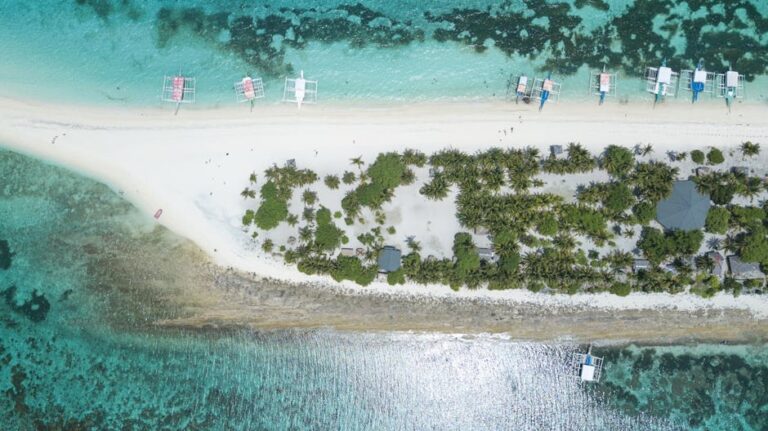
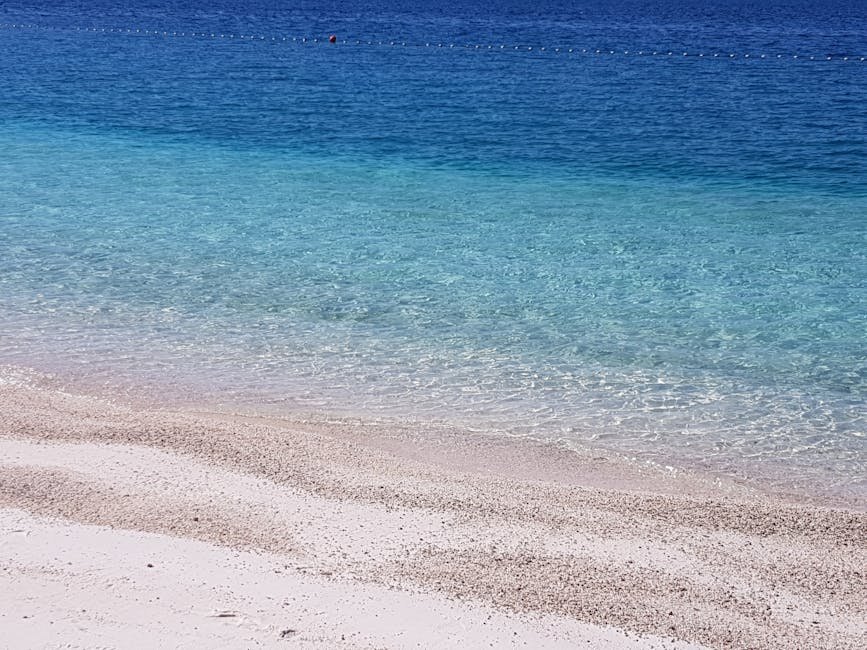
Best Beach Travel Destinations for Crystal Clear Waters
Dreaming of turquoise waves, powder-soft sand, and water so clear you can see straight to the ocean floor? You’re not alone. Travelers seeking the best beach travel destinations for crystal clear waters are drawn to places where visibility stretches for meters, marine life thrives in vibrant detail, and the shoreline feels like a private paradise. From the Caribbean to Southeast Asia, certain beaches consistently deliver on that promise of glassy, transparent seas.
This guide highlights top global spots where water clarity meets natural beauty. Whether you’re snorkeling, swimming, or simply relaxing under a palm tree, these destinations offer the kind of aquatic clarity that turns a beach trip into a lasting memory.
What Makes Water Crystal Clear?
Crystal clear water isn’t just about beauty—it’s a sign of healthy marine ecosystems and favorable environmental conditions. Low pollution, minimal sediment runoff, and strong ocean currents help maintain water transparency. Beaches with protected coves or coral reefs often have calmer waters, reducing wave-driven sand disturbance.
Water clarity is measured in meters of visibility. Anything over 15 meters is considered excellent, while 30 meters or more is rare and highly sought after. Factors like algae blooms, boat traffic, and nearby development can reduce clarity, so timing and location matter.
Key Factors for Clear Coastal Waters
Several natural and human factors influence how clear ocean water appears. First, low nutrient levels prevent excessive algae growth, which clouds the water. Second, offshore currents help flush out debris and sediment. Third, limited coastal development reduces runoff from construction and agriculture.
Beaches on islands or remote coastlines often have an advantage. With fewer people and less infrastructure, these areas maintain cleaner waters. Season also plays a role—dry seasons typically offer clearer conditions than rainy periods when rivers carry silt to the sea.
Top 10 Beach Destinations with Crystal Clear Waters
Below are ten of the world’s most stunning beaches where water clarity is a defining feature. Each destination offers a unique blend of scenery, accessibility, and underwater visibility.
1. Grace Bay, Turks and Caicos
Grace Bay consistently ranks among the best beach travel destinations for crystal clear waters. Located on Providenciales, this 12-mile stretch features calm, shallow waters with visibility often exceeding 30 meters. The beach is part of a protected marine park, which helps preserve water quality.
Snorkelers and divers flock here to explore coral reefs teeming with tropical fish. The sand is fine and white, and the shoreline rarely feels crowded despite its popularity. Resorts line the coast, but strict building codes prevent overcrowding.
2. Anse Source d’Argent, Seychelles
Famous for its granite boulders and palm-fringed coves, Anse Source d’Argent on La Digue Island offers some of the clearest waters in the Indian Ocean. The shallow lagoon allows sunlight to penetrate deeply, illuminating coral gardens beneath.
Visibility here ranges from 20 to 25 meters, depending on the tide. The beach is accessible by foot or bicycle, and while it draws photographers and tourists, early mornings offer quieter moments. Note: A small conservation fee is required for entry.
3. Navagio Beach (Shipwreck Beach), Greece
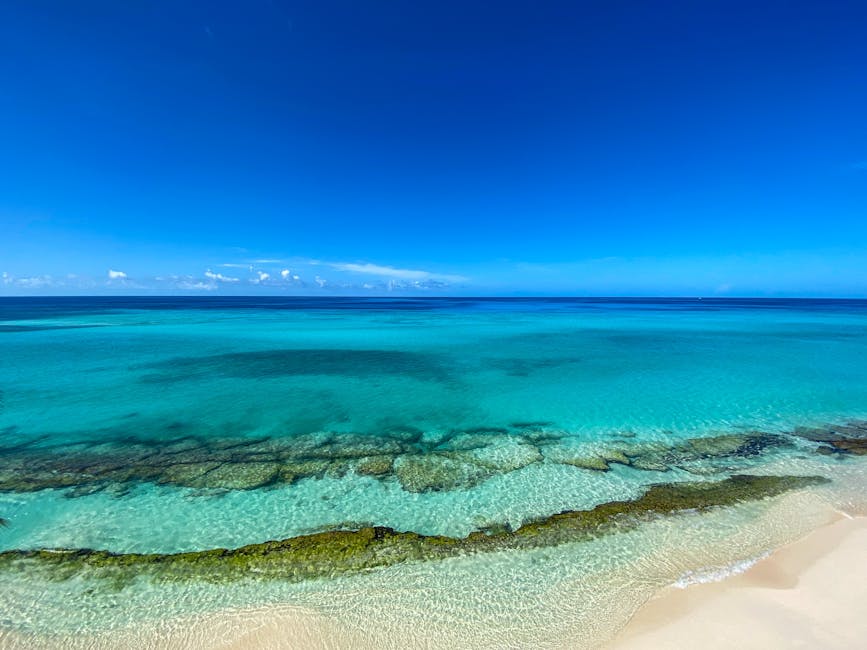
Perched on Zakynthos Island, Navagio Beach is iconic for its dramatic cliffs, turquoise water, and the rusting shipwreck on its shore. The cove is protected from strong winds, creating calm, mirror-like conditions ideal for swimming and photography.
Water clarity here averages 20 meters, though boat traffic can stir sediment during peak season. Visit in late spring or early fall for fewer crowds and clearer views. Access is by boat only, which helps limit environmental impact.
4. Whitehaven Beach, Australia
Located in the Whitsunday Islands, Whitehaven Beach is renowned for its silica sand and impossibly clear waters. The beach spans seven kilometers along Whitsunday Island’s east coast, with visibility often reaching 25 meters.
Swimming here feels like floating in a lagoon. The sand doesn’t retain heat, making it comfortable to walk barefoot. Access is by boat or seaplane, and the area is part of the Great Barrier Reef Marine Park, ensuring protection from overdevelopment.
5. Pink Sands Beach, Bahamas
On Harbour Island, Pink Sands Beach gets its name from microscopic coral organisms that tint the sand pink. The water is calm and clear, with visibility up to 20 meters in spots. The shallow shelf extends far offshore, creating safe swimming conditions.
This beach is less commercialized than others in the region, offering a more relaxed atmosphere. Rent a golf cart to explore the island, and visit the nearby Dunmore Town for local dining and history.
6. Maya Bay, Thailand
Once overrun by tourists, Maya Bay on Koh Phi Phi Leh has undergone a conservation revival. After a temporary closure, the beach now limits daily visitors and bans boats to protect its ecosystem. The result? Water clarity has improved dramatically.
Visibility now reaches 15–20 meters, and coral regrowth is visible along the bay’s edges. Access is regulated—book tours in advance and expect timed entry. The effort to restore this once-damaged paradise shows how responsible tourism can revive natural beauty.
7. Baía do Sancho, Brazil
Voted one of the world’s best beaches by TripAdvisor, Baía do Sancho on Fernando de Noronha offers emerald waters with visibility up to 30 meters. The bay is surrounded by cliffs and accessible via a steep staircase carved into the rock.
Snorkeling here reveals sea turtles, rays, and colorful fish in near-pristine conditions. The island has strict visitor limits and environmental rules, which help maintain water quality. Overnight stays are restricted, so most visitors come on day trips.
8. El Nido, Philippines
El Nido in Palawan is a cluster of limestone islands with lagoons so clear they look painted. Big Lagoon and Small Lagoon offer visibility of 20–25 meters, with emerald water contrasting against towering karst cliffs.
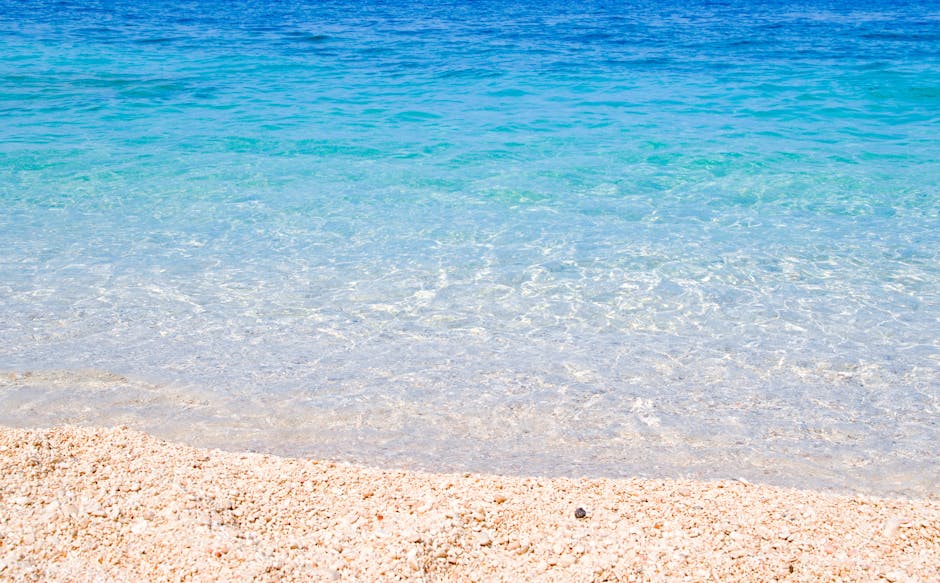
Kayaking through the lagoons provides intimate views of the underwater world. The area is part of a protected marine reserve, and local guides enforce eco-friendly practices. Avoid peak season (December–April) if you prefer fewer crowds.
9. Tulum Beach, Mexico
Tulum’s coastline blends Mayan ruins with pristine beaches and clear Caribbean waters. The water here is typically 15–20 meters deep near shore, with excellent visibility for snorkeling and swimming.
Unlike Cancun, Tulum has resisted mass development, preserving its bohemian charm. Beach clubs offer day passes, but early arrival ensures a quieter spot. The nearby cenotes—natural sinkholes—also offer crystal-clear freshwater experiences.
10. Matira Beach, Bora Bora, French Polynesia
Matira Beach is Bora Bora’s only public beach, and it’s famous for its soft sand and shallow, transparent lagoon. Visibility often exceeds 25 meters, and the water temperature stays warm year-round.
Sunset views here are legendary, with the sky reflecting off the calm sea. While luxury resorts dominate the island, Matira remains accessible to all visitors. Rent snorkel gear on-site and explore the reef just offshore.
How to Choose the Right Destination for You
With so many stunning options, picking the right beach depends on your travel style, budget, and interests. Consider factors like accessibility, climate, and activities available.
If you’re a diver or snorkeler, prioritize destinations with healthy coral reefs and high visibility. For families, look for calm, shallow waters and nearby amenities. Solo travelers or couples might prefer secluded spots with fewer crowds.
Travel Tips for Clear Water Experiences
Timing is everything. Dry seasons generally offer clearer water due to less runoff. Research local weather patterns before booking. For example, the Caribbean sees better visibility from December to April, while Southeast Asia peaks from November to March.
Avoid visiting immediately after storms, which can stir sediment and reduce clarity. Check recent traveler reviews for real-time water conditions. Apps like TripAdvisor and Google Reviews often include recent photos that show actual water quality.
Pack reef-safe sunscreen to protect marine life. Chemicals like oxybenzone can harm coral and contribute to water cloudiness. Choose mineral-based options with zinc oxide or titanium dioxide.
Environmental Impact and Responsible Travel
Clear waters are fragile. Over-tourism, pollution, and climate change threaten even the most beautiful beaches. Responsible travel helps preserve these destinations for future generations.
Stick to marked paths to avoid damaging dunes and vegetation. Never touch coral or marine life—even a brief contact can kill delicate organisms. Dispose of trash properly, and participate in beach cleanups if available.
Support eco-certified accommodations and tour operators. Many islands now require environmental fees or conservation contributions. These funds go toward protecting reefs, managing waste, and educating visitors.
When to Visit for the Clearest Waters
Seasonality plays a major role in water clarity. In tropical regions, the dry season typically offers the best conditions. For example, the Maldives sees peak clarity from November to April, while the Great Barrier Reef is clearest from June to October.
Avoid monsoon seasons, when heavy rains increase runoff and reduce visibility. Even in ideal months, early mornings often provide the calmest, clearest water before boat traffic begins.
Check local marine forecasts before heading out. Some destinations publish weekly water clarity reports, especially in popular diving areas.
What to Pack for a Clear Water Beach Trip
Maximize your experience with the right gear. A good-quality mask and snorkel let you see underwater details without disturbing the environment. Fins help you glide smoothly over reefs.
Bring a waterproof phone case or camera to capture the clarity. A wide-angle lens is ideal for underwater shots. Pack a reusable water bottle and avoid single-use plastics.
Wear a rash guard or UV-protective clothing instead of relying solely on sunscreen. This reduces chemical exposure and protects your skin during long days in the sun.
Final Thoughts
The best beach travel destinations for crystal clear waters combine natural beauty with sustainable practices. From the Caribbean to the Pacific, these spots offer more than just pretty views—they provide immersive experiences in some of Earth’s most pristine marine environments.
Whether you’re floating over a coral garden in Bora Bora or kayaking through a turquoise lagoon in Palawan, clear waters enhance every moment. Plan wisely, travel responsibly, and let the clarity of the sea refresh your perspective.
FAQ
What causes water to be crystal clear at certain beaches?
Crystal clear water results from low pollution, minimal sediment, strong currents, and healthy ecosystems. Protected marine areas and limited coastal development also play a key role.
Which month is best for clear water in the Caribbean?
The dry season from December to April offers the clearest waters in the Caribbean, with calm seas and minimal rainfall reducing runoff.
Can I swim safely in crystal clear waters?
Yes, but always check local conditions. Clear water doesn’t always mean safe water—currents, marine life, and boat traffic can pose risks. Follow local guidelines and swim in designated areas.