Germany Travel Guide: Best Cities and Travel Tips
Planning a trip to Germany? This guide covers the top cities to visit, must-see attractions, and practical travel tips to help you navigate the country with confidence. From historic landmarks to modern urban centers, Germany offers a rich blend of culture, history, and natural beauty. Whether you’re exploring medieval towns or vibrant metropolises, this guide delivers essential insights for a smooth and memorable journey.
Top Cities to Visit in Germany
Germany is home to a diverse range of cities, each with its own unique character. Choosing where to go depends on your interests—history, nightlife, nature, or cuisine. Below are the most popular destinations that consistently rank high among travelers.
Berlin: The Dynamic Capital
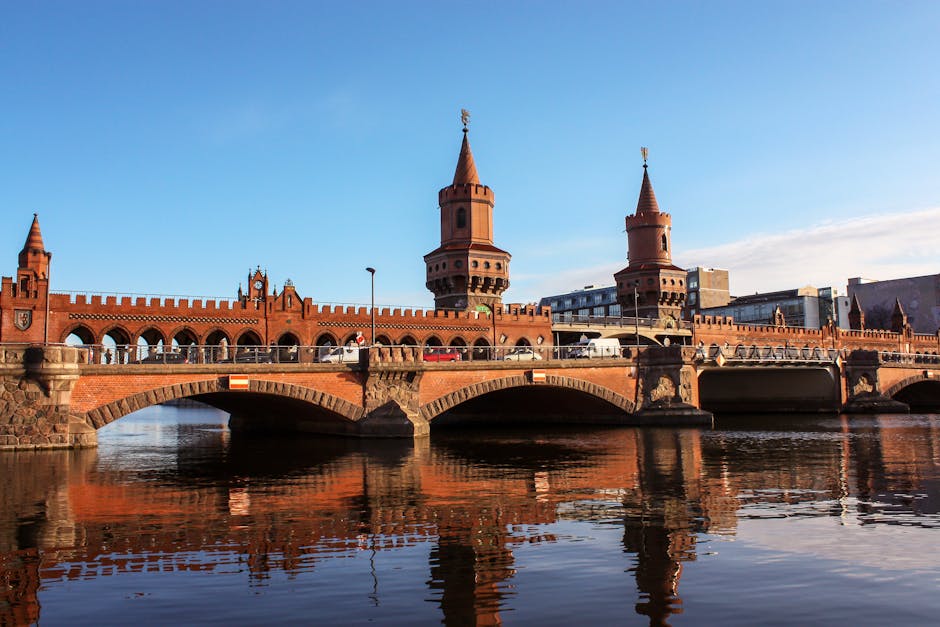
Berlin is Germany’s capital and a cultural hub brimming with energy. It’s known for its open-minded atmosphere, world-class museums, and remnants of Cold War history. The Brandenburg Gate, East Side Gallery, and Museum Island are unmissable stops.
The city is also a center for art and music, with countless galleries, underground clubs, and street performances. Public transportation is efficient, making it easy to explore neighborhoods like Kreuzberg, Prenzlauer Berg, and Mitte.
Munich: Bavarian Charm and Tradition
Munich blends old-world charm with modern sophistication. Located in Bavaria, it’s famous for its beer halls, Oktoberfest, and proximity to the Alps. The Marienplatz, Nymphenburg Palace, and English Garden are top attractions.
Visitors often use Munich as a base for day trips to Neuschwanstein Castle or the scenic lakes of the Bavarian countryside. The city is walkable, and its U-Bahn and S-Bahn systems connect major sites quickly.
Hamburg: The Gateway to the North
Hamburg is Germany’s largest port city and a major commercial center. It’s known for its maritime heritage, vibrant nightlife, and innovative architecture like the Elbphilharmonie concert hall.
The Speicherstadt warehouse district, a UNESCO World Heritage Site, is a striking example of 19th-century urban planning. St. Pauli’s Reeperbahn district offers live music and late-night entertainment, while the Altona district provides a quieter, artsy vibe.
Cologne: Cathedral and Carnival
Cologne is famous for its towering Gothic cathedral, Kölner Dom, which dominates the skyline. The city is also known for its lively carnival celebrations and strong local identity.
Along the Rhine River, you’ll find scenic promenades, beer gardens, and museums like the Museum Ludwig. Cologne’s central location makes it a convenient stop between Frankfurt and Düsseldorf.
Frankfurt: Financial Hub with Historic Roots
Frankfurt is Germany’s financial capital, home to the European Central Bank and a skyline dotted with skyscrapers. Despite its modern image, the city has a historic core in the Altstadt, including the Römer city hall.
The Palmengarten botanical garden and the Museumsufer (Museum Embankment) offer cultural escapes. Frankfurt Airport is one of Europe’s busiest, making the city a common entry point for international travelers.
Stuttgart: Automotive and Wine Culture
Stuttgart is the birthplace of the automobile, home to Mercedes-Benz and Porsche museums. It’s also surrounded by vineyards, earning it the nickname “Stuttgart Wine Village.”
The city’s Schlossplatz and Wilhelma Zoo are popular among families. Stuttgart’s location in Baden-Württemberg makes it a gateway to the Black Forest and Swabian cuisine.
Dresden: The Florence on the Elbe
Dresden is celebrated for its baroque architecture and artistic heritage. The Frauenkirche, Zwinger Palace, and Semperoper opera house were meticulously restored after World War II.
Situated along the Elbe River, the city offers river cruises and scenic walks. The Christmas market, Striezelmarkt, is one of the oldest in Germany.
Heidelberg: Romantic University Town
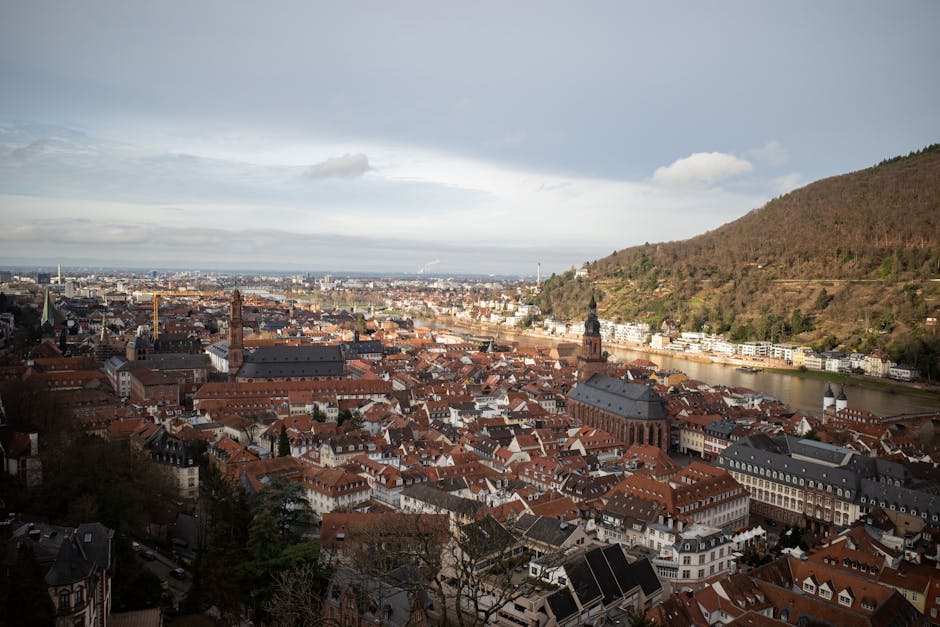
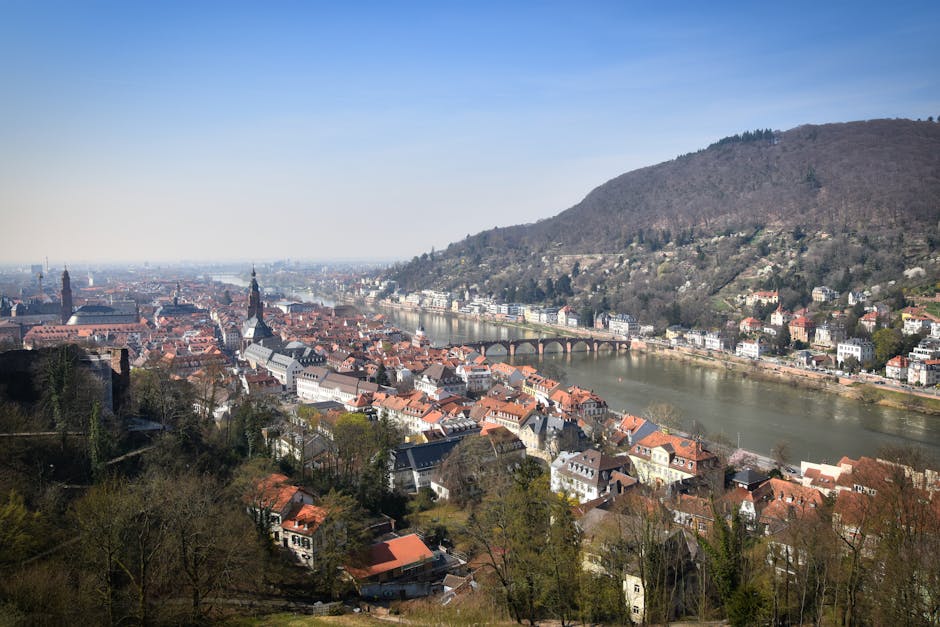
Heidelberg is a picturesque town known for its 14th-century castle and old town. The Philosopher’s Walk offers panoramic views of the Neckar River and surrounding hills.
As a university town, Heidelberg has a youthful energy and a relaxed pace. It’s an ideal day trip from Frankfurt or Stuttgart.
Essential Travel Tips for Germany
Germany is a traveler-friendly country with efficient infrastructure and clear signage. Still, a few practical tips can make your trip smoother and more enjoyable.
Transportation: Getting Around Efficiently
Germany has one of the best public transportation systems in the world. Trains operated by Deutsche Bahn connect major cities and smaller towns with punctuality and comfort.
The ICE (InterCity Express) is ideal for long-distance travel, while regional trains (RE, RB) serve local routes. Consider purchasing a German Rail Pass if you plan multiple train journeys.
In cities, buses, trams, and subways (U-Bahn, S-Bahn) are reliable and affordable. Most systems operate on an honor-based ticketing system—validate your ticket before boarding to avoid fines.
Driving is also an option, but be aware that autobahns have no general speed limit on certain stretches. Always carry your driver’s license, insurance documents, and a warning triangle in your car.
Accommodation: Where to Stay
Germany offers a wide range of accommodations, from luxury hotels to budget hostels and family-run guesthouses (Pensionen). Booking in advance is recommended, especially during peak seasons like Oktoberfest or Christmas markets.
Airbnb and similar platforms are popular, particularly in cities like Berlin and Munich. Always check reviews and confirm cancellation policies before booking.
Many hotels include breakfast in the rate, which can save time and money. Look for properties near public transit for easier access to attractions.
Language and Communication
German is the official language, but English is widely spoken in tourist areas, hotels, and restaurants. Learning a few basic phrases like “Guten Tag” (Good day) and “Danke” (Thank you) is appreciated.
Free Wi-Fi is available in most cafes, hotels, and public spaces. Consider getting a local SIM card or an international data plan for consistent connectivity.
Signage is generally clear, but rural areas may have less English support. Downloading offline maps or translation apps can be helpful.
Money and Payments
Germany primarily uses the euro (€). Credit cards are widely accepted in cities, but cash is still preferred in smaller shops, markets, and rural areas.
ATMs (Geldautomaten) are readily available and usually charge low fees. Inform your bank of your travel plans to avoid card blocks.
Tipping is customary but not excessive. Round up the bill or leave 5–10% in restaurants. In taxis, round to the nearest euro.
Food and Dining
German cuisine varies by region. In the south, expect hearty dishes like schnitzel, sausages, and pretzels. In the north, seafood and rye bread are common.
Beer is a national staple, with regional varieties like Bavarian wheat beer and Kölsch from Cologne. Tap water is safe to drink, and most restaurants offer it upon request.
Many restaurants close between lunch and dinner service. Check opening hours, especially on Sundays, when some places may be closed.
Safety and Etiquette
Germany is a safe country with low crime rates. Still, pickpocketing can occur in crowded areas like train stations and tourist sites. Keep valuables secure and be mindful in busy spots.
Germans value punctuality, quiet, and order. Avoid loud conversations on public transport and respect quiet hours in residential areas (typically 10 PM to 6 AM).
Recycling is taken seriously. Look for color-coded bins (yellow for packaging, blue for paper, green for glass) and follow local sorting rules.
Best Time to Visit Germany
The ideal time to visit depends on your travel goals. Summer (June to August) offers warm weather and long days, perfect for outdoor activities and festivals. However, it’s also the busiest and most expensive season.
Spring (April to May) and autumn (September to October) provide mild weather, fewer crowds, and beautiful scenery. Fall is especially scenic in regions like the Black Forest and Rhine Valley.
Winter (November to March) is ideal for Christmas markets and winter sports in the Alps. Cities like Dresden and Nuremberg host festive markets with mulled wine and handmade crafts.
Avoid major holidays like Christmas and New Year if you prefer quieter travel. Some attractions and shops may have limited hours during these periods.
Must-See Attractions Beyond the Cities
While cities offer plenty to explore, Germany’s countryside and natural landscapes are equally compelling. Consider adding these destinations to your itinerary.
The Romantic Road
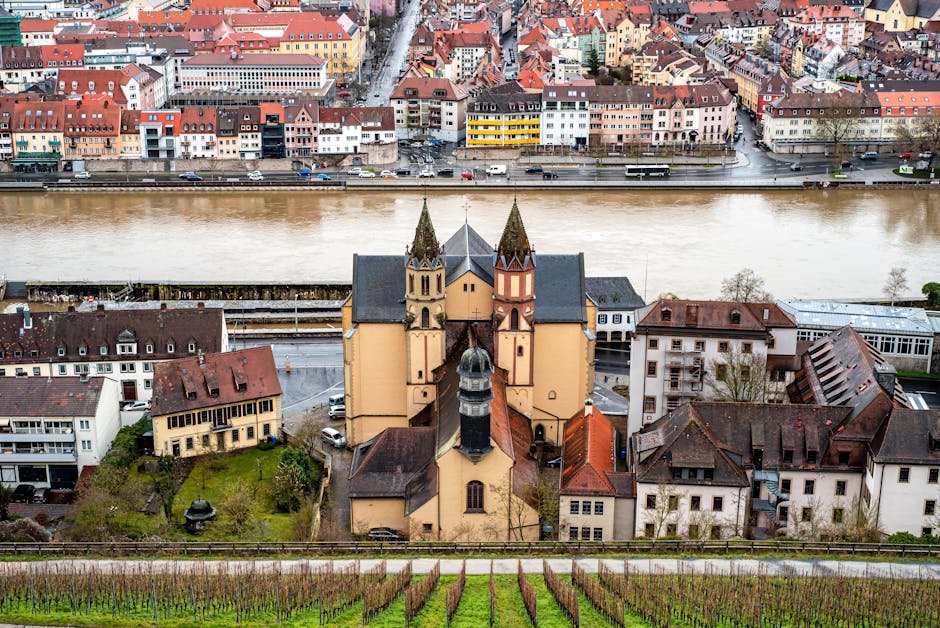
This scenic route stretches from Würzburg to Füssen, passing through medieval towns, castles, and vineyards. Highlights include Rothenburg ob der Tauber, a well-preserved walled town, and Neuschwanstein Castle.
The drive takes about 4–5 days, but you can also travel by bus or train. It’s best experienced in spring or fall when the scenery is most vibrant.
The Black Forest
Located in southwest Germany, the Black Forest (Schwarzwald) is known for dense woodlands, cuckoo clocks, and thermal spas. Towns like Freiburg and Baden-Baden are popular bases.
Outdoor enthusiasts can hike, bike, or ski depending on the season. Try local specialties like Black Forest cake and cherry schnapps.
The Rhine and Moselle Valleys
These river valleys are famous for terraced vineyards, charming villages, and river cruises. The Rhine Gorge between Koblenz and Bingen is a UNESCO site with over 40 castles.
The Moselle is quieter and more intimate, with steep slopes and excellent Riesling wines. Towns like Cochem and Bernkastel-Kues are worth visiting.
Bavarian Alps and Lake Constance
The Bavarian Alps offer stunning mountain views and outdoor adventures. Garmisch-Partenkirchen is a gateway to hiking and skiing, while Zugspitze is Germany’s highest peak.
Lake Constance (Bodensee) borders Germany, Switzerland, and Austria. It’s ideal for swimming, sailing, and cycling around the lake. The island of Mainau, known as the Flower Island, is a popular stop.
Packing Essentials for Germany
Packing smart can make your trip more comfortable. Germany’s weather can be unpredictable, so layers are key.
Bring a compact umbrella and a waterproof jacket, especially if traveling in spring or fall. Comfortable walking shoes are essential—many cities have cobblestone streets.
If visiting in winter, pack warm clothing, including a coat, gloves, and a hat. In summer, light clothing and sunscreen are recommended.
Don’t forget a power adapter—Germany uses Type C and F plugs with 230V voltage. A reusable water bottle is eco-friendly and practical, as tap water is safe to drink.
Cultural Highlights and Festivals
Germany hosts numerous festivals and cultural events throughout the year. Timing your trip around one can add a unique dimension to your experience.
Oktoberfest in Munich (late September to early October) is the world’s largest beer festival, attracting millions. Book accommodations and beer tent reservations well in advance.
Christmas markets (Weihnachtsmärkte) open in late November and run through December. Nuremberg, Dresden, and Stuttgart host some of the most famous ones.
Other notable events include the Cologne Carnival (February/March), Berlin International Film Festival (February), and the Hamburg DOM fair (three times a year).
Budgeting for Your Trip
Germany is moderately priced compared to other Western European countries. Costs vary by city—Munich and Frankfurt are more expensive, while Dresden and Leipzig are more affordable.
On average, budget travelers can expect to spend €60–80 per day, including accommodation, food, and local transport. Mid-range travelers should budget €100–150 per day.
Free attractions include many parks, churches, and walking tours. Many museums offer free entry on certain days or with city tourist cards.
Consider purchasing a city pass, which often includes public transport, museum discounts, and skip-the-line access. Examples include the Berlin WelcomeCard and Munich City Tour Card.
Final Tips for a Smooth Journey
Start planning early, especially if visiting during peak seasons. Book flights and major accommodations at least 2–3 months in advance.
Download useful apps like DB Navigator for train schedules, Google Translate, and local transit apps. Offline maps can be lifesavers in areas with poor signal.
Always carry a physical copy of your passport and travel insurance details. Register with your embassy if staying long-term.
Be flexible and open to spontaneous discoveries. Some of the best travel moments happen off the beaten path.
FAQ
What is the best way to travel between cities in Germany?
The most efficient way is by train, operated by Deutsche Bahn. The ICE high-speed trains connect major cities quickly and comfortably. Regional trains and buses are good for shorter distances.
Do I need a visa to visit Germany?
Visitors from the EU, US, Canada, Australia, and several other countries can enter Germany for up to 90 days without a visa for tourism. Check the German Federal Foreign Office website for specific requirements based on your nationality.
Is it safe to drink tap water in Germany?
Yes, tap water is safe to drink throughout Germany and is subject to strict quality controls. It’s also eco-friendly and cost-effective compared to bottled water.