

Travel Tips Guide with Travel Planning and Booking Tips
Planning a trip doesn’t have to be stressful. With the right travel tips guide, you can simplify every step—from choosing your destination to booking flights and packing smart. Whether you’re heading to a tropical beach, a bustling city, or a quiet mountain retreat, smart preparation makes all the difference. This guide covers essential travel planning and booking tips to help you save time, money, and avoid common pitfalls.
Start with a Clear Travel Plan
Every successful trip begins with a solid plan. Decide where you want to go and what you want to do before you start booking anything. Consider factors like weather, local events, and peak tourist seasons to avoid disappointment.
For example, visiting Paris in July means warm weather and long days, but also large crowds and higher prices. In contrast, late September offers milder weather and fewer tourists. Weigh the pros and cons based on your priorities—relaxation, sightseeing, or budget.
Set a Realistic Budget
Determine how much you’re willing to spend before making any reservations. Include costs for flights, accommodations, meals, transportation, activities, and a buffer for unexpected expenses.
A common mistake is underestimating daily spending. In cities like Tokyo or Zurich, even modest meals and public transit can add up quickly. Use budgeting apps or spreadsheets to track estimated costs by category.
Choose the Right Time to Travel
Timing affects everything—from flight prices to hotel availability. Traveling during shoulder seasons (just before or after peak times) often means better deals and fewer crowds.
For instance, visiting Greece in early June or late September can offer pleasant weather and lower prices compared to July and August. Research destination-specific trends to find the sweet spot for your trip.
Book Flights Smartly
Flight costs can make or break your travel budget. Use flexible date search tools on platforms like Google Flights or Skyscanner to compare prices across multiple days.
Set price alerts for your desired route. Airlines often adjust fares based on demand, and alerts notify you when prices drop. Booking 6–8 weeks in advance typically yields the best domestic flight deals, while international trips may benefit from earlier bookings.
Compare Airlines and Routes
Don’t settle for the first option you see. Compare direct flights versus layovers, baggage policies, and seat comfort. A slightly longer flight with a reputable airline may be worth the extra cost for comfort and reliability.
For example, a nonstop flight from New York to London might cost $200 more than one with a layover in Reykjavik. But if you value time and convenience, the direct route could be the better choice.
Watch for Hidden Fees
Budget airlines often advertise low base fares but charge extra for checked bags, seat selection, and even carry-ons. Read the fine print before booking.
A $50 flight can easily become $120 once fees are added. Use fare comparison sites that include total cost estimates to avoid surprises at checkout.
Secure the Best Accommodations
Where you stay impacts your entire travel experience. Hotels, vacation rentals, hostels, and guesthouses each offer different benefits depending on your needs and budget.

Hotels provide consistency and amenities like room service and front desks. Vacation rentals, such as Airbnb or Vrbo, offer more space and kitchen access—ideal for families or longer stays.
Read Recent Reviews
Don’t rely solely on star ratings. Read recent guest reviews to get a sense of cleanliness, noise levels, and location accuracy. Look for recurring comments about issues like slow Wi-Fi or poor air conditioning.
A 4-star hotel with outdated photos might not match expectations. Real guest photos and detailed feedback help you make informed choices.
Location Matters More Than Luxury
A slightly less luxurious hotel in a central location can save time and money on transportation. Being within walking distance of attractions, restaurants, and public transit enhances convenience.
For example, staying near a subway station in Tokyo or a metro stop in Barcelona makes exploring easier than a remote resort with shuttle service.
Plan Your Itinerary Wisely
A well-structured itinerary balances sightseeing, relaxation, and flexibility. Overpacking your schedule leads to burnout, especially on longer trips.
Limit yourself to two or three major activities per day. Leave room for spontaneous discoveries—like a local market or a quiet café—that often become trip highlights.
Prioritize Must-See Attractions
Identify your top three to five must-see spots and book tickets in advance when possible. Popular sites like the Louvre, Colosseum, or Machu Picchu often sell out.
Many attractions offer online discounts or timed entry slots. Booking ahead not only secures your spot but can also save money compared to walk-up prices.
Use Public Transportation
Relying on taxis or ride-shares can drain your budget quickly. Most cities have efficient, affordable public transit systems.
Buy multi-day transit passes where available. In cities like Berlin or Seoul, day passes allow unlimited travel on buses, trams, and subways for a fixed price.
Pack Smart and Light
Packing efficiently reduces stress and avoids checked baggage fees. Stick to a carry-on when possible, especially for short trips or budget airlines.
Use packing cubes to organize clothes and maximize space. Roll garments instead of folding to save room and reduce wrinkles.
Make a Packing Checklist
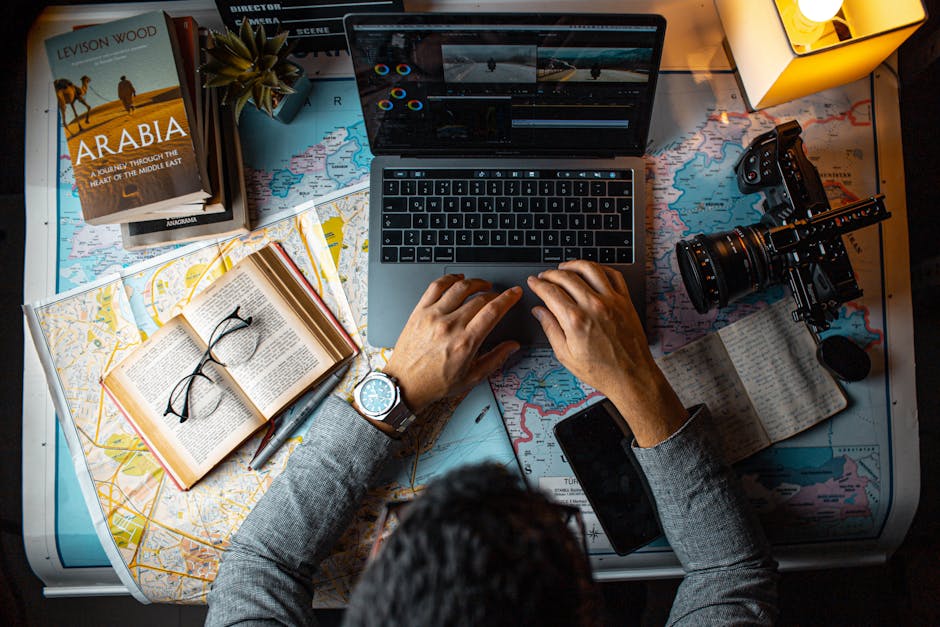
Create a personalized checklist based on your destination and activities. Include essentials like travel documents, medications, chargers, and weather-appropriate clothing.
For beach trips, pack sunscreen, swimwear, and a reusable water bottle. For city breaks, include comfortable walking shoes and a daypack.
Know Airline Baggage Rules
Each airline has specific size and weight limits for carry-ons and checked bags. Check these before packing to avoid fees or delays at the gate.
Most airlines allow one carry-on and one personal item (like a purse or laptop bag). Weight limits for checked bags typically range from 50 to 70 pounds.
Stay Safe and Informed
Your safety starts with preparation. Research your destination’s local customs, emergency numbers, and health advisories before departure.
Register your trip with your country’s travel advisory service, such as the U.S. State Department’s STEP program. This ensures you receive alerts about safety or weather issues.
Get Travel Insurance
Travel insurance protects against unexpected events like flight cancellations, medical emergencies, or lost luggage. It’s especially important for international trips or expensive bookings.
Compare policies from reputable providers like World Nomads or Allianz. Look for coverage that includes trip interruption, medical expenses, and emergency evacuation.
Keep Digital and Physical Copies
Scan your passport, visa, travel insurance, and itinerary. Store digital copies in cloud storage and email them to yourself. Carry printed backups in case your phone dies or gets lost.
Leave a copy with a trusted friend or family member at home. This ensures someone can assist you remotely if needed.
Save Money with Smart Booking Strategies
Travel doesn’t have to be expensive. With careful planning, you can stretch your budget without sacrificing quality.
Use fare comparison websites and set price alerts for flights and hotels. Booking flights on Tuesdays or Wednesdays sometimes yields lower fares, though this isn’t guaranteed.
Consider Alternative Airports
Flying into a smaller or nearby airport can save money. For example, flying into Oakland instead of San Francisco or Luton instead of Heathrow may offer cheaper options.
Factor in transportation costs to your final destination. A $50 flight savings isn’t worth it if the airport is two hours away and requires an expensive transfer.
Use Rewards and Loyalty Programs
Sign up for airline and hotel loyalty programs to earn points for future trips. Many credit cards offer travel rewards, including free checked bags or lounge access.
Redeem points strategically. Use them for high-cost items like international flights or luxury hotels where cash prices are steep.
Prepare for the Unexpected
Even the best-laid plans can go awry. Delays, cancellations, and lost luggage happen. Stay calm and know your rights as a traveler.
Understand airline compensation policies for delayed or canceled flights. In the EU, for example, passengers may be entitled to reimbursement under Regulation 261.
Have a Backup Plan
Keep a list of alternative accommodations and transportation options. Download offline maps and save important addresses in your phone.
If your flight is canceled, contact the airline immediately. Use their app or customer service line to rebook, rather than waiting in long airport lines.
Stay Connected
Ensure you have a way to communicate abroad. Consider an international SIM card, portable Wi-Fi hotspot, or roaming plan from your carrier.
Download translation apps like Google Translate and offline maps from Google Maps or Maps.me. These tools are lifesavers in unfamiliar places.
Final Tips for a Smooth Trip
Double-check all bookings 48 hours before departure. Confirm flight times, hotel reservations, and activity bookings. Airlines sometimes change schedules without notice.
Pack a travel essentials kit with items like pain relievers, band-aids, hand sanitizer, and a reusable utensil set. These small items can make a big difference on the go.
Arrive at the airport at least two hours early for domestic flights and three hours for international ones. Security lines and check-in queues can be longer than expected.
Lastly, stay flexible. Travel often involves surprises—some frustrating, some delightful. Embracing the unexpected is part of the adventure.
FAQ
When is the best time to book flights for the lowest prices?
Generally, booking domestic flights 6–8 weeks in advance offers the best deals. For international trips, aim for 2–3 months ahead. Use price alerts to monitor fluctuations.
Is travel insurance really necessary?
Yes, especially for international travel or expensive trips. It covers cancellations, medical emergencies, and lost belongings, providing peace of mind and financial protection.
How can I avoid overpacking?
Use a packing checklist and stick to a carry-on. Choose versatile clothing that can be mixed and matched. Roll clothes and use packing cubes to save space.