Best Nature Travel Destinations for Green Landscapes
If you’re searching for lush, vibrant destinations where nature thrives in full color, you’re not alone. Travelers increasingly seek out places with rich green landscapes—rolling hills, dense forests, emerald valleys, and untouched meadows. These environments offer more than beauty; they provide tranquility, fresh air, and a deep connection to the natural world. This guide highlights the best nature travel destinations for green landscapes, chosen for their biodiversity, scenic diversity, and accessibility. Whether you’re planning a weekend getaway or a multi-week adventure, these locations deliver immersive experiences in some of Earth’s most verdant settings.
Why Green Landscapes Matter in Nature Travel
Green landscapes are more than visually appealing—they’re essential to ecological health and human well-being. Forests, wetlands, and grasslands support biodiversity, regulate climate, and purify water and air. For travelers, these environments offer restorative benefits, reducing stress and improving mental clarity.
Choosing destinations with thriving green spaces also supports sustainable tourism. Many of these regions rely on eco-conscious visitors to fund conservation and local communities. By visiting responsibly, you help preserve these landscapes for future generations.
Green destinations often feature well-maintained trails, guided nature walks, and educational programs. These resources enhance the experience, allowing visitors to learn about local flora, fauna, and conservation efforts.
Top Nature Travel Destinations with Lush Green Landscapes
1. The Lake District, England
The Lake District in northwest England is a UNESCO World Heritage Site renowned for its emerald valleys, shimmering lakes, and misty fells. This region inspired poets like Wordsworth and continues to draw hikers, photographers, and nature lovers.
Trails like the Catbells hike or the path around Grasmere offer panoramic views of rolling hills blanketed in heather and grass. The area’s microclimate supports dense woodlands of oak, birch, and pine, creating a patchwork of green across the landscape.
Visit in late spring or early autumn for the most vibrant colors. Summer can be busy, so plan ahead for accommodations. Public transport connects major towns, but renting a car offers greater flexibility.
2. Plitvice Lakes National Park, Croatia
Plitvice Lakes is one of Europe’s most stunning natural parks, famous for its cascading lakes connected by waterfalls and surrounded by dense forest. The park’s travertine barriers create natural dams, forming a series of terraced lakes that shift in color from azure to green depending on the mineral content and sunlight.
Wooden walkways wind through the park, allowing close access to waterfalls and forested areas. The surrounding woodland is home to bears, wolves, and over 160 bird species. Guided tours are available, but self-guided walks are equally rewarding with clear signage.
Entry is limited daily, so book tickets in advance. Avoid peak summer months if you prefer quieter trails. The park is open year-round, but spring and fall offer the best balance of weather and color.
3. Jiuzhaigou Valley, China
Located in Sichuan Province, Jiuzhaigou Valley is a protected nature reserve known for its multi-colored lakes, snow-capped peaks, and ancient forests. The valley’s name means “Nine Village Valley,” referencing the Tibetan communities that have lived here for centuries.
The landscape is defined by vibrant green forests that frame crystal-clear lakes like Five Flower Lake and Long Lake. In autumn, the foliage turns brilliant shades of gold and red, but even in summer, the evergreen trees maintain a rich, deep green.
Access is via a shuttle bus system to minimize environmental impact. The park has recovered well since the 2017 earthquake, with most trails and facilities restored. Visit between May and October for the best conditions.
4. The Scottish Highlands, Scotland
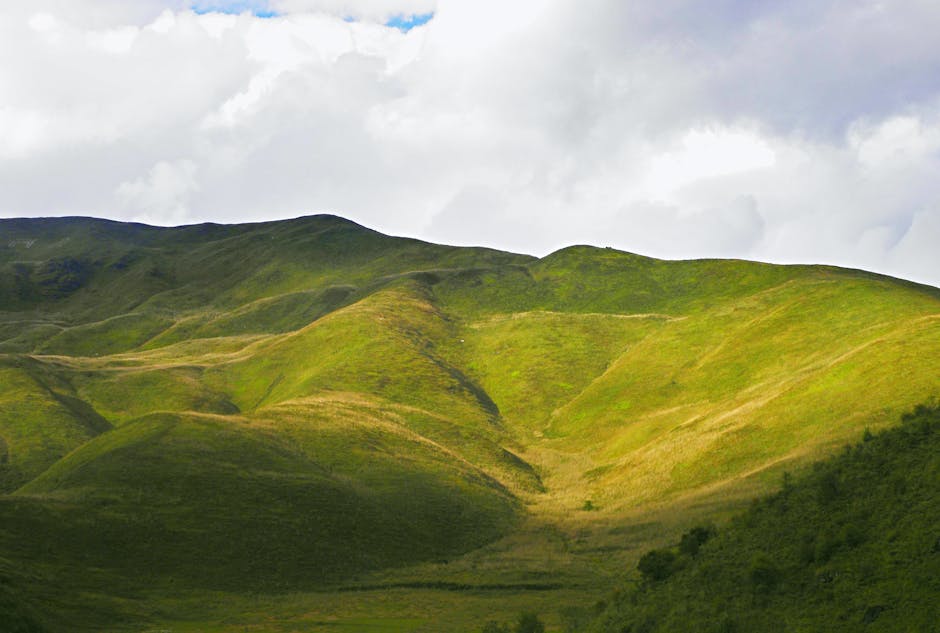
The Scottish Highlands offer some of the most dramatic green landscapes in the UK. From the glens of Glencoe to the shores of Loch Ness, the region is defined by rugged mountains, peat bogs, and expansive moorlands.
Despite the cooler climate, the Highlands support lush vegetation, including moss-covered rocks, bracken, and native pine forests. The Cairngorms National Park, the UK’s largest national park, is a highlight, with trails leading through ancient woodlands and alpine meadows.
Weather can change quickly, so pack waterproof gear. Wildlife includes red deer, golden eagles, and pine martens. Consider staying in eco-lodges or bothies (basic mountain shelters) for an authentic experience.
5. The Daintree Rainforest, Australia
As the oldest tropical rainforest on Earth, the Daintree in Queensland is a living museum of green. It predates the Amazon and is home to species found nowhere else, including the cassowary and the Boyd’s forest dragon.
The rainforest meets the reef at Cape Tribulation, where dense jungle tumbles down to white-sand beaches. Boardwalks and guided tours allow safe exploration of the understory, where ferns, palms, and vines create a layered canopy.
Access is via 4WD or organized tours from Cairns. Respect wildlife and stay on marked paths—some areas are sacred to the local Indigenous Kuku Yalanji people. The dry season (May to October) is the best time to visit.
6. The Black Forest, Germany
The Black Forest (Schwarzwald) in southwest Germany is legendary for its dense coniferous woods, rolling hills, and traditional villages. The name comes from the thick canopy that once made the forest appear dark even at midday.
Today, the region offers well-marked hiking trails, scenic drives, and thermal spas. The Feldberg area is the highest point and a hub for outdoor activities. In spring, wildflowers like bluebells and orchids bloom in clearings.
The Black Forest is easily accessible by train from Freiburg. Visit in May or September for fewer crowds and mild weather. Don’t miss the chance to try local specialties like Black Forest cake and smoked ham.
7. The Azores, Portugal
This volcanic archipelago in the Atlantic Ocean is a hidden gem of green. Each of the nine islands offers unique landscapes, from crater lakes to lush pastures and subtropical gardens.
São Miguel Island, the largest, features the Sete Cidades twin lakes—one blue, one green—nestled in a volcanic crater. Trails lead through hydrangea-lined paths and past geothermal hot springs.
The Azores are committed to sustainable tourism. Many accommodations are eco-certified, and guided nature tours emphasize conservation. The best time to visit is late spring to early autumn, when the weather is mild and the flora is in full bloom.
8. The Great Otway National Park, Australia
Located along the Great Ocean Road in Victoria, this park combines temperate rainforest, eucalyptus woodlands, and coastal cliffs. The Otway Ranges are covered in fern gullies and ancient myrtle beech trees.
Popular spots include the Otway Fly Treetop Walk, which offers elevated views of the canopy, and the Cape Otway Lighthouse, surrounded by native bushland. The park is also a prime spot for spotting koalas in the wild.
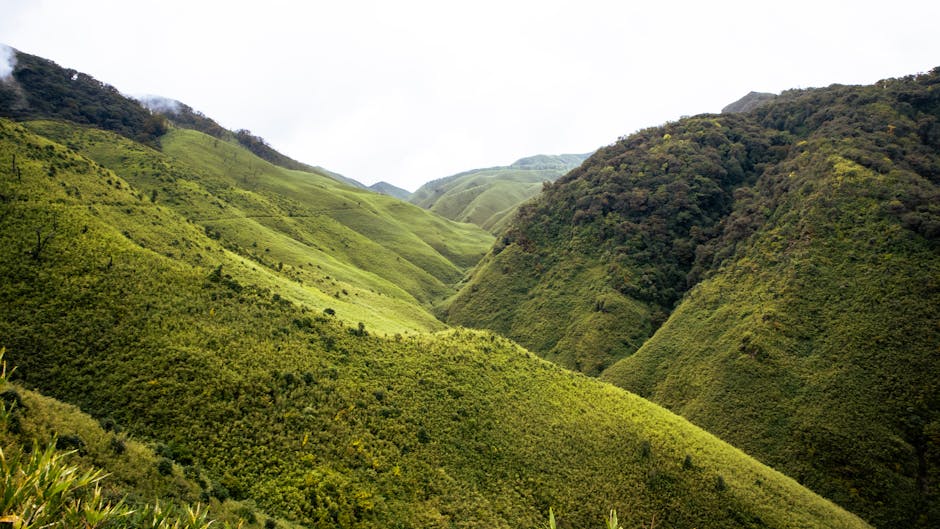
Access is by car, with several scenic drives connecting key sites. Visit between April and June for fewer tourists and vibrant greenery after the autumn rains.
9. The Burren, Ireland
The Burren in County Clare is a unique karst landscape where limestone pavement meets wildflower meadows. Despite its rocky appearance, the area supports a surprising variety of green vegetation, including orchids, gentians, and mosses.
The contrast between the pale stone and the vibrant plant life creates a striking visual effect. The Burren National Park offers short looped walks with interpretive signs explaining the geology and ecology.
Visit in May or June when the flowers are at their peak. The nearby Cliffs of Moher add a dramatic coastal element to your trip. Local guides offer insightful tours on the region’s history and biodiversity.
10. The Monteverde Cloud Forest, Costa Rica
Perched in the Tilarán Mountains, Monteverde is a mist-shrouded forest where clouds drift through the canopy. This cloud forest is one of the most biodiverse places on the planet, with over 2,500 plant species and hundreds of bird and mammal species.
The constant moisture supports epiphytes—plants that grow on trees—creating a layered, green world. Suspension bridges and canopy tours offer unique perspectives. The Resplendent Quetzal, a rare bird, is often spotted here.
Entry to the reserve requires a guided tour, which helps protect the fragile ecosystem. Visit during the dry season (December to April) for clearer skies and easier hiking.
How to Choose the Right Green Destination for Your Trip
With so many stunning options, selecting the best nature travel destination depends on your interests, budget, and travel style. Start by considering the type of landscape you prefer—forests, mountains, lakes, or coastlines.
Think about the level of activity. Some destinations, like the Scottish Highlands, are ideal for multi-day hikes, while others, like the Azores, offer a mix of relaxation and exploration.
Check travel requirements, including visas, vaccinations, and seasonal weather patterns. For example, tropical destinations may have rainy seasons that affect trail conditions.
Finally, prioritize sustainability. Look for destinations with eco-certifications, community-based tourism, and low-impact accommodations. Your choices can support conservation and local economies.
Tips for Responsible Travel in Green Landscapes
Protecting these environments starts with responsible behavior. Always follow the Leave No Trace principles: pack out all trash, stay on designated trails, and avoid disturbing wildlife.
Use reef-safe sunscreen in coastal areas and biodegradable toiletries in sensitive ecosystems. These small choices reduce chemical pollution.
Support local guides and businesses. They offer authentic insights and reinvest in community and conservation efforts.
Avoid feeding animals or picking plants. These actions can disrupt natural behaviors and damage fragile habitats.
Consider offsetting your carbon footprint through verified programs, especially for long-haul flights. Many eco-lodges and tour operators offer carbon-neutral options.
When to Visit for the Best Green Landscapes
Timing is key to experiencing lush, vibrant greenery. In temperate regions like the Lake District or the Black Forest, late spring (May–June) offers blooming wildflowers and full foliage.
In tropical areas such as the Daintree or Monteverde, the dry season provides clearer skies and better trail conditions. Avoid monsoon periods when trails may be muddy or closed.
Autumn can also be ideal, especially in places like Jiuzhaigou, where fall colors enhance the green backdrop. However, some high-altitude areas may experience early snow.
Check local bloom calendars and park advisories before you go. Some parks limit access during sensitive breeding or migration periods.
What to Pack for a Green Landscape Adventure
Packing smart ensures comfort and safety. Start with moisture-wicking clothing and a waterproof jacket—weather in natural areas can change quickly.
Sturdy hiking boots with good grip are essential for uneven terrain. Bring a daypack with water, snacks, a first-aid kit, and a map or GPS device.
Don’t forget sun protection: hat, sunglasses, and SPF 30+ sunscreen. Insect repellent is a must in tropical and forested regions.
A lightweight reusable water bottle and utensils reduce waste. Many parks have refill stations, but it’s wise to carry your own supply.
Final Thoughts on Nature Travel and Green Landscapes
Exploring the best nature travel destinations for green landscapes is more than a vacation—it’s an opportunity to reconnect with the planet. These places remind us of the beauty and resilience of natural systems.
Each destination offers something unique, from ancient rainforests to misty highlands. By traveling thoughtfully, you can enjoy these wonders while helping to preserve them.
Whether you’re seeking solitude, adventure, or inspiration, the world’s green landscapes await. Start planning your journey today.
FAQ
What is the best time of year to visit green landscapes?
The ideal time varies by region. In temperate zones, late spring to early autumn offers lush greenery and pleasant weather. In tropical areas, the dry season is best for accessibility and clear skies.
Are these destinations suitable for families?
Yes, many of these locations offer family-friendly trails, educational programs, and safe accommodations. Always check trail difficulty and facilities in advance.
How can I travel sustainably to these destinations?
Choose eco-certified accommodations, use public transport or carpooling, support local guides, and follow Leave No Trace principles to minimize your environmental impact.