Adventure Travel Tips for Planning the Perfect Outdoor Trip
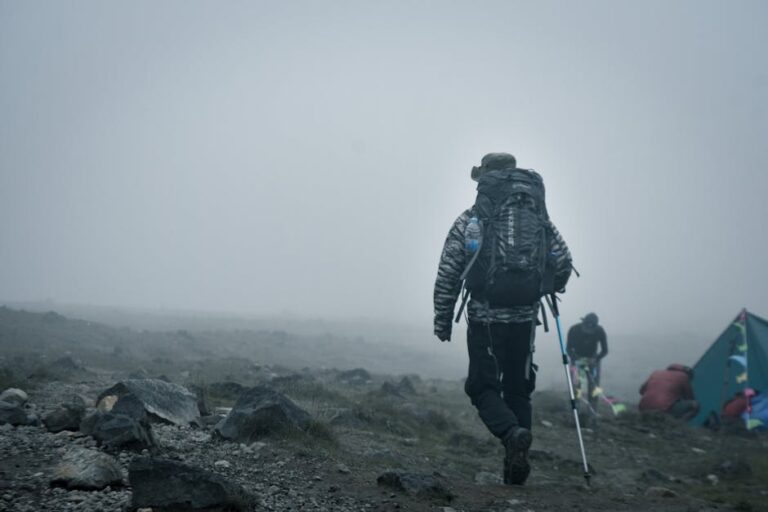
Planning an outdoor adventure can be exciting, but without the right preparation, it can quickly turn stressful. Whether you’re hiking through mountain trails, kayaking remote rivers, or camping under star-filled skies, success starts with smart planning. This guide covers essential adventure travel tips to help you organize a safe, enjoyable, and memorable trip. From choosing the right gear to understanding weather risks, these practical steps ensure you’re ready for whatever nature throws your way.
Choose the Right Destination for Your Skill Level
Not all outdoor adventures are created equal. Your experience, fitness level, and comfort with uncertainty should guide your destination choice. Beginners might enjoy well-marked trails in national parks like Shenandoah or Acadia, where ranger stations and clear signage reduce risk. More experienced travelers may seek remote backcountry routes in places like Patagonia or the Himalayas.
Always research trail difficulty, elevation gain, and typical weather conditions. Websites like AllTrails or government park portals offer detailed maps and recent hiker reviews. Avoid overestimating your abilities—starting too hard can lead to injury or emergency situations.
Match Activities to Your Group
If traveling with others, consider everyone’s fitness and interests. A mixed group might benefit from a moderate loop trail with scenic viewpoints and access to water sources. Families with children often prefer shorter, flat routes with rest stops and restroom facilities.
For solo travelers, prioritize safety by selecting popular trails with regular foot traffic. Inform someone of your itinerary and expected return time. Even experienced adventurers should avoid completely isolated areas without a communication plan.
Build a Smart Itinerary with Built-In Flexibility
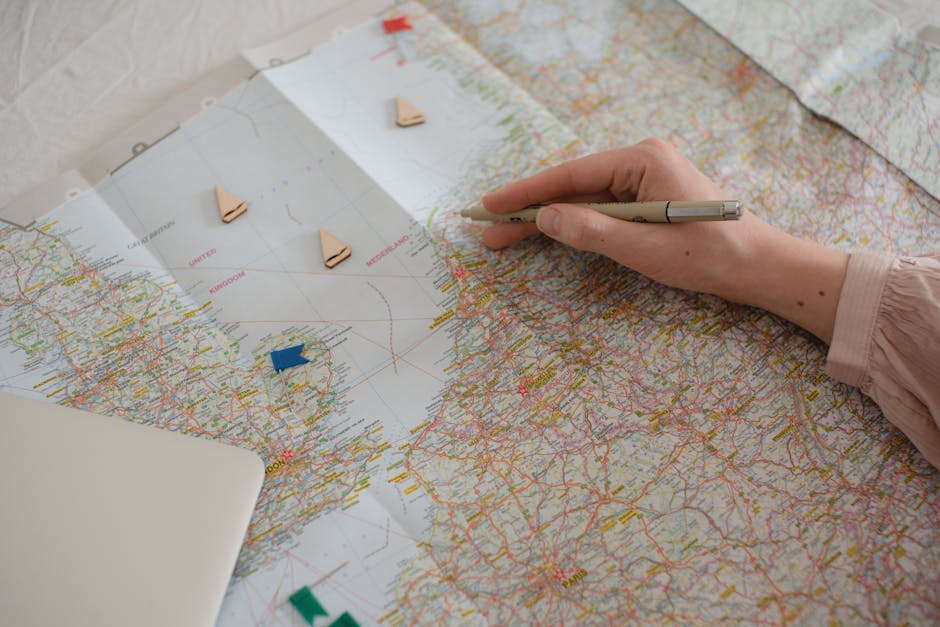
A solid itinerary keeps you on track, but rigidity can be dangerous in the outdoors. Weather, trail conditions, and personal energy levels can change quickly. Build in buffer days and alternate routes to accommodate delays or unexpected challenges.
For multi-day trips, plan your daily mileage conservatively. Most hikers cover 8–12 miles per day on moderate terrain, but this drops significantly on steep or rocky trails. Include rest days for longer expeditions, especially at high elevations where acclimatization is crucial.
Use Technology Wisely
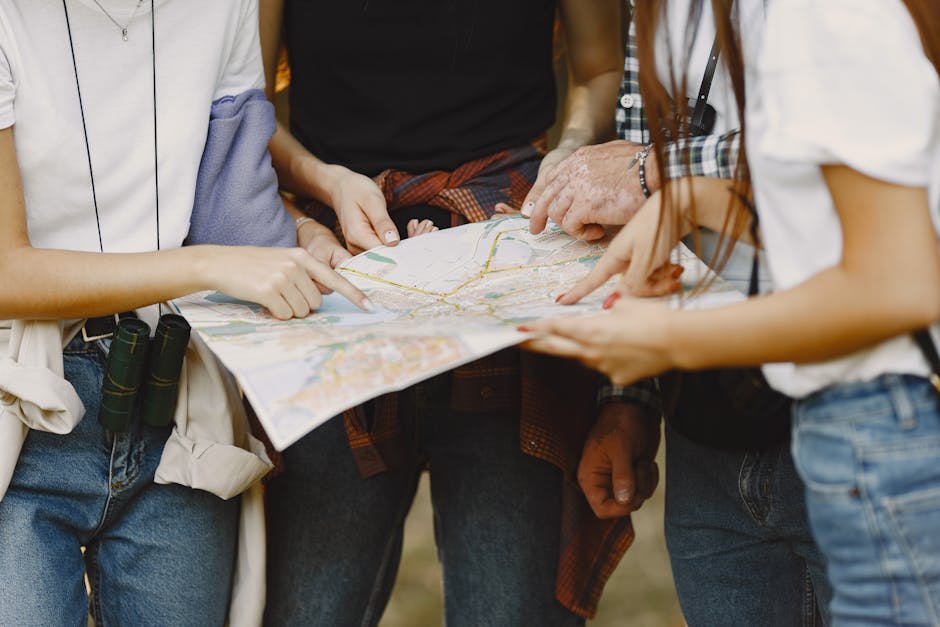
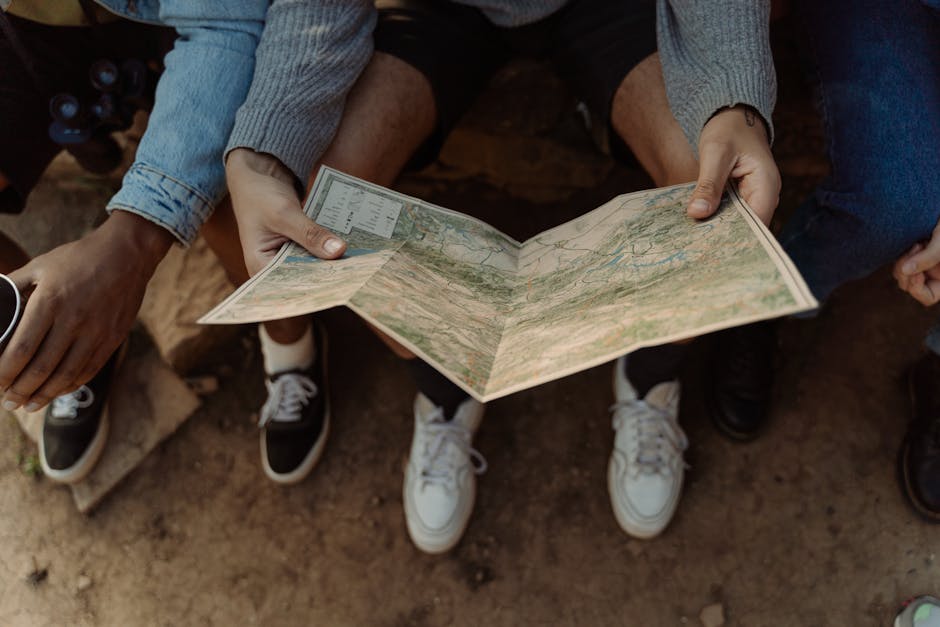
GPS apps like Gaia GPS or Maps.me help navigate unfamiliar terrain, but they’re not infallible. Always carry a physical map and compass as backups. Download offline maps before heading out, since cell service is unreliable in remote areas.
Share your itinerary with a trusted contact, including your route, campsites, and check-in times. Some apps allow real-time location sharing, which can be lifesaving in emergencies.
Pack the Right Gear: Quality Over Quantity
Your gear can make or break an outdoor trip. Focus on lightweight, durable, and weather-appropriate equipment. A high-quality backpack, reliable footwear, and a weatherproof tent are non-negotiable for most adventures.
Clothing should follow the layering principle: a moisture-wicking base layer, insulating mid-layer, and waterproof outer shell. Avoid cotton—it retains moisture and increases the risk of hypothermia. Merino wool and synthetic fabrics are better choices.

Essential Items to Never Forget
Even short day hikes require basic safety gear. Carry the “10 Essentials”: navigation tools, headlamp, sun protection, first aid kit, knife, fire starter, shelter, extra food, extra water, and emergency blanket.
For overnight trips, add a sleeping bag rated for expected temperatures, a compact stove, and a water filtration system. Test all gear before departure to ensure it works properly.
Master Outdoor Safety and Risk Management
Safety should be your top priority. Know the signs of common outdoor hazards like hypothermia, heat exhaustion, and altitude sickness. Hypothermia can occur even in mild temperatures if you’re wet and windy. Early symptoms include shivering, confusion, and fatigue.
Stay hydrated and fuel your body with high-energy snacks like nuts, dried fruit, and energy bars. Dehydration impairs judgment and physical performance, increasing accident risk.
Weather Awareness Saves Lives
Check forecasts from reliable sources like the National Weather Service or Mountain Forecast. Sudden storms, flash floods, or temperature drops can be deadly. In desert regions, avoid hiking during midday heat. In mountainous areas, afternoon thunderstorms are common—start early and descend before noon.
Never ignore weather warnings. If conditions deteriorate, turn back. The mountain will still be there another day.
Respect Nature and Follow Leave No Trace Principles
Outdoor adventures are a privilege, and preserving natural spaces ensures they remain accessible for future generations. Follow the seven Leave No Trace principles: plan ahead, travel on durable surfaces, dispose of waste properly, leave what you find, minimize campfire impact, respect wildlife, and be considerate of others.
Pack out all trash, including food scraps and toilet paper. Use established campsites to reduce environmental damage. When encountering wildlife, observe from a distance—never feed animals or approach nests.
Minimize Your Environmental Impact
Use biodegradable soap and wash at least 200 feet from water sources. Avoid single-use plastics by carrying reusable containers and water bottles. Choose eco-friendly gear when possible, such as solar-powered chargers or recycled-material clothing.
Support conservation efforts by visiting parks during off-peak times and paying entrance fees, which fund trail maintenance and ranger services.
Prepare for Emergencies and Know When to Call for Help
Even the best-planned trips can face emergencies. Carry a personal locator beacon (PLB) or satellite messenger like a Garmin inReach if traveling in remote areas. These devices can send distress signals when cell service is unavailable.
Learn basic first aid and CPR. Many outdoor organizations offer wilderness first aid courses that teach how to handle fractures, sprains, and allergic reactions in the field.
When to Turn Back
Know your limits. Fatigue, injury, or worsening weather are clear signs to abandon your plan. Turning back isn’t failure—it’s wisdom. Many rescues happen because people pushed too far beyond their limits.
If you do need help, stay calm, stay put if possible, and use your emergency signaling device. Conserve energy and resources while waiting for rescue.
Train and Condition Your Body Before the Trip
Outdoor adventures demand physical endurance. Start training weeks in advance with cardio, strength, and flexibility exercises. Hike with a loaded backpack to simulate real conditions and build stamina.
Focus on leg strength and core stability, which are crucial for carrying weight over uneven terrain. Include balance exercises to reduce fall risk on rocky or slippery paths.
Nutrition and Hydration Matter
Fuel your body with balanced meals rich in complex carbs, lean protein, and healthy fats. Avoid heavy, greasy foods that can cause sluggishness. Stay hydrated before, during, and after your trip—aim for at least 2–3 liters of water per day, more in hot or high-altitude environments.
Electrolyte supplements can help prevent cramps and fatigue, especially during long exertions in heat.
Understand Permits, Regulations, and Local Guidelines
Many popular outdoor destinations require permits for entry or overnight stays. Apply early—some parks use lotteries or have limited availability. For example, permits for the John Muir Trail or Half Dome in Yosemite are highly competitive.
Check local regulations on campfires, food storage, and group size. Some areas require bear canisters to protect both campers and wildlife. Violating rules can result in fines or expulsion from the park.
Support Local Communities
When traveling internationally or to rural areas, respect local customs and economies. Hire local guides when appropriate—they offer valuable knowledge and support sustainable tourism. Purchase supplies from nearby towns to contribute to the community.
Learn a few basic phrases in the local language to show respect and improve communication.
Capture Memories Responsibly
Documenting your adventure is part of the fun, but avoid risky behavior for the perfect photo. Don’t stand on cliff edges or approach wild animals for a selfie. Use a compact camera or smartphone with a sturdy case and extra batteries.
Consider journaling or sketching as low-impact ways to remember your journey. These methods also encourage mindfulness and deeper connection with your surroundings.
Review and Learn After Every Trip
After returning home, reflect on what went well and what could be improved. Did your gear perform as expected? Were your food portions adequate? Did you underestimate the difficulty?
Keep a trip log to track your experiences, routes, and lessons learned. This helps you refine future plans and become a more confident adventurer.
Final Thoughts on Adventure Travel
Great outdoor trips don’t happen by accident. They result from thoughtful planning, respect for nature, and a commitment to safety. By following these adventure travel tips, you’ll increase your chances of a smooth, rewarding experience. Whether you’re exploring a nearby forest or trekking across continents, preparation is the key to unlocking unforgettable moments in the wild.
FAQ
Q: How far in advance should I plan an outdoor adventure trip?
A: For popular destinations, start planning 3–6 months ahead to secure permits and accommodations. Less crowded areas may only need a few weeks of preparation.
Q: What’s the most important piece of gear for outdoor trips?
A: A reliable backpack and proper footwear are essential. They support your body and protect you from injury over long distances and rough terrain.
Q: Can I go on an outdoor adventure if I’m not very fit?
A: Absolutely. Choose beginner-friendly trails, go at your own pace, and build fitness gradually. Many rewarding outdoor experiences are accessible to all fitness levels.