Canada Travel Guide: Top Destinations and Travel Tips
Planning a trip to Canada? This comprehensive Canada travel guide covers the country’s must-see destinations, seasonal highlights, and essential travel tips to help you explore safely and smartly. From the Rocky Mountains to coastal cities and northern lights, Canada offers diverse experiences for every traveler. Whether you’re drawn to outdoor adventures, vibrant urban centers, or Indigenous cultural sites, this guide delivers practical advice and destination insights to make your journey seamless.
Why Visit Canada?
Canada is the second-largest country in the world, stretching from the Atlantic to the Pacific and up into the Arctic. Its vast landscapes include rugged coastlines, dense forests, towering mountains, and expansive prairies. With a reputation for safety, clean cities, and friendly locals, Canada consistently ranks among the top countries for quality of life and tourism.
The country welcomes over 20 million international visitors annually. Travelers come for its natural beauty, multicultural cities, and opportunities for outdoor recreation. Canada also offers a strong infrastructure for tourism, with well-maintained roads, reliable public transit in major cities, and a wide range of accommodations.
Top Destinations in Canada
Banff National Park, Alberta
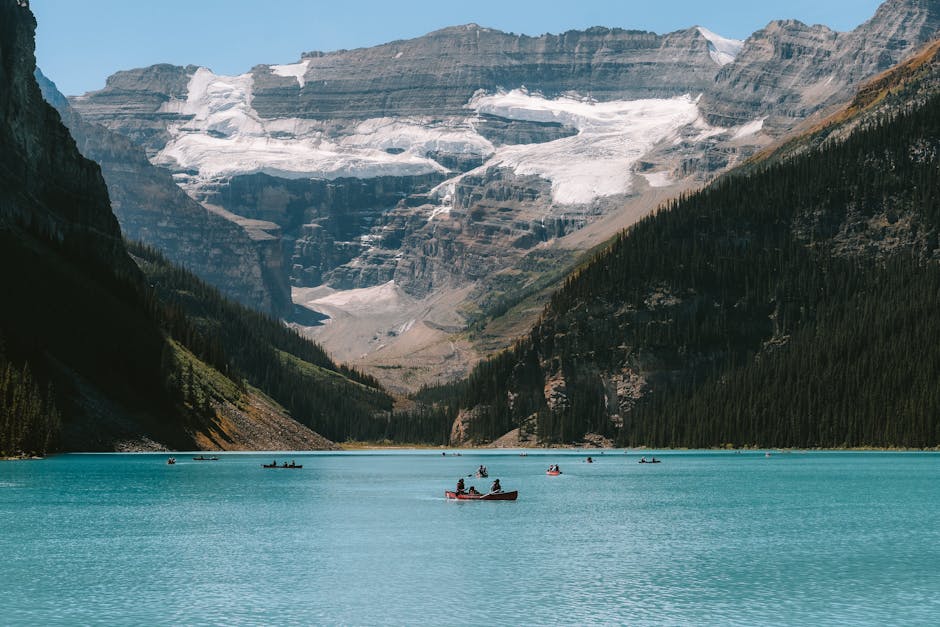
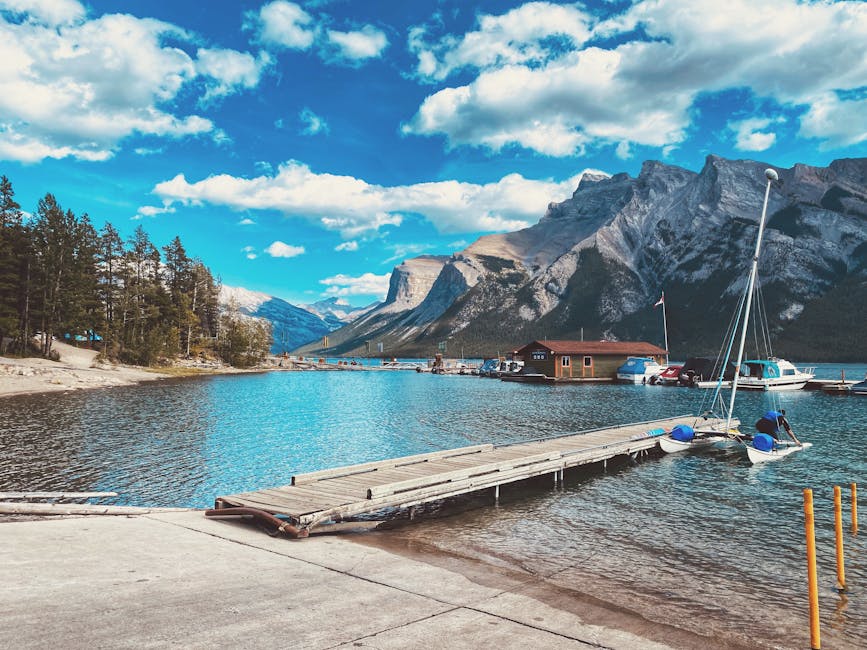
Banff is Canada’s oldest national park and a crown jewel of the Canadian Rockies. Located in Alberta, it’s home to turquoise lakes like Lake Louise and Moraine Lake, surrounded by snow-capped peaks. Hiking, skiing, and wildlife viewing are popular activities.
Visit in summer for hiking and canoeing, or in winter for world-class skiing at Sunshine Village and Lake Louise Ski Resort. Book accommodations early—especially near Lake Louise—as they fill up months in advance.
Toronto, Ontario
Canada’s largest city blends urban energy with cultural diversity. Toronto is home to the CN Tower, Royal Ontario Museum, and Distillery District. It’s also a food lover’s paradise, with neighborhoods like Kensington Market and Chinatown offering global cuisines.
Take a ferry to the Toronto Islands for skyline views and beach access. In winter, visit the outdoor skating rink at Nathan Phillips Square. Public transit is efficient, so renting a car isn’t necessary within the city.
Vancouver, British Columbia
Nestled between the Pacific Ocean and coastal mountains, Vancouver offers a mild climate and outdoor lifestyle. Stanley Park, Granville Island, and Capilano Suspension Bridge are top attractions.
The city is a gateway to Whistler, a premier ski destination 90 minutes north. Use the SkyTrain to get around easily. Vancouver’s proximity to nature makes it ideal for day trips to Grouse Mountain or the Sea-to-Sky Highway.
Quebec City, Quebec
Quebec City feels like a slice of Europe in North America. The historic Old Quebec district, a UNESCO World Heritage Site, features cobblestone streets, 17th-century architecture, and the iconic Château Frontenac.
French is the primary language, adding to the authentic experience. Visit in winter for the Quebec Winter Carnival or in summer for outdoor festivals. Don’t miss a meal at a traditional bistro serving poutine, tourtière, or maple taffy.
Niagara Falls, Ontario
One of the most famous natural wonders in the world, Niagara Falls straddles the border between Canada and the U.S. The Canadian side offers the best views from Observation Towers and the Hornblower Cruise.
Beyond the falls, explore wineries in Niagara-on-the-Lake, just 30 minutes away. The area is family-friendly, with casinos, aquariums, and butterfly conservatories. Visit in summer for full access or in winter for fewer crowds and frozen cascades.
Jasper National Park, Alberta
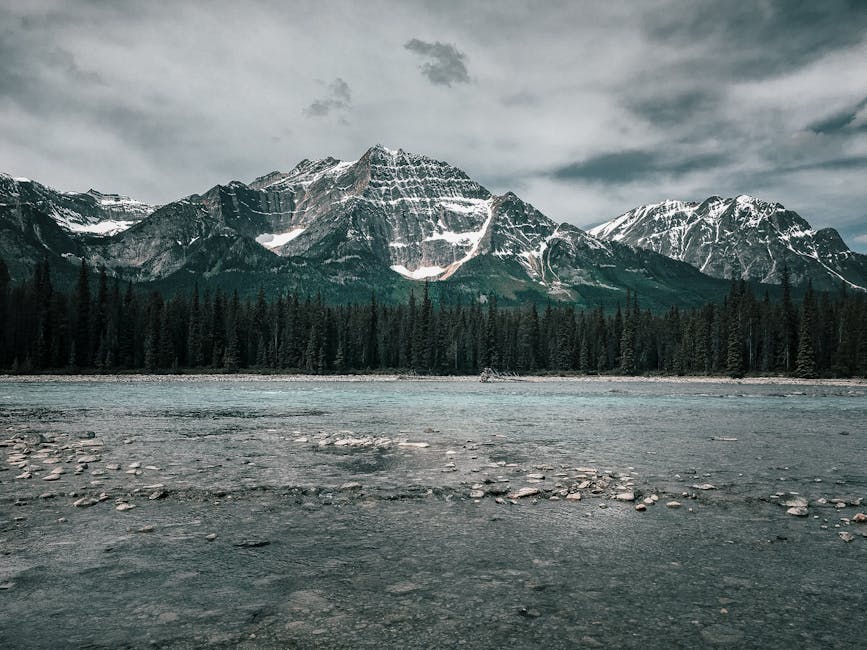
Less crowded than Banff, Jasper offers equally stunning mountain scenery with more solitude. It’s part of the Canadian Rockies and a Dark Sky Preserve, making it ideal for stargazing.
Drive the Icefields Parkway between Banff and Jasper—it’s one of the most scenic routes in the world. Stop at Athabasca Falls and take a glacier tour on the Columbia Icefield. Wildlife sightings, including elk and bears, are common.
Prince Edward Island
Known for its red sand beaches, rolling farmland, and connection to Anne of Green Gables, PEI is a peaceful retreat. Charlottetown, the capital, is walkable and full of historic charm.
Try fresh lobster at a beachside shack or cycle the Confederation Trail. The island is small and easy to explore by car. Summer is peak season, but fall offers beautiful foliage and fewer tourists.
Yukon and Northern Lights
For a truly unique experience, head north to the Yukon. Whitehorse and Dawson City offer gold rush history and access to remote wilderness. The region is one of the best places in the world to see the northern lights.
Visit between September and March for aurora viewing. Stay in a glass igloo or remote lodge for an unforgettable night under the stars. Be prepared for cold temperatures and limited services in winter.
Best Time to Travel to Canada
Canada’s vast size means weather varies greatly by region and season. Summer (June to August) is the most popular time to visit, with warm temperatures and long daylight hours. This is ideal for hiking, camping, and city exploration.
Fall (September to October) offers stunning foliage, especially in Ontario and Quebec. Winter (November to March) is perfect for skiing and winter festivals, but some northern areas may be inaccessible. Spring (April to May) is quieter, with melting snow and blooming flowers.
Avoid traveling during major holidays like Canada Day (July 1) or Thanksgiving (second Monday in October) if you prefer fewer crowds. Book accommodations and rental cars early during peak seasons.
Getting Around Canada
Canada’s size makes transportation planning essential. Domestic flights are common for long distances—WestJet and Air Canada connect major cities. For shorter trips, VIA Rail offers scenic train journeys, especially through the Rockies.
Driving is the best way to explore rural areas and national parks. Roads are well-maintained, but winter driving requires caution, especially in the Prairies and mountains. Renting a car gives flexibility, but always check for winter tire requirements.
Public transit is reliable in cities like Toronto, Vancouver, and Montreal. Use apps like Transit or Google Maps to plan routes. In smaller towns, taxis and ride-sharing services like Uber are available but less frequent.
Accommodation Options
Canada offers a range of lodging, from luxury hotels to budget hostels and cozy cabins. In cities, expect international chains and boutique hotels. In national parks, book lodges or campgrounds well in advance—especially in Banff and Jasper.
Consider staying in a vacation rental for longer trips or family travel. Websites like Airbnb and Vrbo offer homes, cottages, and unique stays like yurts or houseboats. Always read reviews and confirm cancellation policies.
For a truly Canadian experience, try a stay at a historic inn in Quebec or a lakeside cabin in the Okanagan Valley. Many accommodations offer free Wi-Fi, breakfast, and parking, but confirm amenities before booking.
Food and Dining in Canada
Canadian cuisine reflects its multicultural population. Expect influences from British, French, Indigenous, and immigrant communities. Regional specialties include poutine in Quebec, Nanaimo bars in BC, and Atlantic seafood in the Maritimes.
In cities, food trucks and farmers’ markets offer fresh, local options. Try a Montreal-style bagel or a butter tart in Ontario. Many restaurants accommodate dietary restrictions, but it’s polite to inform staff in advance.
Tipping is customary—15% to 20% in restaurants and for taxi rides. Tap water is safe to drink across the country. Alcohol laws vary by province, so check local regulations before purchasing.
Travel Safety and Health
Canada is one of the safest countries in the world for travelers. Violent crime is low, and emergency services are accessible. However, always be aware of your surroundings, especially in crowded tourist areas.
Wildlife encounters are possible in rural and park areas. Store food properly and maintain distance from animals like bears and moose. Carry bear spray in backcountry areas and know how to use it.
Healthcare is publicly funded for residents, but visitors should have travel insurance. Pharmacies are widely available, and major cities have walk-in clinics. Bring prescriptions in original containers and check if your medications are legal in Canada.
Packing Essentials
Pack layers, even in summer. Weather can change quickly, especially in mountains and coastal areas. Include a waterproof jacket, sturdy walking shoes, and warm clothing for evenings.
In winter, bring thermal wear, gloves, a hat, and insulated boots. For summer travel, don’t forget sunscreen, insect repellent, and a reusable water bottle. Power adapters aren’t usually needed—Canada uses the same outlets as the U.S.
If visiting national parks, pack a daypack, map, and first-aid kit. Always carry ID and a copy of your passport. Leave valuables in hotel safes when possible.
Money and Budgeting
The Canadian dollar (CAD) is the official currency. Credit and debit cards are widely accepted, but carry cash for small vendors and rural areas. ATMs are common in cities and towns.
Set a daily budget based on your destination. Cities like Toronto and Vancouver are more expensive than smaller towns. Save money by cooking meals, using public transit, and visiting free attractions like parks and museums on discount days.
Check for student, senior, or group discounts at attractions. Many national parks offer annual passes if you plan to visit multiple sites. Currency exchange is available at banks and airports, but compare rates to avoid high fees.
Cultural Etiquette and Tips
Canadians are known for politeness and respect for diversity. Saying “please,” “thank you,” and “sorry” is common. Queuing orderly and holding doors for others is expected.
When visiting Indigenous communities or cultural sites, be respectful and follow guidelines. Photography may be restricted in certain areas. Learn a few French phrases if traveling to Quebec—effort is appreciated.
Smoking is banned in most indoor public spaces. Recycle and compost where available—many cities have strict waste sorting rules. Be mindful of noise levels, especially in residential areas.
Environmental Responsibility
Canada places a strong emphasis on environmental protection. When visiting national parks, follow the “Leave No Trace” principles: pack out all trash, stay on marked trails, and avoid disturbing wildlife.
Use reusable bags, bottles, and containers to reduce waste. Support eco-friendly businesses and tour operators. Avoid single-use plastics when possible.
Respect fire bans and campfire regulations, especially in dry summer months. Report any environmental concerns to park authorities or local officials.
Final Travel Tips
Start planning at least 3–6 months in advance, especially for popular destinations and peak seasons. Check visa requirements based on your nationality—many visitors can enter visa-free for up to six months.
Download offline maps and translation apps. Purchase a local SIM card or international plan for data access. Keep digital and physical copies of important documents.
Stay flexible and allow extra time for travel delays, particularly in winter. Embrace the unexpected—some of the best experiences come from spontaneous detours and local recommendations.
Frequently Asked Questions
Do I need a visa to visit Canada?
Most travelers from the U.S., UK, EU, Australia, and other countries can enter Canada visa-free for tourism. However, you may need an Electronic Travel Authorization (eTA) if arriving by air. Check the official Government of Canada website for your specific requirements.
Is it safe to drive in Canada?
Yes, driving is generally safe, but conditions vary. Winter driving can be hazardous due to snow and ice. Always check road conditions, use winter tires where required, and avoid driving in severe weather. Speed limits and traffic laws are strictly enforced.
What should I do if I encounter wildlife?
Keep a safe distance and never feed animals. In bear country, make noise while hiking and carry bear spray. If you see a bear, remain calm, back away slowly, and do not run. Report aggressive wildlife to park authorities immediately.