Wildlife Travel Guide for Discovering Rare Species
Planning a trip to see rare wildlife in their natural habitat? A well-prepared wildlife travel guide can make all the difference. Whether you’re tracking snow leopards in the Himalayas or searching for the elusive okapi in Central Africa, success depends on timing, location, and responsible practices. This guide covers essential strategies, top destinations, and practical tips to help you spot endangered species while supporting conservation efforts. With the right preparation, your adventure can be both thrilling and sustainable.
Why Seek Out Rare Species?
Encountering rare animals in the wild is a powerful experience. It fosters a deeper connection to nature and raises awareness about biodiversity loss. Many rare species, like the Amur leopard or vaquita porpoise, face extinction due to habitat destruction, poaching, or climate change. Seeing them firsthand can inspire action and support for protection programs.
Wildlife tourism also benefits local communities. When managed responsibly, it creates jobs and funds conservation. In places like Madagascar or Costa Rica, eco-tourism helps preserve critical habitats. Your visit can directly contribute to saving species from disappearing forever.
Top Destinations for Rare Wildlife Encounters
Madagascar: Home to Unique Endemics
Madagascar is a biodiversity hotspot with over 90% of its wildlife found nowhere else. Lemurs, fossas, and tomato frogs thrive in its rainforests and spiny deserts. The indri, the largest living lemur, is rarely seen but often heard with its haunting calls.
Visit Andasibe-Mantadia National Park for guided night walks. Local guides know where to find nocturnal species like the mouse lemur. Always travel with licensed operators who follow ethical guidelines.
Bhutan: A Sanctuary for Snow Leopards
High in the Himalayas, Bhutan offers one of the best chances to spot snow leopards. The Jigme Dorji National Park hosts regular sightings during winter months when the cats descend to lower elevations.
Trekking here requires permits and experienced guides. The best time is January to March, when snow forces leopards closer to villages. Use telephoto lenses to avoid disturbing them.
Ecuador’s Galápagos Islands: Evolution in Action
The Galápagos are famous for giant tortoises, marine iguanas, and flightless cormorants. These islands inspired Darwin’s theory of evolution and remain a living laboratory.
Strict visitor rules protect fragile ecosystems. You must be accompanied by a certified naturalist. Swim with sea lions, walk among blue-footed boobies, and observe waved albatrosses during nesting season.
Democratic Republic of Congo: Tracking the Okapi
The okapi, a forest giraffe with zebra-like stripes, lives only in the Ituri Rainforest. Spotting one is rare due to its shy nature and dense habitat.
Kahuzi-Biega National Park offers guided forest walks. Early mornings increase your chances. Support conservation groups working to protect okapi habitats from logging and mining.
Sri Lanka: Leopards in the Wild
Yala National Park has one of the highest densities of leopards in the world. Unlike African savannas, Sri Lankan leopards live in scrub forests and coastal areas.
Game drives at dawn or dusk offer the best views. Keep a respectful distance and never use flash photography. Leopards are sensitive to human disturbance.
How to Prepare for a Rare Species Expedition
Research Your Target Species
Learn about the animal’s behavior, habitat, and active times. For example, the Philippine eagle is most visible during breeding season from December to April.
Check recent sighting reports from local guides or conservation organizations. Apps like iNaturalist or eBird can show recent wildlife activity in specific regions.
Choose the Right Season
Timing is critical. Many rare animals are seasonal migrants or have specific breeding windows. The mountain gorillas of Uganda and Rwanda are best visited during dry seasons—June to September and December to February.
Avoid rainy months when trails are muddy and visibility is low. Also, consider lunar cycles: some nocturnal species are more active during new moons.
Pack Smart and Light
Bring binoculars, a telephoto lens, and weather-appropriate clothing. Neutral colors help you blend in. Avoid bright fabrics that can startle animals.
Carry a field guide or download offline maps. Bring reusable water bottles and snacks to minimize waste. Never leave trash behind—pack it all out.
Hire Local Guides
Local experts know animal patterns and hidden trails. In Borneo, guides can lead you to orangutan feeding platforms in Tanjung Putting National Park.
They also understand cultural norms and park regulations. A good guide enhances safety and increases your chances of a sighting without stressing the animals.
Ethical Wildlife Viewing Practices
Keep a Safe Distance
Use zoom lenses instead of approaching animals. Getting too close can cause stress, alter behavior, or provoke defensive reactions.
Follow the “rule of thumb”: if you can touch the animal, you’re too close. In many parks, vehicles must stay at least 20 meters away from large mammals.
Stay Quiet and Patient
Noise scares wildlife. Speak in low voices and turn off ringtones. Silence increases your chances of hearing calls or spotting movement.
Wait quietly at observation points. Some animals, like the jaguar in the Pantanal, appear only after long periods of stillness.
Do Not Feed or Touch Wildlife
Feeding disrupts natural diets and can make animals dependent on humans. In places like Komodo National Park, feeding dragons is illegal and dangerous.
Never attempt to touch or hold wild animals, even if they seem calm. Diseases can spread between species, and handling causes stress.
Support Conservation Efforts
Choose tour operators that donate to local conservation projects. In Namibia, community conservancies fund anti-poaching units through tourism revenue.
Consider donating to reputable organizations like the World Wildlife Fund or local NGOs. Even small contributions help protect habitats and species.
Photography Tips for Rare Species
Use the Right Gear
A camera with a fast shutter speed and high ISO performance helps capture animals in low light. A 300mm or longer lens is ideal for distant subjects.
Tripods stabilize shots, especially at dawn or dusk. Use silent shooting mode to avoid startling animals.
Respect Animal Behavior
Don’t chase or corner animals for a better shot. If an animal changes its behavior because of you, you’re too close.
Avoid using drones near nesting sites or sensitive habitats. Many parks ban drone use to protect wildlife.
Share Responsibly
When posting photos online, avoid revealing exact locations of rare species. Poachers and collectors sometimes use social media to track endangered animals.
Tag conservation groups instead of geotagging sensitive sites. Raise awareness without putting animals at risk.
Safety Considerations
Know the Risks
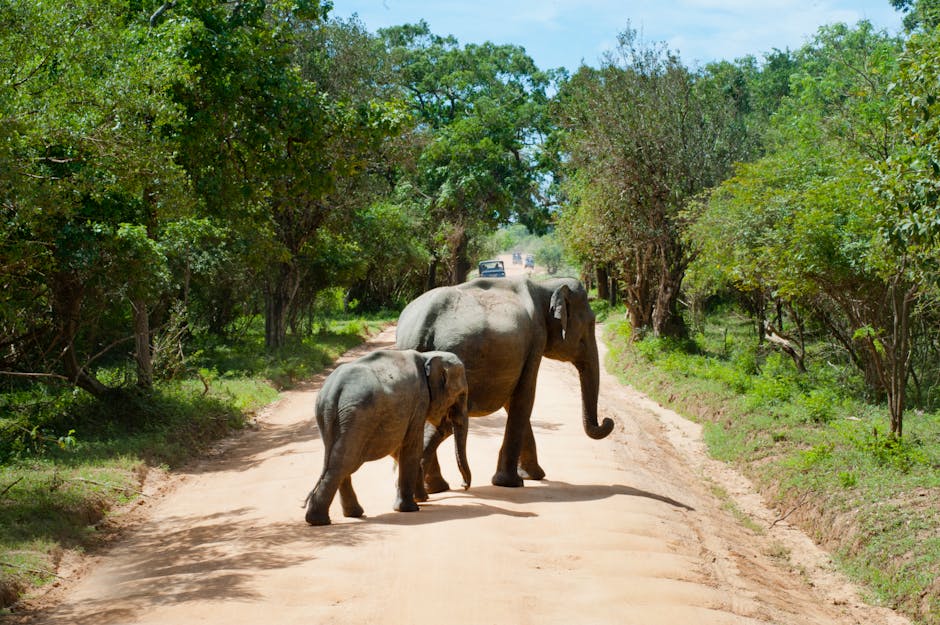
Wild animals are unpredictable. Even seemingly calm creatures like elephants or rhinos can charge if startled.
Always follow guide instructions. In Kaziranga National Park, guards carry rifles to protect visitors from rhino encounters.
Prepare for Remote Conditions
Many rare species live in isolated areas with limited medical facilities. Carry a first-aid kit and know basic emergency procedures.
Inform someone of your itinerary. Satellite communicators can be lifesavers in areas with no cell service.
Respect Local Laws and Customs
Some countries require special permits for wildlife photography or research. In India, filming tigers in national parks needs prior approval.
Dress modestly and follow cultural norms, especially in rural or indigenous communities. Building trust leads to better experiences.
What to Do If You Spot a Rare Species
Stay calm and still. Sudden movements can scare the animal away. Observe quietly and take notes on behavior, location, and time.
Take photos or videos if it’s safe to do so. Record details like weather, habitat type, and group size. This data can help researchers.
Report your sighting to local conservation groups or citizen science platforms. Your observation could contribute to population studies.
Common Mistakes to Avoid
Overpacking gear can slow you down. Focus on essentials: water, food, navigation tools, and communication devices.
Ignoring weather forecasts leads to discomfort or danger. Check conditions daily and adjust plans if needed.
Choosing cheap, unlicensed tours risks poor experiences and supports unethical practices. Invest in reputable operators.
Conclusion
A wildlife travel guide focused on rare species offers unforgettable adventures and meaningful conservation impact. With careful planning, ethical behavior, and respect for nature, you can witness some of Earth’s most endangered animals in their natural homes. Whether you’re exploring rainforests, mountains, or islands, your journey can support preservation and inspire others to protect our planet’s biodiversity.
FAQ
Q: What is the best time of year to see rare wildlife?
A: It depends on the species and location. Generally, dry seasons offer better visibility and accessibility. Research your target animal’s behavior and breeding cycles for optimal timing.
Q: How can I ensure my trip supports conservation?
A: Choose eco-certified tour operators, hire local guides, and donate to reputable conservation groups. Avoid activities that exploit animals, such as riding elephants or visiting unregulated sanctuaries.
Q: Is it safe to travel alone to remote wildlife areas?
A: It’s not recommended. Remote areas often lack medical facilities and emergency services. Always travel with a guide or in a group, and carry communication devices.