Beach Travel Guide with Safety Tips for Travelers
Planning a beach vacation? A solid beach travel guide with safety tips for travelers helps ensure your trip is both enjoyable and secure. Whether you’re heading to a tropical paradise or a local shoreline, knowing how to prepare, what to watch for, and how to respond in emergencies makes all the difference. This guide covers essential safety practices, packing essentials, water conditions, and destination-specific advice to keep you safe while maximizing your fun under the sun.
Why Beach Safety Matters
Beaches are among the most popular travel destinations, but they come with unique risks. Drowning is a leading cause of accidental death at beaches worldwide. According to the World Health Organization, over 236,000 people drown each year, many in coastal areas. Beyond drowning, sun exposure, marine life encounters, and changing tides can pose serious threats.
Even experienced swimmers can be caught off guard by rip currents or sudden weather shifts. A proactive approach—combining awareness, preparation, and respect for natural forces—can prevent most incidents. This guide focuses on practical steps you can take before and during your beach visit to stay safe.
Essential Beach Safety Tips
1. Always Swim Near a Lifeguard
Choose beaches with lifeguard supervision whenever possible. Lifeguards are trained to spot dangers, respond to emergencies, and enforce safety rules. In the U.S., the National Park Service reports that 90% of drownings occur outside guarded areas.
If no lifeguard is present, avoid swimming alone. Let someone know your plans and stay in shallow water. Never assume calm waves mean safe conditions—rip currents can form without warning.
2. Understand and Escape Rip Currents
Rip currents are powerful, narrow channels of water that pull swimmers away from shore. They’re responsible for the majority of beach rescues. If caught in one, don’t panic or try to swim directly back.
Instead, swim parallel to the shore until you’re out of the current, then head back to land. If you can’t swim out, wave your arms and call for help. Most rip currents are less than 100 feet wide and will weaken as you move sideways.
3. Apply and Reapply Sunscreen Properly
Sunburn is not just painful—it increases your risk of skin cancer. Use a broad-spectrum sunscreen with SPF 30 or higher. Apply it 15–30 minutes before going outside and reapply every two hours, or immediately after swimming or sweating.
Don’t forget often-missed spots: ears, the back of your neck, tops of feet, and lips. Consider wearing UV-protective clothing, a wide-brimmed hat, and sunglasses for added defense.
4. Stay Hydrated and Avoid Heat Exhaustion
Dehydration sneaks up quickly in hot, humid conditions. Drink water regularly, even if you don’t feel thirsty. Avoid alcohol and excessive caffeine, which can worsen dehydration.
Signs of heat exhaustion include dizziness, nausea, headache, and excessive sweating. If you experience these, move to a cooler area, sip water, and rest. Seek medical help if symptoms worsen.
5. Watch for Marine Life Hazards
Jellyfish, stingrays, and sea urchins are common in many coastal areas. Shuffle your feet when walking in shallow water to avoid stepping on stingrays. If stung by a jellyfish, rinse the area with seawater—not freshwater—and remove tentacles with a credit card or tweezers.
Sea urchin spines should be carefully removed. Seek medical attention if stung by a dangerous species like a box jellyfish or Portuguese man o’ war, especially in tropical regions.
6. Respect Tide and Weather Conditions
Check local tide charts and weather forecasts before heading out. High tide can cut off access to certain areas, while storms can develop rapidly. Lightning is a real danger at the beach—seek shelter immediately if thunder is heard.
Avoid swimming during red flag warnings, which indicate hazardous conditions like strong currents or high surf. When in doubt, stay out.
What to Pack: The Smart Beach Traveler’s Checklist
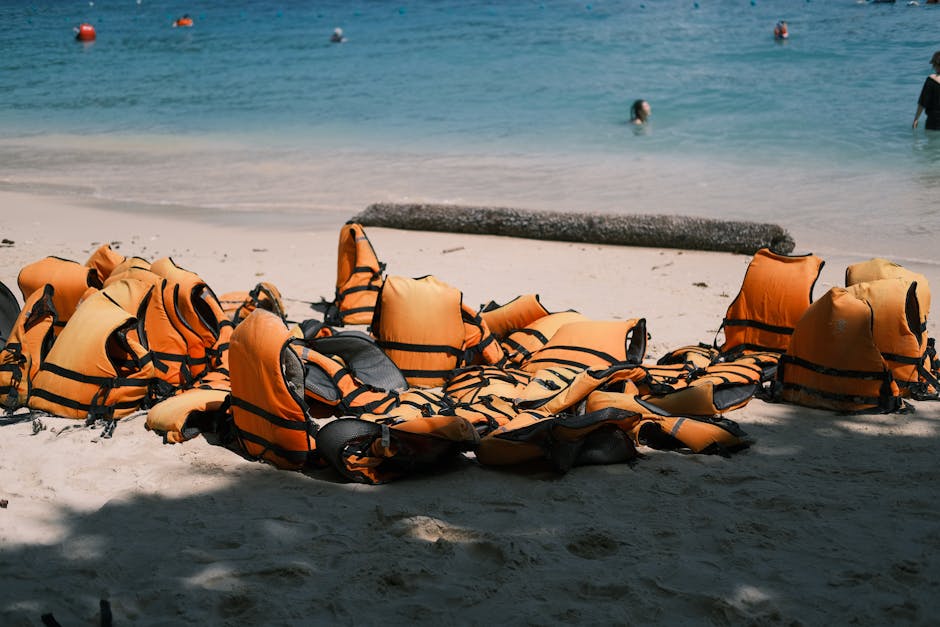
Being prepared starts with the right gear. A well-packed beach bag can prevent minor inconveniences from turning into major problems.
Sun Protection Essentials
- Sunscreen (SPF 30+, broad-spectrum)
- Lip balm with SPF
- UV-blocking sunglasses
- Wide-brimmed hat or cap
- Beach umbrella or pop-up shade
Safety and First Aid Items
- Waterproof first aid kit (bandages, antiseptic, tweezers)
- Emergency whistle
- Waterproof phone case or pouch
- Flotation device (for weak swimmers or children)
Comfort and Convenience
- Quick-dry towel
- Reusable water bottle
- Snacks (non-perishable, high-energy)
- Waterproof bag for electronics
- Beach chair or mat
For families, include extra clothing, diapers, and a small cooler. If traveling internationally, pack a universal power adapter and a copy of your passport.
Choosing the Right Beach Destination
Not all beaches are created equal. Some are ideal for swimming and families, while others are better suited for surfing or photography. Research your destination in advance.
Family-Friendly Beaches
Look for calm waters, lifeguard presence, and shallow entry. Examples include:
- Clearwater Beach, Florida – gentle waves, soft sand, and nearby amenities
- Maui’s Kaanapali Beach, Hawaii – protected coves and daily lifeguard patrols
- Albufeira Beach, Portugal – lifeguard stations and shallow areas for kids
Surf and Adventure Beaches
These spots attract experienced swimmers and surfers. They often have stronger currents and larger waves. Examples include:
- Waikiki Beach, Hawaii – popular for lessons but can have strong undertows
- Bondi Beach, Australia – iconic but known for rip currents; swim between the flags
- Hossegor, France – powerful Atlantic swells; not recommended for beginners
Remote and Secluded Beaches
While beautiful, isolated beaches may lack lifeguards, medical help, or cell service. Examples include parts of the Amalfi Coast, Big Sur, or the Maldives’ outer atolls. Always inform someone of your plans and carry a satellite communicator if venturing far.
Beach Safety by Region: What to Know
Different regions have unique hazards. Being aware of local risks can prevent accidents.
Caribbean and Gulf Coast
Warm waters attract swimmers year-round, but hurricanes and tropical storms are a seasonal threat. Avoid swimming during or immediately after storms due to debris and strong currents.
Be cautious of sea lice (tiny jellyfish larvae) in summer months, which can cause itchy rashes. Rinse off immediately after swimming and avoid scratching.

Pacific Coast (U.S. and Canada)
Cold water, strong rip currents, and sneaker waves are common. The Pacific is colder than the Atlantic, even in summer. Hypothermia can set in quickly, especially for children.
Never turn your back on the ocean. Sneaker waves can surge far up the beach without warning, sweeping people into the water.
Australia and Southeast Asia
Box jellyfish and Irukandji stings are life-threatening in northern Australian waters from October to May. Swim only in netted enclosures during stinger season.
In Thailand and Indonesia, monsoon seasons bring sudden downpours and dangerous surf. Check local advisories and avoid swimming during red flag conditions.
Mediterranean and Europe
While generally calmer, Mediterranean beaches can have strong undertows, especially near cliffs or rocky outcrops. Watch for sudden changes in wind and wave patterns.
In Spain and Italy, some beaches charge for access or require reservations in peak season. Arrive early to secure parking and avoid overcrowding.
Special Considerations for Families and Children
Children require extra vigilance at the beach. Their smaller size makes them more vulnerable to currents, sun, and heat.
Supervision Is Non-Negotiable
Always keep children within arm’s reach in or near water. Designate a “water watcher”—an adult whose sole job is to monitor kids in the water, even if lifeguards are present.
Use US Coast Guard-approved life jackets for non-swimmers. Avoid inflatable toys like floaties—they provide a false sense of security and can deflate or tip over.
Teach Kids Basic Water Safety
Even young children can learn to recognize danger. Teach them to:
- Never swim without an adult
- Stay away from waves if they feel too strong
- Call for help if they feel pulled away from shore
Plan for Shade and Breaks
Kids overheat faster than adults. Schedule regular breaks in the shade every 30–60 minutes. Bring a pop-up tent or umbrella to create a cool retreat.
Pack snacks and water to maintain energy. Avoid sugary drinks, which can lead to crashes and dehydration.
Environmental Responsibility at the Beach
Protecting the beach environment ensures it remains beautiful and safe for future visitors.
Leave No Trace
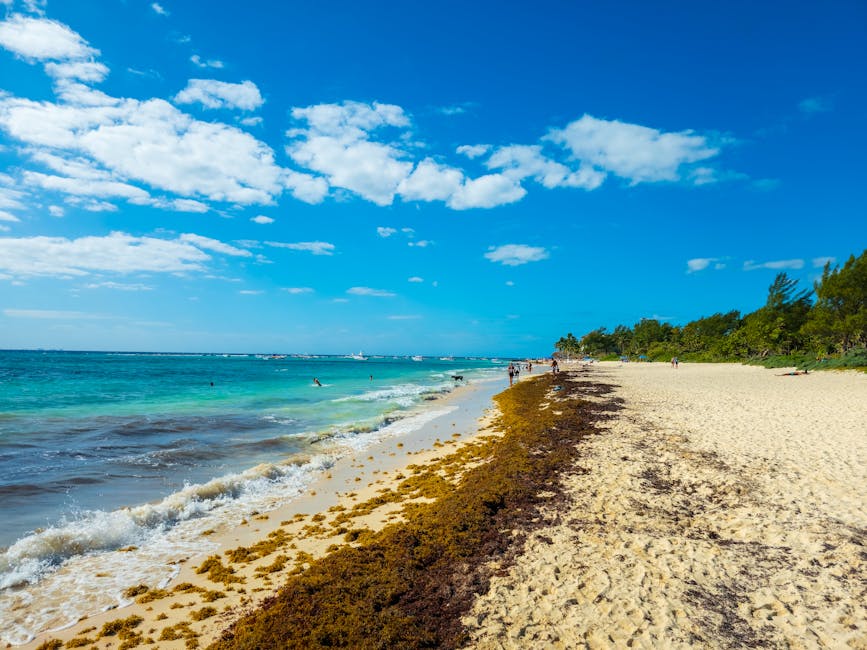
Pack out everything you bring in—including food wrappers, bottles, and cigarette butts. These items can harm wildlife and pollute the water.
Use reef-safe sunscreen to protect coral ecosystems. Chemicals like oxybenzone and octinoxate contribute to coral bleaching. Look for “reef-safe” labels or mineral-based formulas with zinc oxide or titanium dioxide.
Respect Wildlife
Don’t disturb nesting turtles, birds, or dunes. In many areas, it’s illegal to approach or feed marine animals. Keep a safe distance and use binoculars for viewing.
Avoid stepping on coral reefs—they grow slowly and are easily damaged. If snorkeling, wear fins carefully and avoid touching the reef.
What to Do in an Emergency
Even with precautions, emergencies can happen. Knowing how to respond can save lives.
Signs Someone Needs Help
Look for:
- Head low in the water, mouth at water level
- Gasping or inability to call for help
- Vertical body position with no leg movement
- Hyperventilating or panicked expression
These are signs of drowning, which can happen silently and quickly. If you see someone in trouble, alert a lifeguard immediately. If none is present, call emergency services.
How to Help Without Putting Yourself at Risk
Never enter the water to rescue someone unless you’re trained. Instead, use the “Reach, Throw, Row, Go” method:
- Reach: Use a pole, towel, or stick to extend to the person.
- Throw: Toss a flotation device, cooler, or life ring.
- Row: Use a boat or surfboard if available.
- Go: Only as a last resort—swim out if you’re a strong swimmer and trained in water rescue.
After rescue, monitor the person for secondary drowning—a condition where water in the lungs causes breathing problems hours later. Seek medical attention if they cough, vomit, or show signs of fatigue.
Final Tips for a Safe and Enjoyable Beach Trip
- Arrive early to avoid crowds and secure parking
- Check local beach rules—some prohibit alcohol, glass, or pets
- Use a waterproof map or download offline maps in case of poor signal
- Charge your phone and carry a portable battery
- Have a meeting point in case your group gets separated
A little planning goes a long way. By following these safety tips, you can focus on what matters most—relaxing, exploring, and making memories by the sea.
FAQ
What should I do if I get caught in a rip current?
Stay calm and don’t swim directly back to shore. Swim parallel to the beach until you’re out of the current, then swim back at an angle. If you can’t swim out, float and signal for help.
How often should I reapply sunscreen at the beach?
Reapply every two hours, and immediately after swimming, sweating, or towel drying. Use about one ounce (a shot glass full) to cover your entire body.
Is it safe to swim at unguarded beaches?
It can be, but only if conditions are calm and you’re a strong swimmer. Avoid swimming alone, stay close to shore, and never ignore warning signs or flags. When in doubt, choose a lifeguarded beach.