
Top Travel Destinations for Food Lovers Worldwide
For travelers who live to eat, the world is a global pantry waiting to be explored. The best culinary journeys blend iconic dishes, local markets, and authentic cooking traditions into unforgettable experiences. Whether you’re drawn to street food alleys in Bangkok, trattorias in Rome, or spice-laden curries in Mumbai, these top travel destinations for food lovers worldwide offer more than just meals—they deliver cultural immersion through flavor. This guide highlights ten standout cities where food isn’t just sustenance; it’s the heart of the experience.
1. Tokyo, Japan: Precision and Tradition on a Plate
Tokyo consistently ranks among the world’s most exciting food cities, and for good reason. With more Michelin stars than any other city, it blends high-end sushi with humble ramen shops that locals swear by. The city’s food culture values seasonality, craftsmanship, and respect for ingredients.
Start your culinary adventure at Tsukiji Outer Market, where tuna auctions once took place and fresh seafood stalls still draw crowds. Try tamagoyaki (sweet rolled omelet) or uni (sea urchin) on rice. Then head to a standing sushi bar in Ginza for melt-in-your-mouth otoro.
Don’t miss izakayas—Japanese pubs serving small plates like yakitori, edamame, and grilled eggplant. These casual spots are perfect for sampling diverse flavors in one evening. For a deeper dive, book a kaiseki meal, a multi-course feast that showcases the chef’s artistry.
Warning: Some high-end restaurants require reservations months in advance. Use hotel concierges or local guides to secure spots.
2. Bangkok, Thailand: Street Food Paradise
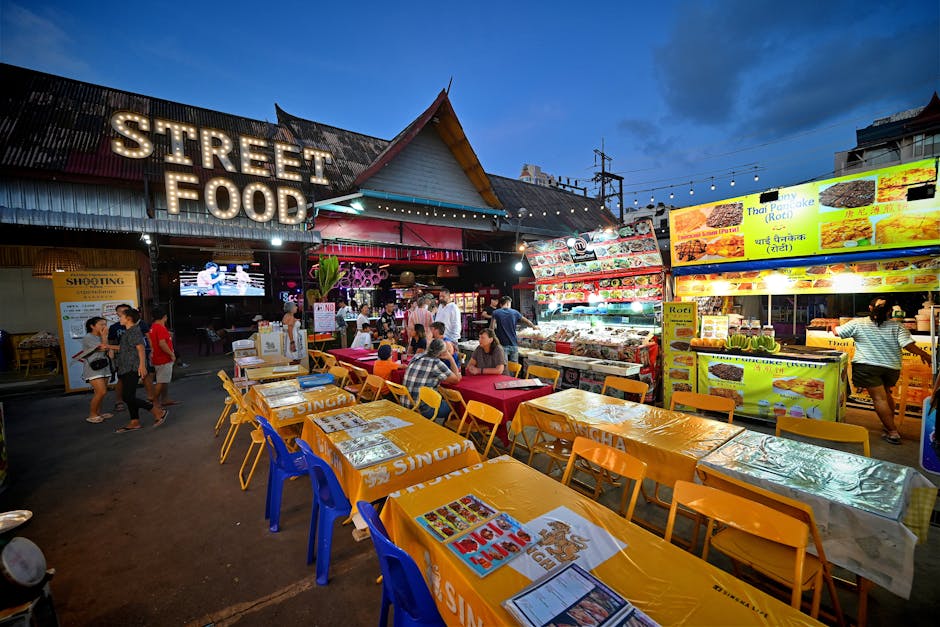
Bangkok is a sensory overload in the best way—especially when it comes to food. The city’s streets hum with sizzling woks, fragrant curries, and the sweet scent of mango sticky rice. It’s one of the few places where world-class dining exists alongside $1 noodle dishes.
Begin at Yaowarat (Chinatown), where late-night stalls serve crispy pork belly, boat noodles, and fresh oyster omelets. Then explore Sukhumvit Soi 38, a pedestrian-friendly street food hub with options for every palate.
Must-try dishes include pad thai with tamarind glaze, som tam (green papaya salad), and tom yum goong (spicy shrimp soup). For dessert, grab coconut ice cream in a coconut shell or try roti with banana and condensed milk.
Tip: Eat where locals eat. Crowded stalls often mean fresh ingredients and fast turnover. Avoid overly touristy areas where quality may suffer.
3. Rome, Italy: Simplicity Done Right
Italian cuisine thrives on quality ingredients and minimal interference. In Rome, that means cacio e pepe made with Pecorino Romano and black pepper, or supplì (fried rice balls) filled with molten mozzarella. The city’s food scene is deeply rooted in tradition, yet always evolving.
Start your day with a cornetto (Italian croissant) and cappuccino at a neighborhood café. For lunch, seek out trattorias in Trastevere or Testaccio, where nonnas still cook from handwritten recipes.
Don’t skip the carbonara—authentic versions use guanciale (cured pork jowl), not bacon or cream. Pair it with a glass of Frascati wine from nearby vineyards.
Evening is gelato time. Look for artisanal shops with natural colors and seasonal flavors like fig or pistachio. Avoid places with neon-colored scoops—they’re likely artificial.
4. Mexico City, Mexico: A Mosaic of Flavors
Mexico City is a culinary powerhouse where pre-Hispanic ingredients meet Spanish influences and modern innovation. From street tacos to fine dining, the city offers a rich tapestry of tastes, textures, and aromas.
Begin at Mercado de la Merced, one of Latin America’s largest markets. Sample tamales wrapped in banana leaves, fresh tortillas, and pulque (fermented agave drink). Then head to Roma or Condesa for contemporary Mexican restaurants reimagining classics.
Must-eats include tlayudas (Oaxacan-style giant tortillas), pozole (hominy stew), and churros dipped in thick chocolate. For breakfast, try chilaquiles—tortilla chips simmered in salsa with eggs and crema.
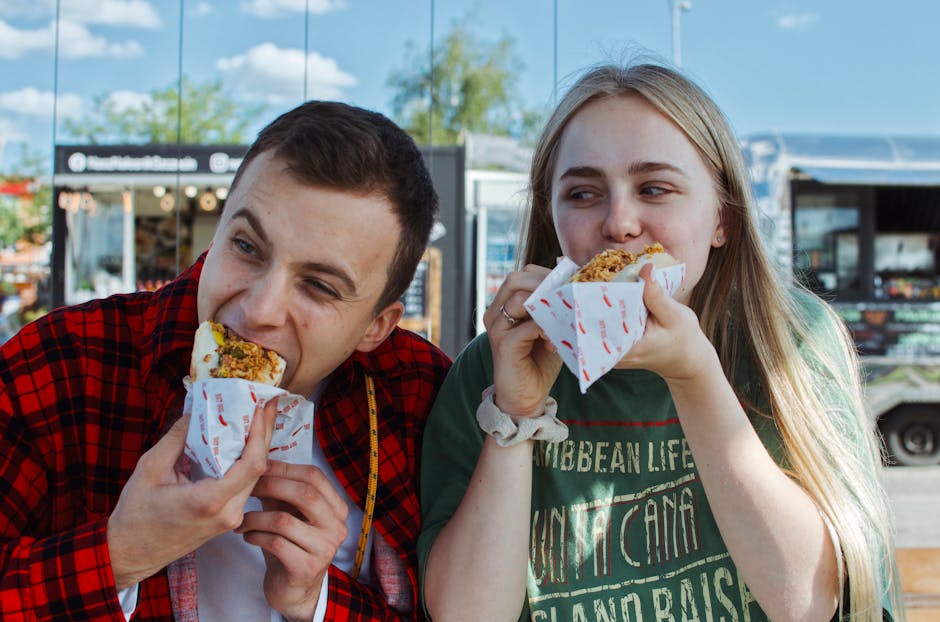
Warning: Street food is generally safe, but choose busy stalls with high turnover. Drink bottled water and avoid ice in drinks.
5. Istanbul, Turkey: Where East Meets West
Istanbul’s food scene reflects its unique position between Europe and Asia. The city blends Ottoman palace cuisine with Balkan, Middle Eastern, and Central Asian influences. Every meal feels like a journey through empires.
Start with a Turkish breakfast: olives, tomatoes, cucumbers, kaymak (clotted cream), and simit (sesame bread rings). Then explore the Spice Bazaar for saffron, dried apricots, and lokum (Turkish delight).
Try döner kebab from a local dönerci, not a tourist trap. Better yet, seek out lahmacun (Turkish pizza) or manti (tiny meat dumplings in yogurt sauce). For dessert, warm baklava with a cup of strong Turkish coffee.
Evening brings meze—small plates served with raki, an anise-flavored spirit. Share dishes like hummus, eggplant salad, and stuffed grape leaves at a traditional meyhane.
6. Paris, France: The Art of French Gastronomy
Paris is synonymous with fine dining, but its true culinary charm lies in bistros, patisseries, and neighborhood boulangeries. The city treats food as an art form, with strict standards for bread, cheese, and wine.
Begin with a fresh baguette from a local boulangerie—look for the “Artisan Boulanger” label. Pair it with Camembert or Comté cheese from a fromagerie. For lunch, try a croque-monsieur or steak frites at a zinc-bar bistro.
Don’t miss the patisseries: Ladurée for macarons, Pierre Hermé for innovative flavors, and Du Pain et des Idées for rustic pastries. For dinner, book a table at a traditional brasserie for coq au vin or duck confit.
Tip: Many restaurants close on Sundays and Mondays. Always check opening hours. Tipping is included in the bill, but rounding up is appreciated.
7. Mumbai, India: A Spice-Fueled Adventure
Mumbai’s food scene is as chaotic and vibrant as the city itself. From buttery pav bhaji to tangy pani puri, every bite tells a story of migration, religion, and street culture. It’s a city where food is fast, flavorful, and deeply personal.
Start at Chowpatty Beach for chaat—spicy, sweet, and sour snacks served on paper plates. Try bhel puri (puffed rice with tamarind sauce) or sev puri (crispy discs with chutneys). Then visit Mohammed Ali Road for kebabs and biryani during Ramadan.
For breakfast, grab vada pav (spicy potato fritter in a bun) or idli with coconut chutney. In South Mumbai, sample Parsi dishes like dhansak or patra ni machhi (fish in banana leaf).
Warning: Street food is delicious but can be intense for sensitive stomachs. Stick to busy vendors and avoid raw salads. Drink only bottled water.
8. Lima, Peru: The Gastronomic Capital of South America
Lima has emerged as a global food destination, blending indigenous ingredients with Spanish, African, Chinese, and Japanese influences. The result is a cuisine that’s both familiar and entirely unique.
Start with ceviche—fresh fish “cooked” in lime juice, served with sweet potato and corn. Visit Mercado de Surquillo for seafood stalls and exotic fruits like lucuma and chirimoya.
Try lomo saltado (stir-fried beef with tomatoes and fries) or ají de gallina (creamy chicken stew). For a modern twist, dine at Central or Maido, two of the world’s best restaurants.
Don’t leave without trying pisco sour, Peru’s national cocktail. Pair it with anticuchos (grilled beef heart skewers) for a true local experience.
9. Seoul, South Korea: Bold, Fermented, and Addictive
Seoul’s food culture is built on fermentation, spice, and communal dining. From sizzling Korean BBQ to bubbling hot pots, meals are shared, social, and deeply satisfying.
Begin with a visit to Gwangjang Market for bindaetteok (mung bean pancakes) and mayak gimbap (addictive seaweed rice rolls). Then try kimchi jjigae (fermented cabbage stew) or tteokbokki (spicy rice cakes).
For dinner, book a Korean BBQ experience where you grill your own meat at the table. Pair it with soju and banchan (small side dishes). Don’t miss street food like hotteok (sweet pancakes) in winter.
Tip: Meals often include multiple dishes. Pace yourself—there’s always more coming. Tipping is not expected.
10. Marrakech, Morocco: Aromatic and Exotic
Marrakech seduces the senses with its spice-laden air, bustling souks, and rooftop restaurants overlooking the medina. Moroccan cuisine is a blend of Berber, Arab, and French traditions, centered around slow-cooked stews and fragrant bread.
Start at Jemaa el-Fnaa at night, when food stalls come alive with grilled meats, snail soup, and orange juice. Try tagine—slow-cooked lamb or chicken with prunes, almonds, or apricots—served in a clay pot.
For breakfast, enjoy msemen (flaky flatbread) with honey and mint tea. Visit a local bakery for khobz (round bread) and chebakia (honey-soaked cookies).
Evening is best spent in a riad courtyard, dining on pastilla (savory-sweet pigeon pie) and listening to live Gnawa music.
How to Plan Your Food-Focused Trip
Traveling for food requires a different approach than typical tourism. It’s not just about seeing sights—it’s about tasting, smelling, and experiencing a place through its cuisine.
Start by researching local specialties and seasonal ingredients. Use food blogs, local guides, and apps like The Infatuation or Eatwith to find authentic spots. Avoid relying solely on TripAdvisor—locals rarely use it.
Book food tours led by locals. They offer access to hidden gems and cultural insights you won’t find in guidebooks. Many include market visits, cooking classes, or home dinners.
Pack an open mind—and a flexible stomach. Be willing to try unfamiliar dishes, even if they look unusual. Some of the best meals come from unexpected places.
Finally, travel during local food festivals when possible. Events like Bangkok’s Street Food Festival or Rome’s Sagra del Tartufo (truffle festival) offer concentrated culinary experiences.
What to Pack for a Foodie Adventure
Smart packing can enhance your culinary journey. Bring a reusable water bottle with a filter to stay hydrated and reduce plastic use. A small notebook helps you record favorite dishes and restaurant names.
Pack probiotics or digestive enzymes if you’re prone to stomach issues. Over-the-counter remedies like Pepto-Bismol can be lifesavers in a pinch.
Comfortable shoes are essential—many food markets require walking. A lightweight scarf or shawl can double as a picnic blanket or market bag.
Consider a portable chopstick set or reusable utensils for street food. They’re eco-friendly and often more hygienic than disposable options.
Safety Tips for Eating Abroad
Foodborne illness can ruin a trip, but most issues are preventable. Stick to busy restaurants and street stalls with high turnover—fresh food sells fast.
Avoid tap water, ice cubes, and raw vegetables in countries with questionable water quality. Peel fruits yourself or choose cooked options.
Carry hand sanitizer and use it before eating. Wash hands frequently, especially after using public restrooms or handling money.
If you have food allergies, learn key phrases in the local language. Carry a translation card that lists your allergens clearly.
When in doubt, choose hot, freshly cooked meals over cold or pre-prepared items. Trust your instincts—if something looks off, skip it.
Final Thoughts
The world’s best food destinations offer more than great meals—they provide windows into culture, history, and human connection. Whether you’re slurping ramen in Tokyo or sharing tagine in Marrakech, every bite is a story.
Travel slowly. Eat mindfully. Ask locals for recommendations. And above all, savor the experience. The most memorable trips aren’t measured in miles, but in flavors.
FAQ
What are the safest street food destinations for first-time travelers?
Bangkok, Tokyo, and Mexico City are excellent choices for first-time street food explorers. All three cities have high hygiene standards, English-speaking vendors in tourist areas, and a strong culture of street dining. Start with popular, busy stalls and avoid raw items if you’re unsure.
How can I avoid food poisoning while traveling?
Choose busy restaurants with high turnover, drink bottled or filtered water, avoid ice in drinks, and eat food that’s freshly cooked and served hot. Carry hand sanitizer and probiotics. If you feel unwell, rest, hydrate, and seek medical help if symptoms persist.
Are food tours worth the cost?
Yes, especially in cities with complex food cultures like Istanbul or Seoul. Local guides provide access to hidden spots, explain cultural context, and help navigate language barriers. Many tours include tastings, market visits, and cooking demos—offering great value for the experience.