Ultimate Adventure Travel Guide for Thrill Seekers Worldwide
For travelers who crave adrenaline, remote landscapes, and unforgettable challenges, the Ultimate Adventure Travel Guide for Thrill Seekers Worldwide offers a practical roadmap to the planet’s most exhilarating destinations and activities. Exploring adventure travel destinations reveals important insights. Whether you’re drawn to high-altitude climbs, deep-sea dives, or jungle treks, this guide covers essential planning tips, safety considerations, gear recommendations, and top locations—so you can pursue adventure with confidence and clarity.
What Defines Adventure Travel?
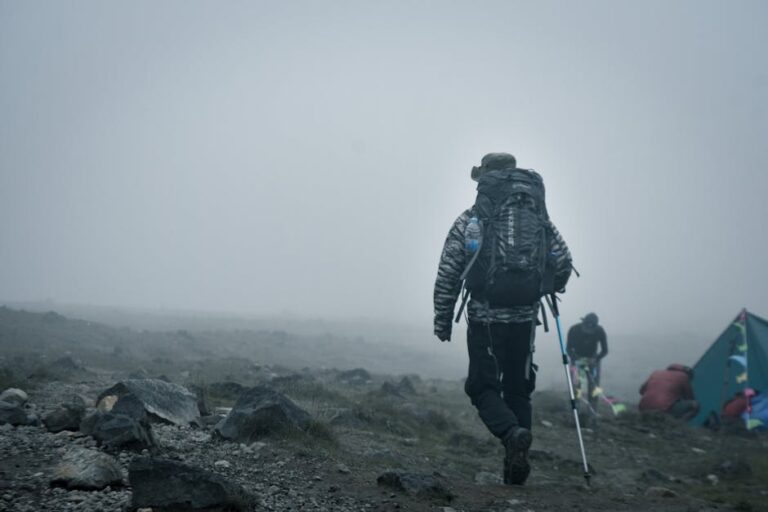
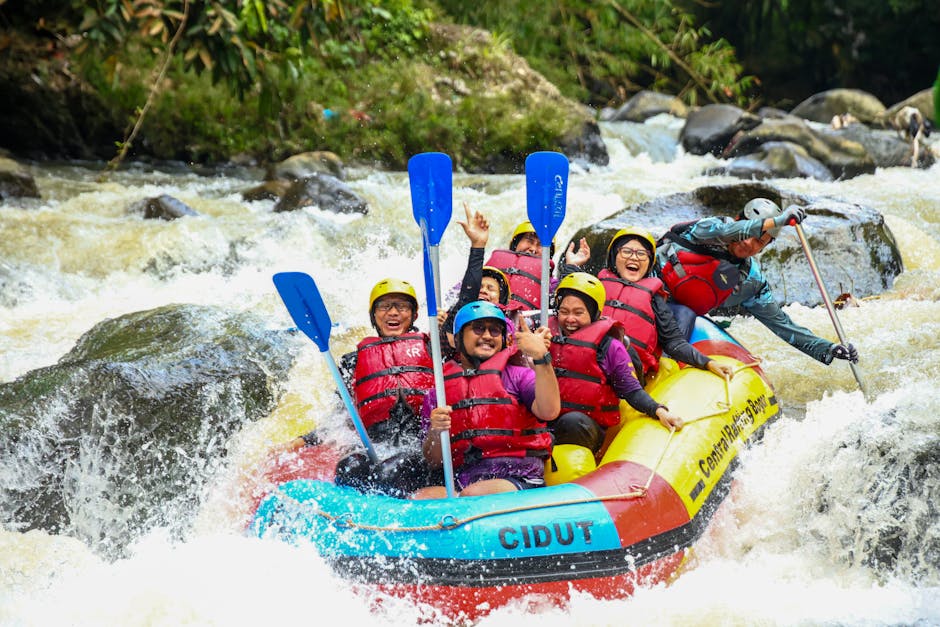
Adventure travel goes beyond typical tourism. It involves physical activity, cultural immersion, and stepping outside your comfort zone—often in natural or remote environments. Unlike luxury or leisure travel, adventure trips prioritize challenge, discovery, and personal growth. Common elements include hiking, mountaineering, whitewater rafting, scuba diving, paragliding, and wildlife safaris.
While “adventure” means different things to different people, most thrill seekers share a few traits: a desire for authentic experiences, a willingness to embrace uncertainty, and a respect for nature and local communities. The best adventure trips balance excitement with responsibility, ensuring both traveler safety and environmental sustainability.
Top Adventure Destinations Around the Globe
Choosing where to go depends on your interests, fitness level, and risk tolerance. Below are five standout destinations, each offering unique challenges and rewards.
1. Patagonia, Chile & Argentina
Patagonia is a mecca for hikers and climbers. The Torres del Paine Circuit in Chile and the Fitz Roy Range in Argentina offer rugged terrain, glacial lakes, and unpredictable weather. The W Trek is a popular multi-day hike, while experienced climbers may attempt Cerro Torre or Mount Fitz Roy. Be prepared for strong winds and rapid temperature shifts—proper layering and waterproof gear are essential.
2. Queenstown, New Zealand
Known as the “Adventure Capital of the World,” Queenstown delivers bungee jumping, skydiving, jet boating, and mountain biking. The Kawarau Bridge is where commercial bungee jumping began, and the Shotover River offers some of the world’s most thrilling jet boat rides. For a more serene but equally stunning experience, hike the Routeburn Track through Fiordland and Mount Aspiring National Parks.
3. Nepal – Himalayan Treks and Mount Everest Base Camp
Nepal remains the ultimate destination for high-altitude adventurers. The Everest Base Camp trek takes about two weeks and reaches elevations over 5,300 meters. While you won’t summit Everest, the journey through Sherpa villages, suspension bridges, and glacial moraines is transformative. Acclimatization is critical—many travelers experience altitude sickness if they ascend too quickly. Guides and porters are highly recommended.
4. Moab, Utah, USA
Moab is a playground for off-road enthusiasts and rock climbers. Slickrock trails, red sandstone canyons, and the Colorado River make it ideal for mountain biking, canyoneering, and 4×4 expeditions. Arches and Canyonlands National Parks offer iconic landscapes, but summer heat can exceed 100°F—early morning starts and ample hydration are non-negotiable.
5. Raja Ampat, Indonesia
For underwater adventurers, Raja Ampat is unmatched. This remote archipelago in West Papua boasts the highest marine biodiversity on Earth. Scuba divers can explore coral reefs, swim with manta rays, and encounter rare species like the walking shark. Liveaboard boats are the best way to access dive sites, but travel requires careful planning due to limited infrastructure.
Essential Planning Steps for Your Adventure Trip
Successful adventure travel starts with thorough preparation. Rushing into a trip without research or training can lead to injury, disappointment, or worse. Follow these steps to increase your chances of a safe and rewarding experience.
1. Assess Your Fitness and Skill Level
Be honest about your physical condition and experience. A trek to Everest Base Camp requires cardiovascular endurance and mental resilience, while scuba diving in Raja Ampat demands certification and comfort in open water. If you’re new to an activity, consider a training course or guided introductory trip.
2. Research Local Conditions and Regulations
Weather, terrain, and political stability vary widely. Check seasonal patterns—monsoon seasons in Southeast Asia or winter snow in the Alps can make certain routes impassable. Some countries require permits for trekking or diving; others restrict access to protected areas. Always verify visa requirements and travel advisories.
3. Choose the Right Guide or Tour Operator
For high-risk activities or remote destinations, hiring a certified guide is strongly advised. Look for operators with strong safety records, local knowledge, and positive reviews. In Nepal, for example, registered trekking agencies provide trained guides and support staff. Avoid unlicensed operators—they may cut corners on safety or equipment.
4. Pack Smart: Gear That Makes a Difference
Quality gear can mean the difference between comfort and crisis. Focus on essentials:
- Footwear: Sturdy, broken-in hiking boots or approach shoes with good grip.
- Clothing: Moisture-wicking base layers, insulating mid-layers, and a waterproof outer shell.
- Navigation: GPS device, map, and compass—don’t rely solely on smartphone apps.
- Safety: First-aid kit, headlamp, whistle, and emergency shelter (like a bivy sack).
- Hydration: Water filter or purification tablets, especially in areas with unsafe tap water.
Test your gear before departure. A tent that leaks in your backyard is better discovered at home than on a mountain ridge.
Safety First: Minimizing Risks in the Wild
Adventure travel inherently involves risk, but most dangers are manageable with preparation. Exploring adventure travel destinations reveals important insights. Here’s how to stay safe without sacrificing the thrill.
Know the Signs of Common Hazards
Altitude sickness, dehydration, hypothermia, and heatstroke are among the most frequent issues. Symptoms of altitude sickness include headache, nausea, and dizziness—descend immediately if they worsen. In hot climates, drink water regularly, even if you don’t feel thirsty. In cold environments, watch for shivering, confusion, or slurred speech, which may indicate hypothermia.
Communicate Your Plans
Always tell someone reliable about your itinerary, including where you’re going and when you expect to return. In remote areas, carry a satellite communicator like a Garmin inReach or SPOT device. These allow you to send SOS signals and share your location, even without cell service.
Respect Wildlife and Local Customs
Keep a safe distance from animals—never feed or approach them. In regions with indigenous communities, learn basic cultural norms. In Bhutan, for example, pointing your feet at people or religious objects is considered disrespectful. When in doubt, observe and follow local behavior.
Budgeting for Adventure: Costs You Can’t Ignore
Adventure travel can be expensive, but costs vary widely. A self-guided trek in Peru might cost under $1,000, while a guided expedition to Antarctica can exceed $15,000. Plan for these key expenses:
- Flights: International and domestic travel, especially to remote areas.
- Permits and Fees: National park entries, climbing permits, or diving licenses.
- Guides and Porters: Essential in many destinations; factor in tips.
- Gear: Rent or buy—prioritize safety-critical items.
- Insurance: Comprehensive travel insurance with adventure coverage is a must.
Travel insurance should cover medical evacuation, trip cancellation, and high-risk activities. Standard policies often exclude mountaineering, skydiving, or scuba diving—read the fine print carefully.
Eco-Conscious Adventure: Travel Responsibly
Thrill seekers have a responsibility to protect the environments they explore. Over-tourism, litter, and habitat disruption are real threats in popular destinations.
Follow the Leave No Trace principles: pack out all trash, stay on marked trails, and avoid disturbing wildlife. Support local conservation efforts by choosing eco-certified tour operators or donating to park foundations. In places like Galápagos or Bhutan, tourism revenue funds preservation—your visit can make a positive impact when done right.
Training and Skill Building Before You Go
Even experienced travelers benefit from targeted training. If you’re planning a multi-day trek, build endurance with regular hikes carrying a loaded backpack. For water-based adventures, practice swimming in open water and learn basic rescue techniques. Rock climbers should practice belaying and rappelling in a controlled setting.
Many outdoor centers and community colleges offer courses in wilderness first aid, navigation, and survival skills. These not only boost confidence but can be lifesaving in emergencies.
Seasonal Considerations: When to Go Where
Timing affects safety, accessibility, and experience quality. Use this quick reference:
| Destination | Best Time to Visit | Why |
|---|---|---|
| Nepal (Everest Base Camp) | March–May, September–November | Stable weather, clear skies, minimal rain |
| Patagonia | November–March (Southern Summer) | Milder temperatures, longer daylight |
| Raja Ampat | October–April | Calm seas, best visibility for diving |
| Moab, Utah | March–May, September–October | Avoid extreme summer heat |
| Queenstown | December–February (Summer) | Ideal for outdoor activities |
Final Tips for the Aspiring Thrill Seeker
Adventure travel is as much about mindset as it is about action. Stay flexible—weather delays, route changes, and unexpected challenges are part of the journey. Embrace discomfort as a sign of growth. And remember: the most memorable adventures often come from moments of uncertainty, not just summit views or record speeds.
Start small if you’re new. A weekend backpacking trip or a local rock climbing session can build confidence for bigger goals. Document your experiences, but don’t let photography distract from being present. Finally, travel with respect—for nature, for cultures, and for your own limits.
FAQ
What should I do if I get injured during an adventure trip?
Stop activity immediately, assess the injury, and administer first aid if trained. Use a satellite communicator to call for help if in a remote area. Always carry a first-aid kit and know basic emergency procedures. Travel insurance with medical evacuation coverage is essential.
Do I need special insurance for adventure travel?
Yes. Standard travel insurance often excludes high-risk activities. Purchase a policy that specifically covers your planned adventures, including medical evacuation, trip interruption, and gear loss. Verify coverage for activities like scuba diving, mountaineering, or skydiving.
How do I choose a reliable adventure tour operator?
Look for certifications (e.g., from the International Ecotourism Society or local guiding associations), read verified reviews, and ask about safety protocols, guide qualifications, and group sizes. Avoid operators with vague itineraries or pressure to book quickly.