Top Adventure Travel Destinations for Mountain Lovers
If you’re drawn to rugged peaks, crisp alpine air, and trails that test your limits, you’re not alone. Mountain lovers seek destinations that blend natural beauty with real adventure—places where every step brings a new view and every summit feels earned. From the Himalayas to the Rockies, the world offers countless options for hikers, climbers, and outdoor enthusiasts. This guide highlights the top adventure travel destinations for mountain lovers, focusing on accessibility, trail quality, safety, and unique experiences. Whether you’re a seasoned mountaineer or a weekend trekker, these locations deliver unforgettable journeys into the heart of the wild.
The Himalayas: Where Earth Meets Sky
The Himalayas are the ultimate destination for mountain adventurers. Spanning five countries, this range includes the world’s highest peaks, including Mount Everest and K2. For travelers, the region offers a mix of spiritual depth, cultural richness, and extreme terrain.
Everest Base Camp, Nepal
The Everest Base Camp trek is one of the most iconic mountain journeys in the world. Over 12–14 days, hikers traverse Sherpa villages, cross suspension bridges over roaring rivers, and reach altitudes above 5,000 meters. The trail ends at the base of the world’s tallest peak, offering views of Everest, Lhotse, and Ama Dablam.
Best time to go: March to May and September to November. Avoid monsoon season and winter due to snow and cold. Altitude sickness is a real risk—acclimatize slowly and consider hiring a local guide.
Langtang Valley, Nepal
Less crowded than Everest, Langtang offers stunning glaciers, dense forests, and views of Langtang Lirung. The valley was affected by a 2015 earthquake, but recovery efforts have restored trails and lodges. It’s ideal for trekkers seeking solitude and authentic mountain culture.
The trek takes 7–10 days and reaches 3,800 meters. Pack warm clothing—nights drop below freezing even in summer.
Zanskar Range, India
Hidden in Ladakh, the Zanskar Range is a high-altitude desert surrounded by snow-capped peaks. The Chadar Trek—walking on the frozen Zanskar River—is a winter-only adventure that draws thrill-seekers from around the globe.
Temperatures can drop to -30°C. Only experienced trekkers should attempt this route. Proper gear and a certified guide are essential.
The Andes: South America’s Spine
Stretching over 7,000 kilometers, the Andes are the longest mountain range on Earth. They offer diverse landscapes—from tropical cloud forests to arid plateaus—and some of the most rewarding treks in the Americas.
Torres del Paine, Chile
This national park in Patagonia is a magnet for hikers. The W Trek—a 5–7 day loop—passes granite towers, turquoise lakes, and glaciers. Wildlife includes guanacos, foxes, and Andean condors.
Weather is unpredictable. Wind speeds can exceed 100 km/h. Book refugios (mountain huts) in advance, especially in peak season (December to February).
Huascarán National Park, Peru
Home to Peru’s highest peak, Huascarán, this park offers high-altitude trails and glacial lakes. The Santa Cruz Trek is a 4-day route that crosses passes over 4,700 meters.
Altitude affects many travelers. Spend a few days in Huaraz (3,050m) before starting. Hydrate well and avoid alcohol.
El Chaltén, Argentina
Known as the “Trekking Capital of Argentina,” El Chaltén sits at the foot of Mount Fitz Roy. Trails range from easy walks to multi-day climbs. The Laguna de los Tres hike offers a classic view of Fitz Roy at sunrise.
No entrance fees or permits required. Camping is allowed in designated areas. Bring a good tent—winds are strong.
The Alps: Europe’s Alpine Playground
The Alps may not reach Himalayan heights, but they offer some of the most accessible and well-maintained mountain trails in the world. With a strong network of huts, cable cars, and marked paths, the region is perfect for both beginners and experts.
Mont Blanc Massif, France/Italy
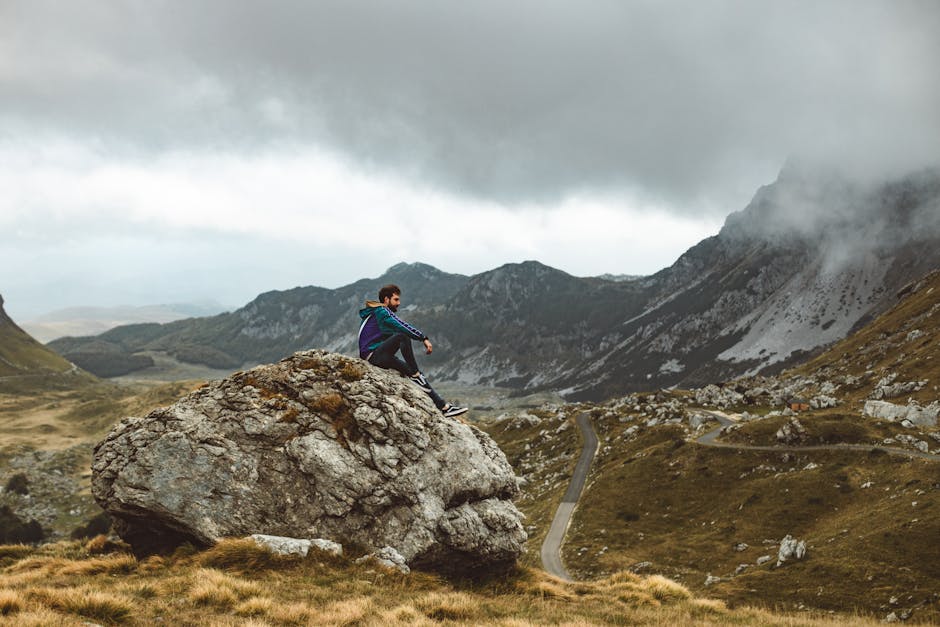
The Tour du Mont Blanc circles the massif over 11 days, passing through France, Italy, and Switzerland. Hikers enjoy alpine meadows, glacial valleys, and views of Western Europe’s highest peak.
Refugios are comfortable but fill up fast. Reserve months ahead. The trail is moderate but involves long daily distances—15–20 km per day.
Swiss Alps, Switzerland
Switzerland’s alpine infrastructure is unmatched. The Haute Route from Chamonix to Zermatt combines high passes, mountain huts, and views of the Matterhorn. Trains and gondolas make logistics easier.
Best from July to September. Trails are well-marked, but weather can change quickly. Carry rain gear and a map.
Dolomites, Italy
Famous for their dramatic limestone formations, the Dolomites offer via ferratas (protected climbing routes) and scenic hikes. The Tre Cime di Lavaredo loop is a must-do, with views of jagged spires and alpine lakes.
Via ferratas require helmets, harnesses, and climbing ladders. Rent gear in towns like Cortina d’Ampezzo. Summer is ideal, but autumn colors are stunning.
The Rockies: North America’s Backbone
From Alaska to New Mexico, the Rocky Mountains span over 4,800 kilometers. They offer vast wilderness, diverse ecosystems, and some of the best backcountry experiences in the U.S. and Canada.
Banff and Jasper National Parks, Canada
These adjacent parks in Alberta are a hiker’s paradise. The Skyline Trail in Jasper is a 2–3 day trek above the treeline, with panoramic views and wildlife sightings. In Banff, the Plain of Six Glaciers offers a moderate hike with tea house access.
Wildlife is abundant—bears, elk, and mountain goats. Carry bear spray and make noise on trails. Permits are required for backcountry camping.
Colorado’s Fourteeners, USA
Colorado has 58 peaks over 14,000 feet. Mount Elbert is the easiest, while Longs Peak is technical and requires climbing skills. Most hikes take 6–10 hours and start before dawn.
Afternoon thunderstorms are common. Start early and descend by noon. Check weather forecasts and trail conditions.
Glacier National Park, Montana
Known as the “Crown of the Continent,” this park features rugged peaks, alpine lakes, and over 700 miles of trails. The Highline Trail offers 11.8 miles of exposed ridgeline with drop-offs on one side.
Snow can linger into July at higher elevations. Check trail status before heading out. Shuttle service reduces parking stress.
The Southern Alps: New Zealand’s Wild Frontier
New Zealand’s South Island is dominated by the Southern Alps, a dramatic range shaped by glaciers and tectonic forces. The region is famous for its film locations, but the real draw is the raw, untouched beauty.
Milford Track, Fiordland
Often called the “finest walk in the world,” the Milford Track is a 4-day, 53.5-kilometer journey through rainforests, waterfalls, and alpine passes. It ends at Milford Sound, a fjord surrounded by towering cliffs.
Book the Great Walk pass well in advance—only 40 hikers per day are allowed. Guided and independent options are available.
Aoraki / Mount Cook National Park
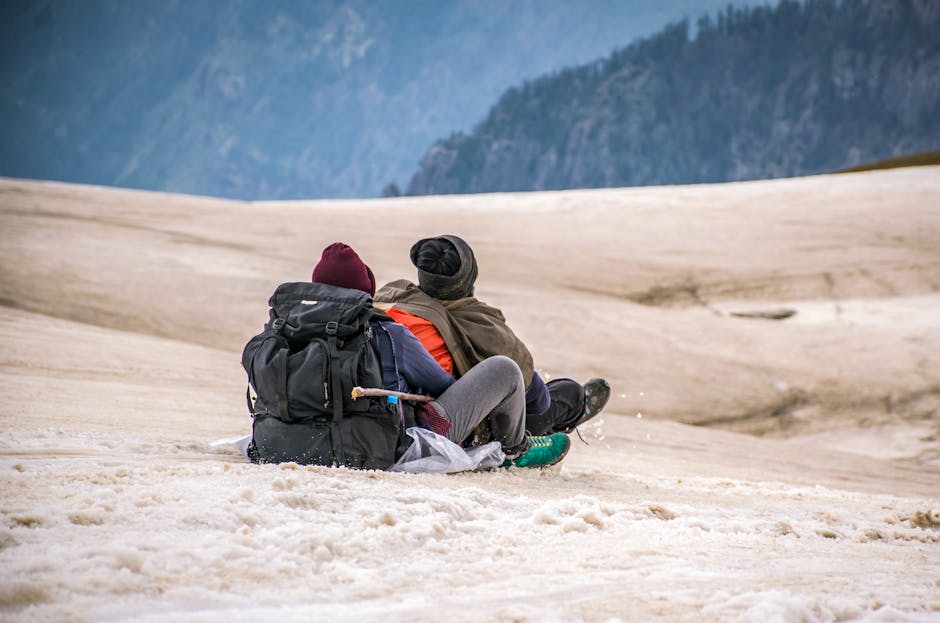
Home to New Zealand’s highest peak, this park offers challenging climbs and scenic hikes. The Hooker Valley Track is an easy 3-hour round trip with views of glaciers and Mount Cook.
Weather changes fast. Wind and rain are common. Dress in layers and carry emergency gear.
Routeburn Track
This 32-kilometer trail links Fiordland and Mount Aspiring National Parks. It crosses alpine passes, beech forests, and river valleys. Most hikers complete it in 2–3 days.
Great Walk status means limited permits. Reserve early through the Department of Conservation.
The Caucasus: Europe’s Hidden Peaks
The Caucasus Mountains sit between the Black and Caspian Seas, forming a natural border between Europe and Asia. This region is less visited but rich in culture and untouched landscapes.
Greater Caucasus, Georgia and Russia
The Svaneti region in Georgia offers remote villages, medieval towers, and access to peaks over 5,000 meters. The Mestia to Ushguli trek takes 5–7 days and passes through UNESCO-listed sites.
Roads can be poor. Use 4×4 vehicles or local transport. Homestays offer authentic experiences and warm hospitality.
Lesser Caucasus, Armenia
Mount Aragats, Armenia’s highest peak, is a dormant volcano with four summits. The southern crater hike is accessible in summer and offers views of the Armenian highlands.
Few formal trails. GPS and local knowledge help. Best visited from June to September.
East Africa: Volcanic Peaks and High Plateaus
Africa’s highest mountains are volcanic and isolated, offering unique ecosystems and cultural encounters. These destinations require preparation but reward with solitude and raw beauty.
Mount Kilimanjaro, Tanzania
The highest free-standing mountain in the world, Kilimanjaro attracts thousands of climbers each year. The Machame Route is the most popular, taking 6–7 days through rainforest, moorland, and arctic zones.
Altitude is the main challenge. Choose a longer route for better acclimatization. Porters and guides are required.
Mount Kenya, Kenya
An extinct volcano with multiple peaks, Mount Kenya is a UNESCO site and a favorite among climbers. The Sirimon and Naro Moru routes offer different experiences, from scenic valleys to technical ice climbs.
Permits are required and limited. Book through the Kenya Wildlife Service. Climbing above 4,500 meters requires experience.
Safety and Preparation Tips for Mountain Travel
Mountain adventures come with risks. Proper preparation can mean the difference between a successful trip and a dangerous situation. Here’s what every traveler should know.
Know Your Limits
Choose trails that match your fitness and experience. Don’t let peer pressure push you beyond your ability. Many rescues happen because hikers underestimate terrain or weather.
Check Weather and Conditions
Mountain weather is unpredictable. Check forecasts daily and be ready to turn back. Snow, ice, and storms can appear quickly, even in summer.
Pack the Essentials
Always carry the ten essentials: navigation, headlamp, sun protection, first aid, knife, fire starter, shelter, extra food, water, and clothing. A satellite communicator is wise for remote areas.
Respect Local Rules and Culture
Some trails require permits or guides. In many regions, local communities rely on tourism—support them by hiring local guides and buying local products.
Leave No Trace
Pack out all trash, stay on marked trails, and avoid disturbing wildlife. Alpine environments are fragile and slow to recover.
Choosing the Right Destination for You
With so many options, how do you pick the best mountain adventure? Consider your goals, fitness level, and travel style.
For Beginners
Start with well-marked, low-altitude trails. The Dolomites, Swiss Alps, or Colorado’s easier fourteeners are great entry points. Consider guided tours for safety and support.
For Experienced Trekkers
Challenge yourself with multi-day treks in the Himalayas, Andes, or New Zealand. These require endurance, navigation skills, and altitude awareness.
For Climbers
Look for technical routes with established infrastructure. Mont Blanc, Mount Kenya, and the Caucasus offer climbs for various skill levels. Always climb with a partner and proper gear.
For Cultural Immersion
Combine nature with culture in Nepal, Georgia, or Peru. Stay in local villages, learn about traditions, and support community-based tourism.
Final Thoughts
The world’s mountains offer more than just stunning views—they provide a sense of accomplishment, connection to nature, and escape from the everyday. Whether you’re trekking to Everest Base Camp or hiking the Milford Track, each journey shapes you in unexpected ways. The key is to travel responsibly, prepare thoroughly, and stay open to the experience. With the right destination and mindset, your next mountain adventure could be the most memorable yet.
FAQ
What is the best time of year to visit mountain destinations?
It depends on the region. In the Himalayas and Andes, spring and autumn offer stable weather. In the Alps and Rockies, summer (June to September) is ideal. Always check local conditions and avoid monsoon or winter seasons unless prepared for extreme conditions.
Do I need a guide for mountain trekking?
Not always, but highly recommended for remote or high-altitude areas. Guides improve safety, provide local knowledge, and help with logistics. In places like Nepal and Tanzania, guides are often required for popular routes.
How can I prevent altitude sickness?
Ascend slowly, allowing time for acclimatization. Stay hydrated, avoid alcohol, and recognize symptoms like headache, nausea, and dizziness. Descend immediately if symptoms worsen. Consider medication like acetazolamide for high-risk climbs.