
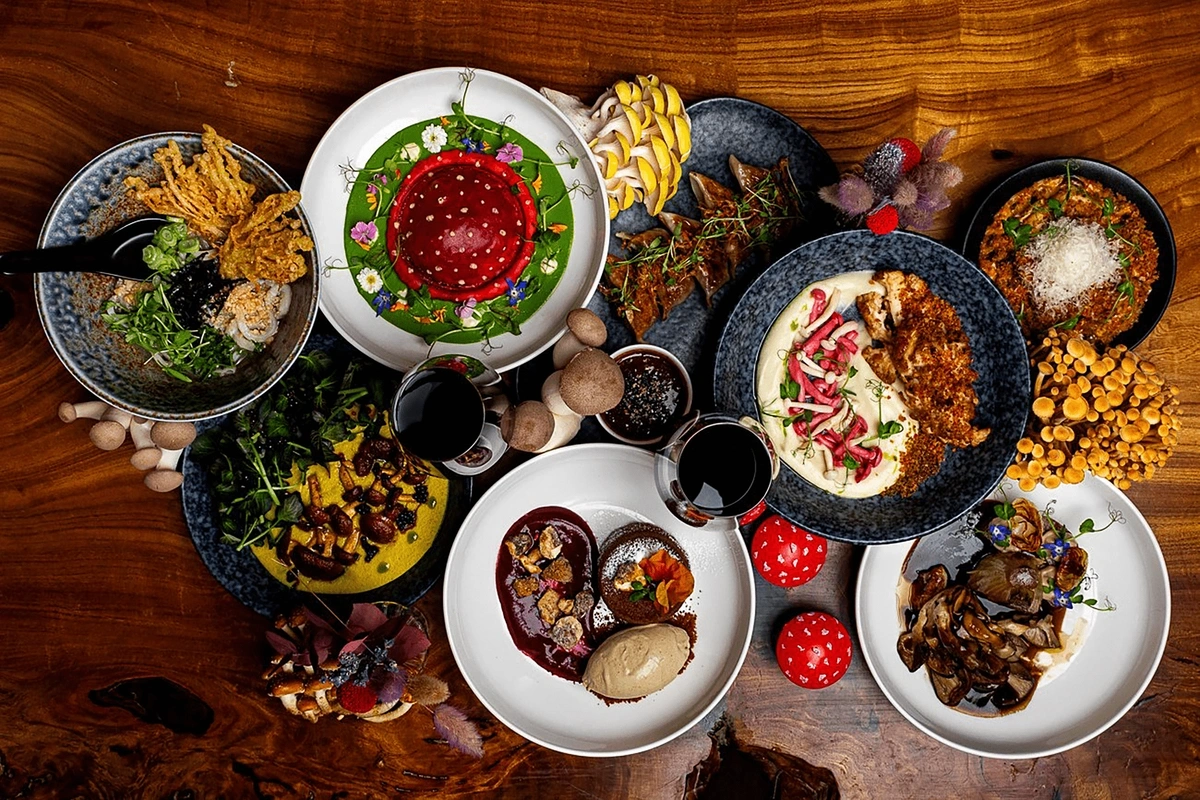

Everyone loves to eat, and the growing number of those willing to travel for excellent food has given rise to gastronomic tourism over the years.
Also referred to as culinary tourism, this booming global sector earned US$80.47 billion in revenues last year, and is on track to generate up to US$143.43 billion by 2032, growing at a compound annual growth rate of 8.6 percent.
The recently updated report from Strategic Market Research attributes this to expanding opportunities in food-focused travel, authentic local dining experiences, culinary festivals, and destination-based gastronomy.
In addition, a report published by Globe Market Research last week on 23rd October reveals that Europe remains the largest region for the sector, accounting for 34 percent of the total global market with revenues at US$9.9 billion.
However, the Asia Pacific is catching up as the region appeals strongly to those seeking authentic and immersive dining experiences.
Singapore, in particular, has set itself up as the region’s culinary epicentre thanks to events like the Singapore Food Festival and the multicultural diversity of its offerings.
As we are heading towards a new year, we take a look at the trends with the potential of shifting the sector’s growth trajectory in 2027.
Heritage flavours are on the menu
Gone are the days when even budget travellers would rely on familiar things like global fast-food chains.
Today’s travellers are more adventurous when it comes to food and they are eschewing conventional restaurant menus in favour of more authentic meals based on local culinary culture and ingredient availability.
According to the Consumer Curiosity Report released last month by food-centric marketing communications firm Curious Plot, around 28 percent of early food adopters have stopped buying international ingredients, switching to more easily available, freshly seasonal, and more reasonably priced local produce.
As Curious Plot’s senior director of food PR Alison Buckneberg puts it: ““[Restaurants and consumers should] look for flavors that travel easily into everyday meals and give consumers an easy way to try something new without feeling they’re taking a financial risk.”
Likewise, a September 2026 report by Kelly Beaton for The Food Institute points out four cuisines that will be intriguing global palates in the coming year:
- Indonesian thanks to its flavorsome qualities, its focus on healthy ingredients and cultural diversity;
- Korean street food which is still on a high thanks to the K-pop / Hallyu 4.0 era will continue to beguile eaters, and gochujang and kimchi continue to make their way into global dining experiences;
- Filipino food is gaining traction, thanks to its strong flavour profiles, dishes based on vinegar, and its fusion of popular Asian and Latin cuisines; and
- West African dishes are templating global palates through menu items that include jollof rice, egusi soup, plantains, and fonio grain.
Eating one’s way into a longer life
Health and wellness are also changing the game when it comes to gastronomic tourism as key elements thereof are being integrated into spa cuisine throughout the world
It is estimated that roughly 97 percent of premium hospitality properties now feature dishes explicitly designed around wellness, skin health, and longevity, utilizing functional ingredients like black sesame, collagen-rich foods, turmeric, and ginger.
At the same time, in keeping with sustainability initiatives, major hotel groups are rolling out regional Plant-Forward food programmes.
These vegetarian / vegan-coded menus were developed in consideration of the deliberate, sustainability-minded dietary changes preferred by Gen Z and Millennial travellers.
Climate resilience in the context of global gastronomy
At the same time, sustainable or regenerative travel is stepping out of just cutting out single-use plastics and potentially dangerous additives from menus.
Instead, the renewed emphasis on eating more sustainably has led to a foray into active agricultural landscape engagement.
One trend that is emerging is pyrogastronomy, essentially food and wine sourced from functional, climate-resilient landscapes.
This includes seeking out vineyards and agricultural estates designed to act as mosaic firebreaks.
At the same time, global gastronomy hubs are prioritising ingredients that buffer local community economies against climate volatility and extreme weather.