Complete Adventure Travel Guide with Tips and Destinations
Adventure travel is more than just a vacation—it’s an immersive experience that challenges your limits, broadens your perspective, and connects you with nature, culture, and yourself. Whether you’re trekking through remote mountain ranges, diving into coral-rich waters, or navigating ancient trails on foot, a complete adventure travel guide equips you with the knowledge, preparation, and inspiration needed to travel safely and meaningfully. This guide covers essential planning steps, top destinations across continents, gear recommendations, safety tips, and practical advice to help you design your next adventure with confidence.
What Is Adventure Travel?
Adventure travel blends physical activity, cultural immersion, and exploration of natural environments. Unlike traditional tourism, it emphasizes authentic, often off-the-beaten-path experiences that require a degree of physical effort and mental resilience. Activities range from moderate hiking and kayaking to high-altitude mountaineering and multi-day jungle expeditions.
Common forms include:
- Trekking and hiking: Multi-day walks through mountains, forests, or deserts (e.g., the Inca Trail to Machu Picchu).
- Water-based adventures: Whitewater rafting, sea kayaking, scuba diving, or surfing in remote locations.
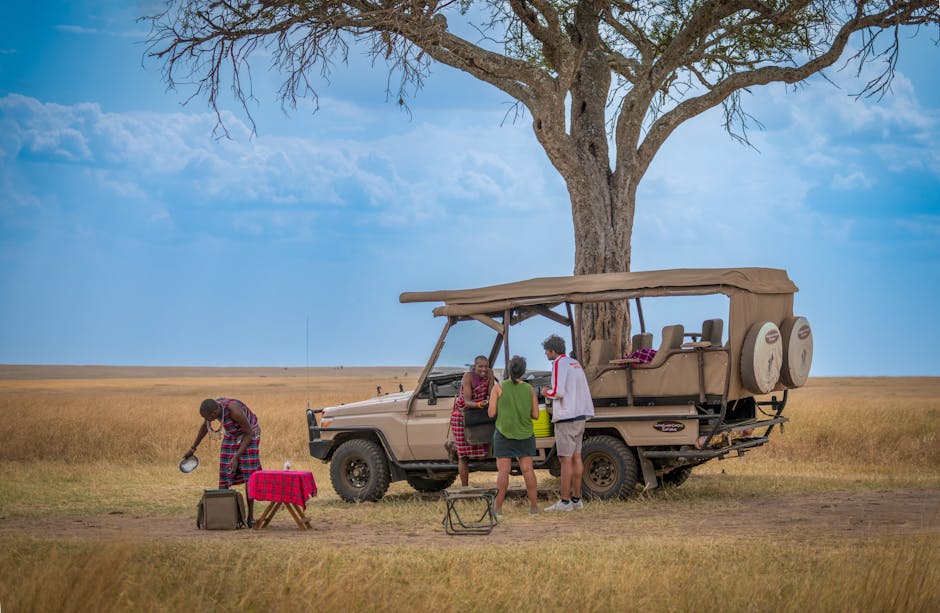
- Wildlife safaris: Observing animals in their natural habitats, such as gorilla trekking in Rwanda or polar bear viewing in Churchill, Canada.
- Climbing and mountaineering: Scaling peaks like Mount Kilimanjaro or attempting technical climbs in the Alps or Himalayas.
- Cultural expeditions: Living with indigenous communities, participating in local traditions, or volunteering in conservation projects.
Adventure travel isn’t defined by extreme risk—it’s about stepping outside your comfort zone in a responsible and sustainable way.
How to Plan Your Adventure Trip
Proper planning is the foundation of a successful adventure. Rushing into a trip without preparation can lead to injury, logistical failures, or environmental harm. Follow these steps to ensure a smooth and rewarding journey.
1. Define Your Adventure Style
Start by identifying what kind of adventure suits your interests, fitness level, and experience. Are you drawn to solitude in the wilderness or group expeditions with guides? Do you prefer physical challenges or cultural discovery?
Ask yourself:
- How many days can I dedicate to travel?
- What’s my budget range?
- Am I comfortable with uncertainty and basic accommodations?
- Do I need a guide, or can I travel independently?
Your answers will help narrow down destinations and activities.
2. Choose the Right Destination
Not all adventure destinations are created equal. Consider climate, seasonality, political stability, and accessibility. For example, trekking in Nepal is best between October and November or March to April, while Patagonia is ideal from November to March.
Use this comparison table to evaluate top regions:
| Region | Best For | Peak Season | Key Considerations |
|---|---|---|---|
| Himalayas (Nepal, Bhutan) | High-altitude trekking, spiritual retreats | Oct–Nov, Mar–Apr | Altitude sickness risk; permits required |
| Amazon Rainforest (Peru, Brazil) | Jungle expeditions, wildlife spotting | May–Sep (dry season) | Insect protection, vaccinations, guided tours recommended |
| Patagonia (Chile, Argentina) | Hiking, glacier trekking, mountaineering | Nov–Mar | Unpredictable weather; pack layers |
| Southeast Asia (Vietnam, Laos) | Cycling, motorbike tours, cave exploration | Nov–Apr | Traffic safety, visa requirements |
| African Safaris (Kenya, Tanzania) | Wildlife viewing, cultural immersion | Jun–Oct (dry season) | Vaccinations, malaria prophylaxis, park fees |
3. Research Local Regulations and Permits
Many adventure destinations require permits, especially for protected areas or high-risk activities. For instance, climbing Mount Kilimanjaro requires a licensed guide and park permit. In Bhutan, all tourists must book through a licensed tour operator and pay a daily tariff.
Always check:
- Visa requirements
- Permit processes (national parks, trekking routes)
- Local customs and dress codes
- Restrictions on photography or drone use
Ignoring these can result in fines, deportation, or denied entry.
4. Build a Realistic Itinerary
A common mistake is overpacking an itinerary. Adventure travel often involves long travel days, unpredictable weather, and physical fatigue. Build in buffer days for rest, delays, or spontaneous detours.
Example: A 10-day trek in Nepal might include:
- Day 1–2: Arrival in Kathmandu, acclimatization, gear check
- Day 3: Fly to Lukla, begin trek to Phakding
- Day 4–7: Trek to Namche Bazaar, Tengboche, Dingboche
- Day 8: Acclimatization day in Dingboche
- Day 9: Trek to Lobuche, then Gorak Shep
- Day 10: Hike to Everest Base Camp, return to Lukla
Always allow extra days for weather delays or illness.
Essential Gear and Packing Tips
Your gear can make or break an adventure. The goal is to pack light but smart—prioritizing durability, versatility, and safety.
Clothing
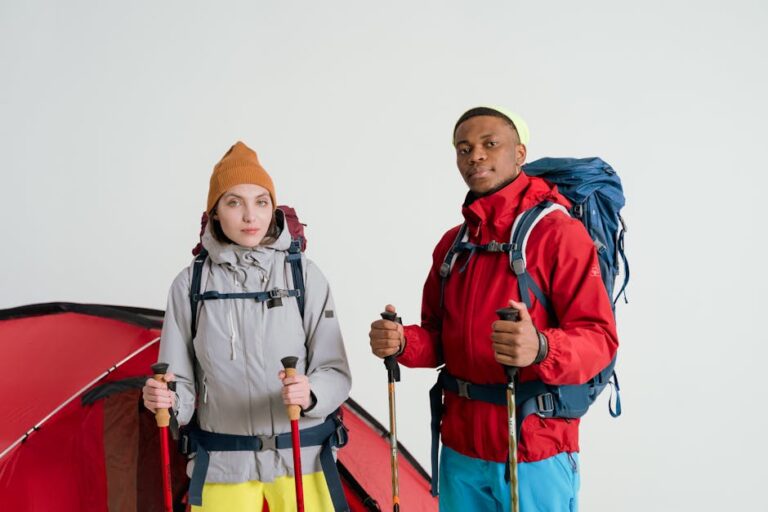
Use the layering system:
- Base layer: Moisture-wicking fabric (merino wool or synthetic)
- Mid layer: Insulation (fleece or down jacket)
- Outer layer: Waterproof and windproof shell
Pack quick-dry pants, a wide-brim hat, and sturdy hiking boots broken in before departure. Avoid cotton—it retains moisture and increases hypothermia risk.
Footwear
Invest in quality footwear suited to your activity. For trekking, choose boots with ankle support and Vibram soles. For water adventures, neoprene water shoes protect against sharp rocks and coral.
Backpack and Storage
A 40–60L backpack is ideal for multi-day treks. Look for adjustable straps, a padded hip belt, and multiple compartments. Use dry bags or waterproof stuff sacks to protect electronics and clothing.
Safety and Navigation Tools
Essential items include:
- GPS device or offline maps (Google Maps, Maps.me)
- Headlamp with extra batteries
- First-aid kit (include blister treatment, antiseptic, pain relievers)
- Emergency whistle and signal mirror
- Portable water filter or purification tablets
Carry a satellite communicator (e.g., Garmin inReach) in remote areas with no cell service.
Electronics
Limit gadgets to essentials: smartphone, camera, power bank, and solar charger if off-grid. Store devices in waterproof cases and keep them charged whenever possible.
Safety and Risk Management
Adventure travel involves inherent risks, but most can be mitigated with preparation and awareness.
Health Precautions
Visit a travel clinic 4–6 weeks before departure. Common vaccinations include hepatitis A, typhoid, and yellow fever (required in some regions). Carry a prescription for antibiotics and antimalarials if traveling to endemic areas.
Stay hydrated and avoid tap water in developing countries. Use bottled or filtered water for drinking and brushing teeth.
Altitude Sickness
Affecting travelers above 2,500 meters, symptoms include headache, nausea, and dizziness. Prevent it by ascending slowly, staying hydrated, and avoiding alcohol. Descend immediately if symptoms worsen.
Wildlife and Environmental Hazards
Research local wildlife risks. In bear country, carry bear spray and store food properly. In snake-prone areas, watch where you step and avoid tall grass at night.
Always follow Leave No Trace principles: pack out all trash, stay on marked trails, and respect wildlife by observing from a distance.
Travel Insurance
Standard policies often exclude high-risk activities. Purchase adventure-specific travel insurance that covers:
- Emergency medical evacuation
- Trip cancellation due to illness or weather
- Gear loss or damage
- Search and rescue operations
Read the fine print—some insurers require proof of guide certification or activity licensing.
Top Adventure Travel Destinations
Here are five standout destinations that offer diverse, high-quality adventure experiences.
1. Nepal – The Himalayan Playground
Home to eight of the world’s ten highest peaks, Nepal is a mecca for trekkers and climbers. The Everest Base Camp trek draws thousands annually, but quieter routes like the Annapurna Circuit or Langtang Valley offer equally stunning scenery with fewer crowds.
Best for: High-altitude trekking, cultural immersion with Sherpa communities, spiritual retreats.
Tip: Hire a local guide or porter—they enhance safety and support the local economy.
2. New Zealand – Adventure Capital of the World
From bungee jumping in Queenstown to multi-day Great Walks like the Routeburn Track, New Zealand offers adrenaline and serenity in equal measure. The country’s well-maintained trails, clean campsites, and friendly locals make it ideal for first-time adventurers.
Best for: Hiking, cycling, water sports, and film-location tourism (Lord of the Rings sites).
Tip: Book Great Walk huts well in advance—they fill up months ahead.
3. Costa Rica – Biodiversity and Adventure
This Central American gem combines lush rainforests, volcanic peaks, and pristine coastlines. Zip-lining through Monteverde Cloud Forest, surfing in Tamarindo, or hiking Arenal Volcano are popular activities.
Best for: Eco-tourism, wildlife spotting, family-friendly adventures.
Tip: Travel during the dry season (December to April) for better trail conditions.
4. Iceland – Land of Fire and Ice
Iceland’s dramatic landscapes—glaciers, waterfalls, geysers, and lava fields—make it a photographer’s dream. Hike across the Fimmvörðuháls trail, explore ice caves in Vatnajökull, or soak in the Blue Lagoon after a long day.
Best for: Glacier trekking, Northern Lights viewing, volcanic exploration.
Warning: Weather changes rapidly—always check forecasts and road conditions (road.is).
5. Peru – Ancient Trails and Andean Peaks
Beyond Machu Picchu, Peru offers the Salkantay Trek, Colca Canyon hikes, and Amazon river expeditions. The country blends natural beauty with deep cultural history.
Best for: Historical treks, indigenous culture, biodiversity.
Tip: Acclimatize in Cusco for 2–3 days before trekking to avoid altitude sickness.
Sustainable Adventure Travel
As adventure tourism grows, so does its impact on fragile ecosystems and local communities. Travelers have a responsibility to minimize harm and support positive change.
Choose Responsible Operators
Book with companies that:
- Employ local guides and staff
- Follow environmental guidelines
- Contribute to conservation or community projects
- Limit group sizes to reduce trail erosion
Look for certifications like Rainforest Alliance, GSTC (Global Sustainable Tourism Council), or local eco-labels.
Reduce Your Environmental Footprint
Carry a reusable water bottle, avoid single-use plastics, and use biodegradable soap. Offset your carbon emissions through reputable programs if flying long distances.
Respect Local Cultures
Learn basic phrases in the local language. Dress modestly in religious or rural areas. Ask permission before photographing people.
Support local economies by buying handmade crafts, eating at family-run restaurants, and staying in community-owned lodges.
Budgeting for Adventure Travel
Adventure trips can range from budget-friendly to luxury. Costs depend on destination, duration, activities, and level of comfort.
Sample daily budgets (excluding international flights):
- Budget: $30–$50/day (hostels, local transport, street food)
- Mid-range: $70–$120/day (guesthouses, guided day tours, restaurants)
- Luxury: $200+/day (eco-lodges, private guides, gourmet meals)
Hidden costs to anticipate:
- Permits and park fees
- Gear rentals or purchases
- Travel insurance
- Tips for guides and porters
- Emergency funds
Start saving early and consider travel rewards credit cards or crowdfunding for major expeditions.
Final Tips for a Successful Adventure
- Train beforehand: Build endurance with regular cardio and strength training.
- Test your gear: Use new equipment on short trips before your main adventure.
- Share your itinerary: Leave a copy with a trusted contact, including check-in dates.
- Stay flexible: Weather, politics, or health may force changes—embrace them as part of the journey.
- Document responsibly: Take photos, but don’t let screens distract from the experience.
Conclusion
A complete adventure travel guide empowers you to explore the world with purpose, safety, and respect. By planning thoughtfully, packing wisely, and choosing destinations that align with your goals, you can embark on journeys that are not only thrilling but also transformative. Whether you’re crossing a glacier, paddling down a wild river, or sharing tea with a mountain village, adventure travel offers rewards that last a lifetime.
FAQ
What’s the best time of year for adventure travel?
It depends on the destination. Generally, aim for dry seasons and moderate temperatures. For example, trek in Nepal in spring or fall, visit Patagonia in summer (November–March), and explore Southeast Asia from November to April.
Do I need a guide for adventure travel?
Not always, but guides are highly recommended for remote, high-risk, or permit-required areas. They enhance safety, provide local knowledge, and often improve the overall experience.
How much does an adventure trip typically cost?
Costs vary widely. Budget trips can run $30–$50 per day, while guided expeditions with gear and lodging may cost $150–$300 per day. International flights, insurance, and permits add to the total.