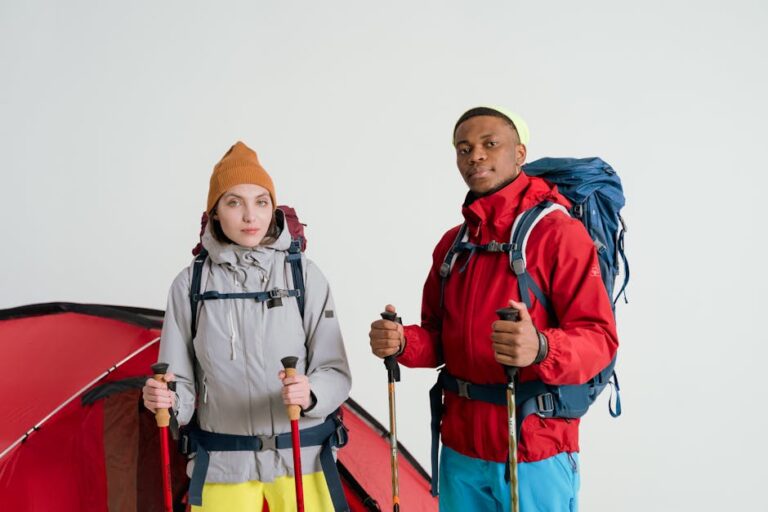
Adventure Travel Guide for Families Who Love the Outdoors
Planning an outdoor adventure with kids doesn’t have to mean compromising on excitement or safety. This adventure travel guide for families who love the outdoors offers practical tips, destination ideas, and preparation strategies to help you create memorable, stress-free experiences in nature. Whether you’re hiking mountain trails, paddling lakes, or camping under the stars, the right planning ensures everyone—from toddlers to teens—can enjoy the journey. We’ll cover essential gear, age-appropriate activities, safety considerations, and real-world examples to help your family explore the wild with confidence.
Why Outdoor Adventure Travel Works for Families
Families who spend time in nature report stronger bonds, improved mental well-being, and increased physical activity. Unlike traditional vacations centered around screens or crowded attractions, outdoor adventures encourage exploration, problem-solving, and shared discovery. Children develop resilience and curiosity, while parents enjoy a break from routine in a natural setting. Research consistently shows that time in green spaces reduces stress and boosts mood for all ages.
Benefits of Nature-Based Family Trips
- Physical health: Hiking, swimming, and biking build endurance and coordination.
- Mental clarity: Natural environments lower cortisol levels and improve focus.
- Family connection: Shared challenges and discoveries foster communication and teamwork.
- Educational value: Kids learn ecology, geography, and survival skills in real time.
Choosing the Right Adventure for Your Family
Not every outdoor trip needs to be a multi-day backcountry trek. The best adventures match your family’s fitness level, interests, and experience. Start small if you’re new to outdoor travel. A weekend car-camping trip with short hikes is a great introduction. More experienced families might enjoy multi-sport itineraries that combine kayaking, biking, and overnight backpacking.
Assess Your Family’s Readiness
Before selecting a destination, ask key questions: How far can your youngest child walk comfortably? Are any family members afraid of water or heights? Do you have access to reliable transportation and emergency support? Be honest about your group’s stamina and comfort zones. Overestimating ability leads to frustration; underestimating limits safe enjoyment.
Match Activities to Age Groups
| Age Group | Recommended Activities | Trip Duration |
|---|---|---|
| Toddlers (2–5) | Nature walks, beach play, easy bike trails, short campouts | 1–2 days |
| Children (6–12) | Hiking, fishing, canoeing, geocaching, wildlife spotting | 2–4 days |
| Teens (13+) | Backpacking, rock climbing, whitewater rafting, mountain biking | 3–7 days |
Top Family-Friendly Outdoor Destinations
Some locations are naturally better suited for families due to accessibility, safety, and variety of activities. These destinations offer a mix of adventure and comfort, with established trails, clean facilities, and nearby medical support.
Yellowstone National Park, USA
Yellowstone combines geothermal wonders with abundant wildlife and well-maintained trails. Families can explore geysers, spot bison and elk, and camp in designated areas. The Grand Loop Road provides easy access to major attractions, and ranger-led programs engage kids with interactive learning. For younger children, the boardwalks around Old Faithful are safe and stroller-friendly.
Banff National Park, Canada
With turquoise lakes, mountain vistas, and extensive trail networks, Banff is ideal for families who enjoy hiking and photography. Lake Louise offers flat, scenic paths suitable for all ages, while Johnston Canyon features stair-stepped trails with waterfalls. Canoe rentals on Lake Minnewanka allow gentle paddling with mountain backdrops. Winter visits open opportunities for snowshoeing and ice walks.
Costa Rica
For families seeking tropical adventure, Costa Rica delivers rainforests, volcanoes, and wildlife. Manuel Antonio National Park has short, shaded trails leading to beaches where monkeys and sloths are commonly seen. Zip-lining tours are available for older kids and teens, while river floats offer calm wildlife viewing. Many eco-lodges provide family cabins and kid-friendly meals.
New Zealand’s South Island
Known for dramatic landscapes, New Zealand offers family-friendly hikes like the Routeburn Track (partial sections) and scenic train rides. Abel Tasman National Park features coastal walks and kayak routes with safe swimming spots. The country’s well-marked trails and reliable weather forecasts make planning easier for international travelers.
Essential Gear for Family Outdoor Adventures
Proper equipment ensures comfort and safety. Focus on versatility, durability, and ease of use. Avoid overpacking—bring only what you’ll realistically use.
Must-Have Items by Category
- Shelter: Family-sized tent with rainfly, ground tarp, and repair kit.
- Sleeping: Sleeping bags rated for expected temperatures, sleeping pads for insulation and comfort.
- Clothing: Layered, moisture-wicking fabrics; rain jackets; hats; extra socks.
- Footwear: Sturdy hiking boots for adults, trail shoes or sneakers for kids (broken in before the trip).
- Navigation: Paper maps, compass, GPS device or smartphone with offline maps.
- Safety: First-aid kit, whistle, headlamps with extra batteries, emergency blanket.
- Hydration & Food: Water filters or purification tablets, reusable bottles, high-energy snacks, portable stove.
Special Considerations for Kids
Children’s gear should fit properly and be lightweight. Use child-sized backpacks with hip belts to distribute weight. Pack favorite snacks and small comfort items to ease transitions. For infants, consider baby carriers rated for hiking. Always test gear at home or on short outings before a long trip.
Safety Tips for Outdoor Family Travel
Safety starts with preparation. Even in well-traveled areas, unexpected situations can arise. Planning reduces risk and builds confidence.
Pre-Trip Preparation
- Check weather forecasts and trail conditions.
- Share your itinerary with a trusted contact.
- Verify cell service coverage and carry a satellite communicator if needed.
- Review basic first aid and emergency procedures with older children.
On the Trail
- Stay together—use a buddy system, especially near water or steep terrain.
- Teach kids to recognize poison ivy, stinging nettles, or local hazards.
- Carry a whistle for each child; practice the international distress signal (three blows).
- Avoid feeding wildlife; store food securely to prevent attracting animals.
Weather and Environmental Hazards
Sudden storms, heat exhaustion, and altitude sickness are real risks. In hot climates, hike early in the day and take frequent water breaks. At high elevations, allow time to acclimate and watch for headaches or nausea. In bear country, carry bear spray and know how to use it. Always follow local guidelines for fire safety and waste disposal.
Planning Your Itinerary: Step-by-Step
A well-structured plan keeps the trip enjoyable and manageable. Use these steps to build a realistic schedule.
Step 1: Define Your Goals
Decide what you want from the trip: relaxation, challenge, education, or bonding. This shapes your destination and activity choices. A family seeking quiet might choose a lakeside campsite; one craving excitement may opt for a canyon rappelling tour.
Step 2: Research Destinations
Use official park websites, guidebooks, and trusted travel forums. Look for family reviews and recent trail reports. Pay attention to permit requirements, entrance fees, and seasonal closures.
Step 3: Book Accommodations and Permits
Popular parks fill quickly. Reserve campsites, cabins, or tours months in advance. Some areas require backcountry permits obtained through lotteries. Have backup options in case your first choice is unavailable.
Step 4: Pack Smart
Create a checklist tailored to your trip length and activities. Pack clothes in waterproof bags. Label all gear with your name. Leave non-essentials at home.
Step 5: Prepare the Kids
Involve children in planning. Let them help choose meals, pick activities, or pack their own small bag. Discuss expectations: how far you’ll hike, where you’ll sleep, and how to behave in nature. Practice setting up the tent or using a compass at home.
Making the Most of Your Adventure
The goal isn’t perfection—it’s presence. Embrace small mishaps as part of the story. A spilled drink or a wrong turn can become a funny memory.
Encourage Exploration
Let kids lead occasionally. Allow time for unstructured play—building stick forts, skipping stones, or watching clouds. These moments often become the trip’s highlights.
Capture Memories Responsibly
Take photos, but don’t let devices dominate the experience. Consider a disposable camera for kids or a shared journal where each family member draws or writes about their day.
Leave No Trace
Teach children the seven principles: plan ahead, travel on durable surfaces, dispose of waste properly, leave what you find, minimize campfire impact, respect wildlife, and be considerate of others. These habits protect nature for future families.
Common Challenges and How to Handle Them
Even the best-planned trips face obstacles. Anticipating issues helps you respond calmly.
Kids Get Bored or Tired
Bring small toys, books, or games for downtime. Take breaks every hour on long hikes. Offer choices: “Do you want to rest here or walk to that tree?” This gives children a sense of control.
Weather Turns Bad
Have a backup plan: indoor museums, visitor centers, or nearby towns with cafes. Pack rain gear and know how to set up a tarp shelter quickly. Never ignore storm warnings.
Gear Fails
Carry duct tape, zip ties, and a multi-tool for quick fixes. Test stoves and lanterns before leaving. If a tent pole breaks, use a stick as a splint. Know when to turn back—safety comes first.
Final Tips for a Successful Family Adventure
Start with short trips close to home to build confidence. Gradually increase distance and difficulty. Celebrate small wins: the first night in a tent, the summit reached, the fish caught. These moments build a lifelong love of the outdoors.
Key Takeaways
- Choose destinations and activities that match your family’s abilities.
- Invest in quality, child-appropriate gear.
- Prioritize safety through preparation and education.
- Stay flexible and embrace the unexpected.
- Focus on connection, not perfection.
Adventure Travel Guide for Families Who Love the Outdoors: A Recap
An adventure travel guide for families who love the outdoors is more than a list of trails—it’s a framework for building confidence, connection, and curiosity. With thoughtful planning, the right gear, and a spirit of exploration, your family can safely enjoy the world’s most beautiful natural spaces. Whether you’re exploring a local forest or trekking across continents, the memories made in nature often last a lifetime.
FAQ
What’s the best age to start taking kids on outdoor adventures?
There’s no strict age limit. Many families begin with short nature walks and car camping as soon as babies can travel safely. Use infant carriers for hikes and prioritize comfort and frequent breaks. The key is starting small and gradually increasing challenge as children grow.
How do I keep my kids engaged during long hikes?
Turn the hike into a game: count animal tracks, collect colorful leaves, or play “I Spy.” Bring a small magnifying glass or binoculars. Let kids carry a light pack with snacks and a water bottle. Frequent stops and praise for effort help maintain motivation.
Is it safe to camp with young children in the wilderness?
Yes, with proper planning. Choose established campgrounds with amenities like restrooms and water. Keep food stored in bear-proof containers or lockers. Supervise children closely near fire, water, or steep areas. Teach them basic safety rules before the trip.