
Wildlife Travel Guide with National Park Tours
Planning a wildlife travel guide with national park tours means combining adventure, education, and conservation in one unforgettable journey. Whether you’re tracking grizzly bears in Alaska, spotting elephants in Kenya, or observing bison in Yellowstone, these experiences offer close encounters with nature’s most remarkable creatures. A well-planned trip balances safety, accessibility, and ethical wildlife viewing—ensuring both traveler satisfaction and animal welfare. This guide covers top destinations, what to expect, how to prepare, and how to choose responsible tour operators.
Why Choose a Wildlife Travel Guide with National Park Tours
National parks protect some of the planet’s most diverse ecosystems, making them ideal settings for wildlife observation. These protected areas limit human impact while offering structured access through ranger-led programs, guided safaris, and designated viewing zones. Unlike unregulated excursions, park-based tours follow strict guidelines that prioritize animal safety and habitat preservation.
Guided wildlife travel provides more than just sightings—it offers context. Knowledgeable guides explain animal behavior, ecosystem dynamics, and conservation challenges. You’ll learn why wetlands matter to migratory birds or how fire regimes shape forest regeneration. This depth transforms a simple photo op into a meaningful experience.
Benefits of Guided Tours Over Independent Exploration
Independent wildlife trips can be rewarding but come with risks. Without local knowledge, you might miss prime viewing times, violate park rules, or unintentionally disturb animals. Guided national park tours eliminate guesswork. Rangers and certified guides know animal patterns, safe distances, and ethical photography practices.
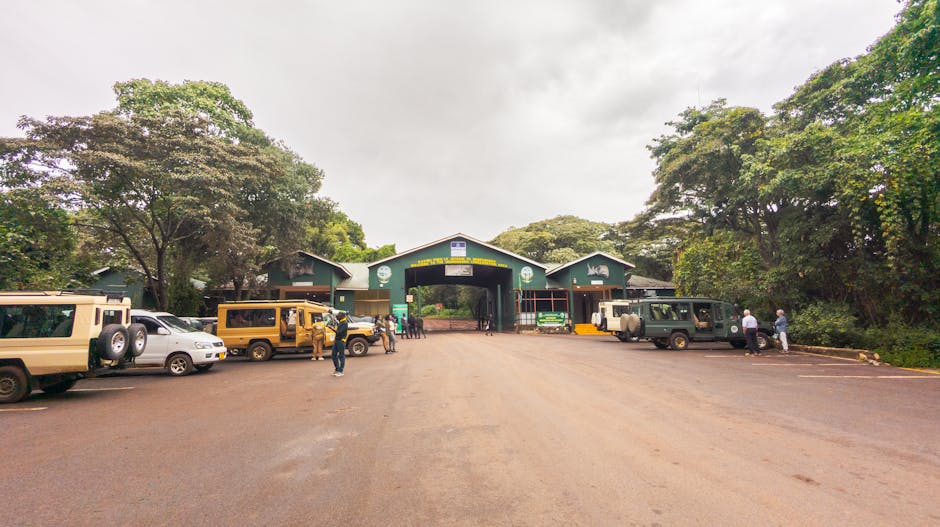
They also enhance accessibility. Many parks require permits, have limited entry points, or restrict vehicle access. Tour operators handle logistics—transportation, permits, lodging—freeing you to focus on the experience. For first-time visitors, this support is invaluable.
Top National Parks for Wildlife Viewing
Not all parks offer the same wildlife opportunities. Some specialize in megafauna, others in birdlife or marine species. Matching your interests to the right destination ensures a fulfilling trip.
Yellowstone National Park, USA
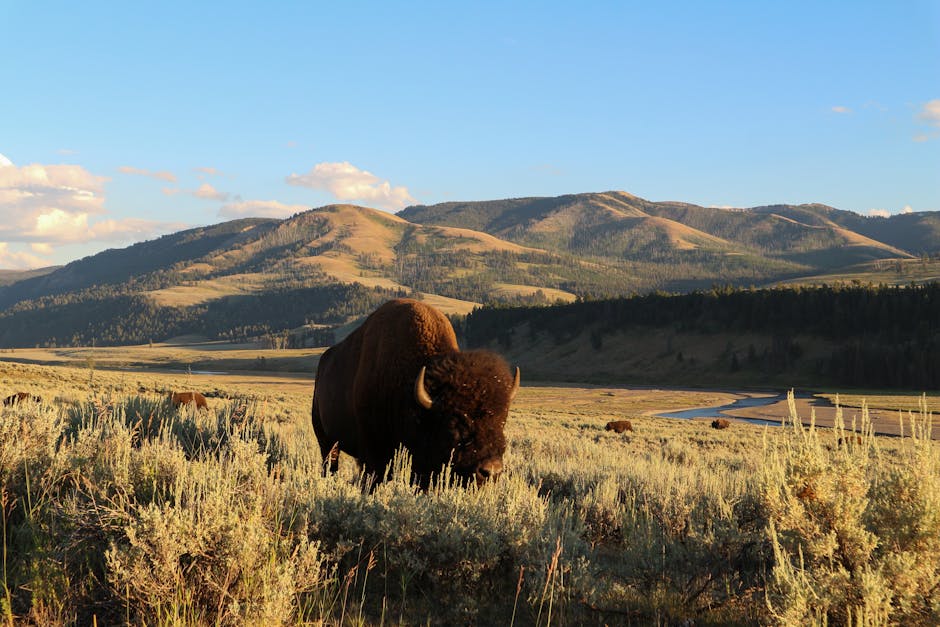
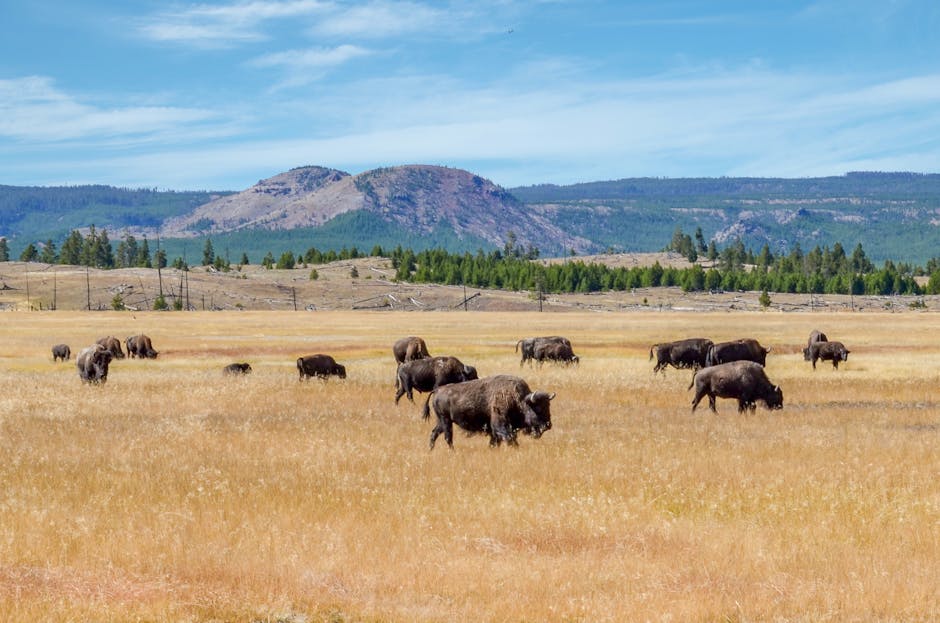
Yellowstone is a cornerstone of North American wildlife tourism. Its geothermal features attract bison, elk, and grizzly bears, while Lamar Valley—often called “America’s Serengeti”—hosts wolf packs and pronghorn. Winter tours offer snowshoe treks to spot bison through steam-covered meadows.
Best time: April–May and September–October for fewer crowds and active animals. Summer brings congestion; winter requires preparation for sub-zero temperatures.
Serengeti National Park, Tanzania
The Serengeti hosts the Great Migration, where over a million wildebeest and zebra cross plains in search of water. Predators like lions, cheetahs, and hyenas follow closely. Game drives at dawn reveal hunting behaviors rarely seen elsewhere.
Stay in mobile camps that move with the herds for front-row access. Avoid peak rainy seasons (March–May) when roads become impassable.
Kruger National Park, South Africa
Kruger offers one of Africa’s most reliable Big Five sightings: lion, leopard, rhinoceros, elephant, and Cape buffalo. Self-drive options exist, but guided night drives increase chances of spotting nocturnal species like civets and genets.
Private concessions within Kruger provide luxury lodges with expert trackers. These areas have lower vehicle density and higher leopard success rates.
Banff National Park, Canada
Banff’s alpine meadows and glacial lakes support grizzlies, black bears, moose, and mountain goats. The Icefields Parkway offers scenic drives with frequent wildlife pullouts. Guided bear-viewing tours in spring focus on emerging cubs.
Always carry bear spray and stay in groups. Feeding wildlife is illegal and dangerous.
Corcovado National Park, Costa Rica
This rainforest sanctuary on the Osa Peninsula shelters jaguars, tapirs, scarlet macaws, and all four Costa Rican monkey species. Access requires a guide and multi-day hike or boat transfer, limiting crowds.
Visit during dry season (December–April) for easier trails and clearer skies. Mosquito-borne illnesses are a concern—pack repellent and long sleeves.
How to Choose the Right Wildlife Tour Operator
Not all tour companies prioritize ethics or quality. A reputable operator enhances your experience; a careless one can harm wildlife or waste your time.
Look for Certifications and Partnerships
Check if the company partners with conservation groups like the International Ecotourism Society or local park authorities. Certifications such as Fair Trade Tourism or Rainforest Alliance signal commitment to sustainability.
Ask whether guides are certified by national park services. In Kenya, for example, only licensed guides can lead safaris in national reserves.
Evaluate Group Size and Vehicle Use
Smaller groups (6–8 people) reduce environmental impact and improve viewing quality. Large convoys stress animals and create noise pollution. Confirm vehicle types—open-sided jeeps offer better visibility than enclosed vans.
Some parks limit daily vehicle entries. Reputable operators secure permits in advance and avoid overcrowded zones.
Review Their Wildlife Viewing Policies
Ethical operators maintain safe distances, never bait animals, and discourage flash photography. They follow “leave no trace” principles and educate guests on local conservation efforts.
Avoid companies that promise guaranteed sightings or allow off-road driving. These practices disrupt habitats and violate park regulations.
What to Pack for a National Park Wildlife Tour
Preparation ensures comfort and safety. Pack smart, not heavy—most essentials can be layered or shared.
Essential Gear
Binoculars (8×42 or 10×42) are non-negotiable for distant viewing. A telephoto lens (300mm+) helps with photography without approaching animals. Bring a lightweight tripod for stability.
Clothing should be neutral-colored (avoid bright hues) and moisture-wicking. Layers work best—mornings are cold, midday heats up. Waterproof jackets and sturdy hiking boots are musts.
Health and Safety Items
Carry a basic first-aid kit, sunscreen, insect repellent, and any personal medications. In tropical regions, antimalarial prophylaxis may be recommended. Always have emergency contact info and park ranger numbers.
Hydration is critical. Bring a reusable water bottle—many parks have refill stations. Avoid single-use plastics where possible.
Documentation and Permits
Keep digital and physical copies of your passport, visa, travel insurance, and park entry tickets. Some parks require advance reservations—confirm deadlines. International visitors should check visa requirements early.
If hiring a private guide, verify their license and insurance coverage. Uninsured operators may leave you liable in case of accidents.
Best Times to Visit for Wildlife Activity
Animals follow natural rhythms—seasonal changes dictate behavior, movement, and visibility.
Dry Seasons vs. Wet Seasons
In savanna ecosystems like the Serengeti, dry seasons concentrate animals around water sources, making them easier to spot. Wet seasons bring lush landscapes and newborns but reduce visibility due to tall grass and rain.
In temperate zones like Yellowstone, spring offers calving season and active bears. Fall features elk rutting and migrating birds. Winter provides stark landscapes and tracks in snow—but limited access.
Daily Timing Matters
Most wildlife is active at dawn and dusk. Midday heat drives animals to shade or water. Plan your days around these windows. Early morning game drives yield the best results.
Avoid midday hikes in desert parks like Joshua Tree—temperatures can exceed 100°F (38°C). Night tours, where permitted, reveal owls, bats, and nocturnal mammals.
Safety Tips for Wildlife Encounters
Respect is the foundation of safe wildlife viewing. Even seemingly calm animals can react unpredictably.
Maintain Safe Distances
Use the “rule of thumb” test: if you can cover the animal with your thumb at arm’s length, you’re too close. Use binoculars or zoom lenses instead of stepping forward.
In national parks, minimum distances are often enforced—75 yards from bears and wolves, 25 yards from other wildlife. Violations can result in fines or expulsion.
Never Feed or Approach Wildlife
Feeding alters natural behaviors and can make animals dependent or aggressive. A “friendly” monkey may steal food or bite. Keep all food secured in bear-proof containers when camping.
Never chase, shout at, or mimic animal calls to attract attention. These actions cause stress and may provoke defensive responses.
Know What to Do in an Encounter
If you encounter a bear, speak calmly, back away slowly, and avoid eye contact. Do not run. Carry bear spray and know how to use it.
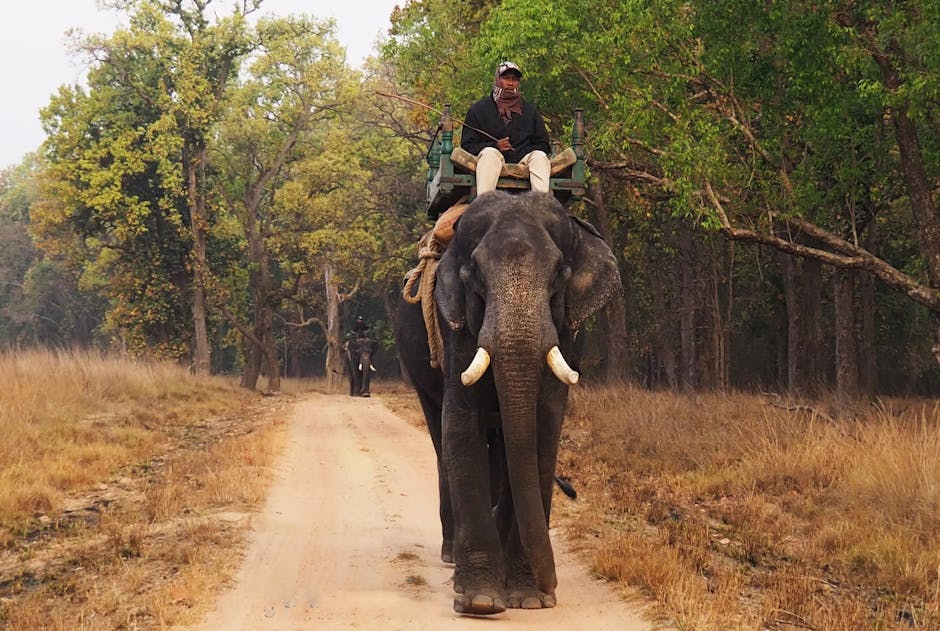
For big cats, stand your ground, make yourself look larger, and retreat without turning your back. In elephant territory, watch for ear-flapping or trunk-raising—signs of agitation.
Supporting Conservation Through Responsible Tourism
Your travel choices can directly benefit wildlife protection. Responsible tourism channels funds into anti-poaching efforts, habitat restoration, and community programs.
Choose Eco-Certified Lodges
Accommodations with green certifications use renewable energy, manage waste responsibly, and support local employment. In Costa Rica, many lodges fund reforestation projects.
Ask if park fees go toward conservation. In Rwanda, gorilla trekking permits fund mountain gorilla protection and community health initiatives.
Participate in Citizen Science
Some tours include data collection—recording bird calls, identifying plant species, or reporting animal sightings to researchers. Apps like iNaturalist help document biodiversity.
These contributions support long-term monitoring and inform policy decisions. Even casual observations add value.
Respect Local Communities
National parks often border Indigenous or rural communities. Support local artisans, eat at community-run restaurants, and learn about cultural traditions.
Avoid exploitative “photo ops” with captive animals. Ethical sanctuaries prioritize rehabilitation over entertainment.
Common Mistakes to Avoid
Even experienced travelers make errors that diminish their experience or harm the environment.
Overpacking Your Itinerary
Trying to visit five parks in a week leads to fatigue and missed opportunities. Focus on 1–2 destinations and allow time for rest and spontaneous sightings.
Wildlife doesn’t follow schedules. A quiet morning may reward patience with a rare sighting.
Ignoring Weather and Terrain
Mountain trails require different gear than desert flats. Check elevation, trail difficulty, and seasonal conditions before booking. Altitude sickness is a real risk in parks like Rocky Mountain or Torres del Paine.
Rain can turn dirt roads to mud. Snow closes high-elevation passes. Always have a backup plan.
Choosing Price Over Quality
The cheapest tour may cut corners—overcrowded vehicles, untrained guides, or unsafe practices. Invest in reputable operators. A well-run tour costs more upfront but delivers far greater value.
Read recent reviews on trusted platforms. Look for mentions of guide knowledge, animal sightings, and safety protocols.
Frequently Asked Questions
What should I expect on my first wildlife tour?
Expect early starts, variable weather, and periods of quiet observation. Guides will brief you on safety, behavior, and photography etiquette. Sightings aren’t guaranteed, but preparation increases your chances.
Are national park tours safe for children?
Yes, with proper planning. Choose family-friendly operators that offer shorter drives, educational activities, and age-appropriate gear. Ensure children understand wildlife safety rules before departure.
How far in advance should I book a wildlife tour?
Book 3–6 months ahead for popular parks like Yellowstone or Serengeti. Permits and lodging fill quickly, especially during migration seasons. Last-minute deals exist but carry higher risk.