Best Beach Travel Experiences for Water Sports Lovers
For water sports enthusiasts, the perfect beach getaway combines ideal conditions, reliable access to gear, and a variety of activities to match every skill level. The best beach travel experiences for water sports lovers offer consistent waves, clear waters, and well-organized rental or instruction services. Whether you’re into surfing, paddleboarding, kitesurfing, or scuba diving, choosing the right destination ensures more time in the water and fewer hassles on land. This guide highlights top coastal spots around the world where the waves, weather, and infrastructure come together to create unforgettable aquatic adventures.
Top Destinations for Water Sports Enthusiasts
Not all beaches are created equal when it comes to water sports. Some locations stand out due to their reliable weather patterns, safety standards, and range of available activities. From tropical reefs to wind-swept coastlines, these destinations cater to both beginners and seasoned pros. Planning your trip around peak seasons and local conditions can make the difference between a mediocre outing and a life-changing experience.
Hawaii, USA – A Surfer’s Paradise
Hawaii remains one of the most iconic destinations for water sports, especially surfing. With consistent swells year-round, islands like Oahu and Maui offer everything from gentle beginner breaks to world-class barrels. Waikiki Beach is ideal for first-timers, while the North Shore draws professionals during winter months.
Beyond surfing, Hawaii supports snorkeling, stand-up paddleboarding (SUP), and outrigger canoeing. Many resorts provide guided tours and certified instructors. Always check ocean conditions before heading out—rip currents and sudden weather changes are real risks even in paradise.
Bali, Indonesia – Affordable Adventure
Bali’s coastline delivers diverse water sports opportunities at a fraction of the cost of Western destinations. Kuta Beach is popular for surfing lessons, while Nusa Penida offers world-class diving with manta rays and vibrant coral reefs. The island’s tropical climate means warm water and sunny skies for most of the year.
Local operators often bundle gear rental with instruction, making it easy for travelers to try multiple activities. However, be cautious of unlicensed guides and always verify safety equipment. Monsoon season (November to March) brings stronger currents—plan accordingly.
Tenerife, Spain – Year-Round Kitesurfing
Located in the Canary Islands, Tenerife benefits from steady trade winds and mild temperatures nearly every month. El Médano beach is a hotspot for kitesurfing and windsurfing, with schools offering courses for all levels. The island also has calm bays perfect for SUP and kayaking.
Unlike seasonal destinations, Tenerife allows for flexible travel planning. Summer brings stronger winds, while winter offers calmer conditions ideal for beginners. Always wear a helmet and use a leash—kitesurfing carries inherent risks that proper gear mitigates.
Gold Coast, Australia – Surf Culture and Beyond
The Gold Coast is synonymous with surf culture, boasting over 50 kilometers of coastline with consistent breaks. Surfers Paradise and Burleigh Heads are favorites among locals and tourists alike. The region also excels in jet skiing, parasailing, and ocean swimming.
Lifeguard-patrolled beaches enhance safety, and numerous surf schools operate daily. Winter (June to August) offers the cleanest waves, though summer brings warmer water. Be mindful of marine stingers during warmer months—protective stinger suits are widely available.
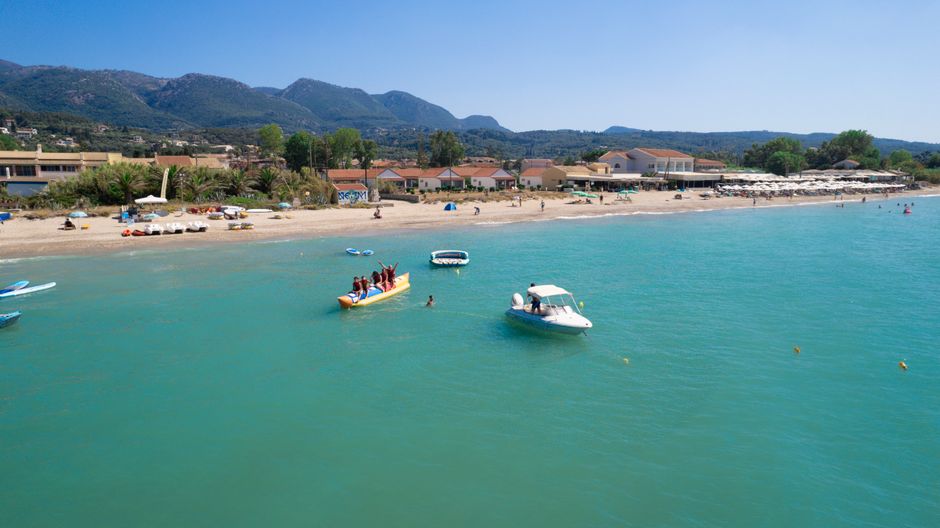
Maldives – Luxury Meets Marine Exploration
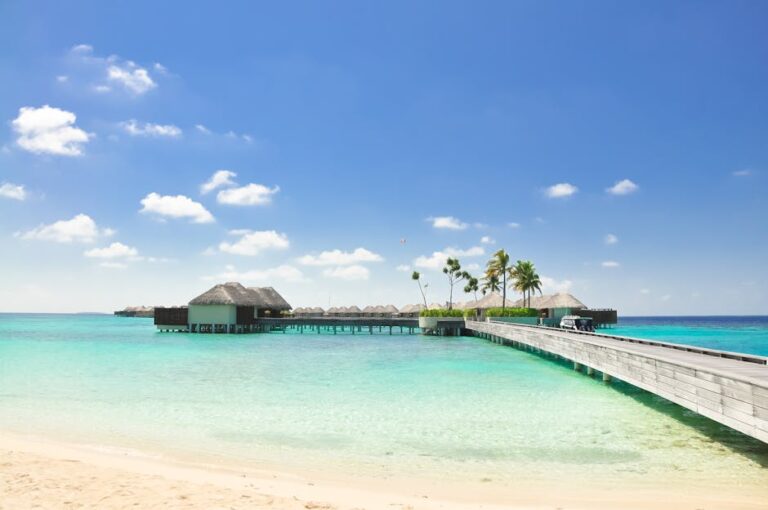
Known for overwater bungalows and crystal-clear lagoons, the Maldives is a premier destination for snorkeling and scuba diving. Resorts often include gear and guided excursions to house reefs teeming with tropical fish, turtles, and reef sharks.
While not ideal for high-energy sports like surfing, the calm waters are perfect for freediving and underwater photography. Visibility often exceeds 30 meters, making it a diver’s dream. Book excursions through your resort for the safest and most eco-friendly options.
Choosing the Right Water Sport for Your Skill Level
Matching your activity to your experience prevents frustration and injury. Beginners should start with low-impact sports like paddleboarding or snorkeling, which require minimal training and offer immediate enjoyment. Intermediate users might explore kayaking or windsurfing, while advanced athletes can tackle big-wave surfing or technical diving.
Most destinations offer trial lessons or half-day packages. Take advantage of these to test your comfort level before committing to full-day adventures. Always inform instructors of any medical conditions or fears—they’re trained to adapt sessions accordingly.
Beginner-Friendly Options
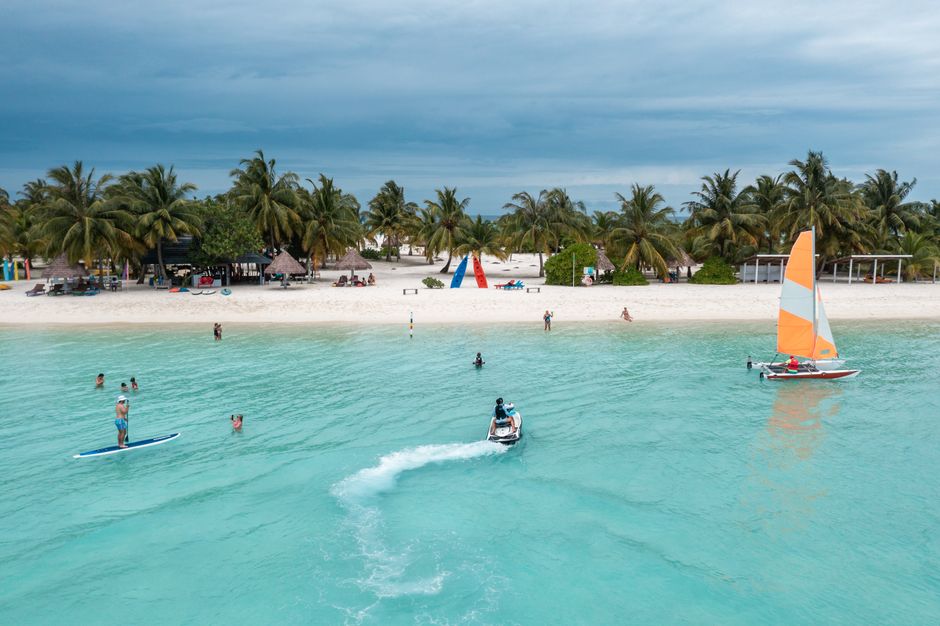
Stand-up paddleboarding (SUP) is one of the easiest water sports to learn. It builds core strength and balance while allowing peaceful exploration of coastlines and mangroves. Many beaches rent boards by the hour, and group lessons are common.
Snorkeling requires even less equipment—just a mask, snorkel, and fins. Look for protected bays with calm waters and marked snorkel trails. Avoid touching coral or marine life; responsible practices protect ecosystems and ensure future access.
Intermediate Challenges
Windsurfing combines elements of sailing and surfing, offering a dynamic workout. It demands coordination and upper-body strength but rewards persistence with thrilling rides across open water. Lessons typically last 2–3 hours and cover safety, board control, and wind reading.
Sea kayaking allows access to hidden coves and sea caves inaccessible by larger boats. Tandem kayaks are stable and great for pairs, while single kayaks offer more maneuverability. Always check tide charts—some routes are only passable at certain times.
Advanced Thrills
Big-wave surfing is not for the faint of heart. It requires years of experience, physical fitness, and respect for ocean power. Spots like Mavericks in California or Jaws in Maui demand local knowledge and specialized equipment.
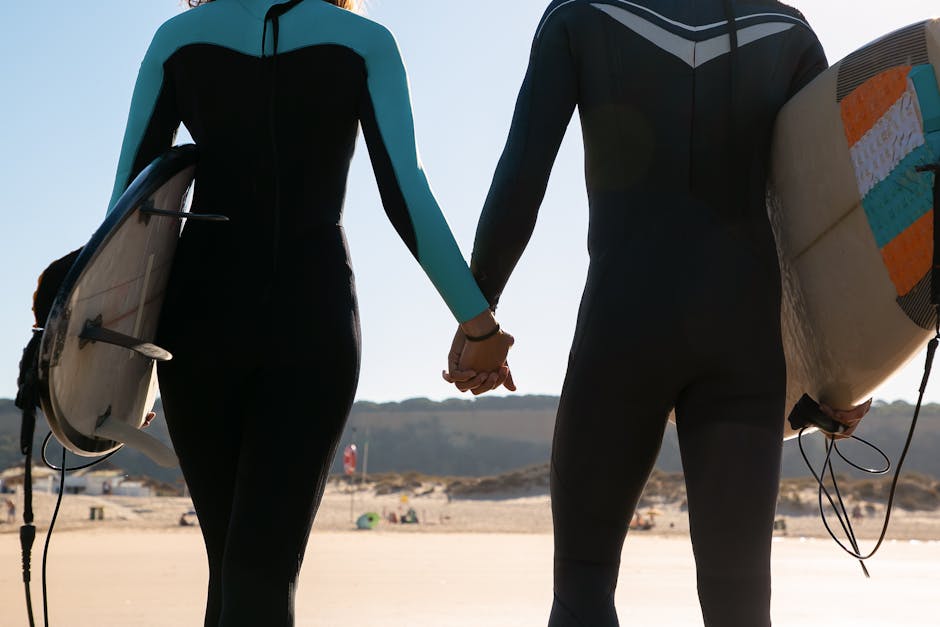
Technical scuba diving, including wreck or cave diving, requires advanced certification and planning. These activities offer unparalleled exploration but come with significant risks. Never dive alone, and always follow decompression protocols.
Essential Gear and Safety Tips
Quality gear enhances performance and safety. While many destinations rent equipment, bringing your own ensures proper fit and familiarity. At minimum, pack a well-fitting wetsuit, UV-protective rash guard, and reef-safe sunscreen.
Rental shops should provide certified life jackets, helmets (for kitesurfing or jet skiing), and well-maintained boards or kayaks. Inspect gear before use—cracks, frayed straps, or loose bindings can lead to accidents.
Understanding Ocean Conditions
Reading the water is a critical skill. Look for signs of rip currents: channels of churning, choppy water, or a noticeable gap in waves. If caught in one, swim parallel to shore until free, then angle back to land.
Check daily surf reports and weather forecasts. Apps like Surfline or Windy provide real-time data on wave height, wind speed, and tide times. Avoid swimming during thunderstorms or after heavy rain, which can increase pollution and currents.
Sun and Heat Protection
Even on cloudy days, UV exposure is intense near water due to reflection. Wear a broad-spectrum SPF 50+ sunscreen and reapply every two hours. Rash guards with UPF ratings offer additional protection without restricting movement.
Stay hydrated and take breaks in shade. Heat exhaustion can sneak up quickly, especially during long sessions. Bring electrolyte drinks and avoid alcohol before water activities.
Planning Your Water Sports Vacation
Timing is everything. Research peak seasons for your chosen sport—surfing in Hawaii peaks November to February, while kitesurfing in Tenerife is best May to September. Off-season travel may offer lower prices but less reliable conditions.
Book accommodations near your primary activity. Staying within walking distance of launch points saves time and energy. Look for resorts or rentals that offer gear storage, rinse stations, and repair services.
Packing Smart
Use waterproof dry bags to protect electronics and clothing. Pack quick-dry towels, flip-flops, and a change of clothes for post-activity comfort. For extended trips, consider a compact repair kit for minor gear fixes.
If flying, check airline policies on surfboards or dive gear. Many charge extra for oversized items, so compare costs before booking. Alternatively, rent locally to avoid hassle.
Local Etiquette and Environmental Responsibility
Respect local customs and marine protected areas. In some regions, anchoring on coral is prohibited, and certain beaches restrict motorized watercraft. Follow “leave no trace” principles—pack out all trash and avoid disturbing wildlife.
Support eco-conscious operators who use sustainable practices and contribute to conservation. Many destinations now offer reef-safe sunscreen stations and educational briefings for guests.
Comparing Destinations: What Sets Them Apart
Each destination offers a unique blend of climate, culture, and activity variety. Hawaii excels in surf culture and infrastructure, while Bali provides affordability and biodiversity. Tenerife stands out for consistent wind, and the Maldives for luxury and marine life.
Consider your priorities: Are you seeking adrenaline, relaxation, or skill development? Do you prefer guided tours or independent exploration? Matching your goals to a location’s strengths ensures satisfaction.
Travel insurance is strongly recommended, especially for high-risk activities. Ensure your policy covers water sports and emergency evacuation. Some resorts require proof of coverage before allowing participation.
Final Thoughts on Water Sports Travel
The best beach travel experiences for water sports lovers balance adventure with preparation. Research destinations thoroughly, invest in proper gear, and prioritize safety. Whether you’re riding your first wave or diving into a coral canyon, the right location amplifies the joy of being in the water.
Start with destinations that match your skill level and gradually challenge yourself as you gain confidence. The ocean rewards respect and patience—approach it with curiosity, not recklessness. With thoughtful planning, your next beach trip can become a highlight of your travel memories.
FAQ
What is the safest water sport for beginners?
Stand-up paddleboarding (SUP) is widely considered the safest and easiest water sport for beginners. It requires minimal training, offers excellent stability, and allows for calm exploration of coastal areas.
When is the best time to visit Hawaii for surfing?
The best time for surfing in Hawaii is during the winter months, from November to February, when North Shore breaks receive consistent large swells. Summer offers calmer conditions ideal for beginners.
Do I need to bring my own gear when traveling for water sports?
Not necessarily. Most popular destinations offer high-quality rental gear, including wetsuits, boards, and safety equipment. However, bringing your own ensures proper fit and familiarity, especially for extended trips.