Family Travel Tips for Handling Delays With Children
Travel delays with children can quickly turn a dream trip into a stressful ordeal. Whether it’s a flight delay, train cancellation, or unexpected traffic, kids often struggle with unpredictability. The key to managing these situations lies in preparation, patience, and practical strategies. With the right approach, you can reduce meltdowns, keep kids engaged, and even turn waiting time into a positive experience. This guide offers actionable family travel tips for handling delays with children, so you can stay calm and keep your journey on track—even when plans change.
Why Delays Are Harder With Kids
Children thrive on routine and predictability. A sudden delay disrupts their sense of security and can lead to frustration, boredom, or tantrums. Unlike adults, kids don’t understand logistical reasons for delays and may interpret waiting as punishment. Their limited attention spans and high energy levels make long waits especially challenging.
Parents often feel the pressure to “fix” the situation immediately, but this isn’t always possible. Instead, the goal should be managing expectations and maintaining a calm environment. Recognizing how delays affect children emotionally and behaviorally is the first step toward effective handling.
Prepare Before You Travel
Pack a Delay Survival Kit
Always carry a small bag with essentials designed specifically for unexpected waits. Include snacks that are non-perishable and kid-friendly, such as granola bars, fruit pouches, or crackers. Bring water bottles to avoid dehydration, especially in hot terminals or crowded stations.
Don’t forget comfort items like a favorite stuffed animal, blanket, or headphones. For older kids, pack books, coloring supplies, or a tablet loaded with offline games and shows. A compact travel pillow can help younger children nap during long waits.
Download Offline Entertainment
Wi-Fi isn’t always reliable in transit hubs. Download movies, audiobooks, or educational apps before departure. Choose content that’s age-appropriate and engaging. For example, a 6-year-old might enjoy an animated film, while a 10-year-old could benefit from a puzzle app or digital magazine.
Consider using a portable charger to keep devices powered. A dead tablet mid-delay can quickly escalate frustration. Label devices clearly and keep them in an easily accessible part of your carry-on.
Discuss Possible Delays in Advance
Talk to your children about the possibility of delays before you leave. Use simple language: “Sometimes planes are late, and we might have to wait. It’s not anyone’s fault—it just happens.” This sets realistic expectations and reduces anxiety.
Role-play scenarios at home. Practice sitting quietly, playing a game, or reading while “waiting” for a pretend flight. This builds familiarity and makes real delays feel less overwhelming.
Stay Calm and Model Composure
Your Reaction Sets the Tone
Children mirror adult emotions. If you appear frustrated or angry, they’re more likely to react negatively. Take deep breaths, speak calmly, and avoid complaining loudly about the delay. Instead, say, “This isn’t ideal, but we’ll figure it out together.”
Use humor when appropriate. A lighthearted comment like, “Looks like we’re getting extra airport time—let’s explore!” can shift the mood. Avoid sarcasm, which kids may not understand and could misinterpret.
Validate Their Feelings
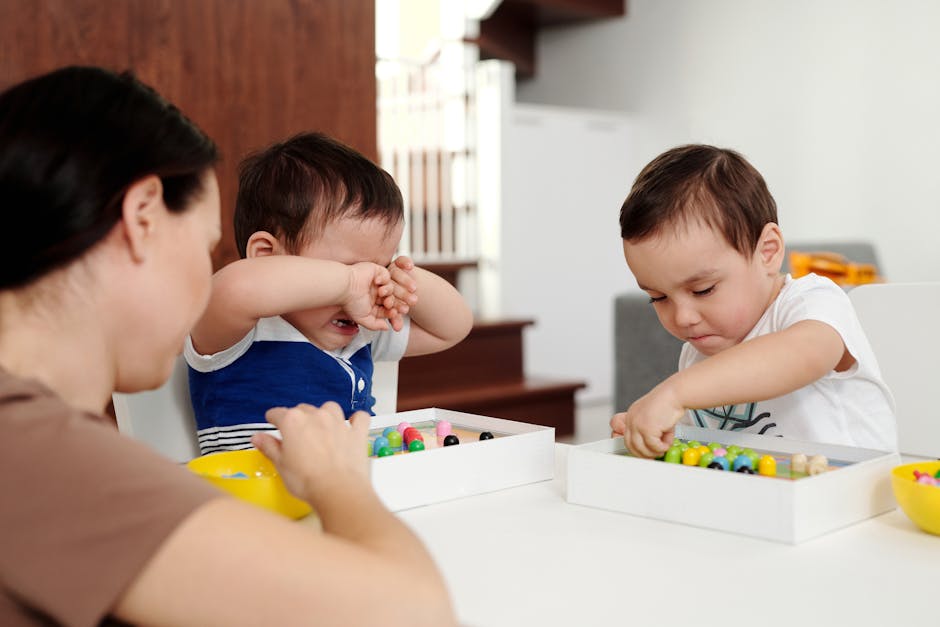
Acknowledge your child’s emotions without judgment. Say, “I know you’re upset because we’re stuck here. It’s okay to feel that way.” This helps them feel heard and reduces emotional outbursts.
Avoid dismissive phrases like “It’s not a big deal” or “Stop crying.” These invalidate their experience and can increase distress. Instead, offer comfort and a plan: “We’ll play a game while we wait, and then we’ll get snacks.”
Keep Kids Engaged During the Wait
Bring Interactive Games
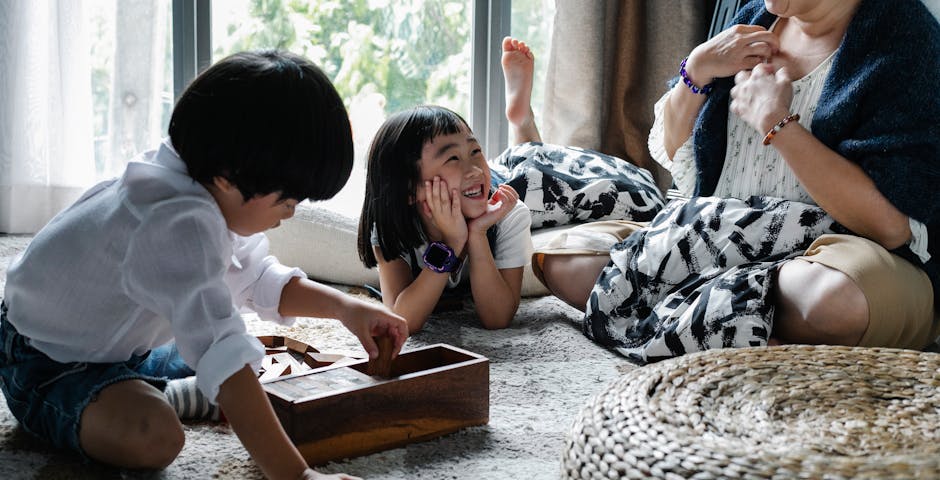
Simple, screen-free games work well in confined spaces. I Spy, 20 Questions, or travel bingo can keep kids entertained without requiring much setup. Magnetic travel games are also excellent—they’re quiet, compact, and mess-free.
For siblings, cooperative games reduce competition and encourage teamwork. Try building a story together, one sentence at a time, or creating a scavenger hunt using items in the terminal.
Use Movement Breaks
Sitting for long periods is hard for active children. If space allows, take short walks around the gate area or terminal. Let them stretch, jump, or play a quick game of “follow the leader.”
Some airports have play areas or family lounges. Check the airport map ahead of time and head there if your delay is lengthy. Even a 10-minute break to run around can reset a child’s mood.
Involve Them in the Process
Give kids small responsibilities to foster a sense of control. Let them hold the boarding pass, choose the next snack, or help read departure boards. This keeps them engaged and reduces feelings of helplessness.
For older children, explain what’s happening in age-appropriate terms. “The plane is delayed because of weather. They’re waiting for it to clear so it’s safe to fly.” Knowledge reduces fear of the unknown.
Manage Hunger and Thirst
Snack Strategically
Hunger amplifies irritability. Keep a variety of snacks on hand to prevent meltdowns. Choose options that are easy to eat and don’t require refrigeration. Avoid sugary snacks that cause energy spikes and crashes.
Offer water regularly, even if your child doesn’t ask. Dehydration can lead to fatigue and crankiness. Bring reusable bottles and refill them at water stations when available.
Know Where to Eat
Research food options at your departure point before traveling. Identify kid-friendly restaurants or cafes near your gate. Some airports have family rest areas with high chairs and changing tables.
If your delay is several hours, consider leaving the secure area to eat if re-entry is allowed. A change of scenery and a proper meal can do wonders for morale.
Use Technology Wisely
Stay Informed
Use airline or transit apps to monitor real-time updates. Set alerts for gate changes, boarding times, or cancellations. This helps you plan activities and avoid last-minute rushes.
Share updates with your children in simple terms. “Our flight is now boarding at 3:15 instead of 2:30. That gives us 45 more minutes to play.”
Limit Screen Time
While screens are useful, overuse can lead to overstimulation or meltdowns when devices are taken away. Set time limits and alternate between digital and non-digital activities.
Use screen time as a reward or transition tool. “After we finish this book, you can watch one episode of your show.”
Prepare for Overnight Delays
Know Your Rights
Some airlines provide accommodations for significant delays, especially overnight ones. Check the carrier’s policy and ask customer service about meal vouchers, hotel rooms, or transportation.
If you’re stuck at the airport, locate quiet areas or family rooms. Some terminals have sleeping pods or designated rest zones. Bring eye masks and earplugs to improve sleep quality.
Create a Comfortable Space
Use jackets or blankets to create a makeshift bed. Fold carry-on bags into pillows. If allowed, recline seats or use airport benches strategically. Avoid lying on the floor unless it’s safe and permitted.
Keep a change of clothes in your carry-on. Fresh clothes can make a big difference in comfort, especially for younger children.
When Delays Lead to Cancellations
Stay Calm and Seek Solutions
If your flight is canceled, approach the service counter calmly. Staff are more likely to assist passengers who are polite and patient. Have your booking reference and ID ready.
Ask about rebooking options, refunds, or alternate routes. If possible, use the airline’s app to rebook yourself—it’s often faster than waiting in line.
Protect Your Child’s Routine
Even in chaos, try to maintain basic routines. Offer meals at regular times, encourage naps, and keep bedtime rituals as consistent as possible. Familiarity provides stability during disruption.
Use the delay as a teaching moment. Explain how problems are solved step by step. “First, we’ll talk to the agent. Then, we’ll find a new flight. After that, we’ll get snacks.”
Turn Delays Into Positive Experiences
Make It an Adventure
Reframe the delay as part of the journey. Say, “We’re having an airport adventure! Let’s see how many planes we can count.” This shifts focus from frustration to curiosity.
Explore the terminal together. Visit shops, look at art installations, or people-watch. Some airports have museums, gardens, or observation decks that are fun for families.
Create New Traditions
Start a “delay game” that you play only during waits. It could be spotting a certain color of suitcase or finding the funniest sign. Over time, this becomes a positive association.
Take photos together during the delay. Later, you can look back and laugh about the unexpected adventure. These moments often become cherished family stories.
Know When to Ask for Help
Don’t hesitate to seek assistance from airline staff, transit personnel, or fellow travelers. Most people are willing to help, especially with young children. Ask for directions, help with strollers, or recommendations for nearby facilities.
If your child is overwhelmed, request a quiet space or medical support if needed. Airports often have first aid stations or family assistance desks.
Remember, you’re not alone. Many families face delays—what matters is how you respond.
Final Thoughts on Family Travel Delays
Delays are an inevitable part of travel, but they don’t have to derail your trip. With thoughtful preparation, emotional awareness, and creative engagement, you can manage waits effectively. The goal isn’t perfection—it’s resilience. By staying calm, keeping kids occupied, and adapting to changes, you turn challenges into opportunities for connection and growth.
These family travel tips for handling delays with children aren’t about avoiding stress entirely. They’re about building confidence, reducing chaos, and ensuring everyone arrives at your destination—physically and emotionally—ready to enjoy the journey ahead.
FAQ
What should I pack in a delay survival kit for kids?
Include snacks, water, comfort items, offline entertainment, and a portable charger. Add a change of clothes and basic toiletries for longer waits.
How can I keep my child calm during a long flight delay?
Stay calm yourself, validate their feelings, and offer engaging activities. Use games, stories, or movement breaks to distract and soothe.
Are airlines required to provide accommodations for delayed families?
Policies vary by carrier and region. Check your airline’s contract of carriage. Some offer meal vouchers or hotels for significant delays, especially overnight.