Wildlife Travel Guide with Best Safari Parks Worldwide
Planning a wildlife adventure? This guide highlights the top safari parks around the world, offering unforgettable encounters with elephants, lions, rhinos, and more. From the vast savannas of Africa to the jungles of Asia, we’ve curated a list of premier destinations that deliver authentic, ethical wildlife experiences. Whether you’re a first-time traveler or a seasoned explorer, these parks provide safe, well-managed opportunities to observe animals in their natural habitats.
Why Choose a Safari for Your Next Wildlife Adventure
Safari travel offers a unique blend of adventure, education, and conservation. Unlike zoos or game reserves with artificial settings, safari parks allow animals to roam freely across expansive territories. This creates more natural behaviors and better photo opportunities.
Many top parks also support local communities and anti-poaching efforts. By visiting responsibly, travelers contribute directly to wildlife preservation. A well-planned safari can be both thrilling and meaningful.
Top Safari Parks in Africa
Serengeti National Park, Tanzania
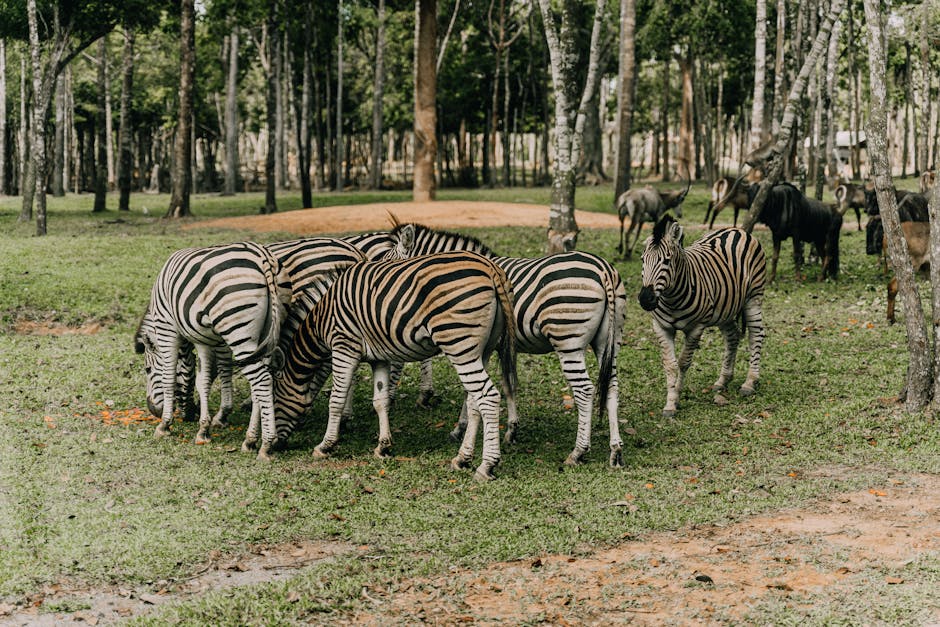
The Serengeti is legendary for its annual wildebeest migration, where over 1.5 million animals cross the plains. This spectacle peaks between June and October, drawing photographers and nature lovers from around the globe.
Beyond the migration, the park hosts the Big Five—lion, leopard, elephant, buffalo, and rhino. Game drives at dawn or dusk offer the best sightings. Accommodations range from luxury lodges to mobile camps that follow the herds.
Masai Mara National Reserve, Kenya
Bordering the Serengeti, the Masai Mara is equally impressive and often more accessible. It’s one of the few places where you can witness river crossings during the Great Migration, especially in July and August.
The reserve is also home to the Maasai people, whose cultural villages offer insight into traditional East African life. Hot air balloon safaris provide a bird’s-eye view of the landscape and wildlife below.
Kruger National Park, South Africa
One of Africa’s largest game reserves, Kruger spans nearly 20,000 square kilometers. It’s renowned for high animal density and excellent infrastructure, making it ideal for self-drive safaris.
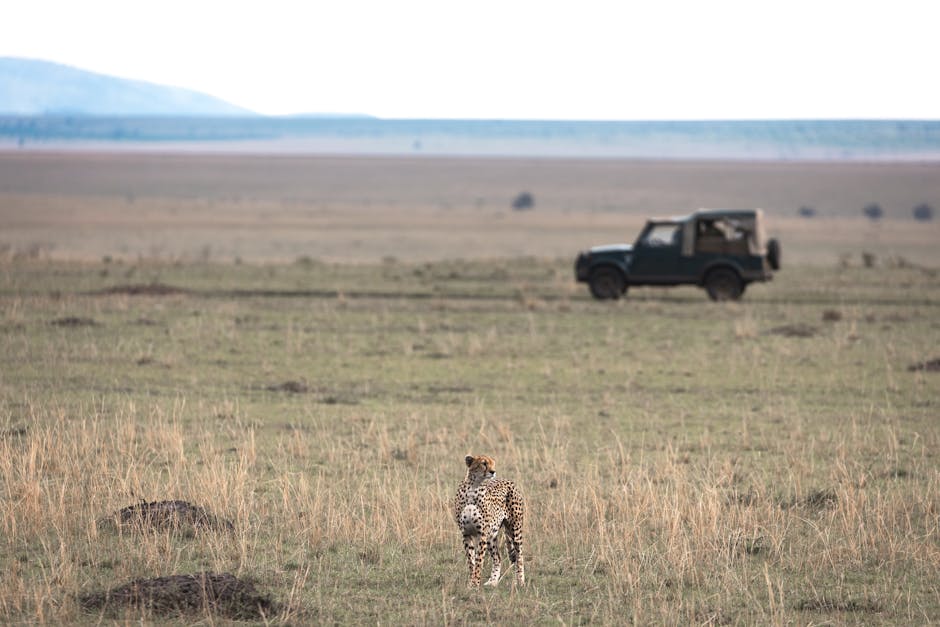
Visitors can spot all members of the Big Five, along with cheetahs, wild dogs, and over 500 bird species. Private concessions within the park offer exclusive, low-traffic experiences with expert guides.
Okavango Delta, Botswana
A UNESCO World Heritage Site, the Okavango Delta is a lush inland delta that floods seasonally, creating a maze of waterways and islands. This unique ecosystem supports diverse wildlife, including hippos, crocodiles, and rare antelope species.
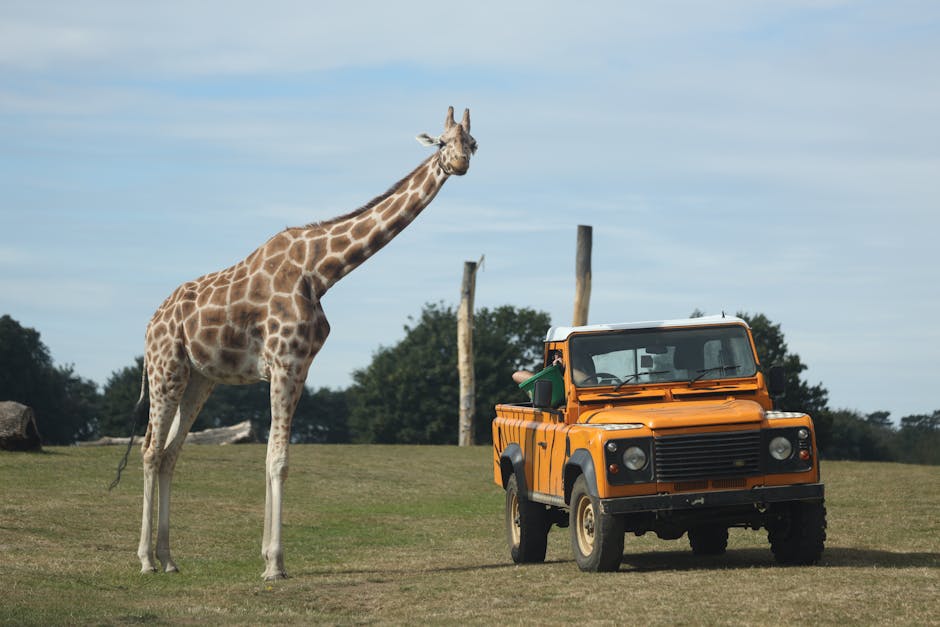
Mokoro (dugout canoe) excursions allow quiet exploration of narrow channels. Guided walking safaris add an intimate, ground-level perspective. Luxury tented camps blend comfort with immersion in nature.
Best Safari Destinations in Asia
Ranthambore National Park, India
Famous for its Bengal tigers, Ranthambore combines wildlife viewing with historical ruins. The park sits within a former royal hunting ground and features a 10th-century fort overlooking the forest.
Jeep safaris are conducted twice daily, with trained naturalists increasing your chances of spotting a tiger. Leopards, sloth bears, and marsh crocodiles also inhabit the area. Best visited between October and June.
Udawalawe National Park, Sri Lanka
This park is a haven for elephants, with a large resident herd often seen near the reservoir. It’s also one of the best places in Sri Lanka to see leopards, though sightings require patience and luck.
Udawalawe is less crowded than Yala National Park, offering a more relaxed experience. Birdwatchers will appreciate the variety of waterfowl and raptors. The park supports an elephant transit home for orphaned calves.
Taman Negara, Malaysia
One of the world’s oldest rainforests, Taman Negara spans over 4,000 square kilometers. It’s home to tigers, sun bears, tapirs, and the endangered Malaysian gaur.
Canopy walks, night jungle treks, and river cruises provide different ways to explore. While large mammals can be elusive, the biodiversity is staggering—over 14,000 species of plants and animals have been recorded.
Unique Safari Experiences Beyond Africa and Asia
Galápagos National Park, Ecuador
Though not a traditional safari destination, the Galápagos offers unparalleled wildlife encounters. Giant tortoises, marine iguanas, and blue-footed boobies are accustomed to human presence, allowing close observation.
Visitors must travel with licensed guides and follow strict conservation rules. Most tours involve small boats visiting multiple islands. Snorkeling with sea lions and penguins is a highlight.
Kangaroo Island, Australia
This island off South Australia’s coast is a sanctuary for native species. Kangaroos, koalas, sea lions, and echidnas roam freely in protected areas.
Guided tours focus on eco-friendly practices and minimal disturbance. Flinders Chase National Park features Remarkable Rocks and Admirals Arch, both rich in wildlife. The island has no feral cats or foxes, helping native animals thrive.
Yellowstone National Park, USA
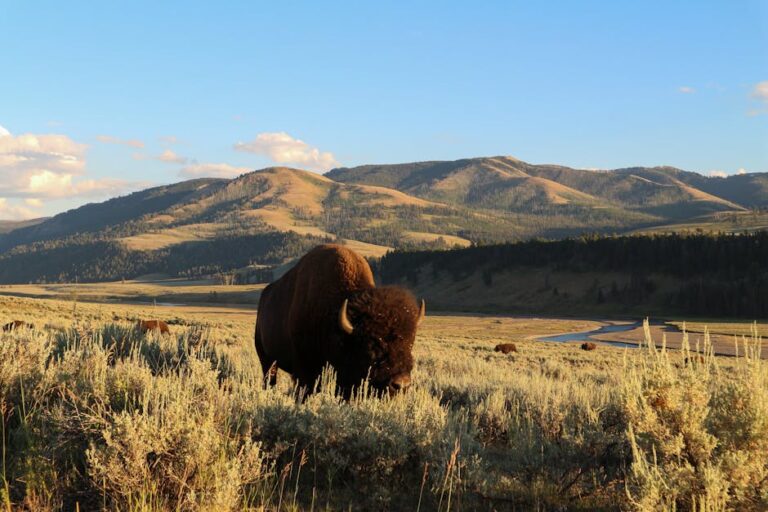
Yellowstone is North America’s premier wildlife destination. Bison, elk, grizzly bears, and wolves inhabit the park’s geothermal landscapes.
Early morning drives along the Lamar Valley offer the best chance to see predators. Rangers lead educational programs, and boardwalks allow safe viewing of geysers and hot springs. Winter visits reveal a quieter, snow-covered wilderness.
How to Choose the Right Safari Park for You
Start by considering your travel goals. Are you focused on seeing specific animals, like tigers or elephants? Do you prefer luxury lodges or budget-friendly camping?
Research the best time to visit each park. Weather, migration patterns, and animal activity vary by season. For example, the dry season in Africa (June–October) concentrates wildlife around water sources, improving sightings.
Check park regulations and tour operator credentials. Reputable guides follow ethical practices, maintain safe distances from animals, and support conservation. Avoid attractions that offer direct interaction with wild animals, such as petting or riding.
Essential Tips for a Safe and Responsible Safari
Always listen to your guide. They know animal behavior and how to respond in unexpected situations. Never exit the vehicle unless in designated safe zones.
Dress appropriately: neutral colors like khaki, green, and brown help you blend in. Avoid bright clothing and strong perfumes, which can disturb animals.
Bring binoculars, a camera with a zoom lens, and sunscreen. A hat and sunglasses are essential. Stay hydrated, especially during early morning drives in hot climates.
Respect wildlife by keeping noise to a minimum and not feeding animals. Littering is strictly prohibited—pack out everything you bring in.
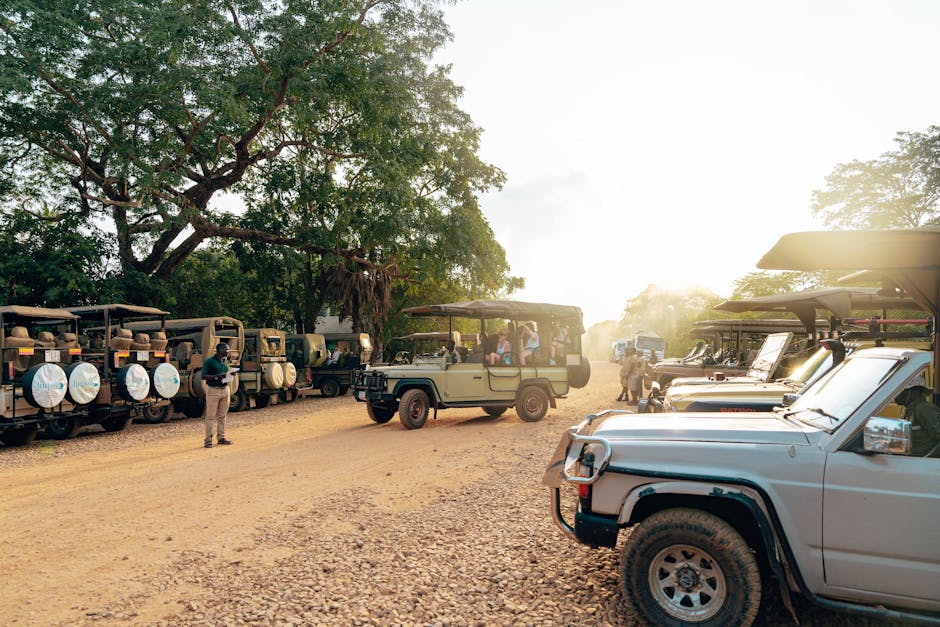
What to Pack for Your Safari Adventure
A well-packed bag makes a big difference. Include lightweight, long-sleeved shirts and pants to protect against sun and insects. A wide-brimmed hat and scarf are useful for dust and glare.
Footwear should be comfortable and closed-toe. Sandals are fine around camp but not for walks or drives. Don’t forget a reusable water bottle and power bank for electronics.
For photography, a DSLR or mirrorless camera with a telephoto lens (200mm or more) is ideal. Bring extra memory cards and batteries—charging may be limited in remote areas.
Conservation and Ethical Tourism
Choose parks and operators that prioritize conservation. Look for certifications like those from the Global Sustainable Tourism Council or local wildlife trusts.
Many parks reinvest tourism revenue into anti-poaching units, habitat restoration, and community education. Your visit directly supports these efforts when you book responsibly.
Avoid souvenirs made from animal products, such as ivory or fur. Even seemingly harmless items can fuel illegal wildlife trade.
Final Thoughts on Wildlife Travel
A safari is more than a vacation—it’s a chance to connect with nature and support its protection. The best wildlife travel experiences are those that leave no trace and leave a positive impact.
Whether you’re tracking lions in Kenya, spotting tigers in India, or observing bears in Yellowstone, each destination offers something unique. With careful planning and respect for the environment, your adventure can be both thrilling and sustainable.
FAQ
What is the best time of year to go on a safari?
The ideal time depends on the location. In Africa, the dry season (June to October) offers the best wildlife viewing as animals gather near water. In India, visit between October and June to avoid monsoons and see tigers.
Are safaris safe for families with children?
Yes, many parks offer family-friendly tours with experienced guides. Some lodges have age restrictions for walking safaris, but vehicle-based game drives are generally safe for all ages. Always check operator policies in advance.
How much does a typical safari cost?
Prices vary widely based on location, duration, and accommodation. Budget options start around $150 per day, while luxury safaris can exceed $1,000 per day. Include park fees, guides, and transportation in your planning.