Best Adventure Travel Destinations for Jungle Expeditions
Jungle expeditions offer some of the most thrilling and immersive adventure travel experiences on Earth. Whether you’re tracking wildlife, navigating river systems, or exploring ancient ruins hidden beneath dense canopy, the world’s great rainforests deliver unmatched adventure. This guide highlights the best jungle destinations for travelers seeking authentic, safe, and unforgettable expeditions. From South America’s Amazon basin to Southeast Asia’s biodiverse heartlands, these locations combine natural wonder with well-established trekking and eco-tourism infrastructure.
Why Jungle Expeditions Stand Out in Adventure Travel
Jungle environments present unique challenges and rewards that set them apart from other adventure travel settings. The combination of extreme biodiversity, remote terrain, and cultural depth creates a multi-layered experience few other destinations can match. Unlike mountain climbs or desert treks, jungle expeditions often involve river travel, canopy exploration, and close encounters with rare species.
These trips also emphasize sustainability and conservation. Many jungle regions are protected areas or indigenous territories, requiring responsible travel practices. This adds a layer of purpose to the adventure, connecting travelers to larger environmental and cultural narratives.
Top Jungle Destinations for Adventure Travelers
Amazon Rainforest, Brazil and Peru
The Amazon is the world’s largest tropical rainforest and a cornerstone of global biodiversity. Spanning nine countries, it offers jungle expeditions ranging from week-long river cruises to multi-day treks into remote reserves. In Brazil, the Manaus region serves as a gateway to the central Amazon, while Peru’s Tambopata National Reserve provides access to clay licks where hundreds of parrots gather at dawn.
Expeditions here often include night walks to spot caimans, piranha fishing, and visits to local river communities. Lodges like the Refugio Amazonas in Peru offer guided hikes and canopy towers for birdwatching. The dry season from June to September is ideal for trekking, while the wet season (December to March) allows deeper river access.
Borneo, Malaysia and Indonesia
Borneo’s jungles are legendary for orangutans, pygmy elephants, and the world’s largest flowers. The island’s protected parks, such as Kinabalu Park in Malaysia and Tanjung Puting in Indonesia, offer structured jungle expeditions with trained guides and research stations. In Sabah, the Sepilok Orangutan Rehabilitation Centre allows visitors to observe feeding sessions, while the Danum Valley Conservation Area delivers pristine rainforest with minimal human impact.
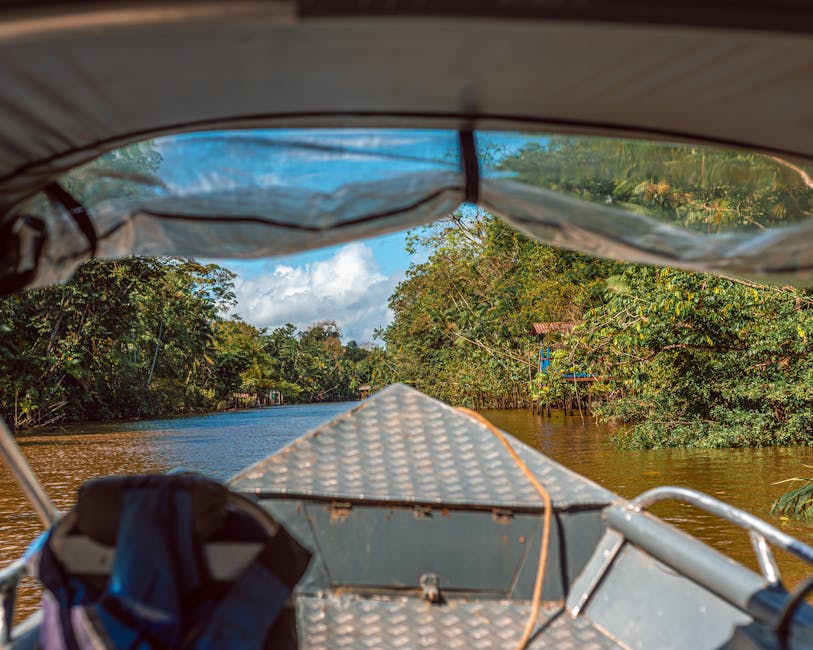
River safaris along the Kinabatangan River are popular, offering sightings of proboscis monkeys, hornbills, and saltwater crocodiles. Expeditions typically last 3–5 days and include stays in eco-lodges. Travelers should be prepared for high humidity and leeches during the rainy months from November to March.
Madagascar, Andasibe and Masoala National Parks
Madagascar’s isolation has produced a unique ecosystem found nowhere else on Earth. Over 90% of its wildlife is endemic, including lemurs, chameleons, and fossa. Andasibe-Mantadia National Park, just a few hours from Antananarivo, offers accessible jungle treks with frequent indri lemur sightings. The park’s well-marked trails and community-run guides make it ideal for first-time jungle travelers.
For more remote adventures, Masoala National Park in the northeast features dense rainforest, coastal mangroves, and offshore islands. Expeditions here may include multi-day hikes, canoeing, and snorkeling. The dry season from April to November is best for travel, though some areas remain accessible year-round.
Laos, Nam Et-Phou Louey National Protected Area
One of Southeast Asia’s last true wilderness areas, Nam Et-Phou Louey (NEPL) in northern Laos offers a rare chance to experience jungle expeditions with minimal tourism infrastructure. This remote park is home to tigers, clouded leopards, and Asian golden cats, though sightings are rare due to conservation efforts and low human presence.
Guided night safaris using spotlighting techniques allow travelers to observe nocturnal wildlife like civets and porcupines. The “Village Stay” program supports local communities by offering homestays and traditional meals. Expeditions require moderate fitness and last 2–4 days, with most visitors arriving via Luang Prabang.
Costa Rica, Corcovado National Park
Though smaller than other jungle destinations, Costa Rica’s Corcovado National Park packs a powerful ecological punch. Located on the Osa Peninsula, it’s considered one of the most biodense places on the planet. Jaguars, tapirs, scarlet macaws, and all four Costa Rican monkey species inhabit this rugged terrain.
Jungle expeditions here are tightly regulated to protect the environment. Visitors must be accompanied by certified guides and enter through official ranger stations. The Sirena Ranger Station serves as a base for multi-day treks, with basic lodging and meals provided. The dry season from December to April is recommended, though showers can occur year-round.
What to Expect on a Jungle Expedition
Physical Demands and Fitness Requirements
Jungle expeditions vary in intensity, but most require a moderate to high level of physical fitness. Trails are often muddy, uneven, and steep, with river crossings and elevation changes. Travelers should be comfortable walking 5–10 kilometers daily in humid conditions. Some treks involve climbing ladders or navigating slippery rocks.
It’s important to assess your fitness honestly before booking. Many tour operators offer different difficulty levels, from beginner-friendly walks to advanced multi-day treks. If you have health concerns, consult a doctor and choose a trip with medical support or evacuation options.
Essential Gear and Packing Tips
Packing light but smart is key for jungle travel. Waterproof clothing, quick-dry fabrics, and sturdy hiking boots are essential. A good-quality rain jacket and pack cover will protect against daily downpours. Insect repellent with DEET, a headlamp, and a reusable water bottle with filtration are must-haves.
Many jungle lodges provide bedding and meals, so personal toiletries and medications should be prioritized. Avoid cotton clothing, which retains moisture. A small first-aid kit with antiseptic, blister treatment, and anti-diarrheal medication is recommended. Always check visa and vaccination requirements before departure.
Safety and Health Considerations
Jungle environments pose health risks, including mosquito-borne diseases like malaria and dengue. Consult a travel clinic 4–6 weeks before your trip for vaccinations and prophylaxis. Use permethrin-treated clothing and sleep under mosquito nets where provided.
Wildlife encounters are generally safe when guided by professionals, but caution is essential. Never approach or feed animals. Stay on marked trails to avoid getting lost or disturbing sensitive habitats. Inform someone of your itinerary and carry a satellite communicator in remote areas.
Choosing the Right Expedition Operator
What to Look for in a Tour Company
Not all jungle expedition providers are equal. Look for companies with strong safety records, certified local guides, and transparent environmental policies. Reputable operators will share details about their conservation efforts, community partnerships, and emergency protocols.
Read reviews on platforms like TripAdvisor or specialized adventure travel forums. Ask about group size—smaller groups (6–10 people) often provide a better experience. Ensure the company follows Leave No Trace principles and supports local economies through fair wages and sourcing.
Red Flags to Avoid
Avoid operators that promise guaranteed wildlife sightings or offer extremely low prices. These may cut corners on safety, guide training, or environmental standards. Be wary of companies that don’t require health disclosures or provide minimal pre-trip information.
Unlicensed guides or unregistered lodges can pose serious risks. Always verify that the company is licensed by the national tourism board and carries liability insurance. If something feels off during booking, trust your instincts and look elsewhere.
Sustainable Jungle Travel Practices
Jungle ecosystems are fragile and under threat from deforestation, poaching, and climate change. Responsible travel helps protect these environments for future generations. Choose eco-certified lodges that use solar power, composting toilets, and rainwater harvesting.
Support community-based tourism initiatives that empower local people. These programs often offer more authentic experiences and direct economic benefits. Avoid single-use plastics, stay on trails, and never remove plants or animals from the jungle.
Consider offsetting your carbon footprint through verified programs. Many adventure travel companies now include carbon offset options in their booking process. Educate yourself about the region’s conservation challenges and share what you learn with others.
When to Go: Seasonal Considerations
Timing your jungle expedition correctly can make a big difference in comfort and wildlife viewing. Most tropical regions have distinct wet and dry seasons. The dry season generally offers better trekking conditions, clearer skies, and easier access to remote areas.
In the Amazon, the dry season (June–September) reduces mosquito activity and makes trails more passable. In Borneo, the best time is March to October, avoiding the heaviest rains. Madagascar’s dry season (April–November) is ideal, while Costa Rica’s Pacific side is driest from December to April.
That said, the wet season isn’t without advantages. Rivers are fuller, waterfalls are more dramatic, and some lodges offer lower rates. Wildlife may be more concentrated around water sources. Just be prepared for frequent rain and higher humidity.
Real-World Expedition Itinerary Example
Here’s a sample 7-day jungle expedition in Peru’s Tambopata Reserve. Day 1: Arrive in Puerto Maldonado, transfer by boat to eco-lodge. Day 2: Canopy walkway and parrot clay lick visit at sunrise. Day 3: Full-day jungle trek with medicinal plant lesson and night caiman spotting. Day 4: Visit to a local indigenous community and traditional craft workshop. Day 5: Oxbow lake paddle in a dugout canoe, birdwatching. Day 6: Free morning, optional fishing or rest, farewell dinner. Day 7: Return transfer to airport.
This itinerary balances adventure, education, and cultural exchange. It includes guided activities, downtime, and opportunities for personal exploration. Similar structures are available in other top jungle destinations, adapted to local conditions and wildlife.
Final Thoughts on Jungle Adventure Travel
The best jungle expeditions combine physical challenge, natural beauty, and cultural depth. Whether you’re navigating the Amazon by canoe, spotting lemurs in Madagascar, or trekking through Borneo’s misty forests, these experiences stay with you long after you return home. With proper planning, the right gear, and a responsible mindset, jungle travel can be both safe and transformative.
As demand for authentic adventure grows, so does the importance of sustainable practices. By choosing ethical operators and respecting local environments, travelers can help preserve these irreplaceable ecosystems. The jungle isn’t just a destination—it’s a living, breathing world worth protecting.
FAQ
What should I pack for a jungle expedition?
Pack lightweight, quick-dry clothing, waterproof gear, sturdy boots, insect repellent, a headlamp, and a water filter. Include a basic first-aid kit and any personal medications.
Are jungle expeditions safe for beginners?
Yes, many operators offer beginner-friendly trips with trained guides and manageable itineraries. Choose a reputable company and assess your fitness level honestly.
How do I avoid mosquito-borne diseases in the jungle?
Use DEET-based repellent, wear long sleeves, sleep under nets, and consider antimalarial medication. Consult a travel clinic before your trip.