
Travel Tips Guide with Airport and Flight Tips
Planning a trip can be exciting, but navigating airports and flights doesn’t have to be stressful. This travel tips guide with airport and flight tips covers everything from packing smart to boarding efficiently. Whether you’re a frequent flyer or taking your first trip, these practical strategies will help you save time, avoid common pitfalls, and travel with confidence. From pre-flight checklists to in-airport navigation, this guide delivers actionable advice grounded in real-world experience.
Before You Leave: Pre-Flight Preparation
Smart travel starts long before you reach the airport. A well-planned departure reduces stress and prevents last-minute surprises. Begin by confirming your flight details at least 24 hours in advance. Airlines occasionally change schedules, and early verification helps you adjust plans accordingly.
Check visa requirements, vaccination rules, and entry restrictions for your destination. Some countries require proof of return tickets or specific documentation. Missing these can result in denied boarding—even with a valid passport.
Pack Smart: What to Bring and What to Leave Behind
Efficient packing is one of the most overlooked aspects of travel. Start with a checklist tailored to your destination and trip length. Roll clothes instead of folding to save space and reduce wrinkles. Use packing cubes to organize items and make retrieval easier.
Liquids in carry-ons must follow the 3-1-1 rule: containers no larger than 3.4 ounces (100ml), all fitting in one quart-sized clear bag. This applies to shampoo, toothpaste, and even hand sanitizer. Exceeding these limits leads to delays at security.
Leave valuables like jewelry and electronics in checked bags only if necessary. Keep passports, boarding passes, medications, and chargers in your carry-on. A personal item like a backpack or tote should hold essentials you’ll need during the flight.
Choose the Right Luggage
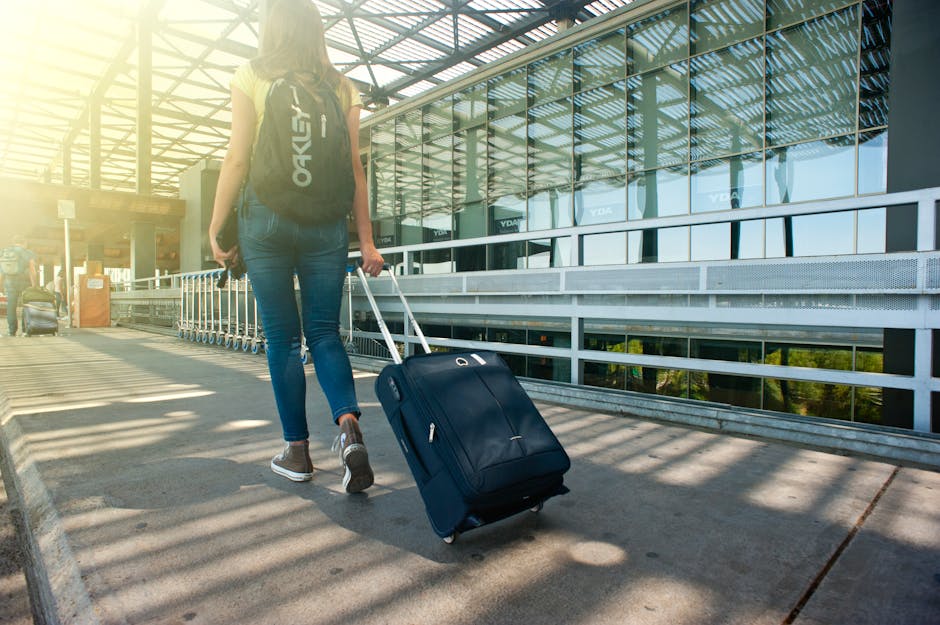
Your luggage choice affects mobility and convenience. For short trips, a carry-on suitcase (typically 22 inches) avoids checked bag fees and reduces wait time at baggage claim. Hard-shell suitcases protect fragile items but may be heavier; soft-shell options are lighter and more flexible in tight spaces.
If checking a bag, ensure it meets airline size and weight limits. Most domestic airlines allow 50 pounds (23 kg) per checked bag. Excess weight incurs fees ranging from $50 to $100 or more. Weigh your bag at home using a bathroom scale to avoid surprises.
Attach a durable luggage tag with your name, phone number, and email. Include a copy of your contact info inside the bag in case the external tag is lost. Brightly colored luggage or unique identifiers help you spot your bag quickly on the carousel.
At the Airport: Navigating Security and Gates
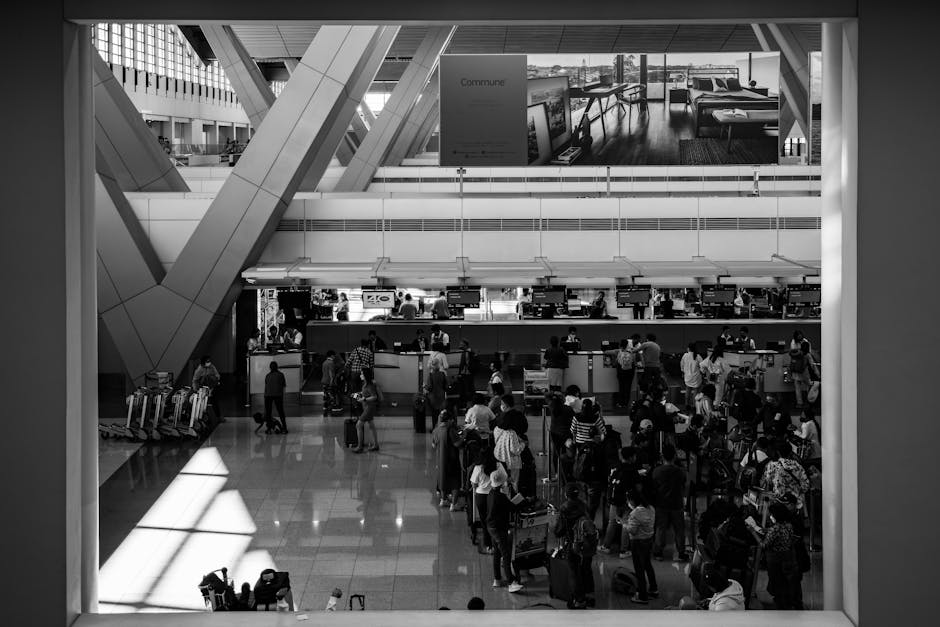
Arriving at the airport with ample time is critical. For domestic flights, arrive two hours early; for international flights, allow three hours. These windows account for check-in, security, and potential delays. Rushing increases stress and the risk of missing your flight.
Use airport maps available on airline or airport websites to locate your terminal and gate. Major hubs like Atlanta’s Hartsfield-Jackson or Chicago O’Hare have multiple concourses and long walking distances. Knowing your path in advance saves time and prevents last-minute sprints.
Security Screening: What to Expect
TSA security checkpoints are designed to ensure safety, but they can be time-consuming. Wear shoes that are easy to remove and avoid belts, jewelry, or excessive metal to speed up the process. Place laptops, tablets, and liquids in separate bins as required.
Consider enrolling in TSA PreCheck or CLEAR if you travel frequently. TSA PreCheck allows you to keep shoes, belts, and light jackets on, and leave laptops and compliant liquids in your bag. Approval takes a few weeks and costs $78 for five years. CLEAR uses biometric identification to expedite identity verification, costing $189 annually.
Even with expedited programs, lines can vary. Check real-time wait times using airport apps or websites like MyTSA. If security is backed up, notify a staff member—they may redirect you to a faster lane.
Finding Your Gate and Staying Informed
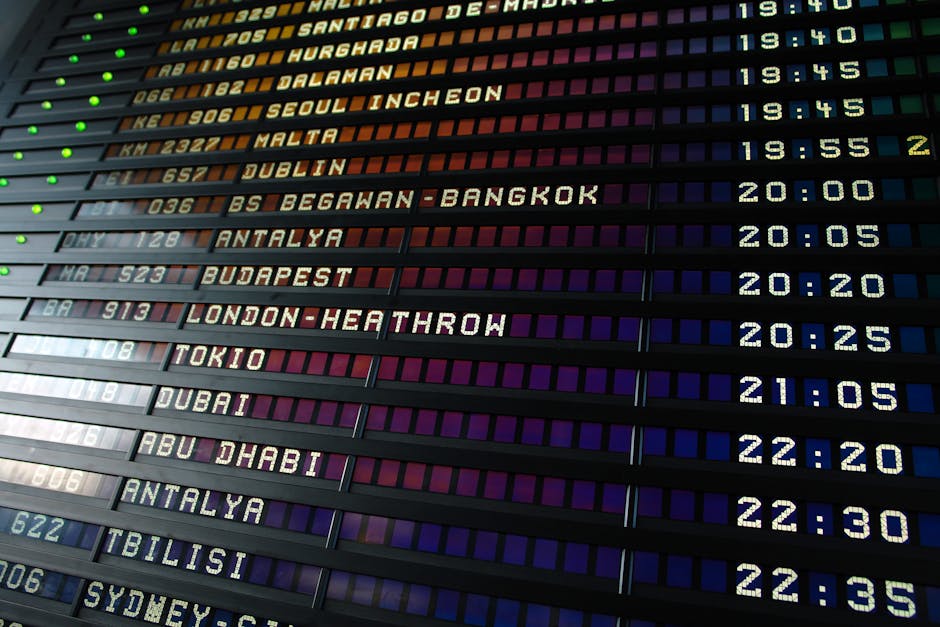
After clearing security, locate your gate using overhead signs or the airport’s mobile app. Download your airline’s app to receive real-time updates on gate changes, delays, or boarding announcements. These notifications are often faster than public displays.
Gate changes happen frequently, especially during peak travel times. A flight scheduled for Gate A12 might move to Gate C5 with little notice. Stay near your original gate area but remain alert to updates. Set your phone to silent but enable vibration so you don’t miss alerts.
Use downtime wisely. Charge your devices at designated stations, grab a snack, or review your itinerary. Many airports offer free Wi-Fi, though speeds may vary. Avoid public USB charging stations—use a portable charger instead to protect your data.
During the Flight: Comfort and Safety
Once onboard, prioritize comfort and safety. Stow your carry-on in the overhead bin or under the seat in front of you. Keep your personal item accessible for items like medications, headphones, or a change of clothes.
Fasten your seatbelt low and tight across your hips. Keep it fastened whenever seated, even if the seatbelt sign is off. Turbulence can occur unexpectedly, and injuries often happen when passengers are unrestrained.
Stay Comfortable in Your Seat
Airplane cabins are dry and pressurized, which can cause dehydration and fatigue. Drink water regularly—aim for 8 ounces per hour of flight. Avoid excessive alcohol or caffeine, as they increase dehydration and disrupt sleep.
Wear layers to adapt to changing cabin temperatures. A light jacket or scarf can make a long flight more comfortable. Compression socks help improve circulation on flights over four hours, reducing the risk of deep vein thrombosis (DVT).
Move periodically during long flights. Walk the aisle or do seated stretches every hour. Simple ankle rolls and shoulder shrugs promote blood flow and reduce stiffness.
Entertainment and Productivity
Most airlines offer in-flight entertainment via seatback screens or streaming to personal devices. Download movies, podcasts, or e-books before your flight to avoid relying on spotty Wi-Fi. Noise-canceling headphones improve audio quality and reduce ambient noise.
If working, bring a lightweight laptop or tablet. Use a privacy screen if handling sensitive information. Power outlets and USB ports are available on most long-haul flights, but not all regional jets. Confirm availability when booking.
Respect fellow passengers. Keep voices low, avoid reclining abruptly, and use headphones for audio. Small courtesies go a long way in maintaining a pleasant cabin environment.
After Landing: Baggage and Ground Transportation
Upon arrival, listen for baggage claim announcements. Check the display screens to confirm which carousel your flight’s luggage will use. Have your baggage tag receipt ready in case of inspection or lost luggage claims.
Inspect your bag before leaving the airport. Report damage or missing items immediately to the airline’s baggage service office. Most airlines require reporting within 24 hours for domestic flights and seven days for international travel.
Getting to Your Destination
Research ground transportation options before you land. Major airports offer taxis, rideshares (Uber, Lyft), shuttles, public transit, and rental cars. Compare costs and travel times. For example, a taxi from LAX to downtown Los Angeles may cost $60–$80, while the Metro Rail is under $2.
Rideshare pickup zones are often located in designated areas outside terminals. Follow signs carefully—picking up in unauthorized zones can result in fines or delays. Allow extra time during peak hours or bad weather.
If renting a car, reserve in advance for better rates. Inspect the vehicle for damage before driving off. Note fuel policy (full-to-full vs. pre-purchase) to avoid unexpected charges.
Special Considerations for Families and Travelers with Disabilities
Flying with children requires extra planning. Bring snacks, toys, and comfort items to keep kids occupied. Most airlines allow strollers and car seats to be checked at the gate. Request a bassinet for infants on long flights if available.
Notify the airline in advance if traveling with a service animal or medical equipment. Documentation may be required. Request wheelchair assistance when booking if needed—airports provide free transport from check-in to the gate.
Families with young children may board early. Use this time to settle in without the rush of other passengers. Keep boarding passes and IDs easily accessible for quick verification.
Common Mistakes to Avoid
One of the most frequent errors is arriving too late. Even with mobile check-in, unexpected delays can occur. Build in buffer time for traffic, parking, and security.
Another mistake is overpacking liquids or prohibited items. Common banned items include sharp objects, flammable materials, and certain batteries. Check the TSA website for an updated list before packing.
Ignoring airline policies can lead to fees or denied boarding. Review baggage rules, change fees, and seat selection policies when booking. Budget airlines often charge extra for seat assignments and carry-ons.
Finally, forgetfulness causes stress. Use a travel checklist app or printed list to track essentials: passport, phone charger, medications, and boarding pass. Double-check before leaving home and again before departure.
Final Tips for a Smooth Journey
A successful trip starts with preparation and ends with adaptability. Stay informed, pack wisely, and remain patient during delays. Air travel has its challenges, but with the right approach, it can be efficient and even enjoyable.
Keep digital and physical copies of important documents. Store them in separate locations—cloud storage and a printed backup in your luggage. This ensures access even if your phone is lost or damaged.
Lastly, be kind to airline and airport staff. They manage complex operations under pressure. A polite request or thank-you can make interactions smoother for everyone.
FAQ
How early should I arrive at the airport for an international flight?
Arrive at least three hours before your international departure. This allows time for check-in, security, customs (if applicable), and potential delays. Some busy airports may require even more time during peak seasons.
Can I bring my laptop in my carry-on bag?
Yes, laptops are allowed in carry-on luggage and must be removed and placed in a separate bin during security screening. Avoid packing them in checked bags to prevent damage or theft.
What should I do if my flight is delayed or canceled?
Check your airline’s app or website for updates. Contact customer service via phone or at the airport counter. You may be eligible for rebooking, refunds, or compensation depending on the cause and airline policy.