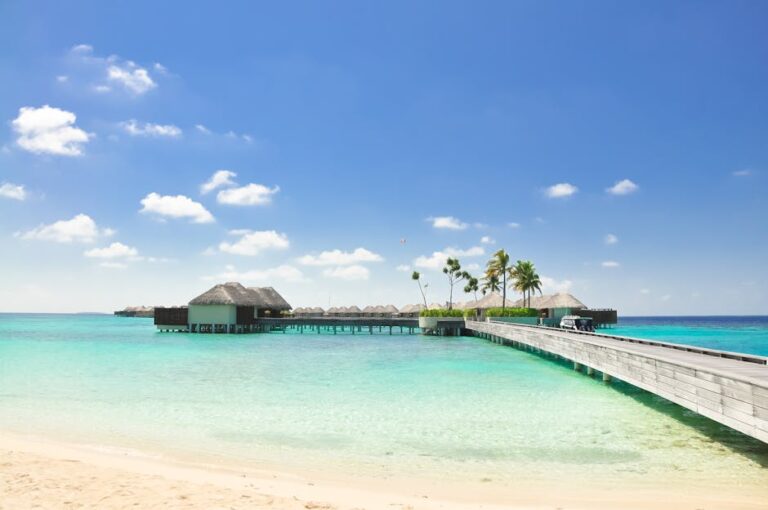

Beach Travel Guide for Exploring Oceanfront Destinations
Planning a trip to the coast? This beach travel guide helps you discover the best oceanfront destinations, from hidden coves to vibrant shorelines. Whether you’re after sunbathing, snorkeling, or seaside dining, we cover what to expect, where to go, and how to make the most of your coastal adventure. With practical tips and real-world examples, this guide ensures your next beach getaway is both enjoyable and stress-free.
Why Choose an Oceanfront Destination?
Oceanfront destinations offer more than just scenic views. They provide access to clean beaches, marine activities, and a relaxed pace of life. Unlike inland resorts, coastal areas often feature open-air restaurants, walking paths, and direct beach access.
These locations also tend to have better air quality due to sea breezes and lower pollution levels. Many travelers find the sound of waves and the smell of salt air contribute to improved sleep and reduced stress.
Benefits of Coastal Travel
Coastal trips support mental well-being through natural surroundings. Studies show that time near water can lower cortisol levels and improve mood. The combination of sunlight, fresh air, and physical activity—like swimming or beach walks—boosts overall health.
Oceanfront destinations often have stronger local economies centered on tourism. This means better-maintained facilities, more dining options, and organized events like beach festivals or farmers’ markets.
What to Expect at the Shore
Expect a mix of relaxation and activity. Most beaches offer lounging areas, restrooms, and nearby cafes. Some include lifeguard stations, especially in popular tourist zones.
Weather can change quickly near the water. Mornings may be cool and foggy, while afternoons warm up. Always check the forecast and pack layers, even in summer.
Top Oceanfront Destinations to Visit
Choosing the right beach depends on your interests. Some travelers prefer quiet, undeveloped shores, while others enjoy lively boardwalks and nightlife. Below are standout destinations that cater to different tastes.
Waikiki Beach, Hawaii
Waikiki is one of the most famous beaches in the world. Located on Oahu’s south shore, it offers consistent waves, soft sand, and a backdrop of high-rise hotels. It’s ideal for beginners learning to surf, with many schools offering lessons.
The beach is lined with restaurants, shops, and cultural sites like the Duke Kahanamoku Statue. While it can get crowded, early mornings offer a quieter experience. Sunset views over Diamond Head are unforgettable.
Myrtle Beach, South Carolina
Myrtle Beach stretches for 60 miles along the Atlantic coast. It’s known for its family-friendly atmosphere, amusement parks, and golf courses. The boardwalk features arcades, live music, and seasonal fireworks.
The water is warm enough for swimming from late spring through early fall. Lifeguards patrol the main sections, and beach access points are clearly marked. Parking can be limited during peak season, so arrive early.
Outer Banks, North Carolina
The Outer Banks is a string of barrier islands with wide, uncrowded beaches. It’s perfect for those seeking solitude and natural beauty. The area includes historic lighthouses, wild horses, and maritime forests.
Fishing, kiteboarding, and kayaking are popular here. The water is cooler than in the Gulf, so a wetsuit may be needed for extended swimming. Be aware of rip currents, especially in the fall.
Clearwater Beach, Florida
Clearwater Beach is known for its powdery white sand and calm, clear waters. It’s a top choice for families and couples. The beach has a wide shoreline, making it easy to find space even on busy days.
The nearby Pier 60 hosts a nightly sunset celebration with street performers and vendors. Dining options range from casual seafood shacks to upscale waterfront restaurants. Parking is available but fills up quickly.
Cannon Beach, Oregon

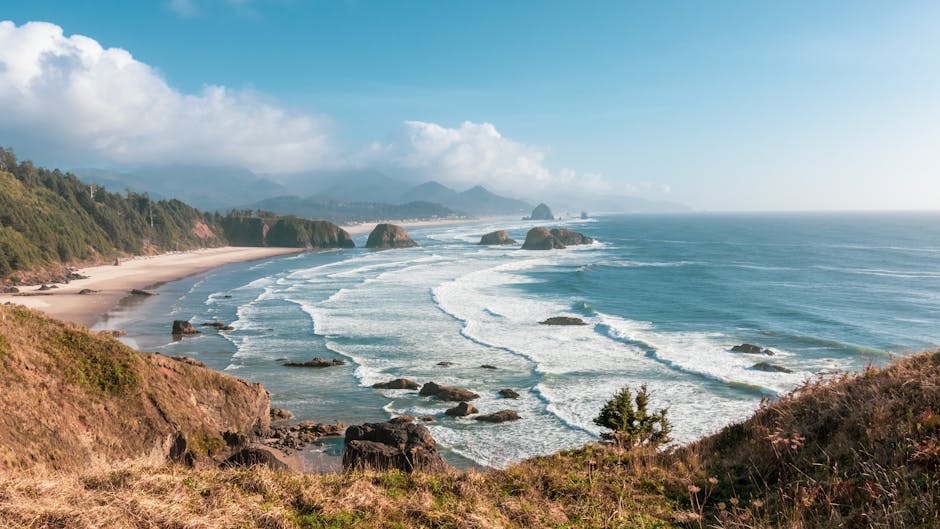
Cannon Beach offers dramatic scenery with basalt sea stacks and tide pools. The iconic Haystack Rock rises 235 feet above the shore and is home to seabirds and marine life. It’s a favorite for photographers and nature lovers.
The beach is less developed than others on this list, with a small town vibe. Rain is common, so pack waterproof gear. Winter storms can create impressive waves, attracting surfers and storm watchers.
How to Plan Your Beach Trip
Good planning prevents common travel headaches. Start by choosing your destination based on season, budget, and activities. Then, book accommodations and transportation early, especially for peak times.
Research local rules and beach conditions. Some areas restrict alcohol, pets, or bonfires. Others require permits for parking or camping. Always check official tourism websites for updates.
Best Time to Visit
Timing affects everything from crowds to weather. In the Caribbean and Gulf Coast, winter and spring offer warm temperatures and fewer storms. Summer brings higher prices and peak tourism.
On the Pacific Coast, late summer and early fall often have the best weather. Northern beaches like those in Oregon or Washington are coolest in winter and warmest in July and August.
Avoid hurricane season (June to November in the Atlantic) if possible. Even if storms don’t hit directly, they can disrupt travel plans and beach access.
Accommodation Options
Hotels and resorts line most popular beaches, offering ocean views and direct access. Vacation rentals provide more space and kitchen facilities, ideal for families or longer stays.
For a unique experience, consider beachfront campgrounds or eco-lodges. These often offer a closer connection to nature and lower costs. Book well in advance, especially in national parks or remote areas.
Always read recent reviews before booking. Look for mentions of cleanliness, noise levels, and proximity to the beach. Some “oceanfront” listings are several blocks from the water.
Packing Essentials
Pack light but smart. Essentials include sunscreen (SPF 30 or higher), a wide-brimmed hat, sunglasses, and a reusable water bottle. Bring a beach towel, flip-flops, and a waterproof bag for electronics.
Don’t forget a first-aid kit with bandages, antiseptic, and motion sickness tablets. If you plan to snorkel or swim, pack a mask, snorkel, and water shoes for rocky areas.
For families, bring sand toys, a portable cooler, and extra clothes. Babies and young children need shade, so consider a pop-up beach tent.
Safety Tips for Beachgoers
Staying safe ensures your trip remains enjoyable. Most beach injuries are preventable with awareness and preparation. Always prioritize your well-being and that of your group.
Understanding Rip Currents
Rip currents are powerful, narrow channels of fast-moving water. They pull swimmers away from shore and cause panic. If caught in one, don’t swim directly back. Instead, swim parallel to the shore until you’re out of the current.
Look for signs of rip currents: choppy, discolored water, or a break in the wave pattern. Lifeguards often post flags—green for safe conditions, yellow for caution, red for danger.
Never swim alone. If someone is in trouble, alert a lifeguard or call for help. Don’t attempt a rescue unless trained.
Sun and Heat Protection
Sunburn can occur in under 15 minutes on a clear day. Apply sunscreen 30 minutes before going outside and reapply every two hours or after swimming. Use a broad-spectrum formula that protects against UVA and UVB rays.
Seek shade during peak sun hours (10 a.m. to 4 p.m.). Wear protective clothing like rash guards or long-sleeve swim shirts. Stay hydrated by drinking water regularly, even if you don’t feel thirsty.
Heat exhaustion is a risk, especially for children and older adults. Symptoms include dizziness, nausea, and fatigue. Move to a cool place and sip water if these occur.
Wildlife and Environmental Awareness
Respect local wildlife. Don’t feed birds, fish, or marine mammals. Feeding can harm their health and make them dependent on humans. Keep food stored securely to avoid attracting animals.
Avoid stepping on coral reefs or disturbing tide pools. These ecosystems are fragile and take years to recover from damage. Use reef-safe sunscreen to reduce chemical pollution.
Pack out all trash, including food wrappers and cigarette butts. Leave shells, rocks, and sand in place—they’re part of the natural environment.
Activities to Enjoy on the Coast
Oceanfront destinations offer more than sunbathing. From water sports to cultural experiences, there’s something for every traveler. Mix relaxation with adventure to make your trip memorable.
Water Sports and Recreation
Surfing, paddleboarding, and kayaking are popular at many beaches. Rental shops often provide gear and lessons. Surf spots like Huntington Beach, California, attract enthusiasts year-round.
Snorkeling and scuba diving reveal underwater worlds. Destinations like Key Largo, Florida, and Maui, Hawaii, offer clear waters and vibrant coral reefs. Always dive with a buddy and follow local guidelines.
Fishing is another favorite activity. You can cast a line from the shore, book a charter, or try deep-sea fishing. Check local regulations for licenses and catch limits.
Beach Walks and Nature Trails
Many coastlines have walking paths that follow the shore or climb coastal bluffs. These trails offer stunning views and opportunities to spot wildlife. The Pacific Coast Trail in California spans over 1,200 miles.
Early morning walks are peaceful and often cooler. Look for seashells, seabirds, and tide pools exposed at low tide. Bring a guidebook to identify local plants and animals.
Some beaches allow horseback riding. This unique experience lets you cover more ground while enjoying the scenery. Check with local stables for availability and safety requirements.
Dining and Local Culture
Coastal towns often have strong culinary identities. Fresh seafood, tropical fruits, and regional dishes define the menu. Try fish tacos in Baja California, clam chowder in New England, or ceviche in Peru.
Visit farmers’ markets for local produce and handmade goods. Many beach towns host weekly markets with live music and food trucks. It’s a great way to support small businesses.
Attend cultural events like seafood festivals, art shows, or boat parades. These gatherings offer insight into local traditions and a chance to meet residents.
Eco-Friendly Beach Travel
Traveling sustainably protects the places you love. Simple choices reduce your impact and help preserve beaches for future generations. Start with mindful habits and responsible planning.
Reduce Plastic Use
Single-use plastics are a major pollutant in oceans. Bring reusable bags, bottles, and containers. Avoid straws, utensils, and packaging that can’t be recycled.
Choose reef-safe sunscreen to prevent coral damage. Chemicals like oxybenzone harm marine life. Look for mineral-based options with zinc oxide or titanium dioxide.
Participate in beach cleanups if available. Many organizations host volunteer events. Even picking up a few pieces of trash makes a difference.
Support Local Economies
Eat at family-owned restaurants and shop at local stores. Your spending supports community jobs and reduces the carbon footprint of imported goods.
Book tours and activities with local guides. They offer authentic experiences and often share knowledge about conservation efforts.
Avoid souvenirs made from endangered species or natural resources. Instead, choose items crafted by local artisans.
Travel Responsibly
Use public transportation, bike, or walk when possible. Parking near beaches is often limited and expensive. Carpooling reduces traffic and emissions.
Respect quiet hours and local customs. Loud music, bonfires, or drones may be prohibited. Follow posted rules to avoid fines or conflicts.
Leave no trace. Take all belongings and trash with you. Even biodegradable items like fruit peels can disrupt local ecosystems.
Final Tips for a Great Beach Experience
Start your day early to secure parking and avoid crowds. Mornings are also cooler and ideal for walking or swimming. Bring a thermos of coffee or tea to enjoy by the water.
Check tide schedules if you plan to explore tide pools or go shelling. Low tide reveals the most marine life and hidden coves. Use a tide app or local signage for timing.
Stay flexible. Weather, closures, or unexpected events can change plans. Have backup activities like visiting a museum, shopping, or trying a new restaurant.
Take photos, but also put the camera down. Some of the best memories come from simply watching the waves or talking with locals.
FAQ
What should I pack for a beach vacation?
Pack sunscreen, a hat, sunglasses, swimwear, a towel, water shoes, and a reusable bottle. Include a first-aid kit, waterproof phone case, and extra clothes. Don’t forget medications and travel documents.
How can I avoid crowds at popular beaches?
Visit early in the morning or late in the afternoon. Choose weekdays over weekends, and consider lesser-known beaches nearby. Research off-season travel times for fewer tourists.
Is it safe to swim at all oceanfront destinations?
Not always. Check for lifeguard presence, posted warnings, and water conditions. Avoid swimming during storms or in areas with strong currents. When in doubt, ask locals or park rangers for advice.