Best Adventure Travel Destinations for Scenic Road Trips
Planning a scenic road trip that combines breathtaking landscapes with real adventure? You’re in the right place. The best adventure travel destinations for scenic road trips offer more than just pretty views—they deliver unforgettable experiences, from winding mountain passes to coastal cliffs and remote deserts. Whether you’re driving solo, with friends, or family, these routes promise stunning scenery, hidden gems, and the freedom to explore at your own pace.
This guide highlights top destinations known for their dramatic landscapes, well-maintained roads, and adventure-ready infrastructure. Each location includes practical tips on timing, road conditions, must-see stops, and safety considerations. From the Pacific Coast Highway to Iceland’s Ring Road, these journeys are designed for travelers who crave both beauty and excitement.
Why Scenic Road Trips Make the Ultimate Adventure
Road trips offer unmatched flexibility compared to other forms of travel. You control the itinerary, pace, and stops. Unlike guided tours or flights, a scenic drive lets you pull over at a waterfall, hike a trail, or watch a sunset without rushing.
Adventure doesn’t always mean extreme sports. For many, it’s about discovery—finding a quiet lake, meeting locals in a mountain village, or camping under a sky full of stars. Scenic road trips blend comfort with exploration, making them ideal for both seasoned adventurers and first-time travelers.
Modern vehicles, GPS apps, and roadside services have made long-distance driving safer and more accessible. With proper planning, even remote routes can be tackled with confidence.
Top 10 Adventure Travel Destinations for Scenic Road Trips
1. Pacific Coast Highway, California, USA
Stretching over 650 miles from San Francisco to San Diego, the Pacific Coast Highway (PCH) is one of the most iconic scenic drives in the world. The route hugs the coastline, offering panoramic views of the Pacific Ocean, rugged cliffs, and redwood forests.
Key stops include Big Sur, Monterey’s 17-Mile Drive, and Hearst Castle. The stretch between Carmel and San Simeon is particularly dramatic, with frequent pullouts for photos and short hikes.
Best time to go: Late spring to early fall. Winter storms can close parts of Highway 1, especially near Big Sur. Always check road conditions before departing.
2. Ring Road, Iceland
Iceland’s Route 1, known as the Ring Road, circles the entire island and covers about 828 miles. It passes waterfalls, glaciers, black sand beaches, and volcanic landscapes. This is one of the best adventure travel destinations for those seeking raw, otherworldly beauty.
Highlights include Seljalandsfoss and Skógafoss waterfalls, the Jökulsárlón glacier lagoon, and the geothermal area of Mývatn. The road is paved for most of the route, but weather can change rapidly.
Best time to go: June to August for full access. Winter driving requires a 4×4 and experience with icy conditions. Always carry emergency supplies.
3. Great Ocean Road, Australia
This 151-mile coastal drive in Victoria runs from Torquay to Allansford. It’s famous for the Twelve Apostles limestone stacks, lush rainforests, and surf towns like Bells Beach.
The road winds through national parks and small coastal villages. Stop at the Otway Fly Treetop Walk or take a detour to the Grampians for hiking.
Best time to go: October to April for warmer weather. Summer can be busy; book accommodations in advance.
4. Trollstigen, Norway
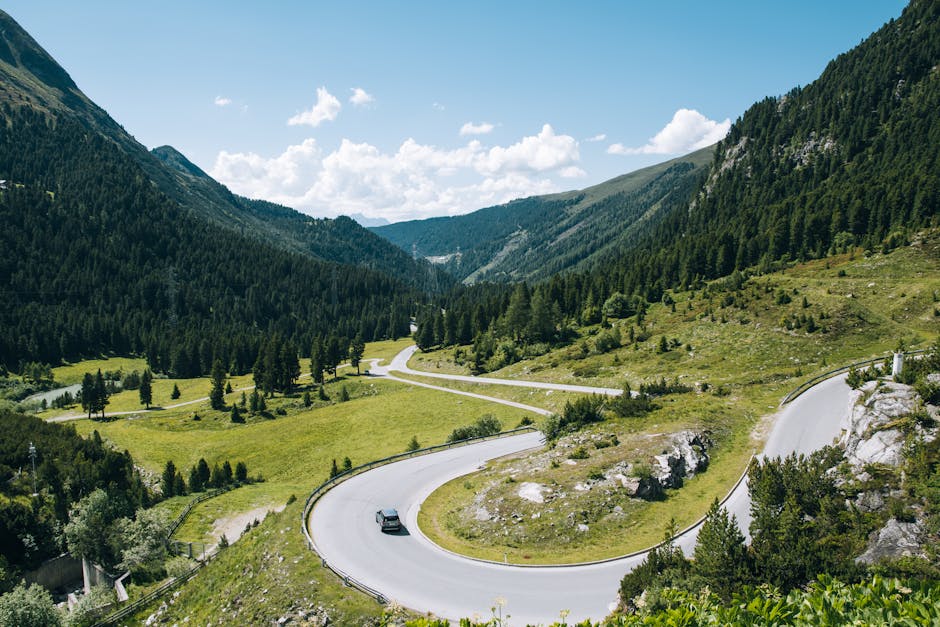
Known as the “Troll’s Path,” this 66-mile route in western Norway features steep inclines, 11 sharp switchbacks, and stunning fjord views. It connects Åndalsnes to Valldal and is part of the larger Norwegian Scenic Routes network.
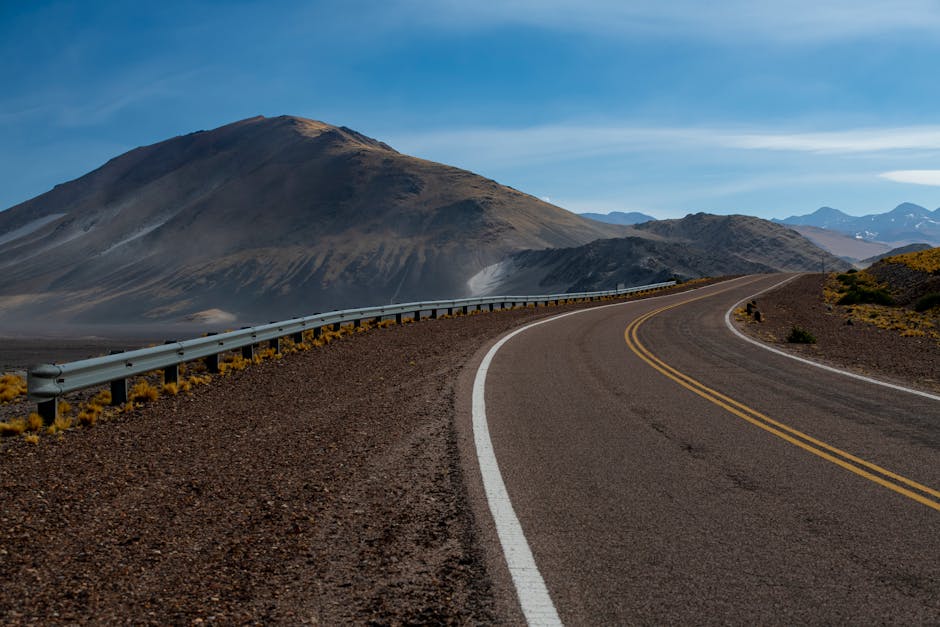
The road is narrow and winding, with frequent tunnels and viewpoints. It’s closed in winter due to snow and ice. A must-see is the Stigafossen waterfall, which drops 1,000 feet down the mountainside.
Best time to go: Late May to September. Check for seasonal closures and construction updates.
5. Garden Route, South Africa
Running along the southeastern coast from Mossel Bay to Storms River, the Garden Route is a 190-mile stretch of forests, lakes, and beaches. It’s one of Africa’s most popular scenic drives.
Visit Tsitsikamma National Park for hiking and bungee jumping, or explore the Cango Caves near Oudtshoorn. The town of Knysna offers waterfront dining and oyster tastings.
Best time to go: Year-round, but spring (September–November) offers mild weather and fewer crowds.
6. Icefields Parkway, Canada
Connecting Banff and Jasper National Parks in Alberta, this 144-mile drive is one of the most scenic in North America. It passes glaciers, turquoise lakes, and snow-capped peaks.
Key stops include Lake Louise, Peyto Lake, and the Columbia Icefield, where you can walk on a glacier with a guided tour. Wildlife sightings—elk, bears, and mountain goats—are common.
Best time to go: June to September. Some high-elevation areas may be snow-covered into early summer.
7. Amalfi Coast, Italy
This 31-mile coastal road from Sorrento to Salerno clings to cliffs above the Tyrrhenian Sea. It’s narrow, winding, and often congested, but the views are unmatched.
Stop in Positano, Amalfi, and Ravello for colorful villages, lemon groves, and historic churches. The drive is best done in a small car or scooter to navigate tight turns.
Best time to go: April to June or September to October. Summer traffic can be overwhelming.
8. Dalton Highway, Alaska, USA
One of the most remote roads in North America, the Dalton Highway stretches 414 miles from the Elliott Highway to Deadhorse near the Arctic Ocean. It’s primarily used by truckers but attracts adventurous travelers.
The route crosses the Arctic Circle, passes through the Brooks Range, and offers views of the vast tundra. Wildlife includes caribou, moose, and grizzly bears.
Best time to go: June to August. The road is unpaved in sections and services are sparse. Carry extra fuel, food, and emergency gear.
9. North Coast 500, Scotland
Dubbed “Scotland’s Route 66,” this 516-mile loop starts and ends in Inverness. It circles the northern coast, passing castles, beaches, and the dramatic cliffs of Duncansby Head.
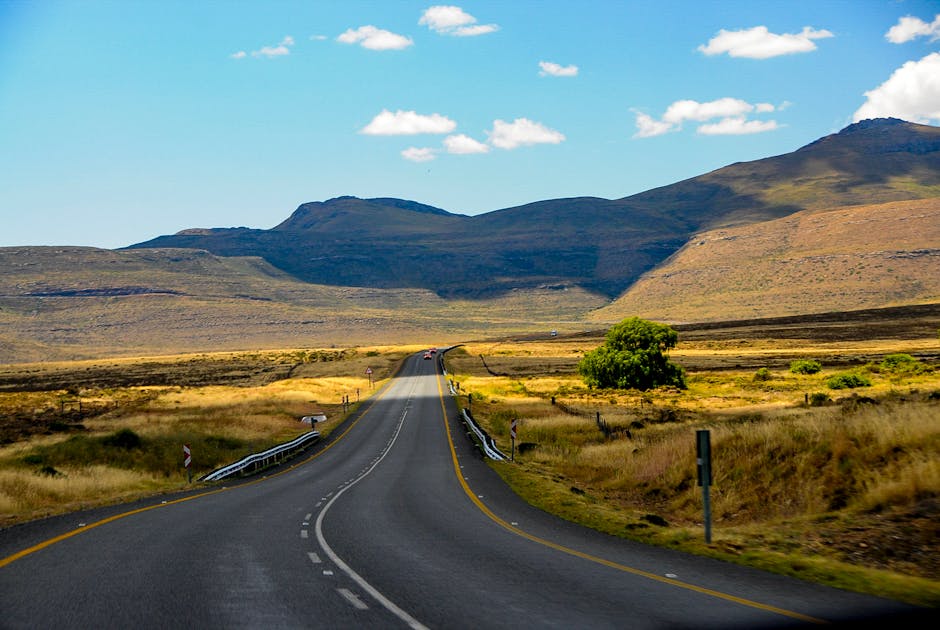
The route includes the scenic Applecross Pass and the historic town of Ullapool. Many roads are single-track with passing places—driving etiquette is essential.
Best time to go: May to September. Weather can be unpredictable; pack layers and rain gear.
10. Great Alpine Road, Australia
Running through Victoria’s High Country, this 175-mile route connects Wangaratta to Bairnsdale. It passes through alpine towns, vineyards, and the foothills of the Australian Alps.
Highlights include Mount Hotham for skiing, the historic gold rush town of Bright, and the Gippsland Lakes. The road is well-maintained and suitable for RVs.
Best time to go: December to March for summer hiking, or June to August for snow sports.
How to Plan Your Scenic Road Trip Adventure
Step 1: Choose the Right Destination
Match your destination to your interests. Love the ocean? Try the Pacific Coast Highway. Prefer mountains? The Icefields Parkway or Trollstigen may suit you better.
Consider your travel style. Are you looking for luxury stops or off-grid camping? Some routes have full services, while others require self-sufficiency.
Step 2: Check Road Conditions and Seasonal Closures
Not all scenic roads are open year-round. Mountain passes, desert routes, and Arctic roads often close due to snow, flooding, or maintenance.
Use official transportation websites or apps like Roadtrippers or Google Maps to check real-time conditions. Sign up for alerts if available.
Step 3: Prepare Your Vehicle
Ensure your car is in good condition. Check tires, brakes, fluids, and battery. For remote areas, consider a full-size spare tire and jumper cables.
Rent a vehicle suited to the terrain. A 4×4 is essential for routes like the Dalton Highway or parts of Iceland’s Ring Road.
Step 4: Pack Smart
Bring layers, rain gear, and sturdy footwear. Even in summer, mountain and coastal areas can be chilly.
Pack a first-aid kit, flashlight, portable charger, and paper maps. GPS signals can drop in remote areas.
Step 5: Book Accommodations in Advance
Popular routes fill up quickly, especially in peak season. Reserve campsites, lodges, or hotels ahead of time.
Consider a mix of stays—some nights in towns for comfort, others in national parks for immersion.
Safety Tips for Adventure Road Trips
Always let someone know your itinerary. Share your route and expected return date with a friend or family member.
Carry emergency supplies: water, non-perishable food, blankets, and a fire starter. In remote areas, help may be hours away.
Be aware of wildlife. In places like Alaska or Canada, know how to store food and react to bear encounters.
Avoid driving at night on unfamiliar or poorly lit roads. Fatigue and poor visibility increase accident risk.
What to Expect on the Road
Scenic road trips are about the journey, not just the destination. Expect delays—whether from a sudden rainstorm, a herd of elk crossing the road, or a spontaneous stop at a roadside market.
Cell service may be spotty. Download offline maps and translation apps if traveling internationally.
Fuel stations can be far apart on long routes. Fill up whenever possible, especially in rural or mountainous areas.
Making the Most of Your Adventure
Take your time. Rushing through a scenic route defeats the purpose. Plan for extra days to explore side trails, visit local museums, or simply relax by a lake.
Talk to locals. They often know the best hidden spots—waterfalls, viewpoints, or family-run cafes—that aren’t in guidebooks.
Keep a travel journal or take photos. These memories last longer than any souvenir.
FAQ
What is the best time of year for a scenic road trip?
It depends on the destination. Coastal routes like the Pacific Coast Highway are best in late spring to early fall. Mountain and Arctic routes, such as the Dalton Highway or Trollstigen, are ideal in summer when roads are clear.
Do I need a special vehicle for scenic road trips?
For most paved scenic routes, a standard car is sufficient. However, remote or rugged destinations—like parts of Iceland or Alaska—may require a 4×4 vehicle for safety and access.
How can I stay safe on a long road trip?
Plan your route, check weather and road conditions, carry emergency supplies, and avoid driving when tired. Always inform someone of your plans and expected arrival times.