Travel Tips Guide for Group Travel Planning Advice
Planning a trip with friends, family, or coworkers can be exciting—but also stressful without the right approach. A solid travel tips guide for group travel planning advice helps you avoid common pitfalls like miscommunication, budget overruns, and scheduling conflicts. Whether you’re organizing a weekend getaway or a two-week international adventure, success starts with clear communication, shared expectations, and smart logistics. This guide walks you through every step, from choosing a destination to returning home smoothly.
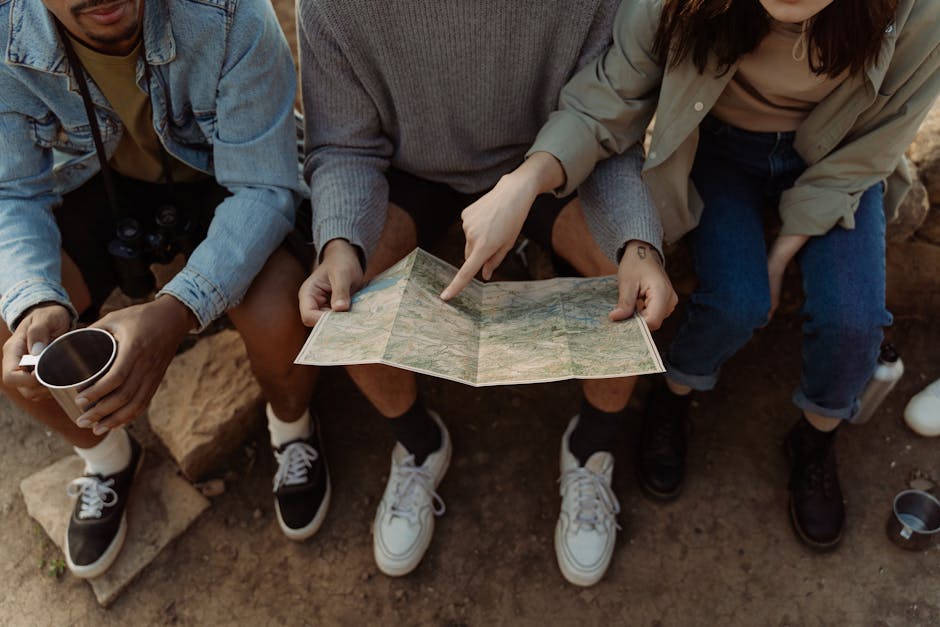
Start with a Group Meeting (Even If It’s Virtual)
Before booking anything, gather your group for a planning session. This doesn’t need to be formal—just a focused conversation about goals, budgets, and preferences. Use video calls if everyone can’t meet in person.
Ask each person to share their top priorities: Are they looking for relaxation, adventure, culture, or nightlife? Knowing these early prevents disappointment later. For example, one person might want beach time while another prefers hiking—finding a destination that offers both keeps everyone happy.
Set a Shared Budget Early
Money is the number one source of tension in group trips. Agree on a per-person budget that includes flights, lodging, food, activities, and emergency funds. Be transparent about what’s included and what’s not.
Use tools like Google Sheets or apps such as Splitwise to track expenses in real time. This prevents misunderstandings and ensures no one feels shortchanged. If someone can’t afford the full amount, discuss options like cheaper accommodations or fewer paid activities.
Choose the Right Destination
Not all destinations work well for groups. Consider factors like ease of transportation, availability of group-friendly lodging, and variety of activities. Cities like Barcelona, Tokyo, or Denver often appeal to diverse interests.
Avoid places with limited infrastructure or high costs that could strain your budget. For instance, a remote island might sound romantic, but limited flights and expensive villas could cause friction. Instead, opt for a well-connected city with hostels, vacation rentals, or hotels that offer group discounts.
Check Visa and Entry Requirements
Don’t assume everyone has the same passport privileges. Research visa requirements for your destination and ensure all travelers have valid documents. Some countries require proof of return tickets or vaccination records.
Start this process at least two months in advance. Delays in processing can derail your entire trip. Share a checklist with the group so no one misses a critical step.
Book Accommodations That Fit Your Group
Hotels, hostels, and vacation rentals each have pros and cons for groups. Hotels offer privacy and services but can be expensive. Hostels are budget-friendly but may lack space. Vacation rentals provide common areas and kitchens—ideal for families or longer stays.
Look for properties with multiple bedrooms, a living room, and laundry facilities. Airbnb and Vrbo often list “entire place” rentals suitable for groups. Read recent reviews to confirm cleanliness and host responsiveness.
Assign a Point Person for Bookings
Designate one person to handle reservations to avoid duplicate or conflicting bookings. This person should keep a master itinerary and share updates regularly. Use shared calendars or apps like TripIt to keep everyone informed.
If possible, book refundable options in case plans change. Non-refundable deals might save money upfront but can lead to losses if someone drops out last minute.
Plan Transportation Wisely
Group travel often means coordinating flights, trains, or rental cars. Book flights together if possible to ensure everyone arrives around the same time. Use fare comparison sites like Google Flights or Skyscanner to find the best deals.
For local transport, consider renting a minivan or using ride-sharing apps. Public transit works well in cities like London or Tokyo, but rural areas may require a car. Always check if your driver’s license is valid in the destination country.
Prepare for Delays and Disruptions
Flights get delayed, trains get canceled, and weather changes plans. Build buffer time into your schedule—especially on arrival and departure days. Pack essentials like chargers, snacks, and a change of clothes in carry-ons.
Share contact information and emergency plans with the group. Know the location of your country’s embassy and local emergency numbers. Travel insurance can also cover unexpected cancellations or medical issues.
Create a Flexible Itinerary
A detailed itinerary helps keep the group on track, but rigidity causes stress. Include must-see attractions and free time for spontaneity. For example, schedule a morning museum visit but leave afternoons open for shopping or napping.
Use apps like Google Maps to save locations and share them with the group. Print a copy of the itinerary as a backup in case phones die or lose signal.
Balance Group Time and Personal Space
Not everyone wants to do everything together. Allow for solo exploration or smaller subgroup activities. Some travelers may prefer quiet cafes while others seek nightlife—respect these differences.
Schedule regular check-ins to see how everyone is feeling. A quick “How’s everyone doing?” can prevent small frustrations from escalating.
Manage Food and Dining
Dining out as a group can be fun but logistically tricky. Research restaurants that accept reservations and can accommodate large parties. Avoid peak hours to reduce wait times.
Consider cooking some meals if your accommodation has a kitchen. Grocery shopping together can be an activity in itself and saves money. Apps like OpenTable or TheFork help find group-friendly spots.
Accommodate Dietary Restrictions
Ask about allergies, intolerances, or dietary preferences early. Vegetarian, gluten-free, or halal options aren’t available everywhere. In countries like India or Thailand, dietary needs are easier to meet, but in rural Europe, it may require extra planning.
Carry snacks for emergencies and inform restaurants in advance when possible. A simple email or call can make a big difference.
Handle Money and Payments Fairly
Decide upfront how expenses will be split. Will everyone pay their own way, or will costs be shared equally? Shared costs work well for accommodations and group tours, but individual meals might be better paid separately.
Use digital payment tools like PayPal, Venmo, or Revolut to settle debts quickly. Avoid carrying large amounts of cash—use ATMs or credit cards with no foreign transaction fees.
Track Spending in Real Time
Apps like Splitwise or Tricount let you log expenses as they happen. Everyone can see who owes what, reducing awkward conversations later. Update the tracker daily to stay on top of balances.
If someone pays for a group meal, they can enter the total and the app divides it automatically. This prevents math errors and keeps trust high.
Pack Smart for the Group
Coordinate packing to avoid duplicates. One person can bring a first-aid kit, another a portable charger, and someone else a travel adapter. Share a packing list via email or a group chat.
Check airline baggage policies to avoid surprise fees. Some budget carriers charge extra for checked bags, so pack light or split items among group members.
Prepare for Different Climates
If your trip includes multiple climates—like a mountain hike followed by a beach day—pack versatile clothing. Layering works well for temperature changes. Bring waterproof jackets even if the forecast looks clear.
Share gear when possible. One tent, one set of cooking utensils, or one guidebook can serve the whole group. Just label items to avoid confusion.
Stay Connected and Safe
Ensure everyone has a way to communicate. Buy local SIM cards or use international roaming plans. WhatsApp, Telegram, or Signal work well for group chats without extra charges.
Share your itinerary with someone back home. Check in regularly, especially if traveling to remote areas. Register with your embassy if required.

Know Local Laws and Customs
Research cultural norms before you go. In some countries, public displays of affection or certain clothing styles are frowned upon. Dress codes for temples or religious sites may require covered shoulders or removed shoes.
Learn a few basic phrases in the local language. Saying “hello,” “thank you,” and “excuse me” goes a long way in building goodwill.
Resolve Conflicts Gracefully
Disagreements are normal in group travel. Address issues calmly and privately. Avoid public arguments that can ruin the mood for everyone.
Use “I” statements instead of blaming. For example, say “I felt left out when we didn’t check in” rather than “You never include me.” Focus on solutions, not fault.
Appoint a Mediator if Needed
If tensions rise, choose a neutral person to help resolve disputes. This could be the trip organizer or someone known for diplomacy. Their role is to listen and suggest compromises.
Remember: the goal is a memorable trip, not perfection. Let small things go and prioritize group harmony.
Wrap Up and Reflect
After returning home, send a thank-you message to the group. Share photos and favorite moments. This strengthens relationships and sets the stage for future trips.
Discuss what worked and what didn’t. Did the budget hold? Was the itinerary too packed? Use these insights to improve your next group travel planning advice.
Final Thoughts
A successful group trip isn’t about flawless execution—it’s about thoughtful preparation and mutual respect. With the right travel tips guide for group travel planning advice, you can minimize stress and maximize enjoyment. Start early, communicate openly, and stay flexible. The best memories often come from the unexpected moments, not the perfect plan.
FAQ
How far in advance should I start planning a group trip?
Start at least 3–6 months ahead, especially for international destinations. This gives time for visa processing, flight deals, and group coordination.
What’s the best way to split costs in a group?
Use apps like Splitwise to track shared expenses. Decide upfront whether costs are split equally or individually, and update the tracker daily.
How do I handle someone who drops out last minute?
Have a backup plan for rebooking or redistributing costs. Choose refundable options when possible, and discuss cancellation policies before booking.