Best Travel Destinations for Offbeat Travel Experiences
Looking beyond crowded tourist hubs? The best travel destinations for offbeat travel experiences offer authentic culture, untouched landscapes, and unique adventures without the crowds. From remote villages in the Caucasus to hidden islands in Southeast Asia, these lesser-known spots deliver rich stories and meaningful connections. Whether you’re drawn to ancient traditions, surreal geography, or quiet solitude, these destinations redefine what travel can be—personal, unexpected, and deeply rewarding.
Why Choose Offbeat Travel?
Offbeat travel isn’t just about avoiding tourist traps—it’s about engaging more deeply with a place. You’ll interact with locals on their terms, discover traditions that haven’t been commercialized, and experience landscapes in their natural state.
These journeys often require more planning, but the payoff is a richer, more memorable trip. You trade convenience for authenticity, and in return, gain stories few others can tell.
Benefits of Exploring the Unexplored
One major advantage is cost. Popular destinations often come with inflated prices for lodging, tours, and food. Offbeat locations tend to be more affordable, stretching your budget further.
You also reduce your environmental impact. Mass tourism strains local resources and ecosystems. By visiting less-traveled areas, you help distribute tourism’s economic benefits more evenly while minimizing overcrowding.
What to Expect When Traveling Off the Beaten Path
Expect unpredictability. Infrastructure may be limited. English might not be widely spoken. Schedules can be loose, and Wi-Fi spotty. But these aren’t drawbacks—they’re part of the charm.
Travelers who embrace the unknown often return with a renewed sense of curiosity and resilience. Flexibility becomes your greatest asset.
Top Offbeat Destinations Around the World
Below are carefully selected locations that offer truly unique experiences. Each destination stands out for its culture, landscape, or way of life—far from the standard itinerary.
Lofoten Islands, Norway
With jagged peaks rising directly from the Arctic Ocean, Lofoten feels like a place frozen in time. Fishing villages cling to rocky shores, and red cabins dot the coastline against a backdrop of fjords and waterfalls.
This is one of the best travel destinations for offbeat travel experiences in Europe. Hike to Reinebringen for panoramic views, fish for cod with local families, or watch the midnight sun in summer. In winter, the northern lights dance overhead.
Siwa Oasis, Egypt
Tucked between salt lakes and sand dunes in the Western Desert, Siwa feels worlds away from Cairo. This ancient Berber settlement has preserved its language, architecture, and traditions for centuries.
Stay in eco-lodges made of mud brick, bathe in natural springs, and explore the ruins of the Oracle of Amun, where Alexander the Great once sought counsel. The isolation adds to its mystique.
Svaneti, Georgia
High in the Caucasus Mountains, Svaneti is a region of medieval stone towers, alpine meadows, and fiercely independent communities. The UNESCO-listed village of Ushguli is one of Europe’s highest inhabited settlements.
Trek through valleys where wolves and bears still roam. Stay with local families who serve homemade cheese and chacha (grape brandy). The region’s isolation has preserved its culture, but roads are improving, making access easier than ever.
Faroe Islands
This North Atlantic archipelago belongs to Denmark but feels entirely its own. With grass-roof houses, dramatic cliffs, and sheep outnumbering people, the Faroes offer solitude and raw beauty.
Hike to the edge of sea stacks, take a boat through narrow fjords, or attend a local folk music night. The islands are gaining attention, but remain far from overrun.
Tanna Island, Vanuatu
Home to the active Mount Yasur volcano, Tanna Island blends adventure with deep cultural roots. The John Frum movement, a local belief system blending Christianity and ancestral worship, still thrives here.
You can hike to the volcano’s rim and watch lava explode into the night sky. Visit traditional kastom villages where life follows rhythms unchanged for generations. Flights are limited, which helps preserve the island’s authenticity.
Albanian Riviera
While neighboring Greece and Croatia draw millions, Albania’s southern coast remains refreshingly uncrowded. Think secluded coves, olive groves, and hilltop villages with Byzantine churches.
Drive the coastal road from Sarandë to Himarë, stopping at beaches like Ksamil and Jale. Inland, explore the ancient city of Butrint and the Llogara Pass for sweeping views. Prices are a fraction of those in more popular Mediterranean destinations.
Mongolia’s Gobi Desert
For those seeking vast emptiness and nomadic culture, the Gobi delivers. Ride camels across red dunes, stay in a ger (yurt) with a herding family, and search for dinosaur fossils in the Flaming Cliffs.
Winter travel is possible—and magical—with frozen landscapes and fewer tourists. Just be prepared for extreme temperatures and basic accommodations.
Palawan’s Underground Rivers, Philippines
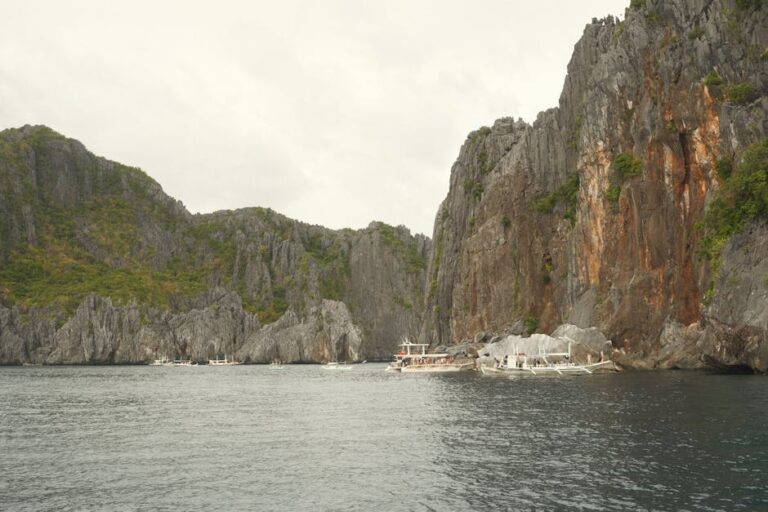
While El Nido and Coron attract crowds, the Puerto Princesa Subterranean River offers a quieter alternative. This UNESCO site features an eight-kilometer underground river flowing directly into the sea.
Take a guided boat tour through limestone caves filled with stalactites and bats. Stay in eco-resorts outside the city to avoid the day-trip rush. The surrounding rainforest is rich in birdlife and endemic species.
How to Plan Your Offbeat Adventure
Planning is crucial when venturing off the beaten path. Research, preparation, and local connections make the difference between a smooth trip and a stressful one.
Research Local Conditions
Check visa requirements, health advisories, and seasonal weather patterns. Some destinations have short travel windows due to monsoons, snow, or political instability.
Read recent traveler reports on forums like Lonely Planet or Reddit. Conditions can change quickly in remote areas.
Connect with Local Guides
Local guides offer insights no guidebook can match. They know safe routes, hidden spots, and cultural etiquette. Many offbeat destinations rely on community-based tourism, so your spending directly supports residents.
Use platforms like Withlocals or Bookatrekking to find vetted guides. Always confirm details in advance.
Pack Smart for Remote Travel
Bring essentials: a water filter, first-aid kit, power bank, and offline maps. In areas with limited medical care, even minor injuries can become serious.
Pack lightweight, versatile clothing. Layers work best in variable climates. Leave room for souvenirs—local crafts often make meaningful mementos.
Respect Local Customs
Dress modestly where required. Learn a few phrases in the local language. Ask before photographing people or sacred sites.
Support local economies by eating at family-run restaurants, buying handmade goods, and avoiding international chains.
Challenges and How to Overcome Them
Offbeat travel isn’t without hurdles. Language barriers, transportation delays, and limited amenities are common. But with the right mindset, these become part of the adventure.
Transportation Hiccups
Buses may run infrequently. Roads might be unpaved. Flights can be canceled due to weather. Always have a backup plan.
Download offline maps and keep digital copies of important documents. Carry cash—many remote areas don’t accept cards.
Safety Considerations
Register with your embassy if traveling to high-risk areas. Share your itinerary with someone at home. Avoid traveling alone at night in unfamiliar places.
Trust your instincts. If a situation feels unsafe, leave. It’s better to miss a sight than risk your well-being.
Health and Hygiene
Drink bottled or filtered water. Stick to freshly cooked food. Carry hand sanitizer and disinfectant wipes.
Check if vaccinations are recommended. Some regions require malaria prophylaxis or altitude sickness medication.
Sustainable Offbeat Travel
Just because a destination is offbeat doesn’t mean it’s immune to overtourism. As word spreads, even remote places can face environmental and cultural strain.
Travel Responsibly
Stick to marked trails. Don’t disturb wildlife. Carry out all trash, including biodegradable items like fruit peels.
Choose accommodations that follow eco-practices—solar power, water conservation, waste reduction.
Support Community Tourism
Look for homestays, cooperatives, and tours run by locals. These models ensure your money stays in the community.
Avoid exploitative experiences, such as visiting indigenous villages as a spectacle. Seek genuine cultural exchange instead.
When Offbeat Travel Isn’t the Right Choice
Offbeat destinations aren’t for everyone. If you prefer luxury, convenience, or structured itineraries, mainstream destinations may suit you better.
Families with young children or travelers with mobility issues should research accessibility carefully. Some remote locations lack medical facilities or paved paths.
Always assess your comfort level with uncertainty. Offbeat travel rewards patience and adaptability.
Final Thoughts
The best travel destinations for offbeat travel experiences aren’t defined by fame or luxury, but by authenticity and connection. They invite you to slow down, observe, and engage.
These journeys may not always be easy, but they’re often the ones we remember most. With thoughtful planning and an open mind, you’ll discover places that feel truly yours.
FAQ
What makes a destination “offbeat”?
An offbeat destination is one that receives few tourists, lacks mass-market infrastructure, and offers authentic cultural or natural experiences. These places are often overlooked by mainstream travel guides.
Is offbeat travel safe?
Generally, yes—but safety depends on research and preparation. Check government travel advisories, use trusted local guides, and avoid high-risk areas. Common sense goes a long way.
How do I find offbeat destinations?
Start with travel blogs, forums, and word-of-mouth recommendations. Look for regions with limited international flights or those not featured in popular tour packages. National tourism boards sometimes promote lesser-known areas.