
Family Travel Ideas for Entertaining Children on Flights
Long flights with kids can be stressful, but with the right preparation, they don’t have to be. Entertaining children during air travel doesn’t require expensive gadgets or elaborate setups. Simple, thoughtful strategies—like packing favorite snacks, bringing interactive games, and planning screen time wisely—can keep kids engaged and calm. This guide offers practical family travel ideas to make flights smoother, more enjoyable, and less chaotic for everyone involved.
Pre-Flight Preparation: Setting the Stage for Success
Preparation begins long before boarding. Start by involving your children in the planning process. Let them help choose a few activities or pack their own small travel bag. This builds excitement and gives them a sense of control.
Check your airline’s carry-on policies. Most allow one personal item and one standard carry-on per passenger. Use this space wisely. Pack essentials in an easily accessible pouch: wipes, snacks, chargers, and a change of clothes for younger kids.
Download content in advance. Streaming services often require Wi-Fi, which may not be available or reliable mid-flight. Download movies, shows, or audiobooks to tablets or phones before leaving home.
Create a Travel Kit
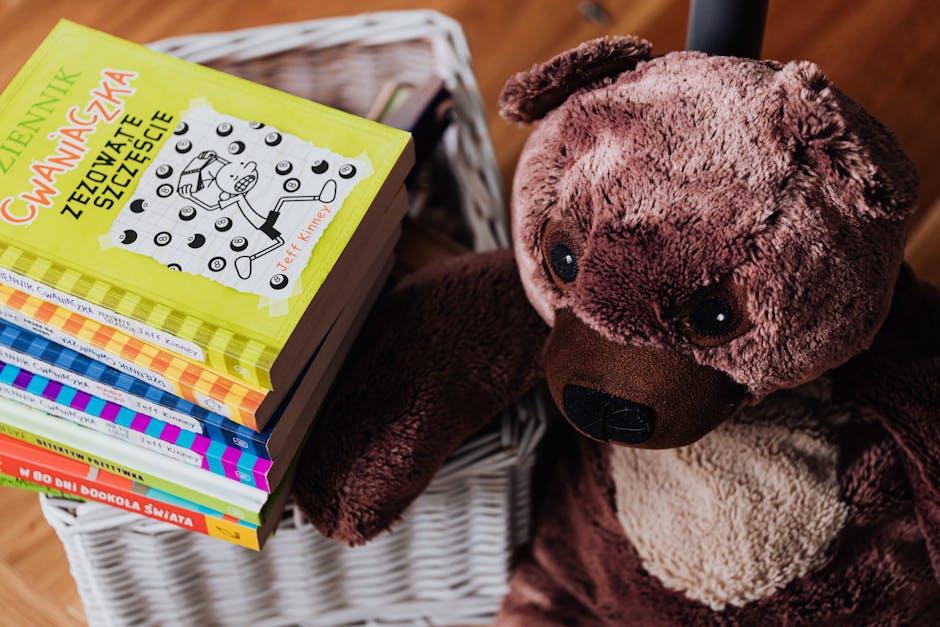
Assemble a dedicated travel kit for each child. Include age-appropriate items like coloring books, crayons, small toys, and noise-canceling headphones. Avoid anything with small parts that could get lost or cause a choking hazard.
Rotate items every 30–45 minutes to maintain novelty. A new activity can reignite interest and prevent boredom. For example, start with a sticker book, then switch to a travel-sized puzzle.
Label everything. It’s easy for items to get mixed up or left behind. Use permanent markers or labels on bags, headphones, and devices.
Screen Time Strategies That Work
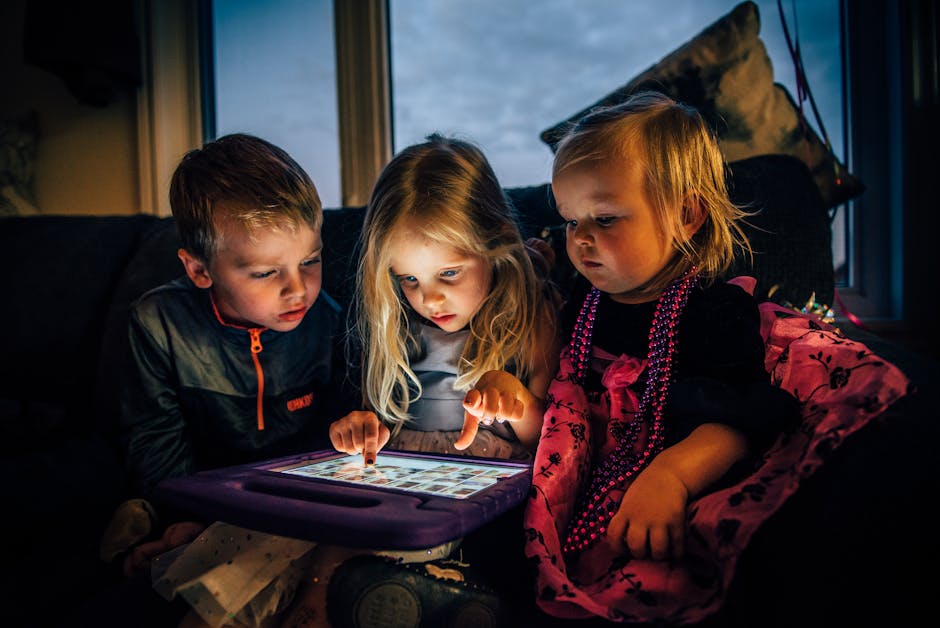
Screens are a powerful tool for keeping kids occupied, but they shouldn’t be the only option. Balance digital entertainment with hands-on activities to avoid overstimulation and eye strain.
Use a tablet stand or phone holder to keep devices secure and at eye level. This reduces neck strain and frees up hands for snacking or fidgeting. Many airlines offer seatback screens, but personal devices offer more control over content.
Set clear rules about screen use. For example, allow one movie during takeoff and landing, and reserve another for mid-flight. This creates structure and prevents endless scrolling.
Choose the Right Content
Opt for familiar favorites over new releases. Kids are more likely to stay engaged with shows or movies they already love. Include a mix of genres: animated films, educational shows, and calming nature documentaries.
Audiobooks and podcasts are great alternatives. They require no screen time and can be enjoyed with eyes closed. Choose stories with sound effects or multiple narrators to hold attention.
Avoid content with loud or sudden noises during takeoff and landing. Ear pressure changes can make sensitive sounds more intense. Save action-packed scenes for cruising altitude.
Hands-On Activities for All Ages
Non-digital activities encourage creativity and fine motor skills. They’re also quieter and less disruptive to other passengers.
Coloring books and activity pads are lightweight and compact. Look for themed books—like animals, space, or travel—to tie into the journey. Use washable markers or colored pencils to avoid stains.
Magnetic travel games are excellent for small spaces. Options like tic-tac-toe, checkers, or memory matching games come in compact cases and won’t spill.
DIY Travel Games
Create simple games using items you already have. “I Spy” works well in the cabin—look for colors, patterns, or objects in seatbacks and tray tables. “20 Questions” can be played quietly between siblings or parent and child.
Make a bingo card with common flight elements: a flight attendant pushing a cart, someone wearing headphones, a window shade open. Kids can mark off items as they spot them.
Write a short scavenger hunt list. Include tasks like “find something blue,” “listen for the captain’s voice,” or “count three people reading.” Offer a small reward upon completion.
Snacks and Drinks: Fuel for Fun
Hunger and thirst are common triggers for restlessness. Pack a variety of snacks that are easy to eat, non-perishable, and not too messy.
Choose nutrient-dense options like granola bars, cheese sticks, apple slices, or trail mix. Avoid sugary snacks that can lead to energy crashes. Include a few “treat” items like chocolate-covered raisins or gummy bears for special moments.
Bring reusable water bottles and fill them after security. Staying hydrated helps with comfort, especially on long flights. Avoid excessive caffeine or carbonated drinks, which can increase restlessness.
Snack Timing Tips
Introduce snacks gradually. Start with light options during takeoff, then offer heartier snacks mid-flight. Use snack time as a natural break between activities.
Pack snacks in portion-controlled containers. This prevents overeating and makes distribution easier. Ziplock bags or small reusable pouches work well.
Be mindful of allergies. If traveling with others, avoid snacks with common allergens like nuts unless you’re certain they’re safe.
Managing Sleep and Comfort
Sleep can be a lifesaver on long flights, but it’s not always easy for kids. Help them rest by creating a comfortable environment.
Bring a travel pillow or neck cushion. Look for inflatable or memory foam options that are compact and lightweight. A soft blanket or scarf can also provide warmth and familiarity.
Use an eye mask and earplugs or noise-canceling headphones to block out light and sound. These are especially helpful during overnight flights.
Encourage Natural Sleep Cues
Dim the overhead light and close the window shade to simulate nighttime. Play soft music or white noise through headphones to promote relaxation.
Avoid stimulating activities right before intended sleep time. Save high-energy games or bright screens for earlier in the flight.
If your child uses a pacifier or comfort item, make sure it’s packed and accessible. Familiar objects can ease anxiety and support sleep.
Dealing with Ear Pressure and Discomfort
Ear pain during takeoff and landing is common, especially in young children. It’s caused by pressure changes in the cabin.
Encourage swallowing or chewing. Offer a drink, snack, or gum (for older kids). Sucking on a pacifier or bottle can help infants.
Yawning or the “Valsalva maneuver”—gently blowing while pinching the nose—can relieve pressure in older children. Demonstrate it beforehand so they know what to do.
When to Be Cautious
Avoid flying if your child has a severe cold, ear infection, or sinus congestion. These conditions can worsen ear pain and increase the risk of complications.
Consult your pediatrician before travel if your child has a history of ear issues. They may recommend decongestants or other preventive measures.
Stay calm and reassuring. Kids often mirror adult anxiety. A soothing voice and gentle touch can go a long way.
Engaging Older Kids and Teens
Older children may resist “babyish” activities. Offer more independent and intellectually stimulating options.
Provide journals or notebooks for writing, drawing, or planning. Teens might enjoy writing postcards home, sketching cabin views, or drafting travel blogs.
Bring portable electronics like handheld gaming devices, e-readers, or laptops. These allow for longer engagement without constant supervision.
Social and Collaborative Options
Encourage interaction with siblings or parents. Play card games like Uno, Go Fish, or Slapjack. These are compact, quiet, and fun for all ages.
Start a family story. One person begins a sentence, and each passenger adds the next. It’s a creative way to pass time and often leads to laughter.
Teens might enjoy listening to music, podcasts, or language-learning apps. These can be both entertaining and educational.
Tips for International and Long-Haul Flights
Flights over six hours require extra planning. The longer the journey, the more variety you’ll need to maintain engagement.
Break the flight into segments. Plan activities for each phase: pre-takeoff, ascent, cruising, descent, and landing. This helps manage expectations and prevents burnout.
Use time zone changes to your advantage. If flying east, try to align sleep times with the destination. This can help reduce jet lag.
Packing for Long Flights
Include a change of clothes for each child in your carry-on. Accidents happen, and fresh clothes can boost comfort and morale.
Bring extra chargers and power banks. Device batteries drain quickly, especially with continuous use. Ensure all electronics are fully charged before boarding.
Consider a small inflatable footrest for younger kids. It can improve posture and reduce leg fatigue on long flights.
What to Avoid
Not all entertainment ideas are created equal. Some common choices can backfire or cause issues.
Avoid bringing toys with small, detachable parts. They can get lost under seats or become choking hazards. Also, skip anything noisy like squeaky toys or musical instruments.
Don’t rely solely on screens. Overuse can lead to irritability, headaches, and disrupted sleep patterns. Balance is key.
Steer clear of messy foods like crumbly chips or sticky candies. They can create a mess and attract attention from flight attendants.
Common Mistakes to Skip
Waiting until the last minute to prepare. Packing the night before leads to forgotten items and stress.
Overpacking activities. Bring only what you can manage. Too many options can overwhelm both you and your child.
Ignoring your own needs. You can’t help your kids if you’re exhausted. Bring water, snacks, and a book for yourself too.
Final Thoughts
Entertaining children on flights is less about perfection and more about preparation and flexibility. With a mix of screen time, hands-on activities, snacks, and comfort items, you can turn a potentially stressful experience into a manageable—even enjoyable—part of your trip.
Every family is different. What works for one child may not work for another. Stay observant, adapt as needed, and don’t be afraid to try new things.
Remember, the goal isn’t to keep kids entertained every second. It’s to create a calm, positive environment where everyone can travel with less stress and more ease.
FAQ
What are the best non-screen activities for toddlers on a flight?
Coloring books, sticker sheets, soft toys, and simple magnetic games are ideal. Rotate them every 20–30 minutes to maintain interest.
How can I prevent my child’s ears from hurting during takeoff and landing?
Encourage swallowing by offering a drink, snack, or pacifier. For older kids, teach them to gently blow while pinching their nose to equalize pressure.
Should I bring my child’s favorite blanket or stuffed animal on the plane?
Yes, if it fits in your carry-on. Familiar comfort items can reduce anxiety and help with sleep, especially on long or overnight flights.