
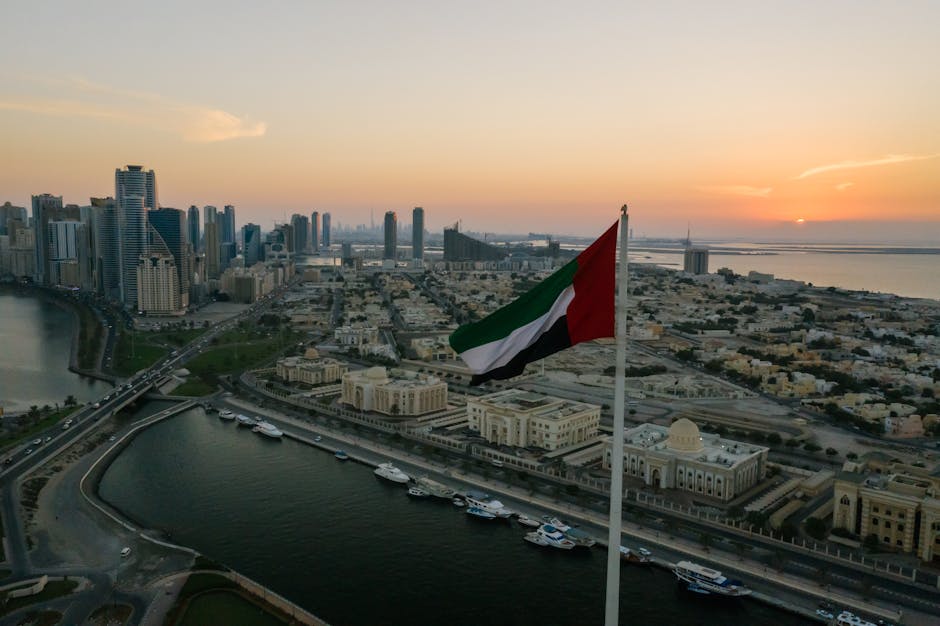
UAE Travel Guide: Best Cities and Travel Tips
The United Arab Emirates offers a dynamic blend of modern luxury, rich culture, and desert adventure. Whether you’re drawn to futuristic skylines or traditional souks, this UAE travel guide covers the best cities to visit and essential tips for a smooth trip. From visa requirements to local customs, you’ll find practical advice to help you explore Abu Dhabi, Dubai, and beyond with confidence.
Top Cities to Visit in the UAE
The UAE is made up of seven emirates, each with its own character. While Dubai and Abu Dhabi dominate headlines, cities like Sharjah, Ras Al Khaimah, and Fujairah offer unique experiences for different types of travelers.
Dubai: The Global Icon
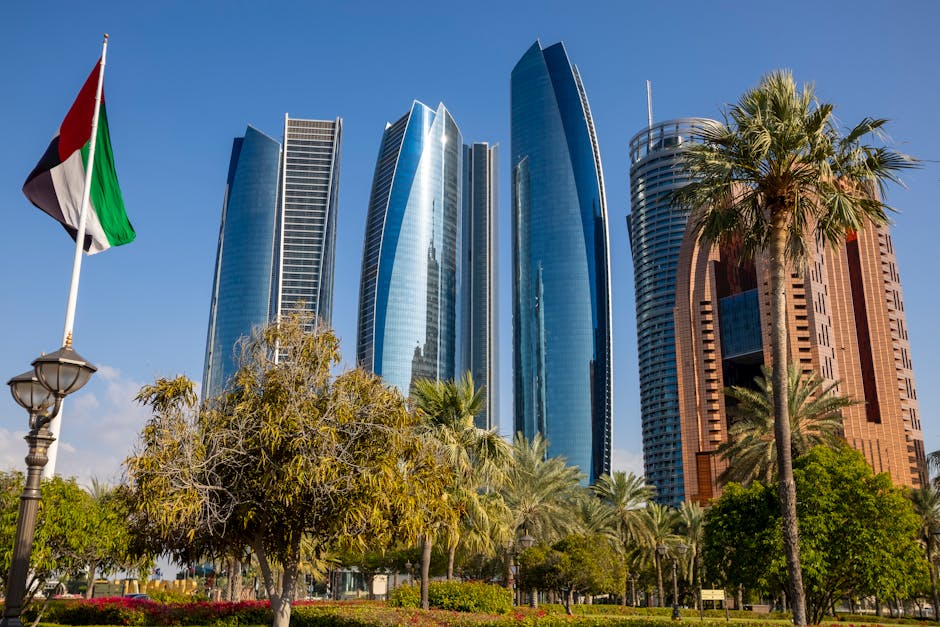
Dubai is the most visited city in the UAE, known for its record-breaking architecture, luxury shopping, and vibrant nightlife. Landmarks like the Burj Khalifa, the world’s tallest building, and the Palm Jumeirah attract millions each year.
Visit the Dubai Mall for high-end brands and indoor attractions like an aquarium and ice rink. Don’t miss the historic Al Fahidi district, where wind-tower architecture and art galleries offer a glimpse into the city’s past.
For a desert experience, book a guided safari that includes dune bashing, camel rides, and a traditional Bedouin-style dinner under the stars. Most tours depart in the late afternoon to avoid the midday heat.
Abu Dhabi: Culture and Calm
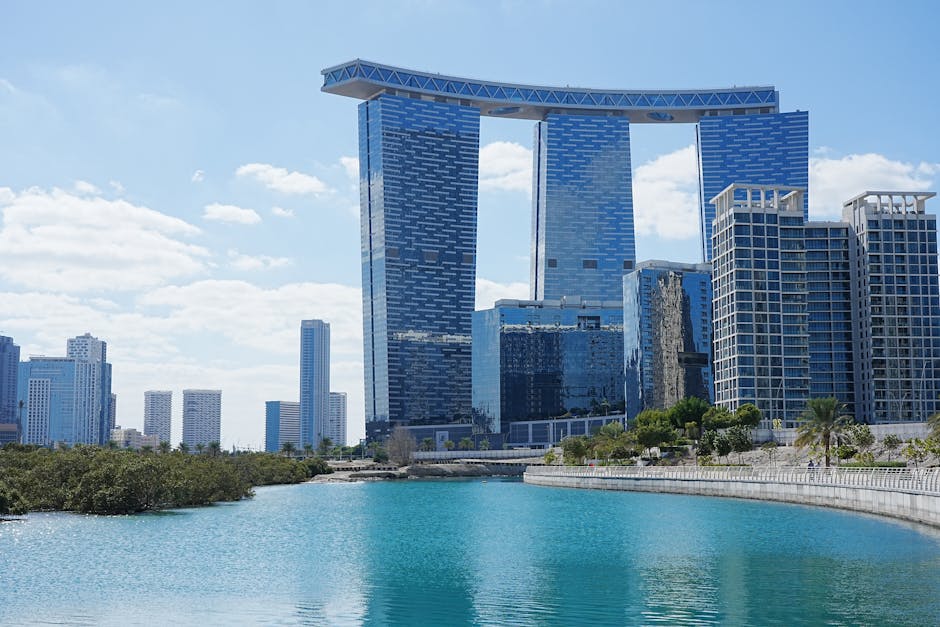
Abu Dhabi, the capital of the UAE, balances modern development with cultural preservation. It’s less crowded than Dubai and offers a more relaxed pace, making it ideal for families and culture seekers.
The Sheikh Zayed Grand Mosque is a must-see. With its white marble domes, intricate floral designs, and one of the world’s largest chandeliers, it’s a masterpiece of Islamic architecture. Dress modestly—shoulders and knees must be covered—and visit outside prayer times for the best experience.
Yas Island is home to Ferrari World, Yas Waterworld, and the Yas Marina Circuit, where the Formula 1 Abu Dhabi Grand Prix takes place. The island also features luxury hotels and fine dining, making it a self-contained entertainment destination.
Sharjah: The Cultural Capital
Sharjah is known as the cultural heart of the UAE. It’s the only emirate where alcohol is banned and nightlife is limited, but it makes up for it with museums, art galleries, and heritage sites.
The Sharjah Museum of Islamic Civilization houses over 5,000 artifacts, including ancient manuscripts and scientific instruments. The Central Souk, with its blue-tiled facade, is perfect for picking up traditional crafts and spices.
Families will appreciate Al Noor Island, a peaceful park with a butterfly house and art installations. Sharjah is also close to Dubai—just a 30-minute drive—making it easy to visit on a day trip.
Ras Al Khaimah: Nature and Adventure
Ras Al Khaimah is emerging as a top destination for outdoor enthusiasts. Nestled at the foot of the Hajar Mountains, it offers hiking, rock climbing, and zip-lining through dramatic landscapes.
Jebel Jais, the UAE’s highest peak, features the world’s longest zipline—over 2.8 kilometers long. The mountain also has scenic viewpoints and a via ferrata route for climbers of all levels.
For a more relaxed experience, visit Al Marjan Island, a man-made archipelago with pristine beaches and beachfront resorts. It’s less developed than Dubai’s coastline, offering a quieter alternative.
Fujairah: Coastal Serenity
Unlike the other emirates, Fujairah lies on the Gulf of Oman, offering access to the Indian Ocean and a different climate. It’s known for its clear waters, coral reefs, and historic forts.
The Al Badiyah Mosque, built in the 15th century, is the oldest mosque in the UAE still in use. Nearby, the Fujairah Fort provides insight into the region’s defensive history.
Scuba diving and snorkeling are popular here, with sites like Snoopy Island offering vibrant marine life. The coastal road from Dubai to Fujairah is scenic and takes about 90 minutes by car.
Essential Travel Tips for the UAE
Traveling in the UAE is generally safe and straightforward, but a few key tips can make your trip more enjoyable and hassle-free.
Visa and Entry Requirements
Many nationalities receive a visa on arrival for stays up to 30 or 90 days. Citizens of the GCC countries, the US, UK, EU, Australia, and others are eligible. Check the official UAE government website before traveling to confirm your eligibility.
If you’re transiting through Dubai or Abu Dhabi, you may qualify for a 48- or 96-hour transit visa. These are free and can be arranged through your airline or at the airport.
Ensure your passport is valid for at least six months from your date of entry. Overstaying your visa can result in fines, so monitor your departure date carefully.
Best Time to Visit
The ideal time to visit the UAE is between November and March, when temperatures range from 20°C to 30°C (68°F to 86°F). This is peak tourist season, so book flights and hotels early.
From April to October, temperatures often exceed 40°C (104°F), especially in inland areas like Al Ain. Outdoor activities become uncomfortable, and many attractions reduce hours or close temporarily.
If you’re visiting during Ramadan, be aware that eating, drinking, or smoking in public during daylight hours is prohibited for Muslims and frowned upon for tourists. Many restaurants operate discreetly or offer delivery-only service until sunset.
Transportation and Getting Around
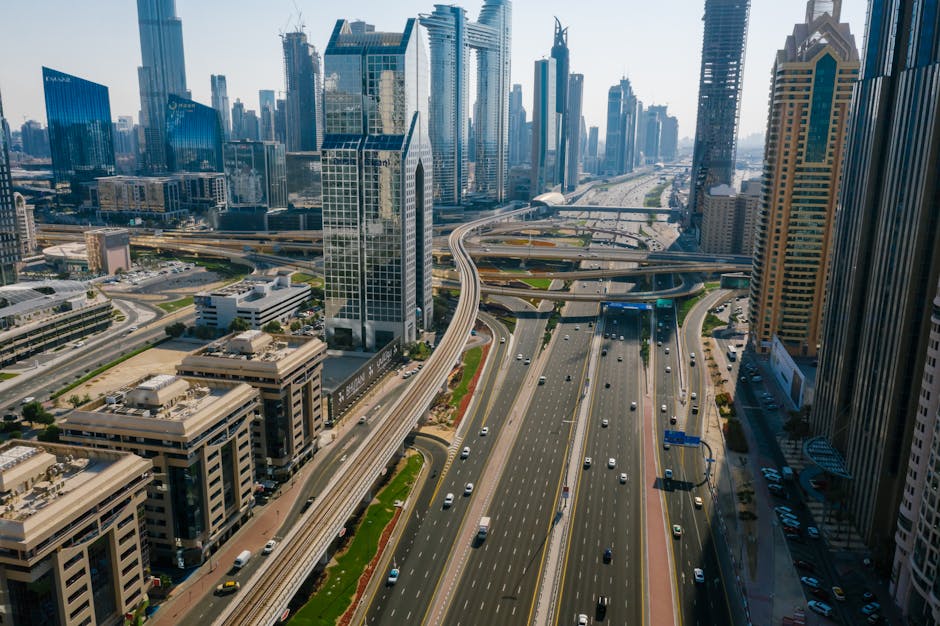
Public transportation is well-developed in Dubai and Abu Dhabi. Dubai’s metro, buses, and trams are clean, affordable, and air-conditioned. The Nol card, available at metro stations, works across all public transit systems.
Taxis are widely available and metered. Apps like Uber and Careem operate in major cities and often offer lower fares than traditional cabs. Ride-hailing is especially useful for late-night travel when public transit stops running.
Renting a car gives you flexibility, especially if you plan to visit multiple emirates. Roads are modern and well-signposted, but traffic can be heavy during rush hours. Note that driving is on the left, and seat belts are mandatory.
Dress Code and Cultural Etiquette
While the UAE is modern and cosmopolitan, it’s important to respect local customs. Dress modestly in public areas—avoid revealing clothing, especially in religious sites, government buildings, and traditional neighborhoods.
Public displays of affection, such as kissing or hugging, are frowned upon. Swearing, littering, and eating in public during Ramadan can result in fines or legal trouble.
Photography is generally allowed, but avoid taking pictures of people without permission, especially women. Military sites and government buildings are off-limits for photography.
Currency and Payments
The UAE Dirham (AED) is the official currency. It’s pegged to the US dollar at a rate of approximately 3.67 AED to 1 USD, making conversions easy for American travelers.
Credit and debit cards are widely accepted in hotels, malls, and restaurants. ATMs are plentiful, and currency exchange offices offer competitive rates.
Tipping is not mandatory but appreciated. In restaurants, 10% is standard if service charge isn’t included. For hotel staff, bellhops, and tour guides, small bills (5–10 AED) are customary.
Safety and Health
The UAE is one of the safest countries in the world, with low crime rates and strict laws. However, petty theft can occur in crowded areas like souks and metro stations. Keep your belongings secure and avoid displaying expensive items.
Tap water is safe to drink, but many locals and visitors prefer bottled water. Stay hydrated, especially in summer, and use sunscreen with high SPF to prevent sunburn and heatstroke.
Pharmacies are well-stocked, and major hospitals offer high-quality care. Travel insurance is recommended, as medical costs can be high for non-residents.
Must-Try Experiences in the UAE
Beyond the cities, the UAE offers unique experiences that blend tradition and innovation. Here are a few not to miss.
Desert Safari with Cultural Activities
A desert safari is a quintessential UAE experience. Most tours include a 4×4 dune bashing adventure, sandboarding, camel rides, and a stop at a desert camp.
At the camp, enjoy henna painting, shisha smoking, and traditional Emirati food like machboos (spiced rice with meat) and luqaimat (sweet dumplings). Live performances often include belly dancing and tanoura shows.
Book with a reputable operator that follows safety guidelines. Avoid unlicensed tours that may cut corners on safety or environmental practices.
Visit a Traditional Souk
Souks are open-air markets that have been central to Gulf commerce for centuries. The Gold Souk in Dubai is famous for its dazzling displays of jewelry, often sold by weight.
The Spice Souk nearby offers saffron, cardamom, dried limes, and frankincense. Bargaining is expected—start at half the asking price and negotiate politely.
In Abu Dhabi, the Central Market Souk sells perfumes, textiles, and handicrafts. Look for oud, a fragrant wood used in traditional Arabic perfumes.
Take a Day Trip to Al Ain
Known as the “Garden City,” Al Ain is a UNESCO World Heritage site located in the desert. It’s home to oases, historic forts, and the UAE’s only mountain range within city limits.
Visit the Al Ain Oasis to walk through date palm groves and learn about traditional falaj irrigation systems. The Al Jahili Fort and Al Ain Palace Museum offer insight into the region’s royal history.
Hiking in Jebel Hafeet, the second-highest peak in the UAE, rewards you with panoramic views. The road to the summit is winding but well-maintained, and there’s a restaurant at the top.
Packing Tips for Your UAE Trip
What you pack depends on when and where you’re traveling, but a few essentials apply year-round.
Clothing
Pack lightweight, breathable fabrics like cotton and linen. Even in winter, daytime temperatures can be warm. Include long sleeves and pants for mosque visits and cooler evenings.
Swimwear is fine at beaches and hotel pools, but cover up when walking to and from the water. A scarf or shawl is useful for covering shoulders in conservative areas.
Comfortable walking shoes are a must, especially for exploring souks and heritage sites. Flip-flops are handy for the beach, but not suitable for city walking.
Electronics and Adapters
The UAE uses Type G electrical outlets (same as the UK), with a standard voltage of 230V. Bring a universal adapter if your devices have different plugs.
Download offline maps and translation apps before you go. Google Maps works well in cities, but signal can be weak in remote desert areas.
Power banks are useful for long days out, especially during desert tours or beach trips. Many hotels offer USB charging ports, but it’s good to have a backup.
Documents and Essentials
Carry printed copies of your passport, visa, hotel reservations, and travel insurance. Keep digital backups in your email or cloud storage.
A reusable water bottle with a filter can save money and reduce plastic waste. Many hotels and malls have refill stations.
Don’t forget sunscreen, sunglasses, and a hat. The sun is intense even in winter, and shade can be limited in outdoor areas.
Final Thoughts on Traveling in the UAE
The UAE is a destination of contrasts—where ancient traditions meet futuristic ambitions. Whether you’re marveling at skyscrapers, exploring deserts, or sipping Arabic coffee in a quiet souk, the country offers something for every traveler.
With careful planning and cultural awareness, your trip can be both enjoyable and respectful. Use this UAE travel guide to navigate the best cities and make the most of your time in this remarkable part of the world.
FAQ
Do I need a visa to visit the UAE?
Many nationalities receive a visa on arrival for 30 or 90 days. Check the UAE government’s official website to confirm if you’re eligible before traveling.
Is it safe to travel in the UAE?
Yes, the UAE is considered one of the safest countries in the world, with low crime rates and strict laws. Exercise normal precautions, especially in crowded areas.
What should I wear when visiting the UAE?
Dress modestly in public—cover shoulders and knees, especially in religious or traditional areas. Swimwear is acceptable at beaches and pools but should be covered elsewhere.