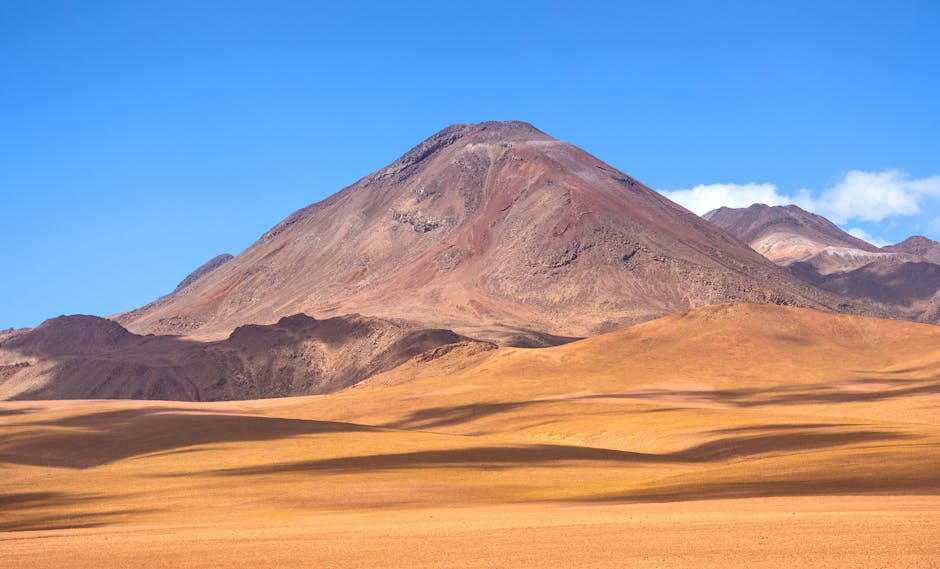
Chile Travel Guide: Best Places and Travel Tips
Chile stretches over 4,300 kilometers from the arid Atacama Desert to the glacial fjords of Patagonia, offering one of the most diverse landscapes on Earth. Whether you’re drawn to otherworldly deserts, snow-capped volcanoes, or vibrant wine regions, this long, narrow country delivers unforgettable experiences. This Chile travel guide covers the best places to visit, practical travel tips, and essential advice to help you plan a smooth and rewarding trip. From Santiago’s urban energy to the remote beauty of Easter Island, you’ll find everything you need to explore Chile with confidence.
Top Destinations in Chile
Santiago: The Cultural Heart of Chile
Santiago, the capital, sits beneath the Andes and blends colonial charm with modern energy. Start at Plaza de Armas, the city’s historic center, then head to Cerro San Cristóbal for panoramic views. The neighborhood of Bellavista buzzes with street art, cafes, and live music.
Don’t miss the Museo Nacional de Bellas Artes or a tasting at a local wine bar. Public transit is efficient, but avoid rush hour if you can. Santiago is a great base for day trips to Valparaíso or the Casablanca Valley wine region.
Valparaíso: Colorful Port City with a Bohemian Vibe
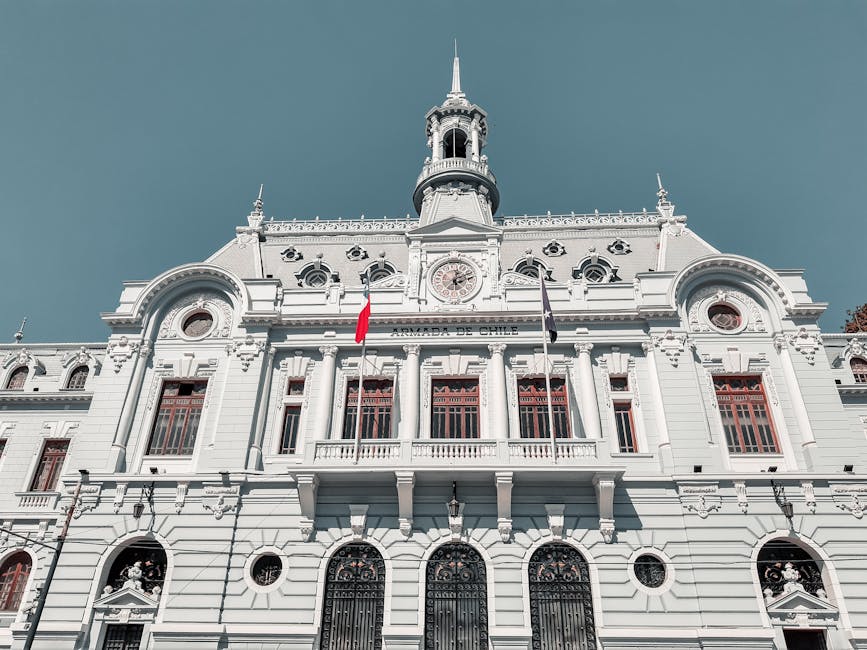
Just an hour from Santiago, Valparaíso charms visitors with its steep hills, colorful murals, and historic funiculars. Wander through Cerro Alegre and Cerro Concepción for views and artisan shops. The city’s UNESCO-listed historic quarter reflects its 19th-century maritime heyday.
Be cautious in less-touristed areas at night, and always keep your belongings secure. Visit the open-air market at Plaza Sotomayor and try local seafood at a waterfront restaurant.
Atacama Desert: Stargazing and Otherworldly Landscapes
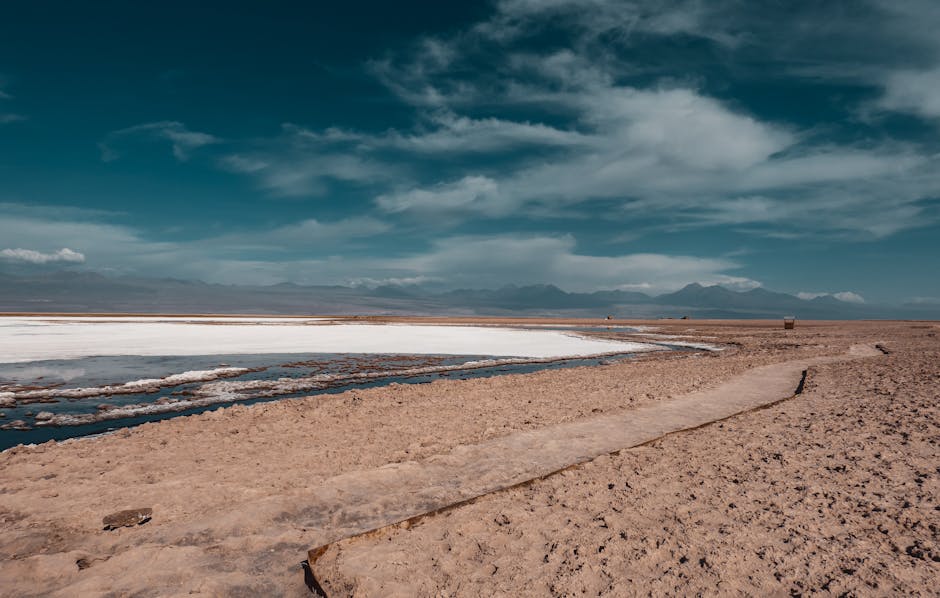
The Atacama Desert, the driest non-polar desert in the world, lies in northern Chile. San Pedro de Atacama is the gateway to salt flats, geysers, and lunar-like valleys. Visit El Tatio Geysers at sunrise for a surreal experience, but dress warmly—temperatures drop sharply at dawn.
Altitude sickness is a real concern here, as the town sits at 2,400 meters. Drink plenty of water, avoid alcohol the first few days, and take it easy. Book tours in advance during peak season (December to February).
Patagonia: Wilderness and Adventure
Chilean Patagonia, in the far south, is a haven for hikers and nature lovers. Torres del Paine National Park features granite towers, turquoise lakes, and abundant wildlife. The W Trek is a popular 5-day hike, but permits are limited—reserve early.
Weather is unpredictable, with strong winds and sudden rain. Pack layers, waterproof gear, and a reliable tent if camping. The park has refugios (mountain huts) for overnight stays, but they fill up quickly.
Easter Island (Rapa Nui): Mystery and Isolation
Located over 3,700 kilometers off Chile’s coast, Easter Island is famous for its moai statues. Most visitors fly from Santiago or Tahiti. Explore Rano Raraku, the quarry where the statues were carved, and Ahu Tongariki, the largest ceremonial platform.
Respect local customs—some sites are sacred. Stay on marked paths and don’t climb on the moai. The island has limited infrastructure, so book accommodations and tours ahead of time.
Lake District: Volcanoes and German Heritage
The Lake District, centered around Puerto Varas and Pucón, blends alpine scenery with German colonial influence. Lake Llanquihue offers views of Osorno Volcano, while Villarrica Volcano allows guided climbs and hot springs.
Try local dishes like curanto, a traditional stew cooked underground. The region is great for kayaking, horseback riding, and soaking in natural hot springs. Visit between November and March for the best weather.
Best Time to Visit Chile
Chile’s length means climate varies dramatically by region. Summer (December to February) is ideal for Patagonia and the Lake District, with long days and mild temperatures. Winter (June to August) brings skiing to the Andes and fewer crowds in the north.
Spring (September to November) and fall (March to May) offer fewer tourists and pleasant weather in central Chile. Atacama can be visited year-round, though nights get cold. Easter Island is warmest from January to March.
Avoid traveling during Chilean school holidays (late January to early February and July), when domestic tourism peaks and prices rise.
Getting Around Chile
Domestic Flights
With such vast distances, flying is often the most practical option. LATAM and Sky Airline connect major cities like Santiago, Punta Arenas, and Iquique. Book early for better prices, especially to remote destinations like Easter Island.
Check baggage policies—some budget airlines charge extra for checked bags. Arrive at the airport early, as security lines can be long.
Buses: Affordable and Extensive
Chile has an excellent long-distance bus network. Companies like Turbus and Pullman offer comfortable seats, Wi-Fi, and onboard restrooms. Overnight buses are common and often include reclining seats or sleeper options.
Book tickets online in advance, especially for popular routes like Santiago to Valparaíso or Puerto Natales. Buses are generally safe, but keep valuables with you.
Renting a Car
A car gives you freedom, especially in rural areas like Patagonia or the Carretera Austral. Roads are well-maintained in the north and center, but some southern routes are gravel and narrow.
An international driver’s permit is recommended. Fuel is widely available, but stations can be sparse in remote areas. Always carry a spare tire and emergency kit.
Food and Drink in Chile
Must-Try Dishes
Chilean cuisine reflects its geography and immigrant influences. Try empanadas de pino (meat-filled pastries), pastel de choclo (corn and meat casserole), and ceviche made with fresh seafood.
In the south, curanto is a highlight—meat, seafood, and potatoes cooked in an earth oven. Pair meals with local wine, especially from the Maipo or Colchagua valleys.
Wine Tourism
Chile is one of the world’s top wine producers, known for Cabernet Sauvignon, Carmenère, and Sauvignon Blanc. Wine tours are popular in the Central Valley, with bodegas offering tastings and vineyard walks.
Visit Concha y Toro, Santa Rita, or Emiliana for a mix of history and quality. Many wineries require reservations, so plan ahead. Some offer food pairings or picnic areas.
Drinking Water and Safety
Tap water is safe to drink in most urban areas. In remote regions, stick to bottled water. Avoid ice in drinks outside major cities. Street food is generally safe, but choose busy stalls with high turnover.
Money, Costs, and Budget Tips
Chile uses the Chilean peso (CLP). Credit cards are widely accepted in cities, but carry cash for rural areas and small vendors. ATMs are common, but check for fees.
Average daily costs: budget travelers can manage on $40–60 USD, mid-range on $80–120, and luxury on $200+. Hostels start around $15, while hotels range from $60 to $150.
Save money by eating at local markets, using public transit, and visiting free attractions like parks and viewpoints. Many museums offer free entry on Sundays.
Safety and Practical Tips
General Safety
Chile is one of the safest countries in South America. Petty theft occurs in tourist areas, so stay alert in crowded places. Keep passports, cards, and cash in a secure bag or money belt.
Avoid displaying expensive electronics or jewelry. Use official taxis or ride-sharing apps like Beat in cities.
Health and Insurance
No special vaccinations are required, but check routine immunizations. Tap water is safe in cities, but consider bottled water in rural areas. Pharmacies are well-stocked and staffed by professionals.
Travel insurance is strongly recommended, especially for adventure activities. Ensure coverage for altitude sickness, hiking, or remote travel.
Language and Communication
Spanish is the official language. English is spoken in tourist areas, but learning basic Spanish phrases helps. Download a translation app or carry a phrasebook.
SIM cards from Entel or Movistar are affordable and provide good coverage. Wi-Fi is available in most hotels and cafes.
Packing Essentials for Chile
Pack layers—Chile’s weather changes quickly, especially in the mountains and south. A waterproof jacket is essential for Patagonia. Sturdy shoes are a must for hiking and uneven city streets.
Don’t forget sunscreen, sunglasses, and a hat—UV levels are high, even in winter. For the Atacama, bring warm clothing for cold nights. A reusable water bottle with a filter helps reduce plastic use.
If visiting national parks, carry a daypack, snacks, and a first-aid kit. Power adapters are needed for Type L outlets (220V).
Sustainable Travel in Chile
Chile is committed to conservation, with over 20% of its land protected. Support eco-friendly lodges and tour operators. In national parks, follow Leave No Trace principles—pack out all trash and stay on trails.
Respect wildlife; don’t feed animals or approach them closely. On Easter Island, follow cultural protocols at sacred sites. Choose local guides to support community-based tourism.
Reduce plastic use by carrying a reusable bag and water bottle. Many cities have recycling programs, but waste management varies in rural areas.
Final Tips for a Great Trip
Plan your itinerary based on regions—don’t try to cover too much in one trip. Chile’s length makes cross-country travel time-consuming. Focus on 2–3 areas for a deeper experience.
Book accommodations and tours in advance, especially during peak seasons. Check visa requirements—most visitors get a 90-day tourist stamp on arrival.
Be flexible. Weather delays, road closures, or strikes can happen. Have a backup plan and travel insurance. Most importantly, embrace the local pace and enjoy Chile’s natural beauty and warm hospitality.
FAQ
What is the best time of year to visit Chile?
The best time depends on your destination. Summer (December to February) is ideal for Patagonia and the Lake District. Spring and fall offer mild weather and fewer crowds in central Chile. Atacama can be visited year-round.
Do I need a visa to travel to Chile?
Citizens of the US, Canada, EU, Australia, and many other countries do not need a visa for stays up to 90 days. You’ll receive a tourist card on arrival—keep it safe, as you’ll need it to exit.
Is Chile safe for solo travelers?
Yes, Chile is generally safe for solo travelers, including women. Stay aware in crowded areas, avoid walking alone at night in unfamiliar neighborhoods, and use trusted transportation. Most locals are friendly and helpful.