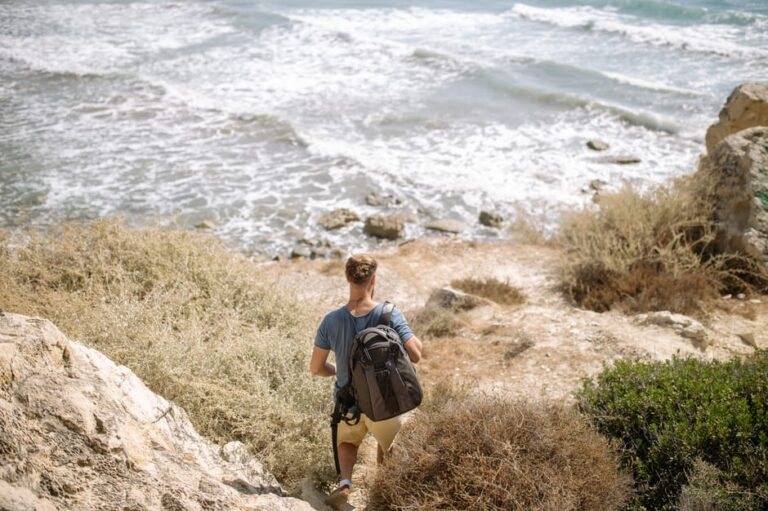
Best Travel Tips for Managing Travel Expenses Easily
Traveling doesn’t have to break the bank. With smart planning and disciplined spending, you can explore new destinations without overspending. The best travel tips for managing travel expenses easily focus on preparation, real-time tracking, and strategic choices—from booking flights to daily meal decisions. Whether you’re taking a weekend getaway or a month-long adventure, these practical strategies help you stretch your budget while still enjoying authentic experiences.
Plan Your Budget Before You Book
Start by estimating your total trip cost. Break it down into categories: transportation, lodging, food, activities, and miscellaneous expenses. Use past trips or online travel cost calculators for realistic benchmarks. For example, a week in Lisbon might cost $1,200 for a solo traveler, while the same trip in Tokyo could run closer to $1,800.
Set a firm spending limit for each category. A common rule is allocating 40% to lodging and transport, 30% to food, 20% to activities, and 10% to emergencies or souvenirs. This structure keeps spending balanced and prevents one area from draining your funds.
Use Budgeting Tools and Apps
Digital tools simplify expense tracking. Apps like Trail Wallet, Splitwise, and Google Sheets let you log spending in real time and compare it against your plan. Many allow offline use—critical when roaming charges apply.
Link your credit cards or bank accounts to monitor transactions automatically. Set daily alerts when you approach your limit. For group trips, apps that split costs evenly reduce confusion and ensure fairness.
Book Flights and Accommodation Strategically
Airfare often eats the largest portion of a travel budget. Use fare comparison sites like Google Flights or Skyscanner to identify the cheapest days to fly—typically Tuesdays and Wednesdays. Book 6–8 weeks in advance for domestic flights; international routes may require earlier planning.
Consider alternative airports. Flying into a smaller nearby city can save $100 or more. For lodging, compare hotels, hostels, vacation rentals, and guesthouses. Platforms like Booking.com and Airbnb offer filters for price, location, and amenities. Read recent reviews to avoid hidden fees or poor conditions.
Book accommodations with kitchens or kitchenettes. Preparing even a few meals yourself can cut food costs by 30–50%. In cities like Rome or Bangkok, local markets offer fresh, affordable ingredients.
Save on Daily Expenses While Traveling
Once you arrive, daily spending habits determine whether you stay within budget. Small purchases add up quickly—a $5 coffee each morning becomes $35 in a week.
Eat Like a Local
Tourist restaurants near major attractions often charge premium prices. Walk a few blocks away to find neighborhood eateries where locals dine. In Barcelona, a meal in the Gothic Quarter costs more than one in Gràcia. In Mexico City, street food like tacos al pastor delivers authentic flavor at a fraction of restaurant prices.
Visit local markets for snacks, fruit, and picnic supplies. In Paris, a baguette, cheese, and fruit from Marché des Enfants Rouges make a satisfying lunch under €10. Pack a reusable water bottle to avoid buying plastic bottles daily.
Use Public Transportation
Taxis and ride-shares are convenient but expensive over time. Most cities offer reliable, low-cost public transit. Buy multi-day passes when available. Tokyo’s 24-hour metro pass costs around $7 and covers unlimited rides.
Walking or biking saves money and offers a closer look at a city’s rhythm. Many European capitals, like Amsterdam or Copenhagen, are highly walkable. Download offline maps to navigate without data.
Choose Free or Low-Cost Activities
Every destination has free attractions. Museums often have free entry days—London’s British Museum is always free, while New York’s MoMA offers pay-what-you-wish hours on Fridays. Parks, beaches, historic neighborhoods, and public art installations cost nothing to enjoy.
Look for city tourism cards that bundle discounts on attractions and transit. The Paris Museum Pass grants access to over 50 sites for a fixed price. Compare the total value against individual ticket costs before purchasing.
Manage Money and Avoid Hidden Fees
Currency exchange and banking fees can quietly inflate your spending. Avoid exchanging money at airports or hotels—they typically offer poor rates. Use ATMs affiliated with major banks for better exchange rates.
Use the Right Payment Methods
Choose a credit card with no foreign transaction fees. Cards from Capital One, Chase, or Charles Schwab refund ATM fees and offer competitive exchange rates. Notify your bank of travel dates to prevent card blocks.
Carry a small amount of local cash for places that don’t accept cards. In rural areas of Vietnam or Morocco, cash is often the only option. Use a money belt or hidden pouch to keep it secure.
Track Every Expense
Record every purchase, no matter how small. A $3 metro ticket or $1 tip can impact your budget over time. Use a notebook, app, or even voice memos if typing is inconvenient.
Review your spending daily. If you overspend on food one day, adjust by choosing free activities the next. Flexibility keeps you on track without feeling restricted.
Prepare for the Unexpected
Even the best plans face surprises. Medical issues, flight delays, or lost luggage can derail a budget. Build a buffer of 10–15% into your total estimate for emergencies.
Get Travel Insurance
Travel insurance covers cancellations, medical emergencies, and lost belongings. Compare policies on sites like Squaremouth or InsureMyTrip. Look for coverage that includes trip interruption and emergency evacuation.
Basic plans start around $50 for a two-week trip. While it adds to upfront costs, it prevents much larger expenses later. Read the fine print—some policies exclude pre-existing conditions or high-risk activities.
Pack Smart to Avoid Extra Costs
Check airline baggage policies before packing. Many budget carriers charge for checked bags or even carry-ons. Weigh your suitcase at home to avoid surprise fees at the airport.
Bring essentials like medications, chargers, and a universal adapter. Buying these abroad can be costly and inconvenient. A compact first-aid kit prevents pharmacy runs for minor issues.
Maximize Value Without Sacrificing Experience
Managing travel expenses doesn’t mean skipping out on meaningful experiences. It means making intentional choices that align with your priorities.
Prioritize What Matters Most
Decide what enhances your trip. If food is your focus, splurge on a cooking class or fine dining meal and save on lodging by staying in a hostel. If adventure matters, invest in a guided hike or snorkeling tour and eat simply.
Create a “must-do” list before you go. This prevents impulse spending on activities that don’t add value. In Iceland, a glacier hike might be worth the cost, while a pricey Northern Lights tour could be skipped if clouds are forecast.
Travel Off-Peak When Possible
Shoulder seasons—spring and fall in most regions—offer lower prices and fewer crowds. Flights and hotels drop significantly after summer holidays or before winter breaks. In Greece, visiting in May or October means pleasant weather and half the summer prices.
Research local events that affect pricing. Avoid major festivals or holidays unless they’re part of your goal. Accommodation in Edinburgh during the Fringe Festival can triple in cost.
Leverage Loyalty Programs and Discounts
Sign up for airline and hotel loyalty programs. Even occasional travelers earn points for future trips. Use credit card rewards to offset flights or upgrades.
Check for discounts through memberships. Students, seniors, and military personnel often qualify for reduced rates. Organizations like AAA or ISIC offer verified savings on transport, attractions, and lodging.
Stay Accountable and Reflect After Your Trip
After returning home, review your spending. Compare actual costs to your original budget. Identify where you overspent and why. Was it unplanned shopping? Overestimating free time?
Adjust for Future Trips
Use insights to refine your planning. If food costs were higher than expected, allocate more next time or plan more self-catering. If transport was cheaper, shift those savings to experiences.
Keep a travel expense journal. Note what worked and what didn’t. Over time, you’ll develop a reliable system that fits your travel style.
Share and Learn
Discuss budgets with fellow travelers. Compare strategies and discover new tips. Online forums and social media groups offer real-world advice from people who’ve been there.
Teach others what you’ve learned. Helping a friend plan a budget trip reinforces your own habits and builds confidence in your approach.
Final Thoughts
Managing travel expenses easily comes down to preparation, awareness, and smart choices. The best travel tips for managing travel expenses easily aren’t about deprivation—they’re about making room for what truly matters. With a clear budget, the right tools, and a flexible mindset, you can travel farther and longer without financial stress.
Start small. Apply one or two strategies on your next trip. Track your results. Over time, these habits become second nature, turning budget travel from a challenge into a rewarding skill.
FAQ
How can I save money on flights without flexible dates?
Use fare alerts on Google Flights or Hopper to monitor price drops. Book on weekdays, avoid peak travel times, and consider nearby airports. Even small changes, like flying out a day earlier, can yield significant savings.
Is it worth buying travel insurance for short trips?
Yes, if your trip involves non-refundable bookings or health risks. A short trip with a $500 flight and hotel can result in major losses if canceled. Insurance protects your investment and provides peace of mind.
What’s the easiest way to track daily spending while traveling?
Use a simple app like Trail Wallet or a notes app on your phone. Log expenses as they happen, categorize them, and set daily limits. Review each evening to stay on track without extra effort.