Adventure Travel Guide with Top Destinations and Activities
Looking for an unforgettable escape that goes beyond sightseeing? An adventure travel guide helps you discover thrilling destinations and hands-on experiences that challenge, inspire, and connect you with nature and local cultures. Whether you’re hiking remote trails, diving into crystal-clear waters, or trekking through ancient forests, adventure travel offers real-world excitement with lasting memories. This guide highlights the best locations and activities to help you plan your next bold journey—safely and smartly.
What Is Adventure Travel?
Adventure travel blends physical activity, cultural immersion, and exploration in natural or remote environments. Unlike traditional tourism, it emphasizes personal challenge and authentic experiences over comfort and convenience. Think multi-day treks, whitewater rafting, or wildlife safaris—activities that engage your body and mind.
It’s not just for extreme athletes. Many adventure trips cater to beginners, with guided tours and scalable difficulty levels. The key is stepping outside your routine and embracing the unknown with preparation and respect for local conditions.
Top Adventure Travel Destinations
Certain regions consistently rank among the best for adventure seekers due to their geography, infrastructure, and unique offerings. These destinations provide a mix of accessibility, safety, and unforgettable experiences.
Patagonia, Chile and Argentina
Spanning southern Chile and Argentina, Patagonia is a haven for hikers, climbers, and nature lovers. The Torres del Paine National Park features dramatic granite peaks, glacial lakes, and well-marked trails like the W Trek and O Circuit.
Weather can change rapidly, so pack layers and waterproof gear. Guided tours are recommended for first-timers, especially for glacier hikes or mountaineering. The region also offers horseback riding and wildlife spotting, including guanacos and condors.
Nepal: The Himalayan Gateway
Nepal is synonymous with high-altitude adventure. The Annapurna and Everest regions draw trekkers from around the world. The Everest Base Camp trek takes about two weeks and rewards hikers with views of the world’s tallest peak.
Altitude sickness is a real risk. Acclimatize properly by ascending slowly and staying hydrated. Permits are required, and hiring a local guide or porter supports the community and enhances safety. For a less crowded option, consider the Langtang Valley trek.
New Zealand: Adventure Capital of the World
New Zealand offers diverse landscapes—from fjords to volcanoes—and a culture built around outdoor adventure. Queenstown, known as the “Adventure Capital,” hosts bungee jumping, skydiving, and jet boating.
The country’s Great Walks, like the Milford Track and Routeburn Track, provide multi-day hiking with huts and stunning scenery. Rental gear and transport are widely available, making it beginner-friendly. Always check trail conditions, especially in alpine areas.
Costa Rica: Jungle and Coast Adventures
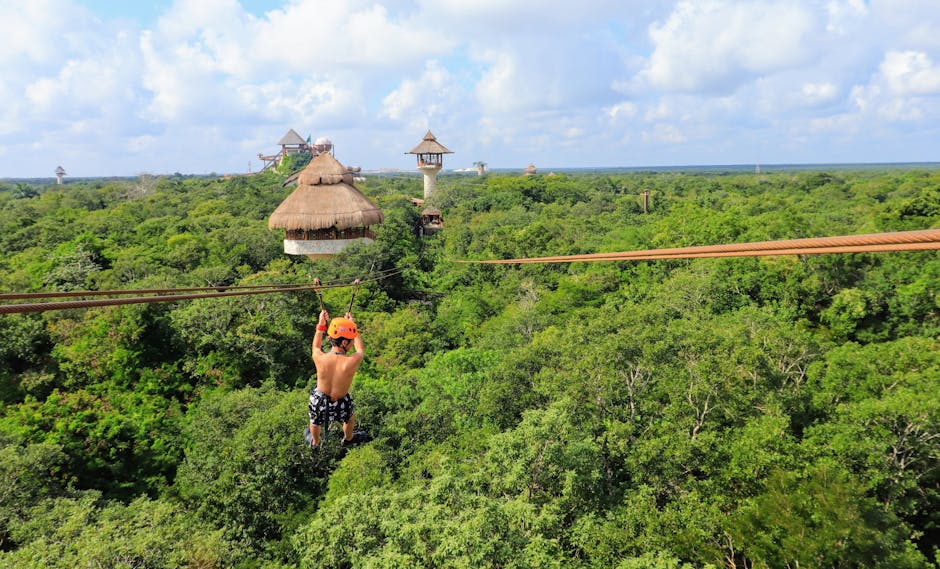
Costa Rica combines rainforest exploration with coastal thrills. Zip-lining through Monteverde’s cloud forest, surfing in Tamarindo, or whitewater rafting on the Pacuare River are popular choices.
The country prioritizes eco-tourism, so many tours follow sustainable practices. Wildlife is abundant—sloths, howler monkeys, and toucans are commonly spotted. Rainy season (May–November) can affect trail access, so plan accordingly.
Iceland: Land of Fire and Ice
Iceland’s volcanic terrain creates unique adventure opportunities. Hike across lava fields, explore ice caves in Vatnajökull Glacier, or snorkel between tectonic plates in Silfra fissure.
Weather is unpredictable, even in summer. Always travel with a guide in glacial areas due to hidden crevasses. The Ring Road connects most major sites, but 4×4 vehicles are needed for highland routes like the F-roads.
Must-Try Adventure Activities
Adventure travel isn’t limited to hiking. A wide range of activities cater to different interests and fitness levels. Choose based on your goals, experience, and comfort with risk.
Trekking and Backpacking
Multi-day treks allow deep immersion in nature. Popular routes include the Inca Trail to Machu Picchu, Peru, and the West Highland Way in Scotland. These require endurance, proper gear, and planning.
Pack light but include essentials: a quality tent, sleeping bag, water filter, and first-aid kit. Research permits and seasonal closures. Group travel reduces costs and increases safety in remote areas.
Water-Based Adventures
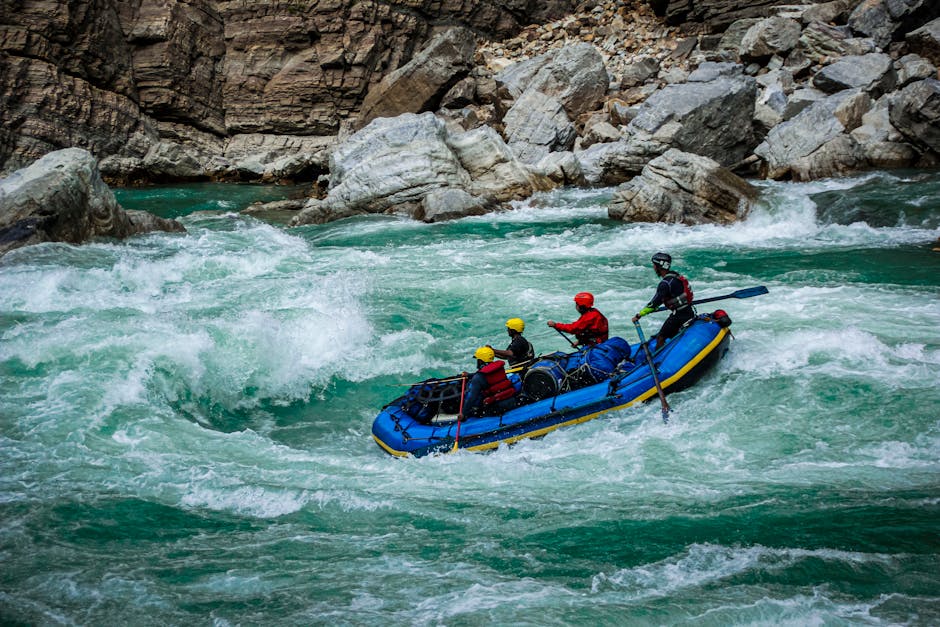
Kayaking, rafting, and diving open up aquatic worlds. Try sea kayaking in Halong Bay, Vietnam, or whitewater rafting on the Zambezi River near Victoria Falls.
Scuba diving in the Great Barrier Reef or the Red Sea offers vibrant marine life, but certification is required. Always dive with licensed operators and check equipment before entering the water.
Climbing and Mountaineering
Rock climbing and alpine ascents demand technical skill and physical fitness. Beginners can start with indoor climbing or guided outdoor sessions in places like Yosemite, USA, or Kalymnos, Greece.
Mountaineering, such as climbing Mount Kilimanjaro in Tanzania, requires weeks of preparation. Hire certified guides and invest in proper footwear and crampons. Weather and altitude are major factors.
Wildlife and Safari Expeditions
Safari adventures offer close encounters with animals in their natural habitats. Kenya’s Maasai Mara and Botswana’s Okavango Delta are top choices for big game viewing.
Guided safaris ensure safety and ethical observation. Avoid touching or feeding animals. Early morning and dusk drives yield the best sightings. Binoculars and a good camera enhance the experience.
How to Plan Your Adventure Trip
Proper planning turns a dream trip into a safe, enjoyable reality. Rushing leads to poor decisions and avoidable risks. Follow these steps for a smoother journey.
Assess Your Fitness and Skill Level
Be honest about your physical condition and experience. A 10-day trek isn’t suitable for someone who rarely exercises. Start with shorter, easier trips to build confidence.
Many tour operators offer graded adventures—look for “beginner,” “intermediate,” or “advanced” labels. Training in advance, like hiking with a loaded backpack, improves performance.
Research Destinations and Seasons
Weather and accessibility vary by season. The dry season in Nepal (October–November) is ideal for trekking, while monsoon months bring landslides and trail closures.
Check travel advisories, visa requirements, and local regulations. Some countries require vaccinations or special permits for remote areas. Use official tourism websites for reliable updates.
Choose Reputable Tour Operators
Guided tours reduce risk and provide local knowledge. Look for companies with certified guides, positive reviews, and clear safety protocols.
Avoid deals that seem too good to be true—they often cut corners on safety or sustainability. Ask about group size, emergency plans, and equipment quality.
Pack Smart and Light
Overpacking slows you down and increases fatigue. Focus on essentials: moisture-wicking clothing, sturdy footwear, a first-aid kit, and navigation tools.
Rent or borrow specialized gear like climbing harnesses or wetsuits when possible. Test all equipment before departure. Leave valuables at home to reduce theft risk.
Prepare for Emergencies
Carry a basic first-aid kit and know how to use it. Learn CPR and wilderness first response if traveling to remote areas. Share your itinerary with someone at home.
Consider travel insurance that covers adventure activities. Many standard plans exclude high-risk sports. Check coverage for medical evacuation, trip cancellation, and gear loss.
Safety Tips for Adventure Travelers
Safety should never be an afterthought. Even experienced adventurers face unexpected challenges. These tips help minimize risks.
Always inform others of your plans, including route and return time. Check in regularly if possible. Avoid traveling alone in high-risk areas.
Respect local customs and environmental rules. Stay on marked trails to prevent erosion and getting lost. Never approach wild animals, no matter how tame they seem.
Monitor weather forecasts daily. Flash floods, avalanches, and storms can develop quickly. Turn back if conditions worsen—no summit or photo is worth your life.
Sustainable Adventure Travel
Adventure travel often takes place in fragile ecosystems. Responsible practices protect these environments for future visitors.
Follow Leave No Trace principles: pack out all trash, minimize campfire impact, and avoid disturbing wildlife. Use biodegradable soap and toiletries.
Support local economies by hiring local guides, staying in community-run lodges, and buying handmade goods. Avoid single-use plastics by carrying a reusable water bottle and utensils.
Final Thoughts
An adventure travel guide is more than a list of places—it’s a roadmap to personal growth, cultural connection, and natural wonder. The best trips challenge you just enough to feel accomplished, not overwhelmed.
Whether you’re crossing a glacier, paddling through a jungle river, or sleeping under the stars, adventure travel rewards preparation, respect, and curiosity. Start small, learn as you go, and let each journey shape your next.
FAQ
What is the best time of year for adventure travel?
It depends on the destination. For example, trekking in Nepal is best in spring (March–May) and fall (September–November), while Patagonia is ideal in summer (December–February). Always research seasonal conditions before booking.
Do I need special gear for adventure travel?
Yes, but you don’t need to buy everything. Essentials include sturdy footwear, weather-appropriate clothing, and a reliable backpack. Many items can be rented or borrowed, especially technical gear like climbing equipment or wetsuits.
Is adventure travel safe for beginners?
Absolutely, with proper planning. Choose beginner-friendly tours with certified guides, start with shorter trips, and assess your fitness honestly. Many destinations offer scalable activities that match your skill level.