Best Seafood Dishes to Try for Culinary Travelers
For culinary travelers, seafood offers a passport to regional flavors, cooking traditions, and coastal cultures. From buttery lobster rolls in New England to spicy crab curry in Singapore, the world’s best seafood dishes reflect local ingredients and time-honored techniques. Whether you’re exploring a bustling fish market in Tokyo or a seaside taverna in Greece, trying authentic seafood is one of the most rewarding parts of travel. This guide highlights standout dishes that deliver unforgettable taste and cultural insight—perfect for food lovers planning their next gastronomic adventure.
Why Seafood Is a Must-Try for Food-Focused Travelers
Seafood connects travelers directly to a destination’s geography and heritage. Coastal regions often rely on daily catches, meaning menus change with the tides. This freshness translates into vibrant, clean flavors that are hard to replicate inland.
Unlike chain restaurants or imported ingredients, local seafood dishes are deeply rooted in tradition. They often use preparation methods passed down through generations—grilling over open flames, fermenting, or slow-cooking in clay pots. Trying these dishes offers more than a meal; it’s an immersive cultural experience.
For travelers, seafood also provides a way to support sustainable fishing communities. Many coastal towns depend on responsible harvesting, and dining locally helps preserve both the ecosystem and the economy.
Iconic Seafood Dishes Around the World
Each region has signature seafood preparations that define its culinary identity. These dishes go beyond simple fish and chips—they’re crafted with local spices, cooking styles, and seasonal ingredients. Below are some of the most celebrated options every culinary traveler should seek out.
Grilled Octopus in Greece
In Greek coastal towns like Mykonos or Crete, grilled octopus is a staple. Tenderized through pounding or slow cooking, the octopus is charred over olive wood and dressed with olive oil, lemon, and oregano.
The result is smoky, slightly chewy, and deeply savory. It’s often served as part of a meze platter with fava beans and tomatoes. For the best experience, order it at a family-run taverna near the harbor, where the catch is often brought in that morning.
Ceviche in Peru
Peruvian ceviche is a national treasure. Fresh raw fish—usually sea bass or flounder—is “cooked” in lime juice, then mixed with red onion, cilantro, and aji amarillo peppers.
It’s served with sweet potato and choclo (large-kernel corn), balancing acidity with earthy sweetness. The dish varies by region: coastal versions are citrus-forward, while Andean adaptations may include more heat. Always eat it the same day it’s made for optimal texture and safety.
Singapore Chili Crab
This messy, finger-licking dish features whole mud crabs stir-fried in a thick, sweet-spicy tomato and chili sauce. The sauce clings to the shell and meat, making it essential to mop up with steamed mantou buns.
Originally created in the 1950s, it’s now a symbol of Singaporean hawker culture. For authenticity, visit Newton Food Centre or Jumbo Seafood, where the dish is served with gloves and wet towels.
Paella Valenciana in Spain
While many associate paella with seafood, the traditional Valencian version includes rabbit, chicken, and snails. However, coastal variations like paella de mariscos feature shrimp, mussels, clams, and squid cooked in saffron-infused rice.
The key is the socarrat—the crispy bottom layer of rice formed in the wide, shallow pan. This dish is best enjoyed at a seaside restaurant in Valencia or Barcelona, ideally with a glass of crisp white wine.
Lobster Roll in New England, USA
A classic New England lobster roll consists of chilled lobster meat tossed in mayonnaise, celery, and lemon, served in a toasted split-top hot dog bun.
There are two styles: Maine-style (cold with mayo) and Connecticut-style (warm with butter). Both are rich and indulgent, best eaten at a roadside shack in places like Portland or Cape Cod. Avoid pre-packaged versions—freshness is everything.
Black Cod with Miso in Japan
Popularized by chef Nobu Matsuhisa, this dish features marinated black cod in a sweet-savory blend of white miso, mirin, and sake, then broiled until caramelized.
The fish becomes buttery and flaky, with a glossy glaze. It’s a refined take on traditional Japanese flavors and is widely available in Tokyo’s upscale sushi bars and ryotei restaurants. A must-try for fans of umami-rich cuisine.
Bouillabaisse in Marseille, France
This Provençal fish stew originated as a humble fisherman’s meal, combining multiple local fish, shellfish, and saffron in a tomato-based broth.
Authentic bouillabaisse includes at least four types of fish, such as scorpionfish and sea robin, and is served with rouille—a garlicky, saffron-spiced mayonnaise—and crusty bread. Only a handful of Marseille restaurants serve the traditional version, so do your research before ordering.
Fish and Chips in the UK
While simple, a proper fish and chips can be sublime. Fresh cod or haddock is battered and deep-fried until golden, then served with thick-cut chips, mushy peas, and tartar sauce.
The best versions use beer batter and are cooked to order. Coastal towns like Whitby and Brighton offer top-tier options. Avoid soggy or greasy versions—freshness and technique matter.
Thai Green Curry with Prawns
This aromatic curry blends coconut milk, green curry paste, kaffir lime leaves, and fresh prawns. It’s spicy, creamy, and fragrant, often served with jasmine rice.
In Thailand, it’s common to find it made with river prawns or tiger shrimp. Street vendors in Bangkok or beachside restaurants in Phuket prepare it with bold, balanced heat. Be cautious with spice levels if you’re sensitive—Thai heat is no joke.
Oysters Rockefeller in New Orleans, USA
Created in the late 1800s, this dish tops raw oysters with a rich sauce of butter, herbs, and breadcrumbs, then bakes them until bubbly.
The original recipe used absinthe, but modern versions often substitute Pernod or omit it entirely. Served on the half-shell, it’s a decadent appetizer best enjoyed at historic French Quarter establishments like Antoine’s.
How to Choose the Best Seafood When Traveling
Not all seafood is created equal, especially when you’re far from home. Knowing what to look for ensures you get the freshest, safest, and most authentic experience.
Look for Local Catch
Ask where the seafood comes from. Restaurants that source locally are more likely to serve fresh, seasonal dishes. Menus that list the day’s catch or name the fishing village are good signs.
Avoid places that offer the same seafood year-round in tropical climates—this often indicates frozen or imported products. Local fish should reflect regional availability.
Check for Cleanliness and Smell
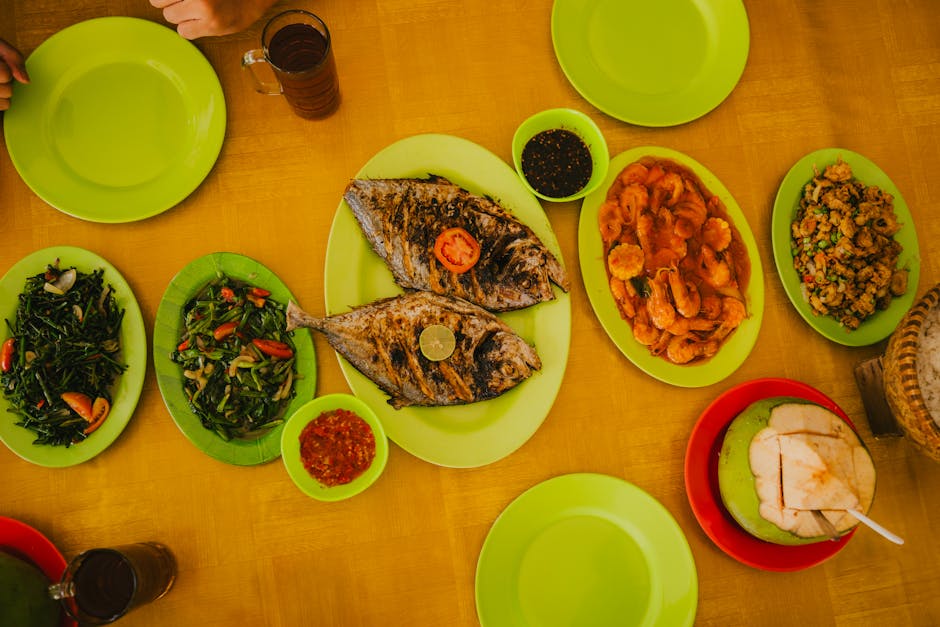
Fresh seafood should smell like the ocean—clean and briny, not fishy or sour. A strong ammonia odor indicates spoilage. Even in high-end restaurants, trust your nose.
Inspect the kitchen or display case if possible. Ice should be clean and clear, not yellowed or slushy. Fish eyes should be clear and bulging, not cloudy.
Ask About Preparation
Don’t hesitate to ask how a dish is prepared. Is the fish grilled, steamed, or fried? Is it served raw? Understanding the method helps you avoid surprises and appreciate the technique.
For raw dishes like ceviche or sashimi, confirm the fish was frozen first to kill parasites. This is standard in most countries but worth verifying in remote areas.
Consider Sustainability
Some seafood is overfished or harvested using destructive methods. When in doubt, choose species that are abundant and responsibly sourced.
Look for certifications like MSC (Marine Stewardship Council) or ask if the restaurant follows local sustainability guidelines. Avoid endangered species like bluefin tuna or Chilean sea bass when possible.
Regional Tips for Seafood Lovers
Different regions have unique seafood cultures. Knowing what to expect helps you make the most of your culinary journey.
Asia: Freshness and Simplicity
In countries like Japan, Thailand, and Vietnam, seafood is often served with minimal seasoning to highlight natural flavors. Steaming, grilling, and raw preparations dominate.
Visit fish markets early in the morning to see the day’s catch. In Tokyo’s Tsukiji Outer Market or Hanoi’s Dong Xuan, vendors often prepare seafood on the spot. Street food stalls can be excellent—just ensure high turnover for freshness.
Europe: Tradition and Technique
European seafood dishes emphasize technique and heritage. Think French bouillabaisse, Spanish pulpo a la gallega, or Italian fritto misto.
Many recipes are protected by regional laws. For example, only certain restaurants in Marseille can legally call their stew “bouillabaisse.” Seek out these certified spots for authenticity.
The Americas: Bold Flavors and Fusion
From the Caribbean to the Pacific Northwest, seafood in the Americas often blends indigenous, European, and African influences. Dishes like ceviche, conch fritters, or salmon with maple glaze reflect this diversity.
In Latin America, seafood is frequently spiced with chili, citrus, and tropical herbs. In the U.S., regional styles vary widely—New England clam chowder differs greatly from Louisiana’s blackened redfish.
Africa and the Middle East: Spices and Grilling
Coastal regions in Morocco, Tunisia, and Lebanon feature grilled fish seasoned with cumin, paprika, and lemon. In South Africa, snoek (a type of mackerel) is smoked and served with apricot glaze.
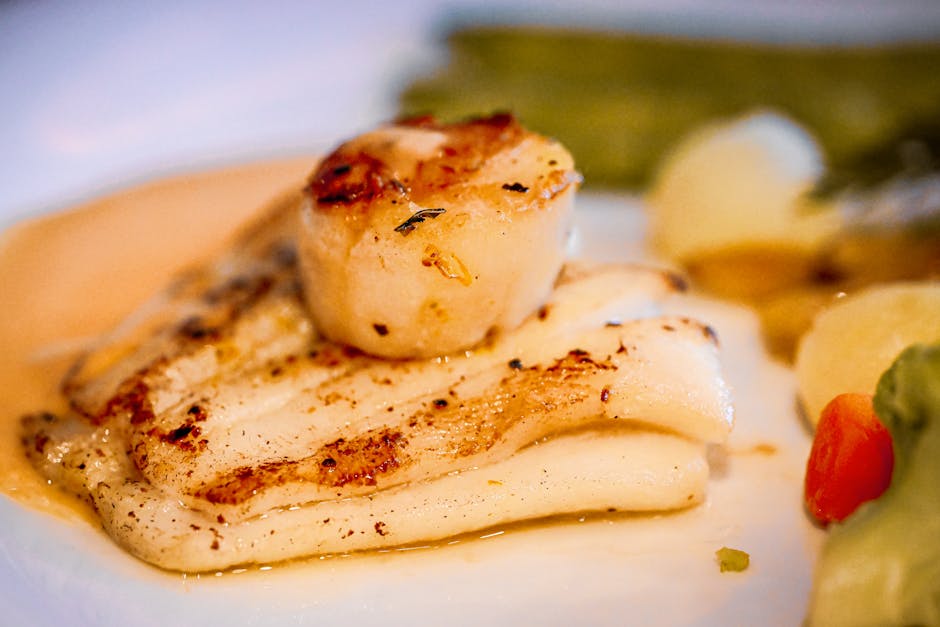
Street food is common—grilled sardines in Essaouira or fish tagine in Marrakech are affordable and delicious. Always confirm the fish was cooked thoroughly, especially in humid climates.
Common Mistakes to Avoid
Even experienced travelers can make missteps when trying new seafood. Avoid these common pitfalls.
Don’t assume all raw fish is safe. In areas with questionable water quality, raw seafood increases the risk of foodborne illness. When in doubt, choose cooked options.
Avoid ordering the most expensive item on the menu without asking questions. Some restaurants inflate prices for tourists. Ask locals or check reviews to find fair pricing.
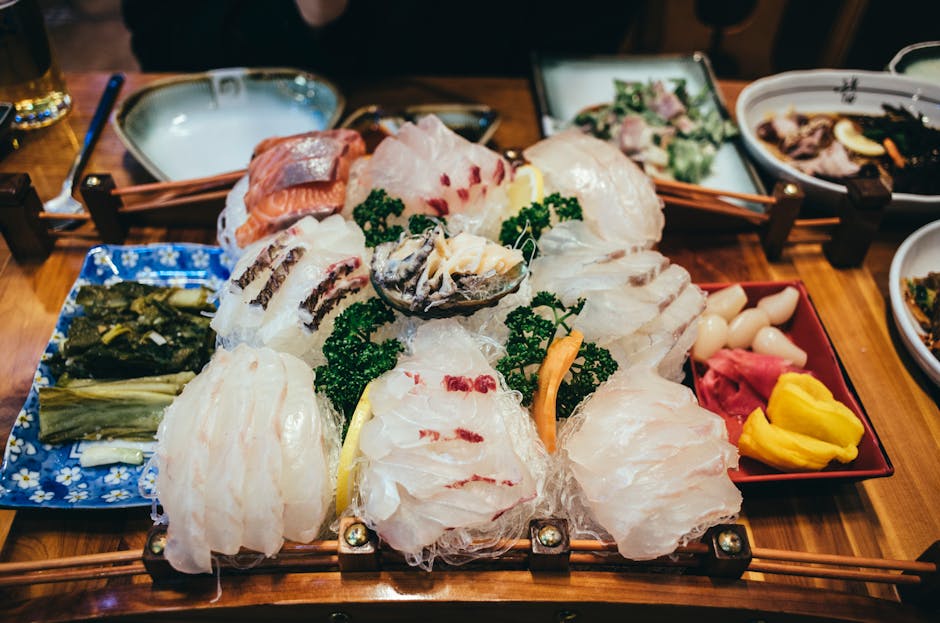
Don’t skip the sides. In many cultures, seafood is part of a larger meal. In Spain, paella is a one-dish feast. In Japan, sashimi is served with rice, miso soup, and pickles. Ordering only the protein misses the full experience.
Finally, don’t be afraid to try something unfamiliar. Culinary travel is about discovery. If a dish looks interesting, ask the server to describe it. Most will be happy to explain.
How to Recreate These Dishes at Home
While nothing beats eating seafood at its source, you can bring the flavors home with the right ingredients and techniques.
Start with the freshest fish possible. Visit a trusted fishmonger or use a reputable online seafood delivery service. For dishes like ceviche or sashimi, ensure the fish is labeled “sushi-grade” and has been previously frozen.
Invest in key pantry items: good olive oil, miso paste, fish sauce, saffron, and fresh herbs. These form the backbone of many international seafood recipes.
Use authentic recipes from trusted sources. Look for cookbooks by chefs from the region or food blogs written by locals. Avoid overly simplified versions that skip essential steps.
Practice makes perfect. Grilling octopus or making paella takes time to master. Don’t be discouraged by a first attempt that’s not restaurant-quality. Each try builds skill and appreciation.
Final Thoughts
The best seafood dishes to try for culinary travelers are those that tell a story—of a place, a people, and a tradition. They’re not just meals; they’re cultural artifacts served on a plate.
From the smoky char of Greek octopus to the citrus-kissed freshness of Peruvian ceviche, each bite offers a deeper connection to the destination. By choosing local, sustainable, and authentic options, travelers can enjoy unforgettable flavors while respecting the communities that create them.
So next time you’re planning a trip, let your taste buds lead the way. Seek out the fish markets, ask for recommendations, and savor every bite. The world’s oceans have endless stories to tell—one delicious dish at a time.
FAQ
What’s the safest way to eat raw seafood while traveling?
Choose reputable restaurants with high turnover. Confirm the fish was previously frozen to kill parasites. Avoid raw seafood in areas with poor sanitation or during warm weather when spoilage risk is higher.
How can I tell if a seafood dish is authentically local?
Look for menus that mention the region, fishing village, or daily catch. Authentic dishes often have specific names tied to a location, like “bouillabaisse de Marseille” or “ceviche limeño.”
Are there vegetarian alternatives to popular seafood dishes?
Yes—many cultures offer plant-based versions. Try mushroom “scallops,” jackfruit “crab” cakes, or tofu-based ceviche. These can be delicious and sustainable, especially in coastal regions with strong vegetarian traditions.