Best Desserts to Try While Traveling Around the World
Traveling opens doors to more than just sights and sounds—it’s a chance to taste the world. One of the most delicious ways to experience a new culture is through its desserts. From flaky pastries in Paris to creamy custards in Southeast Asia, every region offers sweet specialties shaped by local ingredients, traditions, and history. Whether you’re a casual traveler or a dedicated foodie, sampling regional desserts adds depth and joy to any journey. This guide highlights some of the best desserts to try while traveling around the world, offering practical tips and must-try examples to enhance your next adventure.
Why Desserts Matter in Travel Experiences
Desserts are more than just sugar and calories—they’re cultural artifacts. A single bite can reveal centuries of trade, migration, and adaptation. Think of how French patisserie reflects precision and elegance, or how Middle Eastern sweets showcase the influence of ancient spice routes. Trying local desserts helps you connect with a place on a sensory and emotional level.
Unlike chain restaurant desserts, regional sweets often use hyper-local ingredients and time-honored techniques. They’re made by artisans who’ve passed recipes down through generations. When you order a slice of baklava in Istanbul or a bowl of kulfi in Delhi, you’re not just eating—you’re participating in a living tradition.
Plus, desserts are often tied to festivals, seasons, and daily rituals. In Japan, matcha-flavored treats appear during cherry blossom season. In Mexico, dulce de leche is a staple during Day of the Dead celebrations. These moments make desserts a meaningful part of cultural immersion.
Top Desserts by Region
Europe: Elegance in Every Bite
Europe is a treasure trove of refined desserts, many of which have inspired versions worldwide. France leads with its delicate pastries, while Italy offers creamy, fruit-forward treats.
In Paris, don’t miss the éclair. This oblong pastry filled with cream and topped with glossy icing comes in flavors like chocolate, coffee, and seasonal fruits. For a classic experience, visit a traditional patisserie like Ladurée or Pierre Hermé. Be warned: the best éclairs sell out by mid-morning.
Italy’s tiramisu is another must-try. Made with layers of coffee-soaked ladyfingers and mascarpone cream, it’s rich but balanced. Authentic versions avoid artificial flavors—look for recipes that use real espresso and dark cocoa powder. Venice and Florence are known for particularly creamy, well-textured tiramisu.
Greece offers galaktoboureko, a custard-filled phyllo pastry soaked in citrus-scented syrup. It’s dense, sweet, and often served warm. Pair it with a strong Greek coffee for a perfect afternoon treat. Many family-run bakeries in Athens and Thessaloniki make it fresh daily.
Asia: Bold Flavors and Unique Textures
Asian desserts often surprise travelers with their use of ingredients like coconut, red bean, and rice flour. They tend to be less sweet than Western counterparts, focusing on balance and texture.
In Thailand, mango sticky rice is a national favorite. Ripe mango slices are served over glutinous rice cooked in coconut milk and sprinkled with toasted mung beans. It’s simple but deeply satisfying, especially during mango season from March to June. Street vendors in Bangkok and Chiang Mai serve it at peak freshness.

Japan’s dorayaki consists of two fluffy pancakes sandwiching sweet red bean paste. Popularized by the anime character Doraemon, it’s a nostalgic snack for many Japanese. Try it at a traditional wagashi shop in Kyoto, where artisans craft each pancake with care.
India’s gulab jamun is a rich, syrupy dessert made from milk solids (khoya) shaped into balls and deep-fried. Soaked in rose-scented sugar syrup, it’s often served at weddings and festivals. For a lighter version, look for baked gulab jamun in urban cafes. Mumbai and Delhi have countless sweet shops offering fresh batches daily.
The Americas: Comfort and Creativity
From North to South America, desserts reflect a blend of indigenous, European, and African influences. They range from comforting classics to inventive modern twists.
In the United States, New York cheesecake stands out for its dense, creamy texture. Unlike lighter versions, it’s made with cream cheese, eggs, and heavy cream, baked until smooth. Junior’s in Brooklyn is a legendary spot, but many local diners also serve excellent slices. Avoid overly sweet or gelatin-heavy imitations.
Mexico’s churros are a street food staple. These fried dough pastries are dusted with cinnamon sugar and often served with chocolate sauce for dipping. In Mexico City, vendors fry them fresh on the spot. For a twist, try churros rellenos—filled with dulce de leche or Nutella.
Argentina’s alfajores are delicate cookies sandwiched with dulce de leche and coated in chocolate or powdered sugar. They’re a beloved snack across South America, but Argentine versions are especially rich. Brands like Havanna are widely available, but homemade alfajores from local panaderías taste best.
Africa and the Middle East: Spices and Sweets
The Middle East and North Africa are home to some of the world’s most aromatic desserts, often featuring nuts, honey, and floral notes.
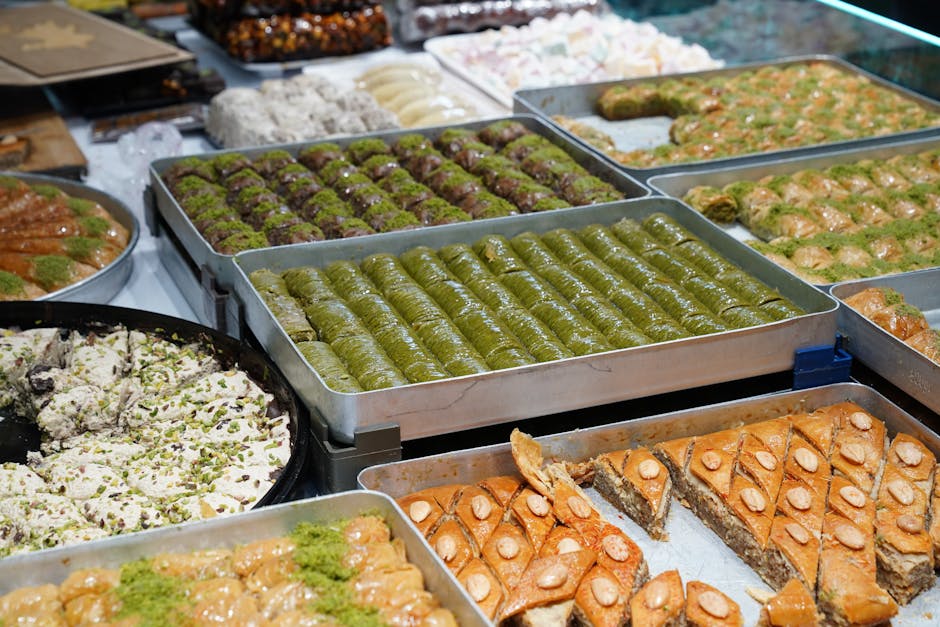
In Turkey, baklava is a showstopper. Layers of phyllo dough are filled with chopped pistachios or walnuts and soaked in honey or sugar syrup. Istanbul’s Karaköy Güllüoğlu is famous for its flaky, buttery baklava. Eat it fresh—stale versions lose their crispness quickly.
Morocco’s m’hanncha, or “snake cake,” is a coiled pastry filled with almond paste and orange blossom water. Its intricate shape makes it a centerpiece at celebrations. Found in Marrakech and Fez, it’s best enjoyed with mint tea.
Ethiopia’s dabo kolo are small, crunchy snacks made from baked dough, often flavored with fenugreek or cardamom. While not a dessert in the traditional sense, they’re sometimes dipped in honey for a sweet finish. They’re commonly sold at markets and make a great travel snack.
Oceania: Fresh and Seasonal

Australia and New Zealand offer desserts that highlight local produce and a laid-back approach to sweets.
Australia’s lamington is a sponge cake coated in chocolate and rolled in desiccated coconut. Some versions include a layer of jam or cream. It’s a schoolyard classic and widely available in cafes. Look for homemade versions at farmers’ markets for the best texture.
New Zealand’s pavlova is a meringue-based dessert with a crisp crust and soft, marshmallow-like interior. Topped with whipped cream and fresh fruit like kiwi or passionfruit, it’s light and refreshing. Despite a long-standing debate with Australia over its origin, New Zealanders proudly claim it as their own. Summer is the best time to try it, when fruit is abundant.
Tips for Enjoying Desserts While Traveling
Sampling desserts abroad can be a highlight of your trip, but a few strategies will help you get the most out of the experience.
Seek Out Local Favorites
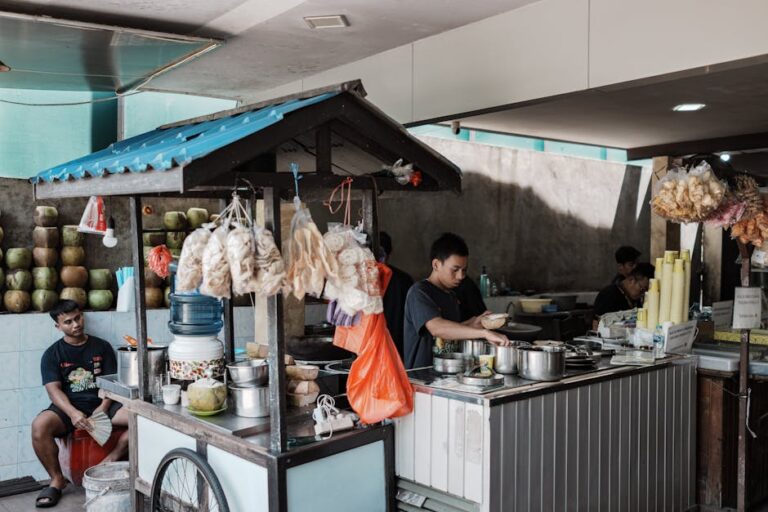
Skip the tourist traps. Instead, ask locals where they go for sweets. A busy neighborhood bakery with a line of regulars is usually a good sign. In many countries, the best desserts aren’t in fancy restaurants—they’re in unmarked shops or street carts.
Use food blogs, local guides, or apps like Google Maps to find highly rated dessert spots. Look for reviews in the local language, as they often highlight authenticity over tourist appeal.
Be Mindful of Food Safety
While desserts are generally safe, some ingredients may be risky in certain regions. Avoid dairy-based desserts that have been sitting out in hot weather, especially if refrigeration is uncertain. Street food is usually fine if it’s cooked fresh and served hot.
If you have dietary restrictions, learn key phrases in the local language. For example, “I am allergic to nuts” or “Does this contain gluten?” can prevent unpleasant surprises.
Try Seasonal Specialties
Many desserts are tied to seasons or festivals. In Japan, sakura mochi is only available in spring. In Mexico, pan de muerto appears around Día de los Muertos. Plan your trip around local events to experience these limited-time treats.
Seasonal desserts often use the freshest ingredients, making them tastier and more authentic. They also offer a deeper connection to local culture.
How to Document and Share Your Dessert Journey
Food travel is as much about memory as taste. Capturing your dessert experiences helps you relive the trip and inspires others.
Take photos of the dessert, the setting, and the people serving it. A shot of a steaming churro vendor in Mexico City tells a richer story than just the food. Write short notes about the flavor, texture, and context—these details fade quickly.
Share your finds on social media or a personal blog. Use hashtags like #foodtravel or #dessertadventures to connect with like-minded travelers. Just be respectful—avoid photographing people without permission.
Consider keeping a dessert journal. Note the name of the dish, location, price, and your rating. Over time, it becomes a personalized guide to the world’s sweetest spots.
Final Thoughts on Global Desserts
Exploring desserts while traveling is more than a treat—it’s a way to understand people, history, and place. Each sweet bite carries stories of migration, innovation, and tradition. Whether you’re savoring a flaky croissant in Lyon or a warm bowl of kulfi in Jaipur, you’re participating in a global culinary conversation.
The best desserts to try while traveling around the world are often the ones made with care, not complexity. They’re served with pride, eaten with joy, and remembered long after the trip ends. So on your next adventure, leave room for dessert—it might just be the sweetest part of your journey.
FAQ
What’s the best way to find authentic desserts while traveling?
Ask locals, visit neighborhood bakeries, and check reviews in the local language. Avoid tourist-heavy areas where desserts may be adapted for foreign palates.
Are street food desserts safe to eat?
Generally yes, especially if they’re cooked fresh and served hot. Avoid dairy-based desserts that have been sitting out in warm climates without refrigeration.
Can I find vegetarian or vegan desserts abroad?
Yes, many traditional desserts are plant-based. Look for fruit-based sweets, nut pastries, or rice flour treats. Learn key dietary phrases in the local language to confirm ingredients.