Best Travel Tips for Traveling Like a Local Anywhere
Want to skip the tourist traps and experience a destination like someone who lives there? Traveling like a local means more than just visiting offbeat neighborhoods—it’s about adopting habits, routines, and mindsets that help you blend in and connect authentically. Whether you’re in Tokyo, Lisbon, or Marrakech, these best travel tips for traveling like a local anywhere will help you move beyond surface-level sightseeing and into the rhythm of daily life.
Start by slowing down. Locals don’t rush from landmark to landmark. They linger over coffee, chat with shopkeepers, and take the same routes every day. By observing and participating in these small rituals, you gain deeper insight into a place’s culture. This guide covers practical strategies—from language basics to transportation choices—that make authentic travel not only possible but enjoyable.
Research Before You Go
Preparation is the foundation of local-style travel. Spend time before your trip learning about daily life in your destination. Read local blogs, watch neighborhood vlogs, or follow city-specific Instagram accounts. These sources reveal where people eat, how they commute, and what they do on weekends.
Check public transit maps and download offline versions. In cities like Berlin or Seoul, buses and subways are faster and cheaper than taxis. Knowing the system in advance helps you navigate confidently and avoid looking like a lost tourist.
Learn Key Phrases in the Local Language
You don’t need to be fluent, but knowing a few essential phrases goes a long way. “Hello,” “thank you,” “please,” and “excuse me” in the local language show respect and often open doors—literally and socially.
For example, in Paris, greeting a shopkeeper with “Bonjour” before asking a question is expected. In Tokyo, a simple “Arigatou gozaimasu” can earn a smile. Use language apps like Duolingo or Memrise for quick practice, or carry a small phrasebook.
Understand Local Etiquette and Norms
Every culture has unwritten rules. In Thailand, never point your feet at someone or touch a person’s head—it’s considered deeply disrespectful. In Italy, avoid ordering cappuccino after 11 a.m.; locals drink it only with breakfast.
Observe how people behave in public spaces. Do they queue orderly? Dress modestly? Remove shoes before entering homes? Mimicking these behaviors helps you blend in and avoid awkward moments.
Ditch the Tourist Map
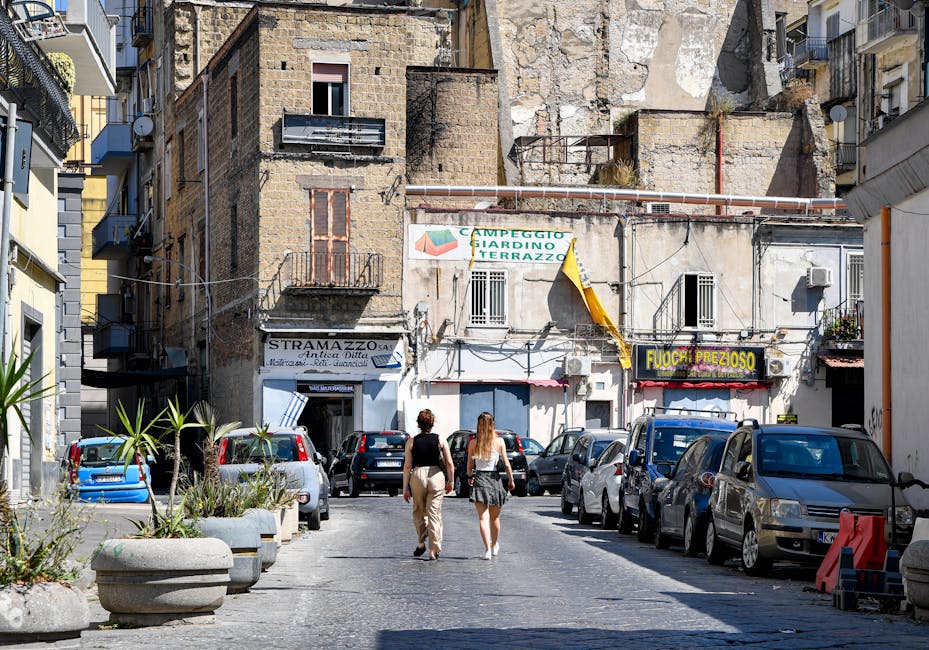
Tourist maps highlight attractions, but locals rely on neighborhood knowledge. Instead of following a checklist, explore by district. Wander through residential areas, visit local markets, and stop at corner cafes.
In Barcelona, for instance, skip La Rambla’s crowded stalls and head to Gràcia’s plazas, where residents sip vermouth and chat in the shade. In New York, try a bodega in Harlem instead of a Times Square deli.
Use Public Transportation Like a Pro
Locals rarely take taxis or ride-sharing for everyday trips. Buses, trams, and subways are faster, cheaper, and more immersive. Buy a transit pass if available—it often includes discounts at museums or shops.
In Tokyo, the Suica card works on trains, buses, and even vending machines. In London, an Oyster card caps daily spending, making it cost-effective. Learn how to validate tickets and stand on the correct side of escalators.
Walk Whenever Possible
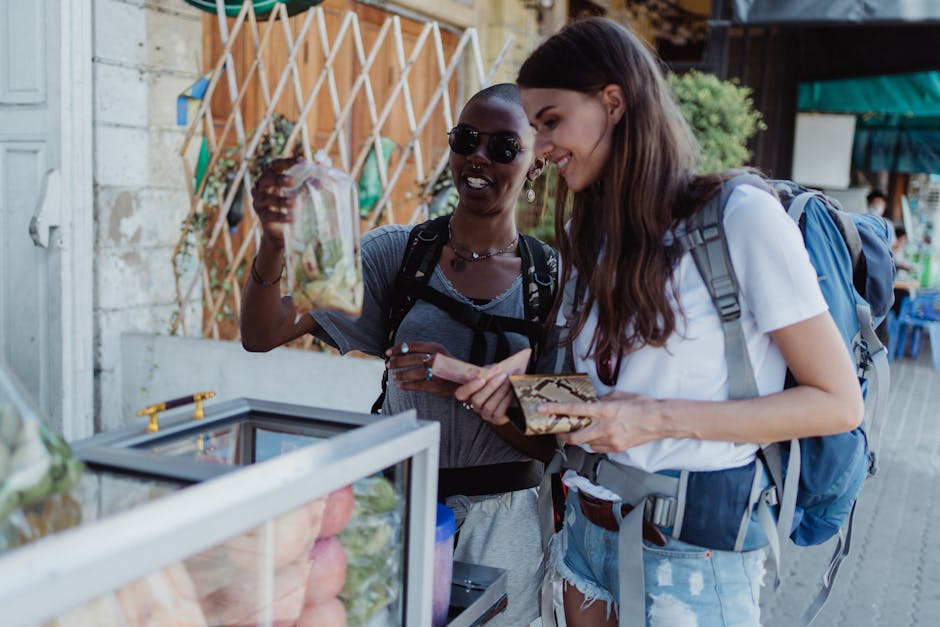
Walking reveals details that vehicles miss—side alleys, street art, tiny bakeries. It also helps you develop a mental map of the area. Locals walk to work, school, and errands, so you’ll see daily life unfold around you.
Wear comfortable shoes and carry a reusable water bottle. In cities like Amsterdam or Copenhagen, walking is not only practical but encouraged. Even in sprawling cities like Los Angeles, neighborhoods like Silver Lake or Echo Park are best explored on foot.
Eat Where the Locals Eat
Restaurants near major attractions often cater to tourists with inflated prices and generic menus. To eat like a local, look for places with long lines of residents, handwritten menus, or no English signage.
Ask your hotel staff or Airbnb host for recommendations. They’ll often suggest family-run spots or neighborhood favorites. In Mexico City, try a taquería in Roma Norte. In Bangkok, seek out street food stalls in Chinatown after dark.
Visit Local Markets
Markets are the heart of local food culture. They offer fresh produce, regional specialties, and a chance to interact with vendors. In Marrakech, the souks sell spices, olives, and tagines. In Lisbon, Time Out Market features top chefs in a communal setting.
Go in the morning for the best selection. Bring cash, as many vendors don’t accept cards. Don’t be afraid to sample—vendors often offer tastes to curious visitors.
Try Home Cooking or Cooking Classes
For a truly local experience, join a cooking class or arrange a home dinner. Many platforms connect travelers with local hosts for meals or lessons. In Tuscany, learn to make fresh pasta with a nonna. In Vietnam, practice folding spring rolls in a Hanoi kitchen.
These experiences build connections and teach you about ingredients and traditions. You’ll also bring home skills, not just souvenirs.
Dress Appropriately
Clothing affects how you’re perceived. In conservative regions like the Middle East or parts of Southeast Asia, cover shoulders and knees. In European cities, smart-casual attire is common—avoid loud logos or athletic wear unless at the gym.
Pack versatile, neutral-colored clothes that can be layered. Locals tend to dress neatly but practically. In Scandinavia, functional outerwear is key. In tropical climates, breathable fabrics and sun protection matter most.
Respect Dress Codes at Religious Sites
Many temples, mosques, and churches require modest dress. In India, remove shoes before entering a temple. In Istanbul, women should cover their heads in Hagia Sophia. Carry a scarf or shawl just in case.
Check guidelines online before visiting. Some sites provide cover-ups, but it’s better to come prepared. Dressing respectfully shows cultural sensitivity and avoids denial of entry.

Engage with Locals
Authentic travel isn’t passive. Strike up conversations with shopkeepers, waitstaff, or fellow commuters. Ask for recommendations—locals love sharing their favorites.
Use simple, open-ended questions: “What’s your favorite dish here?” or “Where do you go on weekends?” Most people appreciate genuine interest. Avoid asking about politics or personal finances unless the conversation naturally leads there.
Join Local Events or Activities
Check community boards, event websites, or apps like Meetup for local happenings. Attend a neighborhood festival, a free concert, or a farmers’ market. In Lisbon, join a Fado night in Alfama. In Kyoto, participate in a tea ceremony.
These events offer cultural immersion and chances to meet residents. Even if you don’t speak the language, shared experiences create connections.
Volunteer or Take a Workshop
Short-term volunteering or skill-based workshops deepen your engagement. Help at a community garden, join a beach cleanup, or take a photography walk with a local guide.
Platforms like Workaway or local NGOs offer opportunities. These activities foster mutual respect and leave a positive impact.
Stay in Local Accommodations
Hotels in tourist zones often feel detached from daily life. Instead, choose guesthouses, homestays, or apartments in residential neighborhoods. Airbnb, Vrbo, or local rental sites offer authentic options.
In Lisbon, stay in Alfama or Príncipe Real. In Tokyo, consider a machiya townhouse in Asakusa. These locations put you closer to local rhythms—morning deliveries, evening strolls, neighborhood chatter.
Use Local Services
Support small businesses. Get your hair cut at a neighborhood salon, buy groceries at a corner store, or have shoes repaired by a local cobbler. These interactions build rapport and keep money in the community.
In Buenos Aires, visit a kiosko for snacks and newspapers. In Berlin, use a Späti (corner shop) for drinks and essentials. These spots are part of daily life.
Be Mindful of Your Impact
Traveling like a local also means traveling responsibly. Avoid overtourism by visiting popular sites early or on weekdays. Respect quiet hours in residential areas.
Dispose of waste properly, especially in places with limited recycling. In many Asian countries, littering is frowned upon. Carry a reusable bag, cup, and utensils to reduce plastic use.
Support Sustainable Tourism
Choose eco-friendly tours, stay in green-certified accommodations, and eat at restaurants that source locally. In Costa Rica, book with community-based eco-lodges. In Iceland, avoid off-road driving to protect fragile landscapes.
Your choices matter. Sustainable travel ensures destinations remain vibrant for locals and future visitors.
Embrace the Slower Pace
Locals don’t rush. They savor meals, pause for conversations, and enjoy downtime. Adopt this mindset. Spend an afternoon in a park, read a book at a sidewalk cafe, or people-watch from a bench.
In Vienna, locals spend hours at coffeehouses with a newspaper and a Melange. In Seville, siesta is sacred. Let go of the need to see everything. Quality of experience beats quantity of sights.
Take Time to Observe
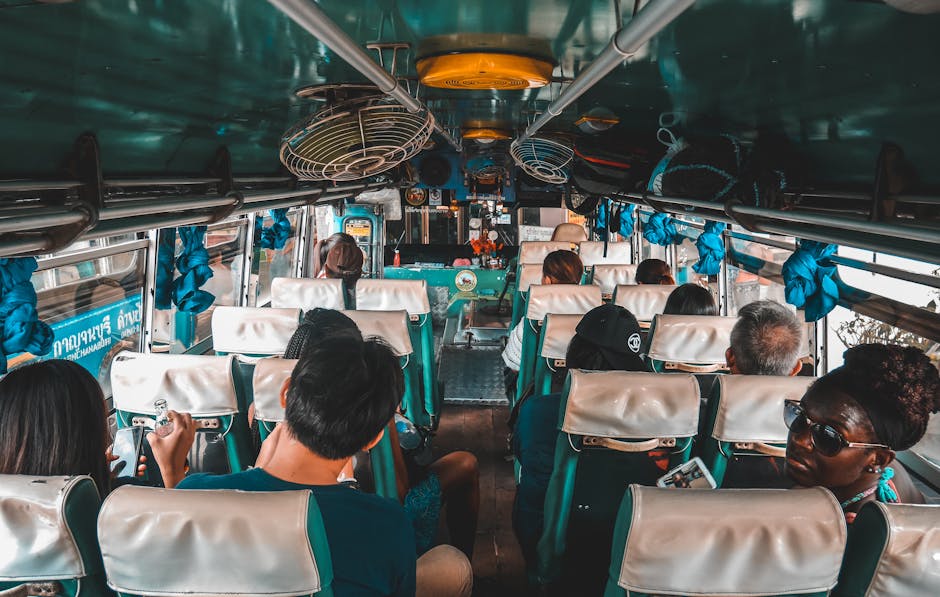
Sit in a plaza or on a bus and watch life unfold. Notice how people greet each other, what they wear, how they move. These observations teach you more than any guidebook.
In Mumbai, watch the dabbawalas deliver lunchboxes with precision. In Kyoto, observe the quiet rituals of temple visitors. These moments reveal cultural values.
Final Thoughts
Traveling like a local isn’t about pretending to be one—it’s about showing curiosity, respect, and openness. The best travel tips for traveling like a local anywhere focus on connection, not performance. You don’t need to master the language or know every custom. Just be present, listen, and participate.
Start small. Take the bus. Eat at a family-run restaurant. Say “hello” in the local tongue. These actions build bridges. Over time, you’ll find that the most memorable travel moments aren’t the photos you take, but the conversations you have and the rhythms you share.
FAQ
How can I find authentic local experiences without speaking the language?
Use translation apps, carry a phrasebook, and rely on visual cues like menus with pictures or popular dishes. Join guided experiences led by locals, or use platforms that connect travelers with residents for meals or tours.
Is it safe to use public transportation in unfamiliar cities?
Yes, in most cities. Research routes in advance, keep your belongings secure, and avoid empty train cars late at night. Locals use public transit daily—it’s generally reliable and safe when you follow basic precautions.
What should I do if I accidentally break a local custom?
Apologize sincerely and move on. Most people understand that travelers may not know every rule. Showing respect and willingness to learn matters more than perfection.