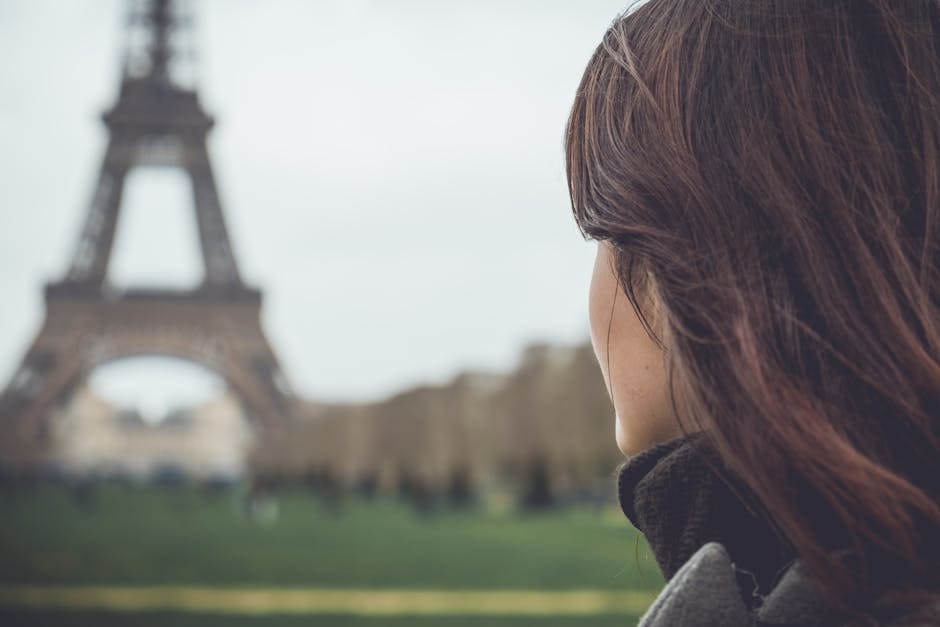
France Travel Guide: Top Attractions and Travel Tips
France is one of the world’s most visited countries, and for good reason. From iconic landmarks like the Eiffel Tower to the sun-drenched vineyards of Bordeaux, this diverse nation offers unforgettable experiences for every traveler. Whether you’re exploring historic cities, savoring world-class cuisine, or relaxing along the Mediterranean coast, a well-planned trip ensures you make the most of your time. This France travel guide covers essential destinations, practical tips, and insider advice to help you navigate the country with confidence.
Why Visit France?
France blends rich history, artistic heritage, and natural beauty in a way few countries can match. It’s home to over 45 UNESCO World Heritage sites, including Mont-Saint-Michel and the Palace of Versailles. The country also boasts a strong culinary reputation, with regional specialties like coq au vin, croissants, and cheeses that vary from one village to the next. Beyond Paris, France offers dramatic coastlines, alpine ski resorts, and lavender fields that stretch across Provence.
Travelers are drawn to France not just for its sights, but for its lifestyle—the leisurely café culture, the emphasis on quality over speed, and the deep appreciation for art and design. Whether you’re a first-time visitor or returning for another adventure, France rewards curiosity and thoughtful exploration.
Top Attractions in France
France’s most famous landmarks are just the beginning. While many travelers start in Paris, the country’s regional gems offer equally compelling experiences. Below are must-see destinations that showcase the breadth of what France has to offer.
Paris: The City of Light
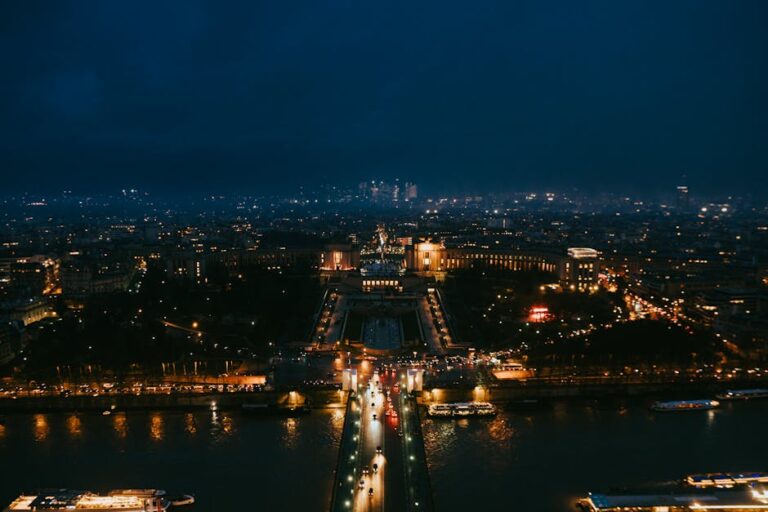
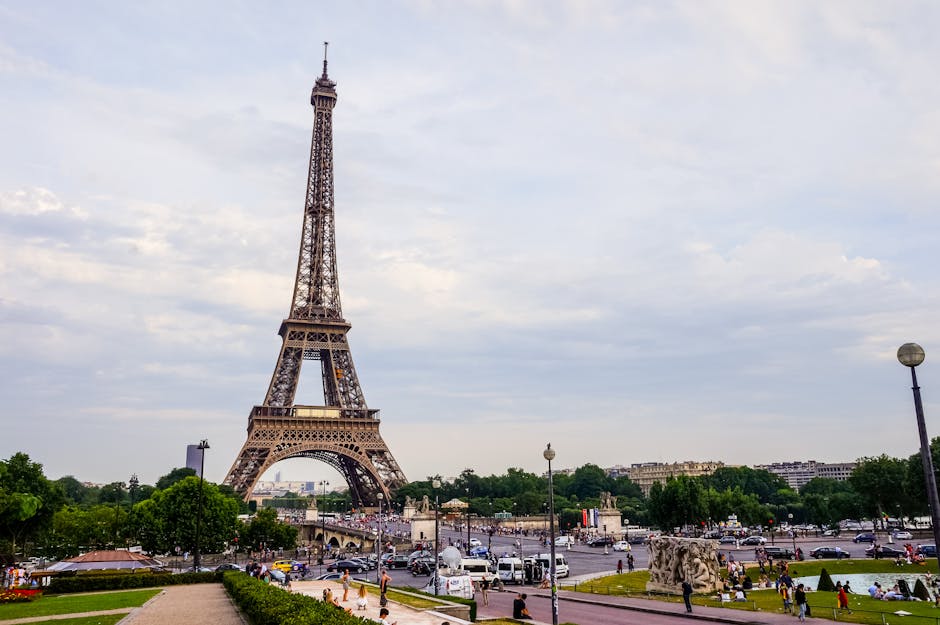
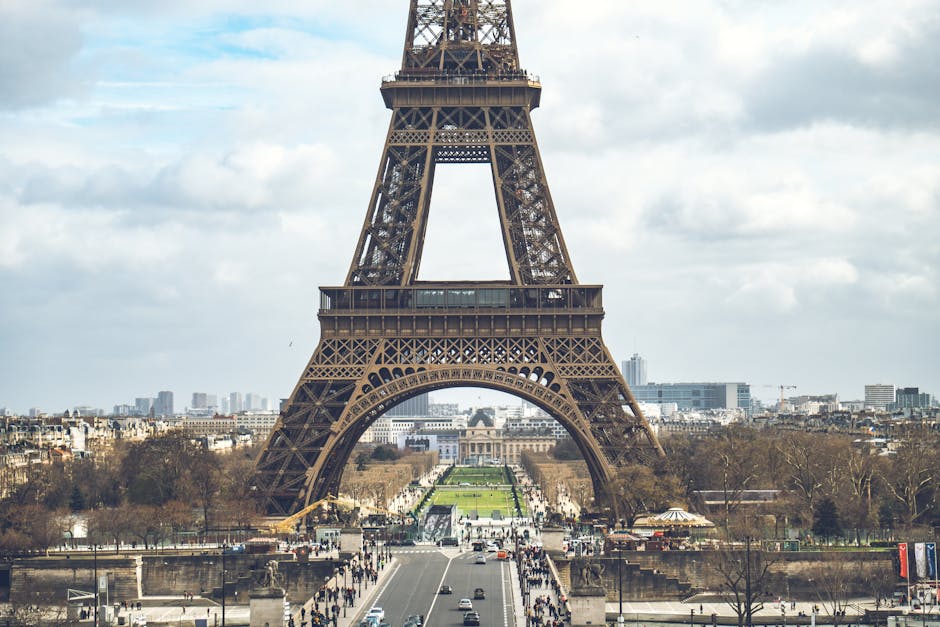
Paris needs no introduction, but it deserves a detailed itinerary. The Eiffel Tower remains the ultimate symbol of the city, best visited at sunset for golden-hour views. Nearby, the Seine River offers scenic boat cruises that pass under historic bridges and past landmarks like Notre-Dame Cathedral.
The Louvre Museum houses masterpieces such as the Mona Lisa and Venus de Milo, but it’s easy to get overwhelmed. Book timed-entry tickets in advance and focus on one wing per visit. For a quieter experience, explore the Musée d’Orsay, known for its impressive collection of Impressionist art.
Don’t miss Montmartre, a hilltop neighborhood with cobblestone streets, the white-domed Sacré-Cœur Basilica, and artists sketching portraits in Place du Tertre. Walk down Rue Lepic for authentic cafés and the famous Moulin Rouge.
Versailles: Royal Grandeur
Just 30 minutes from central Paris by train, the Palace of Versailles is a day-trip essential. The opulent palace, built by Louis XIV, features the Hall of Mirrors, gilded apartments, and meticulously landscaped gardens. Visit on a weekday to avoid crowds, and consider renting a golf cart to explore the expansive grounds.
Note that the palace can feel overly touristy during peak season. For a more relaxed experience, visit the Trianon estates and Marie Antoinette’s Hamlet, located in the quieter western section of the park.
Provence: Lavender Fields and Hilltop Villages
Provence in southern France is a sensory delight. In summer, lavender fields bloom across the countryside, especially around Valensole and Sault. The scent fills the air, and photo opportunities abound. Visit in late June to early August for peak bloom.
The region is also dotted with picturesque villages like Gordes, Roussillon, and Lourmarin. These hilltop towns offer panoramic views, stone architecture, and local markets selling honey, olive oil, and handmade soaps. Rent a car to explore at your own pace.
The French Riviera: Glamour and Mediterranean Charm
The Côte d’Azur stretches along the Mediterranean coast, from Nice to Saint-Tropez. Nice offers a laid-back vibe with its pebble beach, Promenade des Anglais, and vibrant Old Town. Cannes is known for its film festival and luxury boutiques, while Monaco provides a taste of high-end living with its casinos and yacht-lined harbor.
For a quieter escape, visit Èze, a medieval village perched on a cliff with views of the sea. Saint-Paul-de-Vence is another artistic enclave, home to galleries and the famous Fondation Maeght.
The Loire Valley: Châteaux and Countryside
Known as the “Garden of France,” the Loire Valley is famous for its fairytale-like castles. Chambord, with its distinctive French Renaissance architecture and double-helix staircase, is a standout. Chenonceau, spanning the Cher River, is equally enchanting and less crowded.
The region is also a major wine-producing area. Sample crisp Sauvignon Blancs in Sancerre or explore the vineyards around Tours. Many châteaux offer wine tastings and guided tours, making it easy to combine history with gastronomy.
Normandy: History and Coastal Beauty
Normandy is rich in history, particularly from World War II. The D-Day landing beaches—Omaha, Utah, Juno, Gold, and Sword—are solemn and educational. The American Cemetery at Colleville-sur-Mer overlooks Omaha Beach and honors fallen soldiers.
Beyond history, Normandy offers dramatic cliffs, charming fishing villages like Honfleur, and the iconic Mont-Saint-Michel. This tidal island abbey appears to float on the water at high tide and is best visited early in the morning or late in the afternoon to avoid midday crowds.
Alsace: A Taste of Germany in France
Straddling the border with Germany, Alsace blends French elegance with Germanic charm. Strasbourg, the regional capital, features a stunning Gothic cathedral and a picturesque old town known as La Petite France. The city is especially magical during the Christmas market season.
The Alsace Wine Route winds through vineyards and storybook villages like Riquewihr and Colmar. Colmar’s colorful half-timbered houses and canals have earned it the nickname “Little Venice.” Try local specialties like tarte flambée and Riesling wine.
Best Time to Visit France
France enjoys a temperate climate, but timing your visit can greatly impact your experience. Spring (April to June) and fall (September to October) are ideal for mild weather, fewer crowds, and lower prices. These shoulder seasons are perfect for exploring cities and countryside without summer heat or winter chill.
Summer (July and August) is peak tourist season, especially in Paris and the French Riviera. Expect long lines, higher prices, and packed beaches. If you visit during this time, book accommodations and major attractions well in advance.
Winter is quieter and more affordable, with festive markets in December and excellent skiing in the Alps. However, some rural attractions may have limited hours or be closed.
Getting Around France
France has an efficient and well-connected transportation network. The high-speed TGV train is the best way to travel between major cities like Paris, Lyon, Marseille, and Bordeaux. Tickets are cheaper when booked early through SNCF Connect.
For regional travel, regional TER trains and buses serve smaller towns. In cities, metro systems in Paris, Lyon, and Marseille make getting around easy. Paris’s RER trains connect the city center to suburbs and airports.
Renting a car is recommended for exploring rural areas like Provence, the Loire Valley, or the Dordogne. Be aware that driving in Paris can be stressful due to traffic and limited parking. Also, French drivers can be assertive—stay alert and follow local road rules.
Where to Stay in France
Accommodation options in France range from luxury hotels to charming bed-and-breakfasts. In cities, consider staying in central neighborhoods like Le Marais in Paris or Vieux Lyon for easy access to attractions. Boutique hotels often offer personalized service and local character.
In rural areas, look for gîtes (vacation rentals) or chambres d’hôtes (guesthouses), which provide a more authentic experience. Many are family-run and include homemade breakfast. Booking platforms like Airbnb and Gîtes de France offer verified listings.
For a splurge, consider a stay in a château-turned-hotel in the Loire Valley or a seaside villa on the Riviera. These properties often include gardens, pools, and gourmet dining.
French Cuisine: What to Eat and Drink
French food is a highlight of any trip. Start with classics like croissants and café au lait for breakfast. At lunch, try a croque-monsieur or a salad niçoise. Dinner often features dishes like boeuf bourguignon, duck confit, or seafood bouillabaisse in coastal regions.
Bread and cheese are staples. Visit a local boulangerie for fresh baguettes and a fromagerie for artisanal cheeses like Brie, Roquefort, and Comté. Pair them with a glass of wine—France produces some of the world’s finest, from Bordeaux reds to Champagne.
Don’t skip dessert. Crème brûlée, tarte tatin, and macarons from Ladurée or Pierre Hermé are must-tries. Many cafés offer prix-fixe menus at lunch, which are a great value.
Practical Travel Tips for France
France is generally safe, but pickpocketing is common in tourist areas like the Eiffel Tower, Louvre, and metro stations. Keep your belongings secure and avoid displaying valuables. Use hotel safes when available.
While many French people speak English, especially in cities, learning a few basic phrases in French goes a long way. Saying “Bonjour” when entering a shop or “Merci” when leaving shows respect and often leads to warmer interactions.
Tipping is not mandatory but appreciated. In restaurants, rounding up the bill or leaving 5–10% is common. For taxis and hotel staff, small change is sufficient.
Public restrooms are not always free. Carry coins for pay toilets, especially in train stations and parks. Many cafés allow restroom use for customers, so consider buying a coffee if needed.
Money and Budgeting
France uses the euro (€). Credit cards are widely accepted in cities, but cash is still preferred in rural areas and small markets. Inform your bank of your travel plans to avoid card issues.
ATMs are common and usually offer better exchange rates than currency exchanges. Avoid dynamic currency conversion—always choose to be charged in euros.
Budget travelers can save by using public transport, eating at boulangeries, and visiting free museums on the first Sunday of the month (October to March). Mid-range travelers should budget €100–150 per day, including accommodation, food, and activities.
Cultural Etiquette and Tips
The French value politeness and formality. Greet shopkeepers with “Bonjour” and use “s’il vous plaît” (please) and “merci” (thank you). Avoid speaking loudly in public and dress neatly, especially when visiting churches or upscale restaurants.
Dining is a social event. Meals are often slow-paced, and rushing through a meal is considered rude. Wait to be seated, and keep your hands visible on the table (not in your lap).
Photography is allowed in most public spaces, but avoid taking pictures of people without permission. Some museums prohibit flash photography—check signs before shooting.
Sustainable Travel in France
France is committed to sustainable tourism. Use public transport, walk, or bike whenever possible. Many cities offer bike-sharing programs like Vélib’ in Paris.
Support local businesses by shopping at farmers’ markets, eating at family-run restaurants, and choosing eco-certified accommodations. Avoid single-use plastics—bring a reusable water bottle, as tap water is safe to drink.
Respect natural sites by staying on marked trails and not picking flowers or disturbing wildlife. In national parks like the French Alps or Camargue, follow designated paths to protect fragile ecosystems.
Final Thoughts
A trip to France is more than a vacation—it’s an immersion in culture, history, and everyday beauty. With careful planning, you can experience the country’s highlights while discovering hidden corners off the beaten path. Whether you’re marveling at art in Paris, sipping wine in Burgundy, or wandering through lavender fields, France rewards those who travel with curiosity and respect.
This France travel guide provides a solid foundation, but the real magic happens when you step off the map and embrace the unexpected. Bon voyage!
FAQ
What is the best way to get from Paris to the French Riviera?
The fastest option is the TGV high-speed train, which takes about 3 hours from Paris to Nice. Flights are also available but often take longer when including airport transfers and security.
Do I need to speak French to travel in France?
While not required, knowing basic French phrases improves your experience. Many locals appreciate the effort, and it can help in rural areas where English is less common.
Is France expensive for tourists?
France can be pricey, especially in major cities and during peak season. However, budget options exist—look for set menus, public transport, and free museum days to save money.