Travel Tips Guide with Smart Travel Hacks and Ideas
Traveling smarter doesn’t require more money—just better planning. This travel tips guide delivers practical, real-world strategies to help you save time, reduce stress, and stretch your budget. Whether you’re booking flights, packing efficiently, or navigating foreign cities, these smart travel hacks and ideas are designed for real travelers, not just dreamers. From hidden airport lounges to packing cubes that change everything, you’ll find actionable advice that works across destinations and budgets.
Plan Smarter, Not Harder
Good travel starts with smart planning. Instead of scrambling at the last minute, build a routine that saves time and money. Begin by setting a flexible travel window—flights are often cheaper mid-week, and mid-month departures can cut costs by up to 20%.
Use fare alerts from Google Flights or Skyscanner to monitor price drops. These tools notify you when fares dip, so you don’t have to check constantly. Pair this with booking flights 6–8 weeks in advance for domestic trips and 2–3 months ahead for international travel.
Choose the Right Time to Book
Timing matters more than you think. Studies show Tuesday afternoons often have the lowest airfares, though this isn’t a hard rule. More reliable is tracking prices over several weeks to spot trends.
Avoid booking right after major holidays or school breaks. Demand spikes, and prices follow. Instead, aim for shoulder seasons—like late April or early October—when crowds thin and rates drop.
Leverage Loyalty Programs
Sign up for airline and hotel loyalty programs—they’re free and often include perks like free checked bags or room upgrades. Even if you don’t travel often, points can accumulate quickly with co-branded credit cards.
For example, the Chase Sapphire Preferred card earns 2x points on travel and dining, redeemable at high value through transfer partners like United or Hyatt. Just pay off the balance monthly to avoid interest.
Pack Light, Pack Right
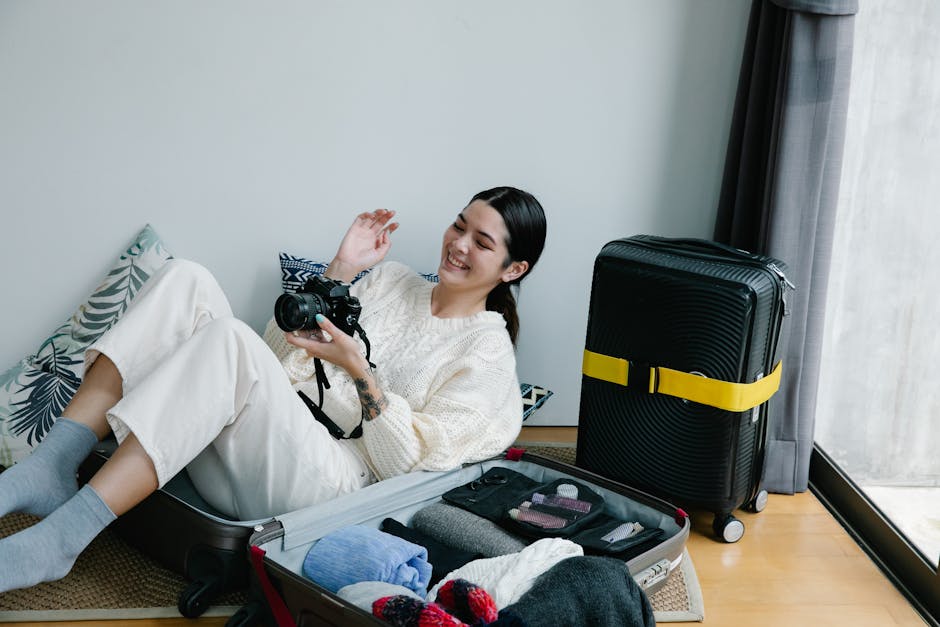
Overpacking slows you down and costs extra. Most travelers bring twice what they need. Stick to a carry-on whenever possible—it saves time at check-in and reduces the risk of lost luggage.
Start with a packing list tailored to your destination. A 5-day trip might need just 5 shirts, 3 bottoms, and 2 pairs of shoes if you mix and match. Roll clothes instead of folding to save space and reduce wrinkles.
Use Packing Cubes
Packing cubes are a game-changer. They compress clothes, keep items organized, and make unpacking faster. Brands like Eagle Creek and AmazonBasics offer durable options under $30.
Assign one cube per category: one for tops, one for bottoms, one for undergarments. This way, you can pull out just what you need without unpacking everything.
Pack a ‘Just-In-Case’ Kit
Include a small pouch with essentials: pain relievers, band-aids, a universal adapter, a portable charger, and a reusable water bottle. These items prevent small issues from becoming big problems.
Don’t forget a photocopy of your passport and a digital backup in your email. If your bag is lost, you’ll still have proof of identity.
Save Money on Flights and Accommodations
Airfare and lodging eat up most travel budgets. But with the right tactics, you can cut costs without sacrificing comfort. Start by being flexible with dates and destinations.
Use Google Flights’ “Explore” map to see cheap destinations from your city. You might discover that Lisbon is cheaper than Rome this month—even if you hadn’t considered it.
Book Connecting Flights
Nonstop flights are convenient but often overpriced. A one-stop flight can save $100 or more, especially on long-haul routes. Just allow enough layover time—90 minutes minimum for domestic, 2+ hours for international.
Check if the airline checks your bag through to the final destination. If not, you’ll need to collect and recheck it, which adds time and risk.

Stay in Alternative Accommodations
Hotels aren’t your only option. Consider vacation rentals, hostels, or house-swapping platforms like HomeExchange. These can offer more space, kitchens, and local flavor for less money.
For example, a two-bedroom Airbnb in Barcelona might cost less than two hotel rooms and include a full kitchen—saving you hundreds on meals.
Use Price Comparison Tools
Never book the first option you see. Use sites like Kayak, Momondo, or Trivago to compare prices across platforms. Some sites even show price history, so you know if now is a good time to buy.
Clear your browser cookies or use incognito mode when searching. Some sites raise prices based on repeated searches.
Navigate Airports Like a Pro
Airports don’t have to be stressful. A few smart moves can turn a chaotic layover into a relaxing pause. Start by downloading your airline’s app—it gives real-time gate updates, boarding times, and baggage info.
Arrive at the airport with time to spare, but not too early. For domestic flights, 90 minutes is usually enough. For international, aim for 2–3 hours.
Use TSA PreCheck or Global Entry
TSA PreCheck costs $78 for five years and lets you skip the regular security line—no need to remove shoes, laptops, or liquids. It’s available at over 200 U.S. airports.
Global Entry includes TSA PreCheck and speeds up re-entry to the U.S. from abroad. It costs $100 and requires an in-person interview, but it’s worth it for frequent international travelers.
Find Free Airport Lounges
You don’t need a first-class ticket to access airport lounges. Some credit cards, like the Amex Platinum, offer lounge access as a benefit. Others, like Priority Pass, give access to hundreds of lounges worldwide for a yearly fee.
Even without a membership, some lounges offer day passes. A $30 day pass might include food, drinks, Wi-Fi, and quiet seating—worth it for a long layover.
Charge Your Devices
Power outlets are scarce in airports. Bring a portable charger with at least 10,000mAh capacity. Look for one with multiple USB ports so you can charge your phone, tablet, and headphones at once.
Some airports have free charging stations, but they’re often crowded. A personal charger ensures you’re never stranded with a dead phone.
Stay Safe and Healthy While Traveling
Safety and health are non-negotiable. A little preparation prevents emergencies. Start by researching your destination’s safety profile—check government travel advisories for updates on crime, weather, or political unrest.
Register your trip with your country’s embassy if traveling abroad. In an emergency, they can assist with evacuation or document replacement.
Get Travel Insurance
Travel insurance isn’t just for extreme sports. It covers trip cancellations, medical emergencies, lost luggage, and flight delays. A basic plan might cost $50–$100 for a week-long trip but can save thousands in unexpected costs.
Read the fine print. Some policies exclude pre-existing conditions or high-risk activities. Compare plans on sites like Squaremouth or InsureMyTrip.
Stay Hydrated and Rested
Jet lag and dehydration make you vulnerable to illness. Drink water regularly, especially on flights. Avoid alcohol and caffeine, which dehydrate you.
Adjust your sleep schedule a few days before departure. If flying east, go to bed earlier. If west, stay up later. This helps your body adapt faster.
Know Local Emergency Numbers
In most countries, 112 is the emergency number. Save it in your phone. Also note the local equivalent for police, fire, and medical help.
Keep a list of important contacts: your embassy, hotel, and travel insurance provider. Store it in your phone and print a copy to carry separately.
Eat Like a Local Without the Risk
Food is a big part of travel, but stomach issues can ruin a trip. Eat where locals eat—street food can be safe and delicious if you choose wisely.
Look for busy stalls with high turnover. Food that’s cooked fresh and served hot is usually safe. Avoid raw vegetables, unpeeled fruit, and tap water in high-risk areas.
Use Apps to Find Safe Eateries
Apps like TripAdvisor, Yelp, and Google Maps show reviews and photos. Filter for recent reviews and look for comments about cleanliness and food safety.
In cities like Bangkok or Mexico City, food tours led by locals can introduce you to authentic dishes in safe settings. Companies like Withlocals or Eatwith offer guided experiences.
Carry Digestive Aids
Pack probiotics, antacids, and anti-diarrheal medication. These can ease minor stomach issues. In some countries, pharmacies sell stronger remedies without a prescription.
Stay cautious with dairy and seafood, which are common culprits in foodborne illness. When in doubt, stick to cooked foods and bottled water.
Use Technology to Your Advantage
Your smartphone is a powerful travel tool. Load it with apps that save time and money. Google Translate works offline and can translate signs, menus, and conversations in real time.
Download offline maps from Google Maps or Maps.me. You can navigate without Wi-Fi, which is crucial in areas with spotty coverage.
Use Digital Wallets
Apple Pay, Google Pay, and Samsung Pay let you pay with your phone. They’re secure, fast, and accepted in many countries. Just make sure your bank doesn’t charge foreign transaction fees.
Carry a backup card and some local cash. Not all vendors accept cards, especially in rural areas or small markets.
Track Your Spending
Use apps like Trail Wallet or Splitwise to log expenses. Set a daily budget and get alerts when you’re close to your limit. This helps avoid overspending and keeps your trip on track.
Review your spending weekly. If you’re under budget, treat yourself to a nice dinner. If over, cut back on non-essentials like souvenirs.
Travel Sustainably
Travel impacts the planet. Small choices add up. Choose direct flights when possible—takeoffs and landings use the most fuel. Pack light to reduce aircraft weight and emissions.
Support local businesses. Eat at family-run restaurants, shop at markets, and hire local guides. Your money stays in the community and supports cultural preservation.
Reduce Plastic Use
Bring a reusable water bottle with a filter. In cities like Paris or Tokyo, tap water is safe and free. In others, a filter bottle lets you refill safely.
Say no to plastic bags and straws. Carry a foldable tote and a metal straw in your bag. These small habits reduce waste and set a positive example.
Respect Local Culture
Learn a few basic phrases in the local language. “Hello,” “thank you,” and “please” go a long way. Dress appropriately for religious sites and conservative areas.
Avoid loud behavior, littering, or photographing people without permission. Being a respectful traveler enhances your experience and earns local goodwill.
Make the Most of Your Time
Time is your most valuable travel resource. Don’t waste it waiting in lines or getting lost. Book skip-the-line tickets for popular attractions like the Eiffel Tower or Colosseum.
Use early mornings to explore. Many sites open at 8 or 9 a.m., and crowds are thinner. You’ll get better photos and a more peaceful experience.
Create a Flexible Itinerary
Plan your days, but leave room for spontaneity. Over-scheduling leads to burnout. Aim for 2–3 major activities per day, with breaks in between.
Use a travel journal or app to note highlights and ideas. You might discover a quiet park or hidden café that becomes your favorite spot.
Take Breaks
Travel is exciting but exhausting. Schedule downtime—nap, read, or people-watch at a café. Rest helps you enjoy the experience more and prevents fatigue.
Don’t feel guilty about skipping a museum or tour. Sometimes the best memories come from unplanned moments.
Final Thoughts
This travel tips guide with smart travel hacks and ideas is built for real-world use. From booking flights to staying safe abroad, every tip is designed to make travel easier, cheaper, and more enjoyable. The best part? These strategies work whether you’re backpacking through Europe or taking a weekend city break.
Start small. Try one new hack on your next trip—like using packing cubes or signing up for fare alerts. Over time, these habits will save you time, money, and stress. Travel isn’t about perfection. It’s about experience. And with the right preparation, every journey can be smoother, smarter, and more rewarding.
FAQ
What’s the best way to find cheap flights?
Use fare comparison tools like Google Flights or Skyscanner, set price alerts, and be flexible with dates and airports. Booking mid-week and during shoulder seasons often yields the lowest fares.
How can I avoid overpacking?
Stick to a carry-on, use a packing list, and roll clothes to save space. Packing cubes help organize and compress items, making it easier to pack light.
Is travel insurance worth it?
Yes, especially for international trips or expensive bookings. It covers cancellations, medical emergencies, and lost luggage, offering peace of mind and financial protection.