Top Travel Destinations for Wildlife and Nature Lovers
For travelers who crave close encounters with wild animals and pristine natural landscapes, choosing the right destination is essential. The best places offer more than scenic views—they provide ethical wildlife experiences, conservation-focused tourism, and opportunities to observe animals in their native habitats. From the savannas of Africa to the rainforests of South America, these top travel destinations for wildlife and nature lovers deliver unforgettable adventures while supporting environmental stewardship. Whether you’re tracking mountain gorillas or snorkeling with sea turtles, these locations balance accessibility with authenticity.
Africa’s Iconic Wildlife Sanctuaries
Africa remains the gold standard for wildlife tourism, offering vast protected areas and some of the planet’s most diverse ecosystems. The continent’s national parks and reserves are home to the famed Big Five—lion, leopard, rhinoceros, elephant, and Cape buffalo—as well as countless other species.
Serengeti National Park, Tanzania
The Serengeti is synonymous with the great migration, where over 1.5 million wildebeest and hundreds of thousands of zebras traverse the plains in search of fresh grazing. This annual event, typically peaking between July and October, is one of nature’s most spectacular phenomena.
Beyond the migration, the park supports a thriving predator population, including cheetahs, hyenas, and lions. Guided game drives and hot air balloon safaris offer immersive ways to experience the landscape. Staying in eco-friendly lodges helps minimize environmental impact while supporting local communities.
Okavango Delta, Botswana
A UNESCO World Heritage Site, the Okavango Delta is a unique inland delta that floods seasonally, creating a labyrinth of waterways, islands, and lagoons. This dynamic ecosystem supports an extraordinary concentration of wildlife, including endangered species like the African wild dog and black rhinoceros.
Travelers can explore by mokoro (traditional dugout canoe), motorboat, or guided walking safaris. The delta’s remote location ensures a more exclusive and low-impact experience compared to crowded parks. Conservation fees directly fund anti-poaching efforts and community development.
Volcanoes National Park, Rwanda
Home to the critically endangered mountain gorilla, this park in the Virunga Mountains offers one of the most profound wildlife encounters on Earth. Permits are limited and must be booked months in advance, ensuring minimal disturbance to the animals.
Trekking through bamboo forests to observe gorilla families is physically demanding but deeply rewarding. Revenue from tourism supports gorilla conservation and provides jobs for local guides and rangers. Visitors are reminded to maintain a 7-meter distance and avoid contact if feeling unwell.
South America’s Biodiversity Hotspots
South America boasts some of the world’s richest ecosystems, from the Amazon rainforest to the Andes mountains. These regions offer unparalleled opportunities to see rare birds, reptiles, and mammals in lush, untouched environments.
Amazon Rainforest, Brazil & Peru
The Amazon spans nine countries but the Brazilian and Peruvian sections are most accessible for travelers. River cruises and jungle lodges provide base camps for exploring the world’s largest tropical rainforest.
Visitors can spot pink river dolphins, sloths, jaguars, and hundreds of bird species, including macaws and toucans. Night walks reveal frogs, insects, and nocturnal mammals. Choosing eco-certified operators ensures your visit supports sustainable practices and local indigenous communities.
Galápagos Islands, Ecuador
This volcanic archipelago, located 1,000 kilometers off Ecuador’s coast, inspired Charles Darwin’s theory of evolution. The islands are home to species found nowhere else, such as marine iguanas, giant tortoises, and blue-footed boobies.
Strict visitor regulations limit group sizes and dictate where you can walk or snorkel. Most travelers explore via small cruise ships or day trips from inhabited islands like Santa Cruz. Snorkeling with sea lions and reef sharks is a highlight. All tourism fees contribute to conservation and scientific research.
Torres del Paine National Park, Chile
In Chilean Patagonia, this park offers dramatic mountain scenery, glacial lakes, and grasslands teeming with wildlife. Guanacos, Andean condors, and pumas roam freely across the rugged terrain.
Hiking the W Trek or O Circuit allows travelers to experience the park’s highlights over several days. Weather can change rapidly, so proper gear and preparation are essential. Camping and refugios (mountain huts) provide accommodation options that blend with the environment.
Asia’s Hidden Natural Treasures
While often overlooked, Asia offers remarkable wildlife experiences in settings ranging from tropical islands to high-altitude forests. These destinations emphasize conservation and cultural connection.
Kaziranga National Park, India
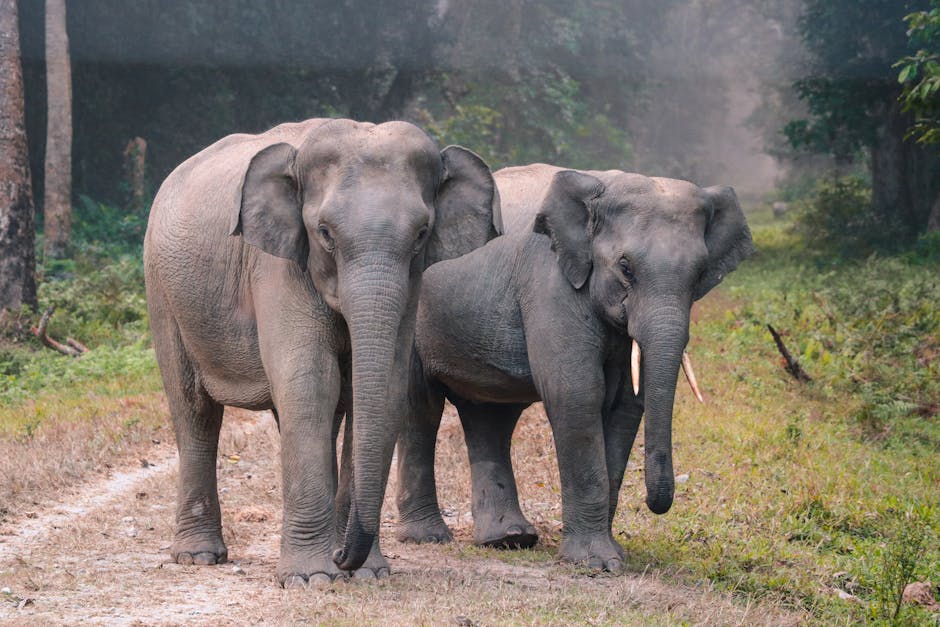
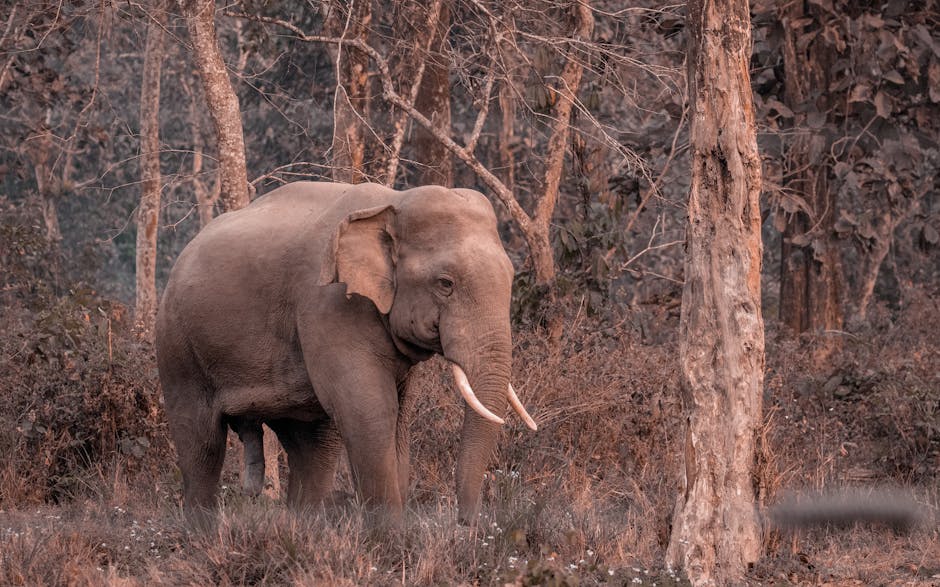
Located in Assam, Kaziranga is a stronghold for the greater one-horned rhinoceros, with over two-thirds of the global population. It’s also a key habitat for tigers, elephants, and water buffalo.
Jeep and elephant-back safaris offer safe ways to view wildlife in the park’s grasslands and wetlands. Flooding during the monsoon season reshapes the landscape, influencing animal movement. Tourism supports anti-poaching units and local employment.
Danum Valley, Borneo, Malaysia
This protected rainforest in Sabah is one of the last remaining lowland dipterocarp forests in Southeast Asia. It’s a haven for orangutans, pygmy elephants, and clouded leopards.
Visitors stay at research-based lodges that limit guest numbers to reduce impact. Guided walks focus on canopy observation, insect diversity, and birdwatching. The area is remote, requiring flights and 4WD transport, which helps preserve its isolation.
Jiuzhaigou Valley, China
A UNESCO site in Sichuan Province, Jiuzhaigou is known for its multi-colored lakes, waterfalls, and snow-capped peaks. The valley supports rare species like the giant panda and golden snub-nosed monkey.
Boardwalks and shuttle buses minimize foot traffic in sensitive areas. The park was closed for two years after a 2017 earthquake to allow recovery, demonstrating a commitment to long-term preservation. Visiting in autumn offers stunning foliage and fewer crowds.
Oceania’s Unique Ecosystems
Australia and New Zealand offer distinct wildlife experiences shaped by isolation and unique evolutionary paths. From marsupials to marine life, these destinations highlight endemic species.
Kangaroo Island, Australia
Off the coast of South Australia, Kangaroo Island is a sanctuary for native animals, including kangaroos, koalas, sea lions, and echidnas. Much of the island is protected as a national park or conservation area.
Visitors can walk among wildlife at Seal Bay or spot koalas in eucalyptus trees at Flinders Chase. The island was heavily affected by bushfires in 2020, but recovery efforts have been strong. Tourism now plays a vital role in funding rehabilitation.
Fiordland National Park, New Zealand
Located on the South Island, Fiordland is a rugged wilderness of deep fjords, waterfalls, and rainforests. It’s home to rare birds like the takahe and kakapo, both once thought extinct.
Cruising Milford Sound offers views of dolphins, penguins, and seals. Hiking the Milford Track is a multi-day journey through some of the country’s most scenic terrain. The Department of Conservation manages visitor numbers to protect fragile ecosystems.
Great Barrier Reef, Australia
The world’s largest coral reef system stretches over 2,300 kilometers off Queensland’s coast. It supports thousands of marine species, including clownfish, sea turtles, and reef sharks.
Snorkeling and diving tours operate from Cairns and the Whitsunday Islands. Climate change and coral bleaching remain serious threats, so choosing eco-certified operators is crucial. Some tours include citizen science activities, allowing visitors to contribute to reef monitoring.
North America’s Wild Frontiers
From Alaska’s tundra to the deserts of the American Southwest, North America offers diverse habitats and iconic wildlife. National parks and protected areas provide safe havens for species often under pressure elsewhere.
Yellowstone National Park, USA
Established in 1872, Yellowstone is the world’s first national park. It spans Wyoming, Montana, and Idaho, featuring geysers, hot springs, and abundant wildlife.
Bison, elk, grizzly bears, and wolves roam freely across the park’s 2.2 million acres. Early morning and dusk are the best times for wildlife viewing. Visitors must stay at least 23 meters from most animals and 90 meters from bears and wolves.
Denali National Park, Alaska, USA
Home to North America’s tallest peak, Denali also protects a vast wilderness of tundra, forests, and rivers. The park is known for its population of grizzly bears, moose, caribou, and Dall sheep.
Only one road enters the park, and private vehicles are restricted beyond a certain point, reducing traffic and disturbance. Bus tours and hiking allow access to remote areas. The park’s size and low visitation help maintain ecological integrity.
Bay of Fundy, Canada
Located between New Brunswick and Nova Scotia, the Bay of Fundy has the highest tides in the world, creating a rich feeding ground for marine life. It’s a prime spot for whale watching, especially for humpbacks and minke whales.
Kayaking and boat tours operate from towns like St. Andrews and Digby. The tidal flats also attract shorebirds, making it a birdwatcher’s paradise. Local operators follow strict guidelines to avoid disturbing marine mammals.
Europe’s Underrated Nature Escapes
While Europe is known for cities and culture, it also hosts remarkable natural areas with diverse flora and fauna. These destinations offer quieter alternatives to more famous global parks.
Sarek National Park, Sweden
Part of the Laponia area in northern Sweden, Sarek is one of Europe’s last true wildernesses. It features glaciers, alpine terrain, and rivers untouched by roads or settlements.
Reindeer, wolverines, and golden eagles inhabit the region. Access is challenging—most visitors hike in or arrive by helicopter. The park is part of the indigenous Sámi homeland, and tourism is managed with cultural sensitivity.
Plitvice Lakes National Park, Croatia
This UNESCO site is famous for its cascading lakes and waterfalls connected by wooden walkways. The park supports brown bears, wolves, and lynx, though sightings are rare.
Trails wind through forests and along turquoise waters, offering stunning photo opportunities. Visitor numbers are capped during peak season to prevent overcrowding. The park’s karst geology makes it ecologically unique in Europe.
Picos de Europa, Spain
Spain’s first national park spans the Cantabrian Mountains and is home to the Iberian ibex, Cantabrian brown bear, and golden eagle. Hiking routes range from easy valley walks to challenging mountain climbs.</p
The park is divided into three massifs, each with distinct landscapes. Local villages offer traditional lodging and cuisine. Conservation efforts focus on protecting the endangered brown bear population through habitat corridors.
Planning Your Wildlife Adventure
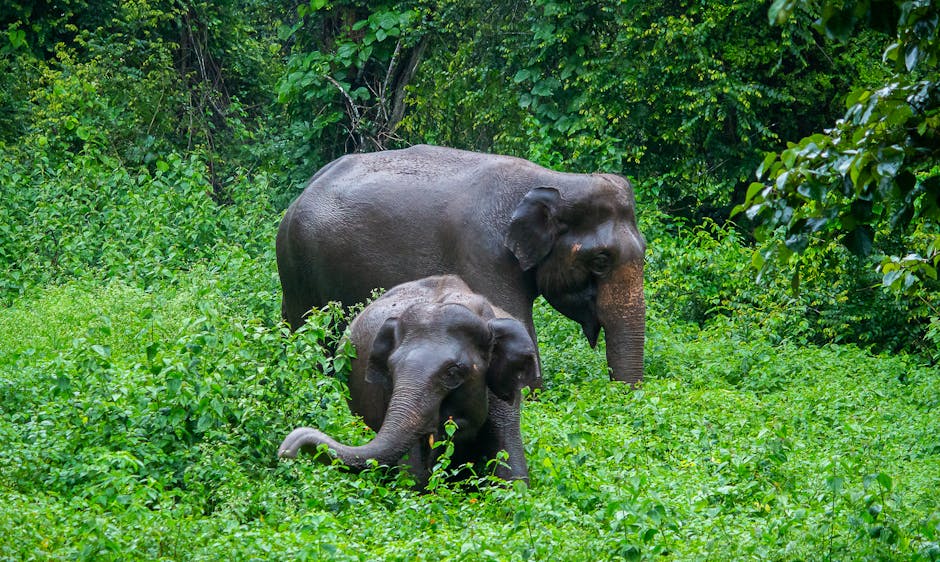
Choosing the right destination is only the first step. Successful wildlife travel requires preparation, respect for nature, and support for sustainable practices.
Research and Timing
Wildlife activity varies by season. In East Africa, the dry season (June to October) offers better visibility and concentrated animal sightings near water sources. In the Galápagos, cooler waters from June to November attract more marine life.
Check migration patterns, breeding seasons, and weather conditions before booking. Some parks close during monsoon or winter months. Flexibility can lead to better experiences and lower prices.
Choose Responsible Operators
Look for tour companies with eco-certifications, such as those from the Global Sustainable Tourism Council or local conservation bodies. Ask about their policies on waste, energy use, and community involvement.
Avoid attractions that exploit animals, such as elephant rides or photo ops with sedated wildlife. Ethical operators prioritize animal welfare and habitat protection over entertainment.
Pack and Prepare Wisely
Bring binoculars, a good camera with zoom, and clothing in neutral colors to blend in. Avoid strong perfumes or bright colors that may disturb animals.
Carry reusable water bottles, sunscreen, and insect repellent. In tropical areas, malaria prophylaxis may be recommended. Always follow park rules—stay on trails, don’t feed animals, and carry out all trash.
Support Conservation
Many parks rely on entrance fees and tourism revenue to fund protection efforts. Consider donating to local NGOs or volunteering with conservation projects.
Purchasing handicrafts from indigenous communities supports cultural preservation. Share your experiences responsibly on social media—avoid geotagging sensitive locations to prevent overcrowding.
Final Thoughts
The world offers countless destinations for those passionate about wildlife and nature. From the savannas of Africa to the fjords of New Zealand, each location provides a unique window into Earth’s biodiversity.
Traveling responsibly ensures these places remain vibrant for future generations. By choosing ethical operators, respecting local guidelines, and supporting conservation, you contribute to a sustainable future for wildlife tourism.
FAQ
What is the best time of year to visit wildlife destinations?
The ideal time varies by location. In Africa, the dry season (June to October) offers better wildlife viewing. In the Galápagos, cooler months (June to November) bring more marine activity. Always research seasonal patterns before planning.
How can I ensure my wildlife trip is ethical?
Choose operators with eco-certifications, avoid activities that exploit animals, and follow park rules. Support local communities and conservation efforts through responsible spending and donations.
Do I need special permits for wildlife viewing?
Yes, many parks require permits, especially for activities like gorilla trekking or visiting protected reserves. Book well in advance and check visa and health requirements for your destination.