
Best Adventure Travel Ideas for Your Next Big Vacation
Planning your next big vacation? Adventure travel offers thrilling experiences that go beyond typical sightseeing. Whether you’re drawn to mountain peaks, remote jungles, or open oceans, the right adventure can transform a trip into a lifelong memory. This guide highlights the best adventure travel ideas—from trekking iconic trails to exploring untouched wilderness—so you can choose an experience that matches your energy, budget, and sense of curiosity.
Why Choose Adventure Travel?
Adventure travel isn’t just about adrenaline—it’s about meaningful experiences in natural or culturally rich environments. Unlike conventional tourism, it often involves physical activity, immersion in local communities, and stepping outside your comfort zone.
These trips foster personal growth, deepen cultural understanding, and create stories worth sharing. Whether you’re solo, with friends, or family, adventure travel builds connections—with people, places, and yourself.
Top Adventure Travel Destinations and Experiences
Trekking the Inca Trail to Machu Picchu, Peru
The Inca Trail is one of the world’s most famous trekking routes, winding through cloud forests and ancient ruins before reaching Machu Picchu at sunrise. This four-day hike covers about 26 miles and climbs to over 13,000 feet at Dead Woman’s Pass.
Permits are required and limited, so book six to eight months in advance. Choose a reputable tour operator that supports local guides and sustainable practices. Altitude sickness is a real concern—spend a few days acclimatizing in Cusco before starting the trek.
Exploring the Arctic on a Polar Expedition Cruise
For those seeking extreme environments, a polar expedition cruise offers access to remote regions like Svalbard, Greenland, or Antarctica. These voyages combine wildlife viewing, Zodiac landings, and educational lectures from naturalists.
Antarctic trips typically run from November to March, during the southern summer. Expect cold weather, even in summer, and pack thermal layers, waterproof gear, and high-quality sunglasses. Wildlife sightings may include penguins, seals, whales, and polar bears—depending on the region.
Hiking the Torres del Paine Circuit, Chile
Patagonia’s Torres del Paine National Park offers some of the most dramatic landscapes in South America. The full circuit takes 7–10 days and covers approximately 50 miles of rugged terrain, including glaciers, turquoise lakes, and granite towers.
Weather is unpredictable—strong winds and sudden rain are common. Hikers should be experienced and self-sufficient, carrying all food, fuel, and shelter. Alternatively, opt for the shorter W Trek (4–5 days) if you prefer a less demanding route.
White-Water Rafting on the Futaleufú River, Chile
The Futaleufú River is renowned for its Class IV–V rapids and stunning mountain scenery. Located in Chilean Patagonia, it’s a top destination for experienced rafters seeking a challenge.
Guided trips typically last 1–3 days and include camping along the riverbanks. Safety is paramount—always go with certified guides and wear proper gear, including a helmet and personal flotation device. The best time to raft is from December to February.
Climbing Mount Kilimanjaro, Tanzania
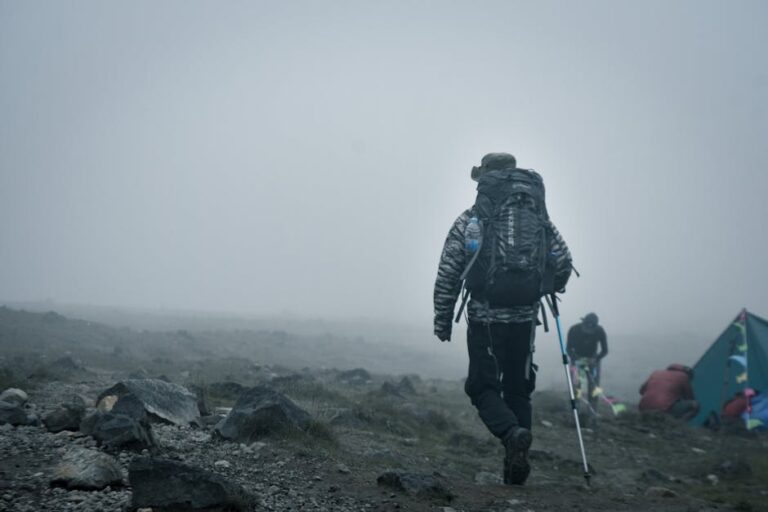
Mount Kilimanjaro is Africa’s highest peak and a bucket-list goal for many adventurers. Unlike technical climbs, it’s a trekking peak, meaning no specialized climbing skills are required—just endurance and proper preparation.
The Machame Route is popular for its scenic diversity and high success rate. Allow 7–9 days to improve acclimatization and increase your chances of reaching the summit. Hire a local guide and porters through a licensed operator to support the community and ensure safety.
Backpacking Through Nepal’s Annapurna Circuit
The Annapurna Circuit is a classic Himalayan trek that circles the Annapurna massif, passing through subtropical forests, alpine meadows, and high mountain passes. The full route takes 15–20 days and reaches Thorong La Pass at 17,769 feet.
Tea houses along the route provide basic lodging and meals, making it accessible for independent travelers. However, landslides and weather can affect trail conditions—check local reports before departing. The best seasons are spring (March–May) and autumn (September–November).
Exploring the Amazon Rainforest, Brazil or Peru
The Amazon offers a unique adventure through the world’s largest tropical rainforest. Multi-day jungle lodges or river cruises allow you to spot wildlife like pink river dolphins, sloths, and macaws while learning from Indigenous guides.
Mosquito-borne illnesses such as dengue and malaria are risks—consult a travel clinic for vaccinations and prophylaxis. Pack lightweight, long-sleeved clothing and a reliable insect repellent. Choose eco-certified lodges that support conservation and local communities.
Safari and Trekking in Rwanda
Rwanda combines wildlife safaris with one of the most rewarding adventures: trekking to see mountain gorillas in Volcanoes National Park. Permits are required and cost $1,500 per person, so plan and book early.
Gorilla trekking involves hiking through dense bamboo forests—fitness and patience are essential. You’ll spend one hour with the gorillas, a deeply moving experience. Combine your trip with a visit to Kigali to learn about Rwanda’s history and recovery.
Surfing and Volcano Hiking in Costa Rica
Costa Rica blends adventure with biodiversity. On the Pacific coast, surfers flock to Tamarindo and Manuel Antonio for consistent waves and beach vibes. Inland, volcanoes like Arenal and Poás offer hiking, hot springs, and stunning crater views.
Many tour operators offer combo packages—surf lessons in the morning, volcano hikes in the afternoon. Roads can be rough in rural areas, so rent a 4×4 if driving yourself. The dry season (December to April) is ideal for outdoor activities.
Dog Sledding in Lapland, Finland
For a winter adventure, dog sledding in Finnish Lapland offers a magical way to explore snow-covered forests under the northern lights. Tours range from half-day rides to multi-day expeditions with overnight stays in wilderness cabins.
You’ll learn to handle a team of huskies and navigate snowy trails. Dress in thermal layers and expect temperatures as low as -20°C. Most tours include warm clothing, but bring your own gloves and goggles. Best time is from December to March.
How to Choose the Right Adventure Trip
Assess Your Fitness Level

Not all adventures require peak physical condition, but honesty about your abilities is crucial. A multi-day trek demands stamina, while a guided kayak tour may be more relaxed.
Be realistic about elevation gain, daily distances, and terrain. If you’re unsure, contact tour operators for detailed itineraries and ask about support options like porters or vehicles.
Consider Your Budget
Adventure travel can range from budget-friendly backpacking to luxury expeditions. Costs include flights, gear, permits, guides, food, and insurance.
For example, a self-guided trek in Nepal may cost under $1,000, while an Antarctic cruise can exceed $10,000. Look for all-inclusive packages that clarify what’s covered. Always budget extra for emergencies or upgrades.
Research Season and Weather
Timing affects safety, accessibility, and experience quality. Monsoon seasons can close trails, while winter may limit options in certain regions.
Check average temperatures, rainfall, and daylight hours for your destination. Some adventures, like gorilla trekking or northern lights viewing, are highly seasonal. Plan accordingly to avoid disappointment.
Prioritize Safety and Sustainability
Choose operators with strong safety records, certified guides, and clear emergency protocols. Read reviews on trusted platforms like TripAdvisor or Adventure Travel Trade Association members.
Support eco-friendly and community-based tourism. Avoid activities that exploit animals or damage ecosystems. Responsible travel ensures these destinations remain intact for future adventurers.
Essential Gear and Preparation Tips
Pack Smart, Not Heavy
Every ounce counts on long treks or remote trips. Invest in lightweight, durable gear—backpack, sleeping bag, and tent if needed. Borrow or rent specialty items like crampons or wetsuits.
Use packing cubes to organize clothing and essentials. Include a first-aid kit, water purification tablets, and a headlamp. Leave unnecessary electronics at home.
Train Before You Go
Condition your body with regular cardio, strength training, and practice hikes with a loaded pack. If your trip involves altitude, consider training at elevation or using altitude simulation masks.
For water-based adventures, practice swimming in open water. For climbing, work on grip strength and balance. Preparation reduces injury risk and increases enjoyment.
Get Travel Insurance
Standard policies often exclude adventure activities. Purchase specialized travel insurance that covers high-risk pursuits like trekking, diving, or mountaineering.
Ensure it includes emergency evacuation, medical coverage, and trip cancellation. Read the fine print—some insurers require proof of guide certification or activity level.
Common Mistakes to Avoid
Underestimating Logistics
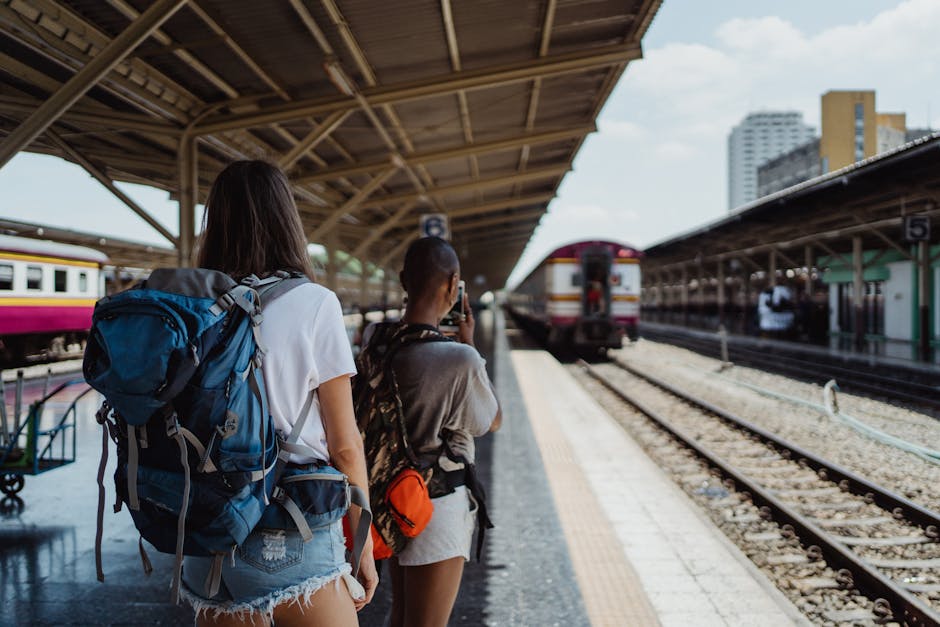
Adventure trips often involve remote locations with limited infrastructure. Flights may connect through multiple cities, and local transport can be unreliable.
Build in buffer days for delays. Confirm all bookings—flights, permits, accommodations—and keep digital and printed copies. Share your itinerary with someone at home.
Ignoring Local Customs
Respect cultural norms, especially in Indigenous or rural communities. Dress modestly where required, ask before taking photos, and learn a few basic phrases in the local language.
Support local economies by buying handmade goods and eating at family-run restaurants. Avoid haggling aggressively—fair prices support sustainable tourism.
Overpacking or Underpacking
Carrying too much slows you down; too little leaves you unprepared. Follow a packing list tailored to your activity and climate.
Test all gear before departure. Break in hiking boots, check tent seams, and charge batteries. A well-prepared traveler is a confident traveler.
Final Thoughts
The best adventure travel ideas combine challenge, beauty, and authenticity. Whether you’re summiting a mountain, paddling through rapids, or walking among wildlife, these experiences stay with you long after the trip ends.
Start by identifying what excites you most—physical challenge, cultural immersion, or natural wonders. Then match it with a destination and operator that align with your values and abilities. With careful planning, your next big vacation can be both safe and unforgettable.
FAQ
How far in advance should I book an adventure trip?
It depends on the destination and activity. Popular treks like the Inca Trail or gorilla permits require booking 6–12 months ahead. Less crowded adventures may allow last-minute bookings, but early planning ensures better prices and availability.
Is adventure travel safe for beginners?
Yes, many adventure trips are designed for beginners with proper guidance. Choose guided tours with experienced leaders, start with moderate activities, and disclose any health concerns. Training and preparation significantly improve safety and enjoyment.
What’s the best way to stay connected during remote adventures?
In most remote areas, cell service is unavailable. Consider renting a satellite communicator or GPS device with messaging capabilities. Inform someone of your itinerary and check in regularly when possible. Some lodges and camps offer limited Wi-Fi.