Best Italian Dishes to Try in Food Travel Guide
Italy is a culinary paradise where every region offers unique flavors, time-honored recipes, and unforgettable dishes. Whether you’re wandering through the cobbled streets of Rome or sipping espresso in a Florentine piazza, knowing what to eat can elevate your food travel experience. This guide highlights the best Italian dishes to try—from iconic classics to regional specialties—so you can savor the true essence of Italian cuisine. Each recommendation includes where to find it, how it’s made, and why it matters in Italy’s gastronomic landscape.
Northern Italy: Rich Flavors and Alpine Influences
The northern regions of Italy—Piedmont, Lombardy, and Veneto—are known for rich, hearty dishes shaped by Alpine climates and proximity to France and Switzerland. Here, butter, cream, and risotto take center stage.
Risotto alla Milanese
This golden-hued risotto from Milan is a masterpiece of simplicity. Made with Carnaroli or Arborio rice, saffron, bone marrow, and white wine, it delivers a creamy texture and subtle earthy flavor. The saffron gives it a luxurious color and distinct aroma.
Traditionally served as a side to ossobuco (braised veal shanks), it’s a staple in Milanese trattorias. Look for it in restaurants near the Duomo or in the Brera district. Avoid places that use food coloring—authentic versions rely solely on real saffron.
Tajarin al Tartufo
From Piedmont, tajarin are thin, hand-cut egg noodles served with a decadent sauce of butter, Parmigiano-Reggiano, and white truffles. The dish is a celebration of local ingredients, especially during autumn truffle season.
For the best experience, visit Alba or Asti and dine at a farm-to-table osteria. The truffle is typically shaved tableside, releasing its intense aroma. Be prepared for a splurge—fresh white truffles can cost over €3,000 per kilogram.
Polenta with Braised Meats
In colder northern areas, polenta is a comfort food staple. Made from boiled cornmeal, it’s served creamy or grilled and paired with slow-cooked meats like rabbit, wild boar, or duck.
In Trentino-Alto Adige, try polenta with venison ragù. The dish reflects the region’s Germanic roots and mountainous terrain. It’s filling, flavorful, and best enjoyed in a rustic mountain lodge.
Central Italy: The Heart of Italian Cuisine
Central Italy—home to Rome, Florence, and Tuscany—is where many of Italy’s most famous dishes originated. This region balances simplicity with bold flavors, often using just a handful of high-quality ingredients.
Cacio e Pepe
This Roman pasta dish is a lesson in minimalism. Made with only Pecorino Romano cheese, black pepper, and tonnarelli (a thick spaghetti-like pasta), it’s creamy without a drop of cream.
The magic lies in technique: hot pasta water emulsifies the cheese and pepper into a silky sauce. Visit Trattoria Da Enzo or Roscioli in Rome for an authentic version. Avoid tourist traps that drown the dish in cream—it’s a cardinal sin in Roman cooking.
Bistecca alla Fiorentina
A thick-cut T-bone steak from the Chianina cattle breed, grilled over wood or charcoal and seasoned simply with salt, pepper, and olive oil. It’s traditionally served rare and carved tableside.
Florence’s Mercato Centrale and restaurants near Piazza della Signoria offer quality versions. The steak should be at least 3 inches thick and come from a certified Chianina cow. Expect to pay €50–€80 for two people.
Ribollita
This Tuscan bread soup is a peasant dish turned gourmet favorite. Made with cannellini beans, kale, carrots, onions, and stale bread, it’s hearty and deeply flavorful.
Traditionally reheated (hence “ribollita,” meaning “reboiled”), it’s best eaten the day after preparation. Try it in a countryside agriturismo near Siena or San Gimignano. It’s a vegetarian-friendly option that doesn’t skimp on satisfaction.
Southern Italy: Bold, Sun-Kissed Flavors
Southern Italy—Campania, Puglia, and Sicily—is where tomatoes, olive oil, garlic, and seafood dominate. The cuisine is vibrant, colorful, and deeply tied to the Mediterranean lifestyle.
Spaghetti alle Vongole
This classic Neapolitan dish features spaghetti with fresh clams, garlic, white wine, chili flakes, and parsley. It’s light yet intensely flavorful, showcasing the bounty of the Tyrrhenian Sea.
There are two versions: in bianco (white, without tomatoes) and in rosso (with tomatoes). Purists prefer the white version. Head to a seaside trattoria in Sorrento or Amalfi for the freshest clams.
Pizza Napoletana
Recognized by UNESCO as an intangible cultural heritage, authentic Neapolitan pizza has a soft, chewy crust with a slightly charred edge. It’s made with San Marzano tomatoes, mozzarella di bufala, fresh basil, and extra-virgin olive oil.
Only pizzerias certified by the Associazione Verace Pizza Napoletana (AVPN) can claim authenticity. Try Sorbillo or Di Matteo in Naples. The pizza should be cooked in a wood-fired oven at 900°F for no more than 90 seconds.
Arancini
These golden, fried rice balls are a Sicilian street food staple. Stuffed with ragù, mozzarella, and peas, they’re crispy on the outside and creamy within.
Originally created to use leftover risotto, arancini come in various shapes and fillings. In Palermo, look for ones shaped like pine cones or spheres. Best eaten fresh from a street vendor—avoid pre-packaged versions.
Pasta alla Norma
A celebrated Sicilian dish from Catania, made with fried eggplant, tomatoes, ricotta salata, and basil over short pasta like rigatoni or penne. It’s named after Bellini’s opera Norma.
The eggplant must be salted and drained to remove bitterness before frying. For an authentic taste, visit a family-run trattoria in Catania’s fish market. It’s a vegetarian dish that even meat lovers adore.
Coastal and Island Specialties
Italy’s long coastline and islands offer some of the freshest seafood dishes in the world. From Liguria’s pesto to Sardinia’s seafood stews, these recipes highlight the sea’s bounty.
Trofie al Pesto
Originating in Genoa, this Ligurian specialty combines hand-rolled trofie pasta with pesto made from basil, pine nuts, garlic, Parmigiano-Reggiano, Pecorino, and olive oil.
The basil is traditionally pounded in a marble mortar with a wooden pestle to preserve its aroma. Visit a focacceria in the old port of Genoa for a quick, delicious lunch. Avoid bottled pesto—it lacks the fresh, herbal punch of the real thing.
Fregola con Arselle
Sardinia’s answer to risotto, fregola is toasted pasta pearls cooked with clams, tomatoes, and herbs. It has a nutty flavor and firm texture, absorbing the briny broth beautifully.
Best enjoyed in coastal towns like Alghero or Cagliari. The clams should be fresh and the broth light—not overly tomato-heavy. It’s a lesser-known gem that deserves more attention.
Spaghetti con Bottarga
Bottarga is cured fish roe, typically from grey mullet or tuna. Grated over pasta with olive oil and garlic, it adds a salty, umami-rich depth.
Popular in Sardinia and Sicily, it’s often served as a primo piatto. Look for it in specialty food shops or high-end seafood restaurants. A little goes a long way—too much can overwhelm the dish.
Street Food and Snacks You Can’t Miss
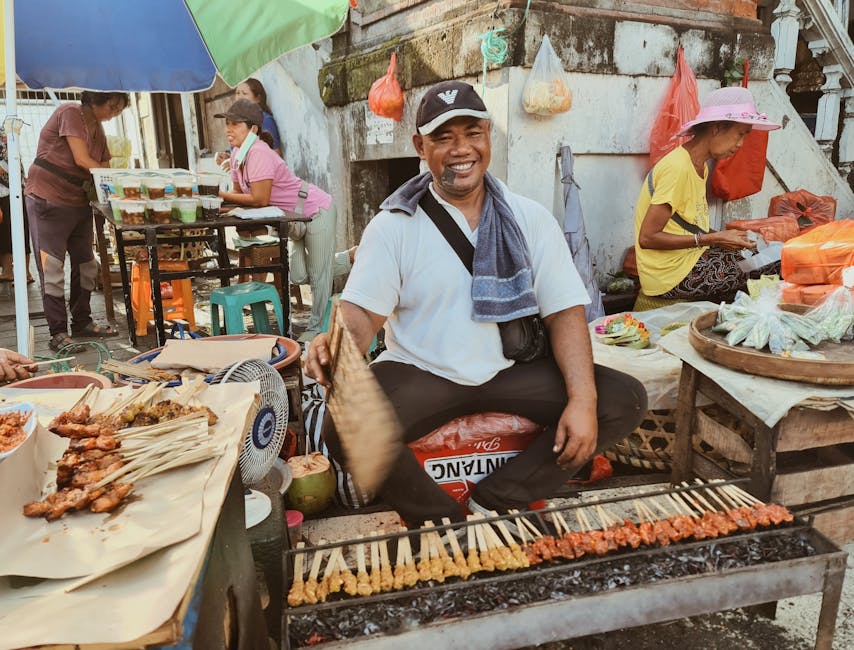
Italian street food is simple, affordable, and deeply satisfying. These portable bites are perfect for exploring cities on foot.
Supplì
Similar to arancini, supplì are Roman rice balls with a molten mozzarella center. They’re typically fried and served hot from street carts.
Found near train stations and piazzas, they’re a quick snack for travelers. Try them at Supplizio near Campo de’ Fiori. The cheese should ooze out when bitten—not be dry or overcooked.
Panino con Porchetta
A crispy pork sandwich from central Italy, especially Lazio and Umbria. The pork is slow-roasted with herbs like rosemary, garlic, and fennel, then stuffed into a crusty roll.
Look for mobile vendors in Orvieto or Rome’s Trastevere district. The meat should be tender, juicy, and aromatic. Avoid overly fatty versions—quality porchetta is balanced.
Castagnaccio
A rustic chestnut flour cake from Tuscany and Liguria, traditionally made with rosemary, pine nuts, and raisins. It’s dense, slightly sweet, and gluten-free.
Best eaten in autumn during chestnut season. Found in village festivals or specialty bakeries. It’s not a dessert in the modern sense—more of a hearty, earthy treat.
Desserts and Sweet Treats
Italian desserts are often understated but deeply satisfying. From creamy gelato to flaky pastries, they’re the perfect end to any meal.
Tiramisu
This layered dessert of coffee-soaked ladyfingers and mascarpone cream is a modern classic. Despite its fame, it originated in the 1960s in the Veneto region.
Authentic tiramisu contains no alcohol and is dusted with cocoa powder. Avoid versions with whipped cream or chocolate chips—they’re not traditional. Try it at a local café in Treviso, its birthplace.
Cannoli
Crispy fried pastry shells filled with sweetened ricotta, often dotted with chocolate chips or candied fruit. A Sicilian icon, especially during Carnevale.
Best eaten fresh—the shell should stay crisp. Visit a bakery in Palermo or Catania for the real deal. Pre-filled cannoli sold in tourist areas often have soggy shells.
Panna Cotta
A silky dessert made from cream, sugar, and gelatin, often served with berry compote or caramel. It’s smooth, delicate, and easy to find across Italy.
Popular in Piedmont, it’s a refreshing end to a rich meal. Look for versions made with real vanilla—not artificial flavoring. It’s simple, but quality ingredients make all the difference.
Drinks to Pair with Your Meal
Italian meals are incomplete without the right drink. From wine to coffee, these pairings enhance the dining experience.
Wine
Italy produces over 2,000 grape varieties. Pair Barolo with rich meat dishes in the north, Chianti with pasta in Tuscany, and Nero d’Avola with seafood in Sicily.
Ask for house wine (vino della casa)—it’s often excellent and affordable. Avoid ordering international wines in small towns; local selections are usually superior.
Espresso
Italians drink espresso quickly, standing at the bar. It’s not meant to be sipped slowly like in other countries. A proper espresso has a thick crema and strong, balanced flavor.
Never order a cappuccino after 11 a.m.—it’s considered a breakfast drink. If you want milk, ask for a caffè macchiato.
Limoncello
A sweet lemon liqueur from the Amalfi Coast, made with lemon zest, alcohol, water, and sugar. Served chilled after dinner, it aids digestion.
Best enjoyed in Sorrento or Capri. Look for bottles with a bright yellow color—darker versions may be artificially colored. Drink it in small sips.
Tips for Eating Like a Local
To truly experience Italian food culture, follow these practical tips.
Eat at the Right Times
Italians eat lunch between 12:30 and 2:30 p.m. and dinner after 8 p.m. Many restaurants close between meals. Plan accordingly to avoid disappointment.
Order Like a Local
A traditional Italian meal includes antipasto (starter), primo (pasta or rice), secondo (meat or fish), contorno (side dish), and dolce (dessert). You don’t need to order all courses—most locals have two.
Respect the Food
Avoid asking for substitutions or extra cheese. Italians take pride in their recipes. If you have dietary restrictions, learn key phrases in Italian to communicate clearly.
Tip Appropriately
Tipping is not mandatory. Rounding up the bill or leaving €1–€2 is sufficient. Service charge (coperto) is usually included.
Final Thoughts
Italy’s culinary landscape is as diverse as its geography. From the creamy risottos of the north to the sun-drenched seafood of the south, every dish tells a story of tradition, region, and passion. The best Italian dishes to try aren’t just about taste—they’re about connection, history, and the joy of sharing a meal.
Use this guide to navigate menus, avoid tourist traps, and discover authentic flavors. Whether you’re savoring a slice of Neapolitan pizza or sipping limoncello at sunset, let each bite deepen your appreciation for one of the world’s greatest cuisines.
FAQ
What is the most iconic Italian dish for first-time visitors?
Spaghetti alle vongole and pizza Napoletana are excellent starting points. Both are widely available, deeply traditional, and represent the essence of Italian simplicity and flavor.
Are vegetarian options common in Italy?
Yes. Many regions offer vegetarian dishes like ribollita, pasta alla Norma, and cacio e pepe. Italians respect dietary preferences, but it helps to know key phrases like “senza carne” (without meat).
How can I avoid tourist traps when dining in Italy?
Eat where locals eat—look for restaurants filled with Italian-speaking diners. Avoid places with menus in multiple languages or pictures of food. Check for AVPN certification for pizza and ask for house wine.