Best Adventure Travel Trips for Couples Who Love Nature
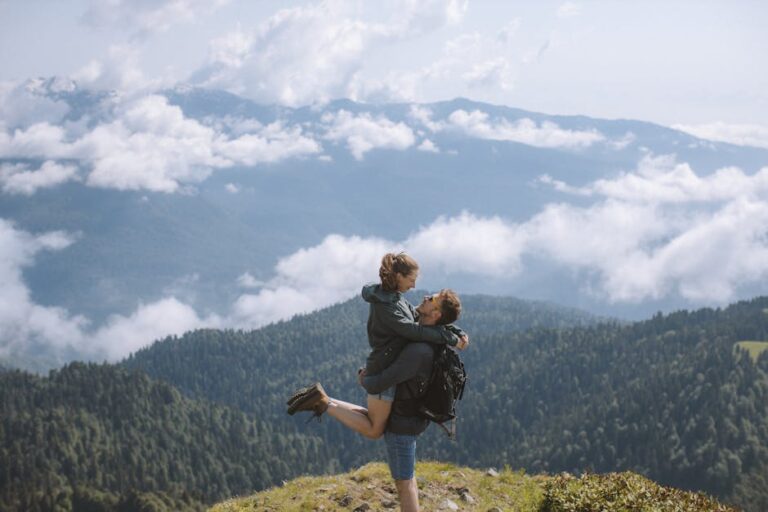
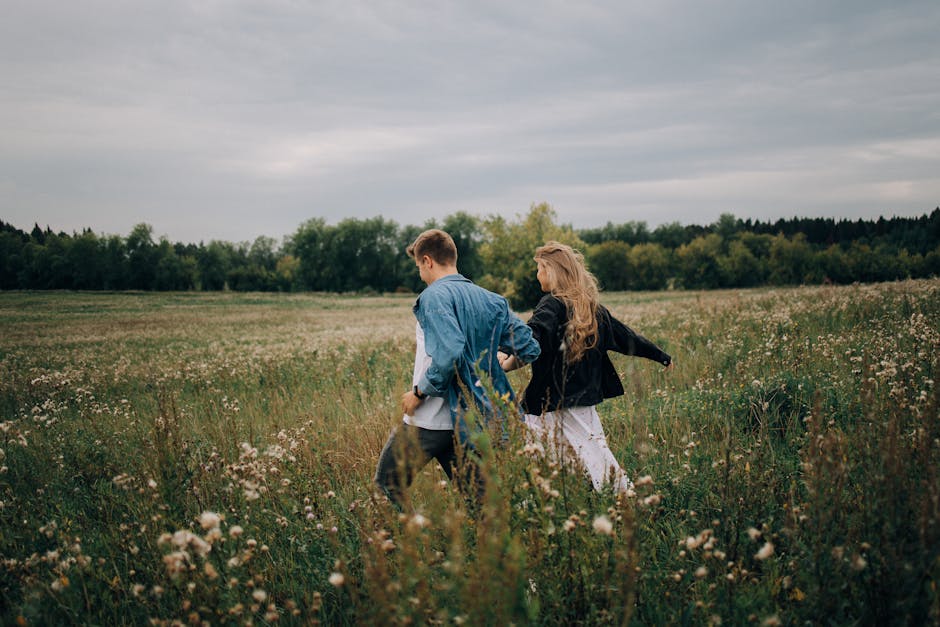
For couples who thrive on fresh air, rugged trails, and shared wonder, the best adventure travel trips for couples who love nature combine physical challenge with intimate moments in stunning landscapes. Whether you’re trekking through rainforests, kayaking remote coastlines, or camping under star-filled skies, these experiences deepen bonds while immersing you in the planet’s wild beauty. This guide highlights top destinations and activities that balance excitement with comfort, ensuring your next getaway strengthens your relationship and fuels your love for the outdoors.
Why Adventure Travel Strengthens Couple Connections
Adventure travel isn’t just about adrenaline—it’s about shared discovery. Facing natural challenges together builds trust, communication, and mutual support. Unlike traditional vacations, nature-based adventures encourage presence and mindfulness, pulling couples away from screens and routines. Whether navigating a mountain pass or cooking dinner over a campfire, these moments create lasting memories. Plus, being in nature has been shown to reduce stress and increase happiness, making it the perfect backdrop for romance and reconnection.
Top Destinations for Nature-Loving Couples
Choosing the right destination is key. The ideal spot offers diverse landscapes, accessible trails, and opportunities for both solitude and guided experiences. Below are five standout locations that consistently deliver unforgettable adventures for two.
1. Patagonia, Chile & Argentina
Patagonia’s dramatic peaks, glacial lakes, and endless steppes make it a dream destination for adventurous couples. Torres del Paine National Park in Chile offers multi-day treks like the W Trek, which includes viewpoints of granite towers, turquoise lakes, and guanaco-filled plains. Across the border, Argentina’s Los Glaciares National Park features the iconic Perito Moreno Glacier and the challenging Fitz Roy trek. Accommodations range from eco-lodges to backcountry refugios, allowing couples to choose their level of comfort. Best visited between October and April, Patagonia rewards with wide-open spaces and raw, untamed beauty.
2. Banff & Jasper National Parks, Canada
The Canadian Rockies offer a mix of accessibility and wilderness. Banff and Jasper National Parks provide well-maintained trails, crystal-clear alpine lakes, and abundant wildlife. Couples can hike to Moraine Lake at sunrise, paddle on Maligne Lake in a canoe, or take a scenic drive along the Icefields Parkway. Winter brings snowshoeing and ice walks behind frozen waterfalls. With cozy mountain lodges and hot springs nearby, these parks blend adventure with relaxation—ideal for couples seeking both thrill and comfort.
3. Fiordland, New Zealand
New Zealand’s South Island is a playground for nature-loving duos. Fiordland National Park, home to Milford Sound and Doubtful Sound, offers kayaking, boat cruises, and multi-day hikes like the Kepler Track. The region’s lush rainforests, towering waterfalls, and mirror-like fjords create a cinematic setting. The Great Rides cycle trails, such as the Around the Mountains Cycle Trail, allow couples to explore at a relaxed pace. With well-marked paths and quality DOC (Department of Conservation) huts, Fiordland is both wild and welcoming.
4. The Scottish Highlands, United Kingdom
For couples who enjoy moody landscapes and historic charm, the Scottish Highlands deliver. The West Highland Way offers a 96-mile trail from Milngavie to Fort William, passing lochs, moors, and castles. Shorter hikes like the Quiraing on the Isle of Skye or the ascent of Ben Nevis provide dramatic views with manageable effort. Cozy bothies (basic shelters) and boutique B&Bs offer warmth after a day on the trail. Rain is common, so waterproof gear is essential—but the misty glens and ancient stone ruins add to the romance.
5. Costa Rica’s Osa Peninsula
Costa Rica is a biodiversity hotspot, and the Osa Peninsula is its wildest corner. Corcovado National Park, often called “the most biologically intense place on Earth,” offers guided jungle treks where couples might spot scarlet macaws, sloths, and even tapirs. Kayaking through mangrove forests or snorkeling in Caño Island Marine Reserve adds variety. Eco-lodges with open-air designs blend into the forest, letting you fall asleep to the sounds of howler monkeys. The dry season (December to April) is ideal, though afternoon showers are common year-round.
Types of Adventure Activities for Couples
Adventure travel comes in many forms. The best trips match your fitness level, interests, and comfort with risk. Here are popular activity types that work well for couples:
- Trekking & Backpacking: Multi-day hikes with overnight stays in tents or huts. Ideal for building teamwork and endurance.
- Kayaking & Canoeing: Peaceful water-based exploration, great for coastal areas, rivers, or lakes.
- Cycling Tours: From mountain trails to paved scenic routes, cycling offers flexibility and scenic immersion.
- Wildlife Safaris: Guided tours in national parks or reserves to observe animals in their natural habitat.
- Rock Climbing & Bouldering: For couples who enjoy physical challenges and trust-building. Many destinations offer beginner-friendly routes with guides.
- Winter Adventures: Snowshoeing, cross-country skiing, or ice climbing in colder climates.
How to Plan Your Adventure Trip
Good planning ensures your trip is enjoyable, safe, and stress-free. Follow these steps to create a memorable adventure:
1. Assess Your Fitness and Experience
Be honest about your physical condition and outdoor skills. A 10-mile mountain hike requires different preparation than a coastal bike tour. Choose activities that match your current ability, and consider training in advance if needed.
2. Research Season and Weather
Timing affects trail conditions, wildlife sightings, and comfort. For example, hiking in Patagonia during summer (December–February) means longer days and milder weather, while monsoon season in Southeast Asia can make trails slippery and rivers dangerous.
3. Book Accommodations and Permits Early
Popular parks like Torres del Paine or Yosemite require advance reservations for campsites and huts. Some trails, like the Inca Trail to Machu Picchu, limit daily entries and sell out months ahead.
4. Pack Smart
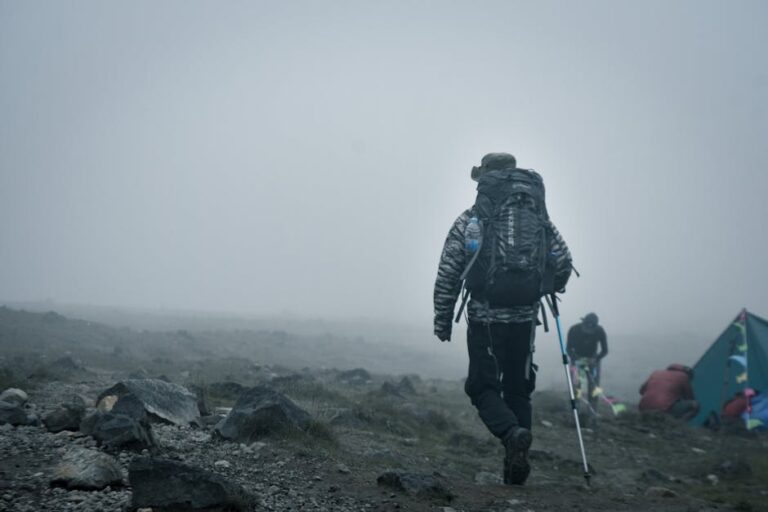
Bring layers, a reliable tent or sleeping bag if camping, and a first-aid kit. Don’t forget a water filter, headlamps, and a map or GPS device. Share the load—distribute weight evenly in backpacks to avoid strain.
5. Hire Local Guides When Needed
Guides enhance safety and enrich the experience with local knowledge. In remote areas like the Osa Peninsula or the Himalayas, a guide can navigate terrain, identify wildlife, and handle emergencies.
Safety Tips for Couples Traveling in Nature
Safety should never be an afterthought. Even experienced adventurers face risks in the wild. Keep these precautions in mind:
- Tell Someone Your Plans: Share your itinerary with a trusted contact, including expected return time and location.
- Check Weather Daily: Conditions can change rapidly in mountains or coastal areas. Postpone activities if storms are forecast.
- Carry Emergency Gear: Include a whistle, fire starter, emergency blanket, and a fully charged power bank.
- Know Basic First Aid: Take a wilderness first aid course before long trips. Treat blisters, sprains, and hypothermia promptly.
- Avoid Risky Behavior: Don’t hike off-trail in unfamiliar areas or swim in fast-moving rivers without proper training.
Budgeting for Your Adventure Trip
Adventure travel doesn’t have to break the bank. Costs vary widely by destination and style. Here’s a rough breakdown for a one-week trip for two:
| Destination | Estimated Cost (USD) | Includes |
|---|---|---|
| Banff, Canada | $2,500–$3,500 | Flights, lodging, park passes, meals, gear rental |
| Patagonia, Chile | $3,000–$4,500 | Flights, refugio stays, guided hikes, transport |
| Costa Rica | $2,000–$3,000 | Flights, eco-lodges, tours, meals |
| Scottish Highlands | $1,800–$2,800 | Flights, B&Bs, train/bus fares, meals |
To save money, consider traveling in the shoulder season, cooking your own meals, or choosing public transport over private tours. Many parks offer free entry days or discounted passes for multi-day visits.
Eco-Friendly Travel Practices
As nature lovers, it’s our responsibility to protect the places we visit. Practice Leave No Trace principles: pack out all trash, stay on marked trails, and avoid disturbing wildlife. Choose eco-certified tour operators and accommodations that support conservation. Offset your carbon footprint by contributing to reforestation projects or using carbon calculators when booking flights.
When to Avoid Certain Destinations
Not every trip is right for every couple. Be cautious in regions with political instability, high crime rates, or limited medical facilities. Check government travel advisories before booking. Also, avoid overcrowded times—popular spots like Yosemite or the Amalfi Coast can feel more like theme parks than wilderness escapes during peak season. Opt for lesser-known alternatives, such as Slovenia’s Triglav National Park instead of the Swiss Alps, for a quieter experience.
Making the Most of Your Adventure
Beyond the itinerary, focus on connection. Put away phones during hikes, share a journal of your trip, or cook a meal together over a camp stove. These small rituals turn a trip into a shared story. Celebrate milestones—reaching a summit, spotting a rare bird, or simply enjoying a quiet sunset—and reflect on how the experience brought you closer.
Final Thoughts on Adventure Travel for Couples
The best adventure travel trips for couples who love nature are those that challenge you, inspire awe, and create space for genuine connection. From the fjords of New Zealand to the jungles of Costa Rica, the world offers endless opportunities to explore together. With thoughtful planning, respect for nature, and a spirit of curiosity, your next adventure can be more than a vacation—it can be a transformative journey for your relationship.
FAQ
What’s the best time of year for adventure travel in Patagonia?
The ideal time is during the Southern Hemisphere summer, from October to April. December to February offers the warmest weather and longest days, making it perfect for trekking and outdoor activities.
Do we need special gear for a couples’ adventure trip?
It depends on the destination and activities. Essentials include sturdy footwear, weather-appropriate clothing, a first-aid kit, and navigation tools. For camping, bring a tent, sleeping bags, and a stove. Rent gear locally if traveling light.
Can beginners enjoy adventure travel trips?
Absolutely. Many destinations offer beginner-friendly trails, guided tours, and introductory courses. Start with shorter hikes or day trips and gradually build up to multi-day adventures as your confidence and fitness improve.