Wildlife Travel Guide with Top Safari Experiences
Planning a wildlife adventure? This wildlife travel guide highlights the world’s top safari experiences, from the vast plains of the Serengeti to the wetlands of the Okavango Delta. Whether you’re seeking the Big Five, rare bird species, or immersive cultural encounters, these carefully selected destinations offer unforgettable encounters with nature. With insights on timing, park selection, and responsible travel practices, this guide helps you choose the right safari for your interests and budget—ensuring a safe, ethical, and awe-inspiring journey into the wild.
Why Choose a Safari for Your Next Wildlife Adventure
Safaris offer a rare opportunity to observe animals in their natural habitats, far from the confines of zoos or reserves. Unlike typical wildlife tourism, a well-planned safari prioritizes conservation, local community involvement, and minimal environmental impact. The experience goes beyond sightseeing—it’s about connecting with ecosystems, understanding animal behavior, and supporting sustainable tourism.
For many travelers, witnessing a lioness stalking prey at dawn or a herd of elephants crossing a river at sunset becomes a lifelong memory. These moments are not only visually stunning but also emotionally powerful, fostering a deeper appreciation for biodiversity and the fragility of natural environments.
Top Safari Destinations Around the World
While Africa remains the gold standard for safari experiences, wildlife-rich regions across Asia, South America, and Australia offer equally compelling alternatives. Below are some of the most celebrated destinations, each with unique ecosystems and iconic species.
1. Serengeti National Park, Tanzania
The Serengeti is synonymous with classic African safaris. Spanning over 14,000 square kilometers, it hosts the annual Great Migration, where over 1.5 million wildebeest and hundreds of thousands of zebras and gazelles traverse the plains in search of fresh grazing. This natural spectacle typically peaks between July and October, making it one of the most sought-after wildlife events on Earth.
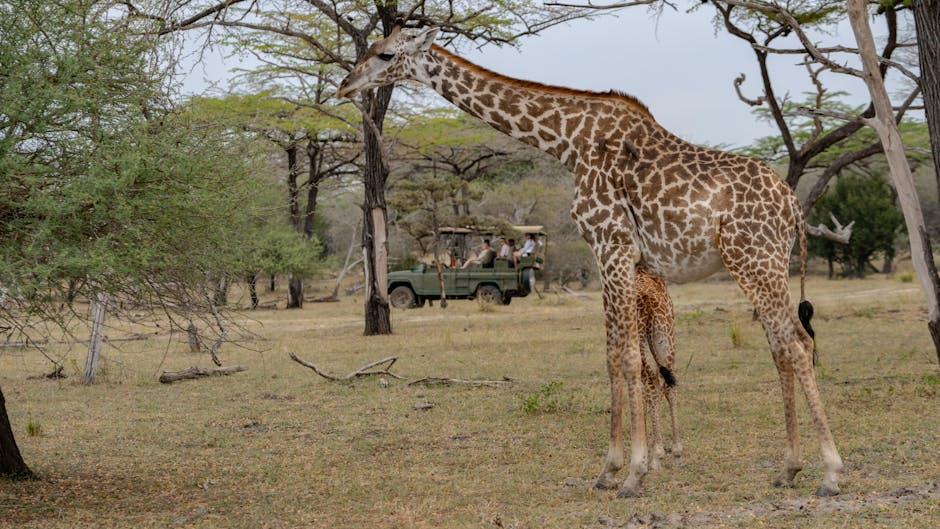
Beyond the migration, the Serengeti supports large populations of lions, leopards, cheetahs, and hyenas. The open grasslands and acacia-dotted savannah provide excellent visibility, especially during early morning and late afternoon game drives. Lodges and mobile camps range from luxury tented suites to budget-friendly options, allowing travelers of various means to experience the park.
2. Maasai Mara National Reserve, Kenya
Bordering the Serengeti, the Maasai Mara offers a more intimate safari experience with fewer crowds and equally rich wildlife. The reserve is renowned for its high density of big cats, particularly lions and leopards, which are often spotted lounging in trees or stalking prey. The Mara River crossings during the migration—typically from August to October—are dramatic and frequently photographed.
What sets the Maasai Mara apart is its cultural dimension. Visitors can engage with Maasai communities through guided village tours, learning about traditional customs, beadwork, and sustainable land stewardship. These interactions, when conducted respectfully and through certified operators, support local economies and promote cross-cultural understanding.
3. Okavango Delta, Botswana
A UNESCO World Heritage Site, the Okavango Delta is a labyrinth of waterways, islands, and floodplains that transforms the Kalahari Desert into a lush oasis. Unlike most safari parks, the Delta offers both land and water-based game viewing. Mokoro (dugout canoe) excursions allow quiet exploration of channels teeming with hippos, crocodiles, and vibrant birdlife.
The region is home to rare species such as sitatunga antelope, African wild dogs, and lechwe. Because of its remote location and strict conservation policies, tourism is low-volume and high-cost, preserving the area’s pristine condition. Most visitors stay in luxury tented camps operated by eco-conscious lodges that fund anti-poaching units and community projects.
4. Kruger National Park, South Africa
One of Africa’s largest game reserves, Kruger spans nearly 20,000 square kilometers and is easily accessible from Johannesburg. Its well-maintained roads make self-drive safaris a popular option, though guided tours offer deeper wildlife knowledge and access to private concessions with fewer vehicles.
Kruger is home to all members of the Big Five and has one of the highest densities of elephants on the continent. The park also features diverse habitats—from dense woodlands to open savannah—supporting over 140 mammal species and 500 bird species. Night drives and bush walks, available in private reserves bordering the park, add variety to the traditional game drive experience.
5. Pantanal, Brazil
Often overlooked in favor of African destinations, the Pantanal is the world’s largest tropical wetland and a biodiversity hotspot. Located primarily in Brazil but extending into Bolivia and Paraguay, it offers some of the best wildlife viewing in South America, particularly for jaguars.
From June to September, during the dry season, animals congregate around shrinking water sources, making sightings frequent and predictable. Jaguars are regularly spotted along the Transpantaneira highway, especially near Porto Jofre. The region also hosts capybaras, caimans, giant otters, and over 650 bird species, including hyacinth macaws.
Most safaris here are conducted via boat or 4×4 vehicles, with stays in eco-lodges that emphasize low-impact tourism. The Pantanal is ideal for travelers seeking a less commercialized, more adventurous wildlife experience.
6. Ranthambore National Park, India
For those interested in Asia’s wildlife, Ranthambore in Rajasthan offers a unique combination of history and nature. The park is set around a 10th-century fort and is one of the best places in India to see Bengal tigers in the wild. Unlike African safaris, where animals are often seen in open plains, tigers here inhabit a mix of dense forests, lakes, and rocky terrain.
Jeep safaris are conducted in the early morning and late afternoon, with trained naturalists helping visitors track and identify animals. While tiger sightings are never guaranteed, Ranthambore has one of the highest success rates among Indian reserves. The park also supports leopards, sloth bears, and a variety of deer and bird species.
7. Daintree Rainforest, Australia
For a completely different kind of wildlife experience, the Daintree Rainforest in Queensland offers a glimpse into ancient ecosystems. As the world’s oldest tropical rainforest, it is home to unique species like the cassowary, tree kangaroo, and saltwater crocodile. Night walks reveal nocturnal creatures such as glow worms and green tree frogs.
River cruises along the Daintree River provide safe opportunities to spot crocodiles and waterbirds, while guided walks emphasize the region’s Aboriginal heritage and conservation challenges. This destination appeals to travelers interested in ecology, Indigenous culture, and less traditional safari settings.
How to Choose the Right Safari for You
With so many options, selecting the ideal safari requires careful consideration of your interests, budget, and travel style. Here are key factors to help you decide:
Budget and Duration
Safaris can range from a few hundred to several thousand dollars per person. African luxury camps in Botswana or Tanzania often cost $1,000+ per night, while self-drive options in Kruger or community-based tours in Kenya can be significantly more affordable. Consider the length of your trip—most meaningful safaris last at least five to seven days to allow for multiple game drives and acclimatization.
Wildlife Priorities
Are you most excited about seeing the Big Five, or are you more interested in birds, reptiles, or rare mammals? For example, the Okavango Delta excels in predator sightings, while the Pantanal is unmatched for jaguars. Birdwatchers might prefer the Okavango or the Daintree, where avian diversity is exceptional.
Travel Style and Comfort
Decide whether you prefer luxury lodges with full amenities or mobile camps that emphasize immersion and adventure. Some travelers enjoy the flexibility of self-driving, while others value the expertise of professional guides. Families with children may want to choose parks with age-appropriate activities and safety protocols.
Season and Weather
Timing dramatically affects wildlife visibility and comfort. Dry seasons generally offer better game viewing as animals gather around water sources. However, wet seasons can bring lush landscapes, newborn animals, and fewer tourists. Research the best time to visit your chosen destination based on climate and animal behavior.
Essential Tips for a Successful Safari
Even the most beautiful destination can be undermined by poor preparation. Follow these practical tips to ensure a smooth and rewarding experience:
- Pack wisely: Bring neutral-colored clothing (avoid bright colors and white), a wide-brimmed hat, sunscreen, binoculars, and a quality camera with extra batteries. Layered clothing is ideal for early morning and evening drives when temperatures drop.
- Respect wildlife: Always follow your guide’s instructions. Never approach, feed, or shout at animals. Maintain a safe distance and avoid using flash photography.
- Stay healthy: Consult a travel clinic about vaccinations and malaria prophylaxis, especially for African and Indian destinations. Carry a basic first-aid kit and stay hydrated.
- Choose ethical operators: Book with tour companies and lodges that support conservation and local communities. Look for certifications like Fair Trade Tourism or membership in organizations like the African Travel and Tourism Association.
- Minimize your impact: Avoid single-use plastics, stick to designated paths, and support local artisans by purchasing handmade souvenirs directly from community cooperatives.
Responsible Wildlife Tourism: What to Know
As safari travel grows in popularity, so does the need for responsible practices. Unethical tourism can disrupt animal behavior, damage habitats, and exploit local communities. To travel responsibly:
- Support conservation-focused lodges that reinvest in anti-poaching efforts and habitat restoration.
- Avoid attractions that involve direct contact with wild animals, such as elephant rides or photo ops with sedated tigers—these often involve cruel training methods.
- Choose small-group tours to reduce environmental impact and enhance the quality of your experience.
- Educate yourself about the region’s conservation challenges and share what you learn with others.
By making informed choices, travelers can help ensure that wildlife thrives and that local communities benefit from tourism.
Wildlife Travel Guide: Planning Your Itinerary
A well-structured itinerary balances game viewing, rest, and cultural experiences. Here’s a sample 10-day safari plan combining two iconic African destinations:
| Day | Location | Activity |
|---|---|---|
| 1–3 | Arusha, Tanzania | Arrival, acclimatization, and visit to a Maasai village |
| 4–7 | Serengeti National Park | Game drives, migration viewing, and night safari |
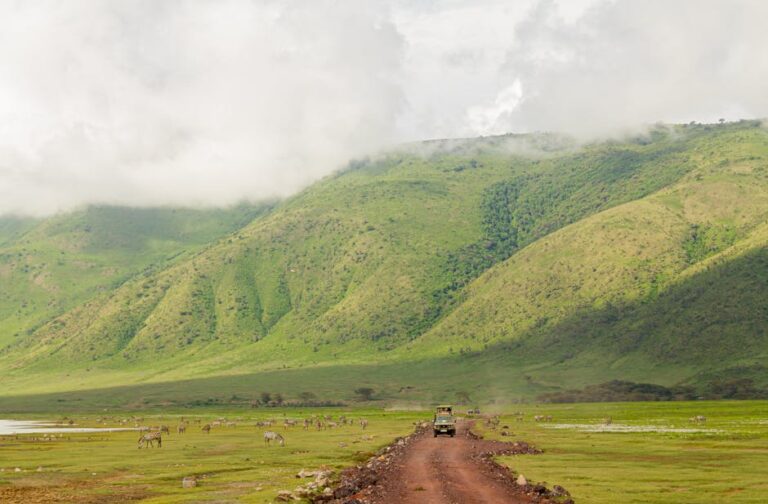
| 8–10 | Ngorongoro Crater | Crater descent, wildlife photography, and departure |
This itinerary offers a mix of wildlife spectacle, cultural engagement, and scenic diversity. Adjust based on your interests—some travelers may prefer extending time in one park or adding a beach stay in Zanzibar.
Common Misconceptions About Safari Travel
Despite their popularity, safaris are often misunderstood. Here are a few myths clarified:
- “Safaris are only for the wealthy.” While luxury options exist, budget-friendly alternatives—such as camping safaris in Kenya or self-drive trips in South Africa—are accessible to many.
- “You’ll see animals every minute.” Wildlife viewing depends on time of day, season, and luck. Patience is key—some of the best moments come after hours of quiet observation.
- “All safaris are the same.” Experiences vary widely by region, habitat, and operator. A boat safari in the Okavango is vastly different from a jeep drive in Kruger.
Final Thoughts: Making the Most of Your Wildlife Journey
A safari is more than a vacation—it’s a chance to witness the raw beauty of nature and reflect on our role in protecting it. Whether you’re tracking lions across the Serengeti or gliding silently through the Okavango Delta, each moment deepens your connection to the natural world.
Use this wildlife travel guide to plan a trip that aligns with your values, interests, and budget. With thoughtful preparation and a spirit of curiosity, your safari can be both thrilling and transformative.
FAQ
What is the best time of year to go on a safari?
The ideal time depends on the destination. In East Africa, the dry season (June to October) offers the best wildlife viewing, especially during the Great Migration. In Southern Africa, the dry winter months (May to September) are optimal. For the Pantanal, visit between June and September when jaguars are most visible.
Are safaris safe for families with young children?
Yes, many parks and lodges welcome families and offer child-friendly activities. However, some private reserves have age restrictions for walking safaris or night drives. Always check with your tour operator and ensure your children understand basic safari safety rules.
How do I choose a responsible safari operator?
Look for companies that prioritize conservation, employ local guides, support community projects, and follow ethical wildlife practices. Certifications like Fair Trade Tourism or membership in the Global Sustainable Tourism Council are good indicators of responsible operations.