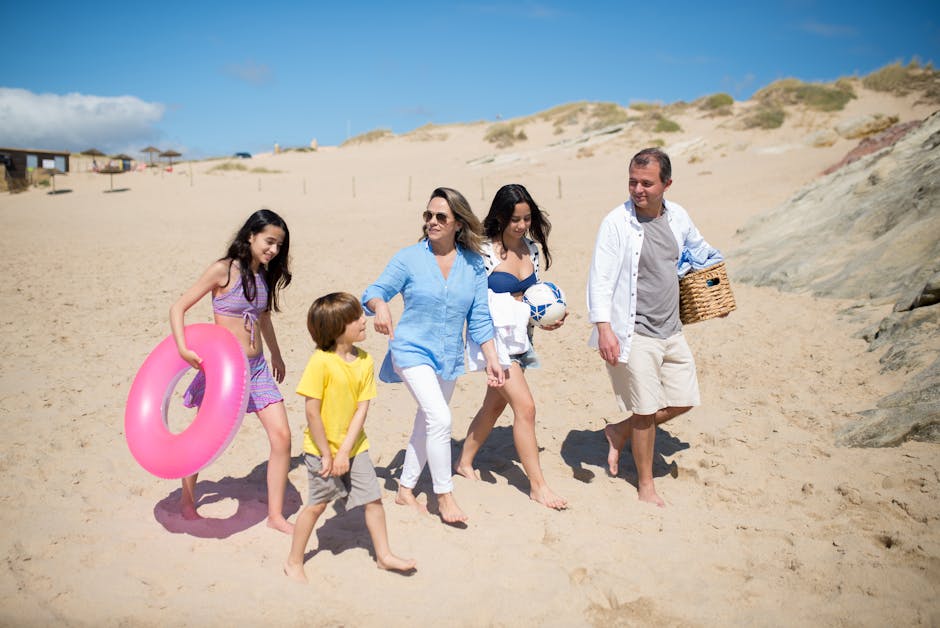
Ultimate Family Travel Guide to Fun Beach Vacations
Planning a memorable beach getaway with kids doesn’t have to be stressful. Exploring family beach vacations reveals important insights. The Ultimate family travel guide to Fun Beach Vacations covers everything you need—from choosing the right destination and packing smart to keeping children safe and entertained. Whether you’re heading to the Gulf Coast, the Caribbean, or a quiet lakeside shore, this guide delivers practical tips and real-world advice to help your family enjoy sun, sand, and stress-free fun. With thoughtful planning, even first-time beach travelers can create lasting memories without the usual headaches.
Choosing the Best Beach Destination for Families
Not all beaches are created equal when it comes to family travel. Safety, amenities, crowd levels, and kid-friendly activities should top your checklist. Look for destinations with calm waters, lifeguard supervision, clean restrooms, and nearby medical facilities. Shallow, gently sloping shorelines—like those found in Destin, Florida, or Gulf Shores, Alabama—are ideal for toddlers and young swimmers.
Consider proximity to your home to minimize travel fatigue. A 3-hour drive may be more manageable with young children than a 6-hour flight. If flying, choose resorts with direct beach access to reduce transit time between lodging and sand.
Popular family-friendly beach destinations include:
- Myrtle Beach, South Carolina: Wide beaches, amusement parks, and mini-golf within walking distance.
- San Diego, California: Mild weather year-round, protected coves like La Jolla Shores, and abundant sea life.
- Maui, Hawaii: Family resorts with kids’ clubs, calm snorkeling spots, and cultural activities.
- Cape Cod, Massachusetts: Quieter beaches, historic charm, and excellent seafood.
Avoid overly touristy or nightlife-focused areas if you’re traveling with young children. Instead, opt for communities that prioritize family amenities like playgrounds, stroller-friendly boardwalks, and lifeguard-patrolled zones.
Packing Essentials for a Smooth Beach Trip
A well-packed beach bag can mean the difference between a relaxing day and a chaotic one. Start with sun protection: broad-spectrum SPF 30+ sunscreen, rash guards, wide-brimmed hats, and UV-blocking sunglasses. Reapply sunscreen every two hours—or immediately after swimming or sweating.
Bring a lightweight, quick-dry beach towel and a large umbrella or pop-up tent for shade. These create a safe “base camp” where kids can cool off and parents can keep an eye on belongings. A collapsible cooler with snacks and drinks helps avoid frequent trips to overpriced beachside vendors.
Don’t forget:
- Waterproof phone case or dry bag
- Extra clothes in a sealed bag (for sandy or wet changes)
- First-aid kit with antiseptic, bandages, and motion sickness tablets
- Reusable water bottles to stay hydrated
- Beach toys (buckets, shovels, sand molds) or inflatable floats
For infants, pack a portable sun shelter, baby-safe sunscreen (SPF 50+, mineral-based), and a supply of diapers and wipes. Many parents overlook the need for a changing pad—bring one to avoid direct contact with hot sand or public restroom surfaces.
What Not to Bring
Avoid glass containers, sharp metal tools, or expensive electronics that can be easily lost or damaged. Leave behind anything that requires constant supervision—like drones or high-end cameras—unless you have dedicated adult time. The goal is relaxation, not added stress.
Keeping Kids Safe and Happy at the Beach
Sun safety is non-negotiable. Even on cloudy days, UV rays can cause burns and long-term skin damage. Dress children in UPF 50+ clothing and schedule outdoor play during early morning or late afternoon hours. Use the “shadow rule”: if your shadow is shorter than you are, the sun is at its strongest—seek shade.
Hydration is equally critical. Offer water frequently, even if kids don’t ask. Signs of dehydration include dry lips, fatigue, and reduced urination. Avoid sugary drinks, which can increase thirst and lead to energy crashes.
Water safety requires constant vigilance. Never let children swim alone, even in shallow water. Use U.S. Coast Guard-approved life jackets for non-swimmers, and stay within designated swimming areas. Teach kids the “touch supervision” rule: an adult should always be within arm’s reach of toddlers near water.
Be aware of local hazards like rip currents, jellyfish, or sharp shells. Check daily beach condition reports and talk to lifeguards upon arrival. If caught in a rip current, swim parallel to the shore until you’re out of the pull, then return to land.
Fun Activities Beyond Sunbathing
A great beach vacation isn’t just about lounging—it’s about shared experiences. Engage kids with hands-on activities that spark curiosity and creativity.
Try these family-friendly ideas:
- Sand sculpting contests: Bring molds or let kids build free-form castles.
- Tide pool exploration: Look for crabs, starfish, and anemones in rocky areas during low tide.
- Beach scavenger hunts: Create a list of natural items (smooth stones, sea glass, specific shells).
- Kite flying: Coastal breezes make for ideal conditions—choose lightweight, easy-to-assemble kites.
- Nighttime flashlight walks: Spot crabs, listen to waves, and stargaze away from city lights.
Many beach towns offer guided nature tours, dolphin-watching cruises, or surf lessons for older kids. These structured activities provide education and excitement while giving parents a break.
Accommodations: What to Look For
Where you stay can significantly impact your beach experience. Prioritize properties with family-friendly features like kitchenettes, laundry facilities, and multiple bedrooms. Resorts with on-site pools offer a backup plan on rainy days or when kids need a break from the sand.
Look for accommodations within a 5-minute walk of the beach. Long walks with tired kids and heavy bags quickly become exhausting. Check reviews for mentions of cleanliness, noise levels, and responsiveness of staff—especially important if you’re traveling with infants or special needs.
Vacation rentals (via platforms like Vrbo or Airbnb) often provide more space and privacy than hotels. Exploring family beach vacations reveals important insights. However, confirm that the property is licensed and has safety features like outlet covers, stair gates, and secure balconies.
Some families prefer all-inclusive resorts for their convenience. While typically more expensive, they eliminate the need to cook or search for meals—ideal for parents who want to maximize relaxation time.
Dining Tips for Picky Eaters
Meals can be a challenge with children, especially in unfamiliar settings. Pack familiar snacks like granola bars, fruit pouches, and crackers to avoid meltdowns during long waits or travel delays.
Research restaurants ahead of time. Choose places with kids’ menus, high chairs, and quick service. Many beachfront eateries offer outdoor seating—perfect for keeping restless children entertained while adults enjoy the view.
Consider grocery shopping upon arrival. Stocking up on simple ingredients lets you prepare quick breakfasts or light dinners, saving money and accommodating dietary restrictions. Most vacation rentals include basic cookware, and local markets often carry fresh seafood and produce.
Managing Travel Logistics
Timing your trip around school schedules and peak seasons can affect both cost and comfort. Summer offers warm weather but also crowds and higher prices. Shoulder seasons (late spring or early fall) often provide better deals and fewer tourists, with water still warm enough for swimming in many regions.
Book flights and accommodations early, especially for popular destinations. Use price-tracking tools to monitor fare changes. If driving, plan rest stops every two hours for young children and pack entertainment like audiobooks or travel games.
Check local regulations before you go. Some beaches prohibit alcohol, glass, or pets. Others require permits for parking or bonfires. Ignoring rules can lead to fines or being asked to leave—ruining what should be a fun day.
Eco-Friendly Beach Practices
Teaching children to respect the environment sets a positive example. Always carry out what you bring in—including food wrappers, straws, and cigarette butts. Use reef-safe sunscreen to protect marine life; avoid products containing oxybenzone and octinoxate.
Participate in local beach cleanups if available. Many coastal communities organize volunteer events that welcome families. It’s a meaningful way to give back and instill environmental awareness in kids.
Avoid disturbing wildlife. Don’t chase birds, handle sea turtles, or remove shells from the beach—many are homes to small creatures or part of the natural ecosystem.
Handling Common Beach Challenges
Even the best-planned trips can hit snags. Here’s how to manage common issues:
- Sandy clothes and gear: Rinse items with fresh water before packing. Use a small brush or microfiber cloth to remove sand from crevices.
- Sunburn: Apply aloe vera gel immediately. Keep affected areas covered and hydrated. Avoid further sun exposure until healed.
- Lost items: Designate one person to manage wallets, phones, and keys. Use brightly colored bags that stand out on the sand.
- Rainy days: Have a backup plan—indoor museums, aquariums, or resort activities keep kids engaged when the weather turns.
Stay flexible. If a beach is too crowded or conditions aren’t ideal, don’t force it. Move to a quieter spot or shift plans to a different time of day. Remember, the goal is enjoyment, not perfection.
Final Tips for a Stress-Free Family Beach Vacation
Start each day with a simple plan: identify your beach spot, check the tide schedule, and confirm snack and supply levels. Assign small responsibilities to older children—like carrying their own towel or helping set up the umbrella—to build independence and reduce parental workload.
Take photos, but also put the camera down. Some of the best memories happen in unplanned moments: building a sandcastle together, watching a sunset, or laughing as waves chase your feet.
After the trip, involve kids in creating a memory book or digital slideshow. It reinforces the experience and gives them something to look forward to next year.
FAQ
What’s the best time of year for a family beach vacation?
Late spring (May–June) and early fall (September–October) often offer warm weather, fewer crowds, and lower prices. Avoid major holidays and school breaks if possible.
How can I keep my toddler safe at the beach?
Use constant touch supervision near water, dress them in UPF clothing, apply mineral-based sunscreen, and provide shade with a pop-up tent or umbrella.
Do I need travel insurance for a beach trip?
Yes, especially if booking non-refundable accommodations or traveling during hurricane season. Look for policies that cover trip cancellations, medical emergencies, and weather-related disruptions.
With thoughtful preparation and realistic expectations, your family beach vacation can be both fun and relaxing. The Ultimate Family Travel Guide to Fun Beach Vacations equips you with the knowledge to choose the right destination, pack efficiently, stay safe, and create joyful memories that last long after the sand has been washed away.