
Ultimate Beach and Island Travel Guide for Tropical Lovers
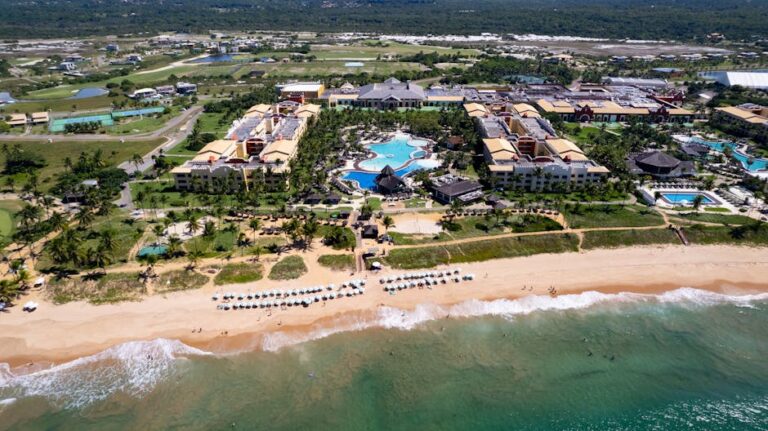
Dreaming of turquoise waters, white-sand beaches, and swaying palm trees? This ultimate beach and island travel guide for tropical lovers delivers everything you need to plan a seamless, unforgettable getaway. From choosing the right destination to packing smart and staying safe under the sun, we cover the essentials to help you make the most of your tropical adventure—whether you’re a first-time island hopper or a seasoned beach traveler.
Why Tropical Beaches and Islands Are Worth the Trip
Tropical destinations offer more than just scenic beauty. They provide a unique combination of relaxation, adventure, and cultural immersion. With consistent warm weather, rich marine life, and diverse ecosystems, islands like the Maldives, Bali, and the Caribbean offer experiences that range from snorkeling with sea turtles to exploring ancient temples nestled between jungle and shore.
Unlike temperate beach destinations, tropical islands often feature year-round sunshine, minimal seasonal variation, and a slower pace of life. This makes them ideal for travelers seeking escape from routine, digital detox, or simply a place to unwind with a book under a thatched cabana.
Top Tropical Beach and Island Destinations in 2024
With so many stunning options, narrowing down your destination can be challenging. Here are five standout tropical islands and beach regions that consistently rank high for scenery, accessibility, and traveler satisfaction:
1. The Maldives – Overwater Luxury and Marine Wonder
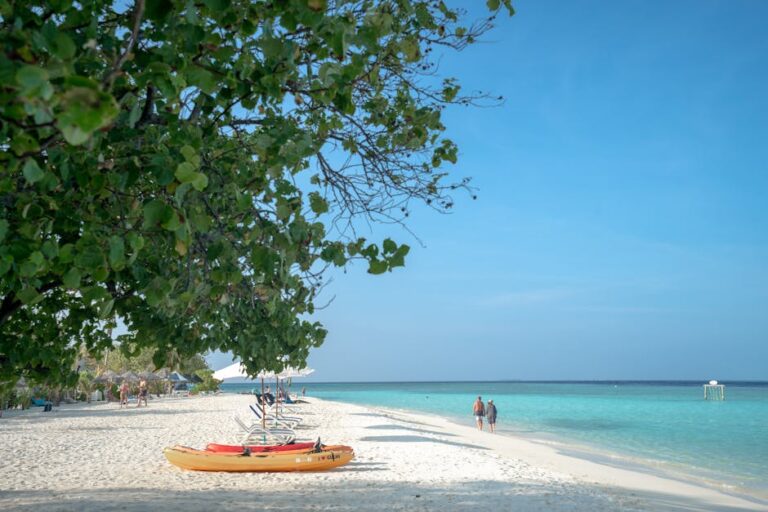
Known for its overwater bungalows and crystal-clear lagoars, the Maldives is a top pick for honeymooners and luxury travelers. Each atoll offers a unique experience, from vibrant coral reefs perfect for diving to private island resorts with world-class spas. While it’s on the higher end of the budget spectrum, the Maldives delivers unmatched privacy and natural beauty.
Best for: Couples, luxury seekers, diving enthusiasts
Travel tip: Visit between November and April for the driest weather and best visibility underwater.
2. Bali, Indonesia – Culture, Nature, and Beaches Combined
Bali strikes a rare balance between pristine beaches and rich cultural heritage. From the surf-friendly shores of Uluwatu to the serene rice terraces of Ubud, the island offers diverse experiences within a short drive. Beach clubs, yoga retreats, and local warungs (food stalls) make it accessible for all budgets.
Best for: Solo travelers, digital nomads, families
Travel tip: Rent a scooter to explore hidden coves and temples—just wear a helmet and check local traffic rules.
3. Santorini, Greece – Iconic Views with a Tropical Vibe
While not technically tropical due to its Mediterranean climate, Santorini’s volcanic beaches, blue-domed churches, and sunset views over the Aegean Sea give it a tropical-like allure. The island’s black and red sand beaches, like Perissa and Kamari, offer a dramatic contrast to the typical white-sand image.
Best for: Couples, photographers, food lovers
Travel tip: Book accommodations in Oia for the best sunset views, but expect crowds during peak season.
4. The Philippines – Hidden Gems and Affordable Paradise
With over 7,000 islands, the Philippines is a treasure trove of untouched beaches and vibrant marine life. Palawan, in particular, stands out with destinations like El Nido and Coron, where limestone cliffs rise from emerald waters. The country offers excellent value for money, with budget-friendly resorts and local transportation.
Best for: Backpackers, adventure travelers, nature lovers
Travel tip: Use ferries to island-hop—book in advance during summer months.
5. The Caribbean – Classic Island Vibes with Modern Comforts
From Jamaica’s reggae rhythms to the Dutch charm of Aruba, the Caribbean blends culture, history, and beach life. Islands like Barbados and St. Lucia offer a mix of luxury resorts, water sports, and lush inland hikes. The region is well-connected by flights from North America and Europe, making it a convenient tropical escape.
Best for: Families, cruise travelers, first-time visitors
Travel tip: Avoid hurricane season (June to November) if possible, especially August and September.
How to Choose the Right Tropical Destination for You
Not all tropical islands are created equal. Your ideal destination depends on several factors, including budget, travel style, and what you want from your trip. Use this checklist to narrow your options:
- Budget: Compare flight costs, accommodation prices, and daily expenses. Southeast Asia and the Caribbean often offer better value than the Indian Ocean.
- Travel companions: Are you traveling solo, as a couple, or with kids? Some islands cater better to families, while others are ideal for romantic getaways.
- Activities: Do you want to dive, hike, party, or simply relax? Match your interests to the island’s offerings.
- Season and weather: Research the best time to visit to avoid monsoon rains, hurricanes, or extreme heat.
- Visa and entry requirements: Check if you need a visa, vaccinations, or special permits before booking.
Packing Essentials for a Tropical Beach Vacation
Packing smart can make or break your beach trip. Overpacking leads to stress, while underpacking can leave you unprepared. Here’s a practical checklist of must-have items:
- Sun protection: Reef-safe sunscreen (SPF 30+), wide-brimmed hat, UV-blocking sunglasses
- Beachwear: Swimsuits (pack extras), quick-dry cover-ups, water shoes for rocky shores
- Footwear: Sandals, flip-flops, and lightweight walking shoes for excursions
- Electronics: Waterproof phone case, portable charger, underwater camera or GoPro
- Health and safety: First-aid kit, insect repellent, rehydration salts, prescription medications
- Documents: Passport, travel insurance, printed copies of bookings, digital backups
Pro tip: Pack a reusable water bottle and collapsible tote bag to reduce plastic waste and stay hydrated.
Staying Safe and Healthy on Tropical Islands
While tropical destinations are generally safe, it’s important to take precautions to avoid common travel issues. Sun exposure, water safety, and food hygiene are key concerns.
Sun and Heat Safety
Tropical sun is intense. Even on cloudy days, UV rays can cause burns and heatstroke. Apply sunscreen every two hours, seek shade during peak hours (10 a.m. to 4 p.m.), and wear protective clothing. Stay hydrated by drinking water regularly—avoid excessive alcohol, which increases dehydration risk.
Water and Food Safety
In many tropical regions, tap water isn’t safe to drink. Stick to bottled or filtered water, and avoid ice in drinks unless you’re sure it’s made from purified water. When eating out, choose busy restaurants with high turnover—this usually means fresher food. Avoid raw seafood or undercooked meat unless you trust the source.
Marine and Wildlife Awareness
Respect local ecosystems. Don’t touch coral reefs—they’re fragile and can be damaged by even light contact. Be cautious around jellyfish, sea urchins, and strong currents. Always swim near lifeguard stations when possible, and never swim alone at night.
Eco-Friendly Travel Tips for Island Destinations
Many tropical islands are environmentally sensitive. Over-tourism, plastic pollution, and coral bleaching threaten their long-term sustainability. As a responsible traveler, you can help protect these destinations:
- Use reef-safe sunscreen to prevent chemical damage to marine life
- Carry a reusable water bottle and avoid single-use plastics
- Support local businesses and guides to boost the community economy
- Participate in beach cleanups or conservation tours if available
- Choose eco-certified accommodations that follow sustainable practices
Small actions add up. By traveling mindfully, you help preserve the beauty that drew you to these islands in the first place.
Budgeting for Your Tropical Getaway
Tropical travel doesn’t have to break the bank. With smart planning, you can enjoy a luxurious experience on a moderate budget. Here’s how to manage costs:
| Expense Category | Average Daily Cost (USD) | Tips to Save |
|---|---|---|
| Accommodation | $50–$300 | Book in advance, consider guesthouses or homestays, travel off-season |
| Food | $15–$50 | Eat at local markets, avoid tourist-heavy restaurants, cook simple meals |
| Transportation | $10–$40 | Use public ferries, rent scooters, walk when possible |
| Activities | $20–$100 | Look for combo tours, book directly with local operators, prioritize free activities |
| Miscellaneous | $10–$30 | Set a daily spending limit, avoid impulse souvenirs |
For a 7-day trip, budget travelers can expect to spend $700–$1,200, while mid-range travelers might spend $1,500–$3,000. Luxury trips can exceed $5,000 depending on location and accommodations.
Best Time to Visit Tropical Beaches and Islands
Timing is everything when it comes to tropical travel. While many destinations are warm year-round, weather patterns vary significantly by region.
- Caribbean & Central America: December to April (dry season, peak prices)
- Southeast Asia: November to March (cooler, less rain)
- Indian Ocean (Maldives, Seychelles): November to April (calm seas, clear skies)
- Pacific Islands (Fiji, Tahiti): May to October (dry, mild temperatures)
Avoid traveling during local holidays or festivals unless you enjoy crowds and higher prices. Also, be aware of monsoon seasons, which can bring heavy rain and rough seas.
Final Tips for a Smooth Tropical Adventure
Before you board your flight, keep these final pointers in mind:
- Download offline maps and translation apps before arriving
- Notify your bank of travel plans to avoid card issues
- Pack a small daypack for beach excursions and island tours
- Learn a few basic phrases in the local language—it goes a long way
- Keep digital and physical copies of important documents
With the right preparation, your tropical beach vacation can be as relaxing as it is memorable.
Conclusion
This ultimate beach and island travel guide for tropical lovers equips you with the knowledge to plan a safe, enjoyable, and sustainable trip. From selecting the perfect destination to packing wisely and respecting local environments, every step matters. Whether you’re lounging on a secluded beach in the Philippines or snorkeling in the Maldives, the key is to travel with intention and appreciation. Start planning, stay informed, and get ready to fall in love with the world’s most beautiful shores.
FAQ
What should I pack for a tropical beach vacation?
Essentials include reef-safe sunscreen, swimwear, water shoes, a hat, sunglasses, a reusable water bottle, and a waterproof phone case. Don’t forget medications, travel documents, and a first-aid kit.
Is it safe to drink tap water on tropical islands?
In most tropical destinations, tap water is not safe to drink. Stick to bottled or filtered water, and avoid ice in drinks unless you’re certain it’s made from purified sources.
When is the best time to visit tropical islands?
The ideal time varies by region. Generally, the dry season—typically November to April in the Caribbean and Indian Ocean, and May to October in the Pacific—offers the best weather and sea conditions.