Top Island Travel Destinations for Tropical Vacations
Planning a tropical getaway? Exploring tropical island vacations reveals important insights. The world is home to countless islands offering pristine beaches, turquoise waters, lush rainforests, and vibrant cultures. Whether you’re seeking relaxation, adventure, or cultural immersion, these top island travel destinations for tropical vacations deliver unforgettable experiences. From the Caribbean to Southeast Asia and the South Pacific, we’ve curated a list of the most sought-after islands that combine natural beauty with comfort and accessibility. This guide covers what makes each destination unique, when to visit, what to pack, and how to make the most of your island escape—all without the fluff or overhyped claims.
Why Choose an Island for Your Tropical Vacation?
Islands offer a natural sense of escape. Surrounded by water, they often feel worlds apart from daily routines, making them ideal for unwinding. Many tropical islands boast year-round warm weather, clear waters perfect for snorkeling and diving, and ecosystems teeming with marine life. Unlike large mainland resorts, islands frequently provide a more intimate setting—whether you’re staying in a beachfront villa, a boutique eco-lodge, or a family-friendly resort.
Additionally, island destinations often emphasize sustainability and local culture, giving travelers a chance to engage authentically with the environment and community. From farm-to-table dining to guided nature walks led by indigenous guides, the island experience tends to be more immersive and respectful of local traditions.
Criteria for Selecting the Best Tropical Island Destinations
Not all islands are created equal. When identifying the top island travel destinations for tropical vacations, we considered several key factors:
- Accessibility: How easy is it to reach the island? Direct flights, ferry connections, and visa requirements all play a role.
- Accommodation Options: From luxury resorts to budget-friendly guesthouses, variety ensures options for different travelers.
- Natural Beauty: Beaches, coral reefs, waterfalls, and wildlife are central to the tropical appeal.
- Safety and Infrastructure: Reliable healthcare, clean water, and stable political conditions matter for peace of mind.
- Cultural Richness: Local festivals, cuisine, and traditions enhance the travel experience.
- Sustainability Practices: Islands vulnerable to climate change often lead in eco-tourism and conservation efforts.
Top Island Travel Destinations for Tropical Vacations
Below are ten of the most compelling tropical islands around the globe, each offering a distinct flavor of paradise.
1. Maui, Hawaii, USA
Maui strikes a rare balance between luxury and authenticity. Known for its dramatic landscapes—from the volcanic crater of Haleakalā to the Road to Hana’s waterfalls—Maui appeals to both adventure seekers and those craving serenity. The island’s west side features world-class resorts in Kaanapali and Wailea, while the north shore offers quieter beaches and local charm.
Best time to visit: April to May and September to November for fewer crowds and lower prices. Avoid peak summer and winter holidays if you prefer tranquility.
Must-do: Watch the sunrise from Haleakalā Summit, snorkel at Molokini Crater, and attend a traditional luau.
2. Bora Bora, French Polynesia
Synonymous with overwater bungalows and sapphire lagoons, Bora Bora is the epitome of romantic tropical escapes. Located in the South Pacific, this small island is surrounded by a coral reef, creating calm, shallow waters ideal for swimming and paddleboarding.
While luxury dominates, mid-range options exist on the main island (Vaitape) and nearby Motu. French Polynesia requires a passport and may involve long flights, but the isolation adds to its allure.
Must-do: Stay in an overwater villa, take a lagoon tour, and hike Mount Otemanu for panoramic views.
3. Santorini, Greece
Though not traditionally “tropical” in the equatorial sense, Santorini offers a Mediterranean version of island bliss with its whitewashed buildings, caldera views, and warm summers. The island’s volcanic origins create unique black and red sand beaches, and its wine culture is world-renowned.
Best time to visit: Late April to early June or September to October to avoid peak summer crowds and heat.
Must-do: Watch the sunset in Oia, visit ancient Akrotiri, and sample Assyrtiko wine at a cliffside vineyard.
4. Maldives
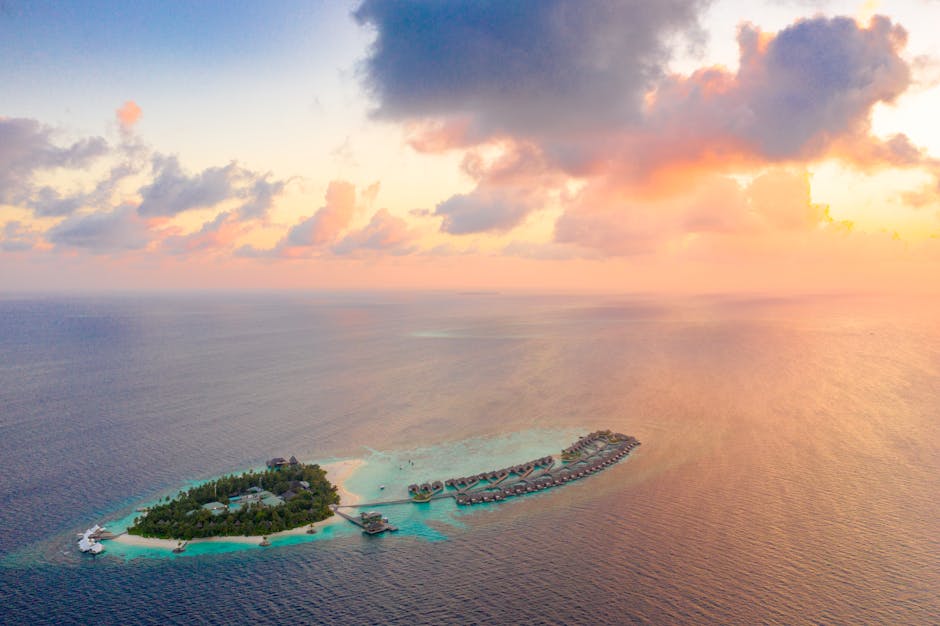
A nation of over 1,000 coral islands, the Maldives is a top choice for travelers seeking privacy and marine biodiversity. Most resorts are located on private atolls, accessible only by seaplane or speedboat from Malé, the capital.
The clear, warm waters make it a premier destination for diving and snorkeling, with frequent sightings of manta rays, whale sharks, and vibrant coral gardens. Sustainability is increasingly prioritized, with many resorts using solar power and coral restoration programs.
Must-do: Night snorkeling, spa treatments over water, and a dolphin-watching cruise.
5. Bali, Indonesia
Bali blends tropical beauty with deep spiritual culture. From rice terraces in Ubud to surf breaks in Canggu and temple ceremonies in Uluwatu, the island offers diversity within a compact area. It’s also one of the more affordable tropical destinations, with excellent food, yoga retreats, and artisan crafts.
Best time to visit: April to October during the dry season. Avoid Nyepi (Day of Silence) if you prefer activity.
Must-do: Visit Tirta Empul Temple, trek Mount Batur at sunrise, and enjoy a beachfront warung meal.
6. Aruba
Part of the ABC islands off Venezuela’s coast, Aruba is known for its consistent trade winds, making it a windsurfing and kiteboarding hub. The island enjoys nearly year-round sunshine and a desert-like landscape dotted with divi-divi trees.
Unlike many Caribbean islands, Aruba is outside the hurricane belt, offering reliable weather from January to December. It’s also one of the most tourist-friendly islands in the region, with English widely spoken and U.S. currency accepted.
Must-do: Explore Arikok National Park, relax on Eagle Beach, and try keshi yena, a local stuffed cheese dish. This covers key aspects of tropical island vacations.
7. Seychelles
An archipelago of 115 islands in the Indian Ocean, Seychelles is famed for its granite boulders, powdery white sand, and rare wildlife like the Aldabra giant tortoise. The main islands—Mahé, Praslin, and La Digue—each offer distinct experiences, from luxury resorts to eco-lodges and bicycle-friendly villages.
Best time to visit: April to May and October to November for calm seas and pleasant temperatures.
Must-do: Visit Vallée de Mai (a UNESCO site), snorkel at Anse Source d’Argent, and hike Morne Seychellois National Park.
8. Phuket, Thailand
Thailand’s largest island is a gateway to the Andaman Sea, offering everything from bustling nightlife in Patong to quiet coves in the north. Phuket is well-connected with international flights and serves as a base for island-hopping to Phi Phi, Krabi, and Similan Islands.
While tourism is well-developed, responsible travel is encouraged—avoid venues that exploit animals or damage coral reefs.
Must-do: Take a longtail boat tour, visit Big Buddha Phuket, and enjoy street food at a night market.
9. Fiji
Comprising over 300 islands, Fiji is a South Pacific gem known for its warm hospitality (“Bula!”), soft coral reefs, and traditional village culture. Many resorts cater to honeymooners and families, offering all-inclusive packages with cultural performances and kava ceremonies.
Best time to visit: May to October for dry, cooler weather. Avoid the cyclone season from November to April.
Must-do: Snorkel in the Rainbow Reef, visit a Fijian village, and try lovo (earth oven-cooked feast).
10. Kauai, Hawaii, USA
Known as the “Garden Isle,” Kauai is the most lush and least developed of the main Hawaiian islands. Its rugged Na Pali Coast, Waimea Canyon (the “Grand Canyon of the Pacific”), and frequent rainfall create a verdant landscape unmatched elsewhere.
Ideal for nature lovers, Kauai offers fewer high-rise resorts and more eco-conscious stays. Helicopter tours reveal waterfalls and sea cliffs inaccessible by road.
Must-do: Hike the Kalalau Trail (with permit), kayak the Wailua River, and watch the sunset at Poipu Beach.
How to Choose the Right Island for Your Trip
With so many options, selecting the perfect island depends on your travel style and priorities. Ask yourself:
- Are you traveling solo, as a couple, or with family?
- Do you prefer luxury, adventure, culture, or relaxation?
- What’s your budget, including flights and daily expenses?
- How much time do you have? Some islands require longer travel times.
- Are you comfortable with limited infrastructure, or do you need reliable Wi-Fi and medical facilities?
For example, honeymooners might prioritize privacy and romance—making Bora Bora or the Maldives ideal. Families may prefer Aruba or Maui for their safety, activities, and direct flights. Backpackers or budget travelers might lean toward Bali or Phuket for affordability and variety.
Practical Tips for Island Travel
Tropical islands can be magical, but they also come with unique challenges. Here’s how to prepare:
- Pack smart: Bring reef-safe sunscreen, a reusable water bottle, quick-dry clothing, and waterproof bags. Avoid single-use plastics—many islands ban them.
- Respect the environment: Don’t touch coral, feed wildlife, or remove shells or sand. Support eco-certified tours and accommodations.
- Stay hydrated and protected: The sun is stronger near the equator. Use high-SPF sunscreen, wear a hat, and seek shade during peak hours.
- Check travel advisories: Some islands have health risks (like dengue or Zika) or political instability. Consult your government’s travel site before booking.
- Book excursions locally: While pre-booking ensures availability, local operators often offer better prices and more authentic experiences.
Common Misconceptions About Tropical Island Travel
Many travelers assume all tropical islands are the same—endless sun, sand, and cocktails. In reality, each destination has its own climate, culture, and rhythm. For instance:
- “It’s always sunny.” Tropical islands can have rainy seasons. The Caribbean’s wet season runs from June to November, while Southeast Asia’s monsoon varies by region.
- “Everything is cheap.” Remote islands like Bora Bora or the Maldives can be extremely expensive due to import costs and limited competition.
- “You can wing it.” Popular islands often require advance booking for accommodations, tours, and even beach access (e.g., Santorini’s sunset spots).
- “All beaches are public.” In some countries, beachfront property is privately owned, restricting access.
Final Thoughts: Making the Most of Your Island Escape
The top island travel destinations for tropical vacations offer more than just scenic backdrops—they provide opportunities to slow down, connect with nature, and experience different ways of life. Whether you’re sipping fresh coconut water under a palm tree or learning traditional fishing techniques from a local guide, the memories made on these islands often last a lifetime.
Start by identifying what you truly want from your trip: relaxation, adventure, culture, or a mix. Then match that with a destination that fits your budget, timeline, and travel style. With thoughtful planning and respect for local environments, your tropical island vacation can be both enjoyable and responsible.
FAQ
What is the best time of year to visit tropical islands?
The ideal time varies by region. Generally, aim for the dry season: April to October in Southeast Asia and the South Pacific, and December to April in the Caribbean. Always check local weather patterns and avoid hurricane or monsoon seasons.
Are tropical islands safe for solo travelers?
Many tropical islands are safe for solo travelers, especially those with established tourism infrastructure like Aruba, Maui, or Bali. Research your destination, stay in reputable accommodations, and share your itinerary with someone back home.
Do I need to speak the local language to enjoy an island vacation?
Not necessarily. In tourist areas, English is commonly spoken. However, learning a few basic phrases in the local language—such as greetings or thank you—can enhance your experience and show respect for the culture.