Top Culinary Experiences for Food Lovers Abroad
For food lovers, traveling isn’t just about sightseeing—it’s about tasting. Exploring culinary experiences abroad reveals important insights. The world’s best destinations offer more than scenic views; they deliver unforgettable flavors rooted in culture, history, and local tradition. Whether you’re sampling street food in Bangkok, dining in a centuries-old trattoria in Rome, or learning to make sushi in Tokyo, the top culinary experiences for food lovers abroad transform a trip into a sensory journey. These experiences go beyond restaurants—they include cooking classes, market tours, food festivals, and meals with local families. This guide highlights the most rewarding ways to explore global cuisine, with practical tips to help you eat well, eat safely, and eat authentically wherever you go.
Why Culinary Travel Matters
Food is a universal language. It tells the story of a place—its geography, climate, history, and people. When you eat abroad, you’re not just satisfying hunger; you’re connecting with culture. A bowl of pho in Hanoi carries the legacy of French and Chinese influences. A plate of tacos al pastor in Mexico City reflects centuries of migration and fusion. Culinary travel deepens your understanding of a destination in a way that guidebooks can’t match.
Beyond cultural insight, food experiences often become the most memorable part of a trip. They create stories worth sharing, photos worth posting, and tastes worth remembering long after you’ve returned home. For many travelers, trying a dish for the first time—like Ethiopian injera or Peruvian ceviche—becomes a defining moment of their journey.
How to Find Authentic Culinary Experiences
Not all food experiences are created equal. Tourist traps with overpriced menus and frozen ingredients can quickly sour an otherwise great trip. To find authentic, high-quality culinary adventures, follow these steps:
- Talk to locals. Ask hotel staff, shopkeepers, or taxi drivers where they eat. Locals know the hidden gems—places that may not appear on travel apps but serve the best food in town.
- Use trusted food blogs and apps. Sites like Eater, The Infatuation, and local food blogs often highlight neighborhood favorites. Apps like Google Maps and Yelp can help, but filter reviews to focus on recent, detailed feedback from regular diners.
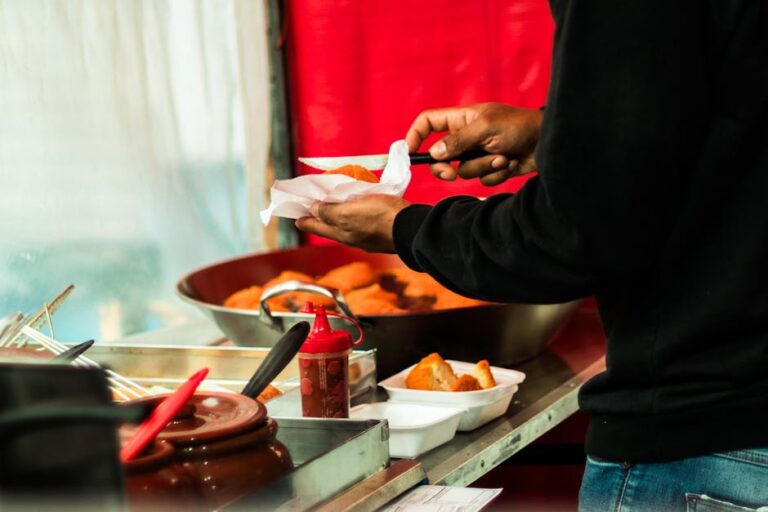
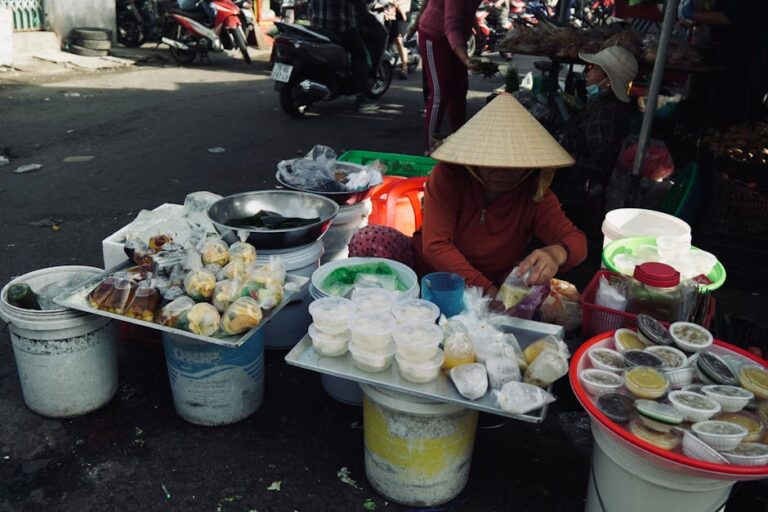
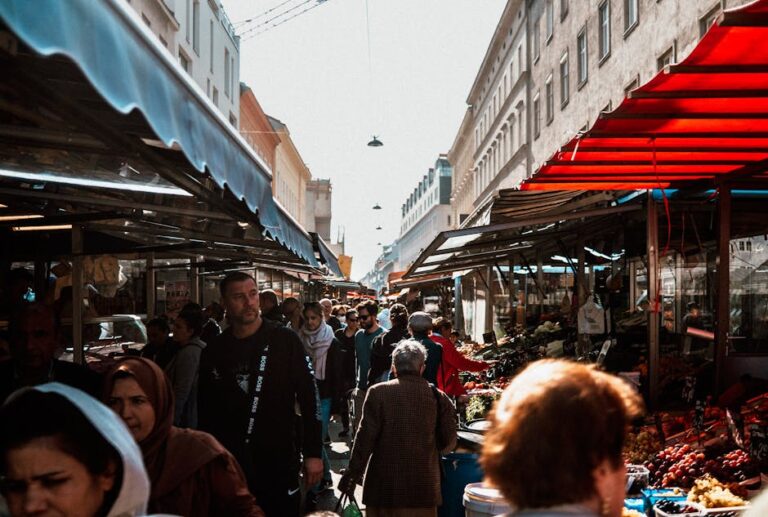
- Visit local markets. Markets are hubs of authentic food culture. You’ll find fresh produce, regional specialties, and street food prepared by vendors who’ve been perfecting their recipes for generations.
- Join a guided food tour. Reputable food tours are led by knowledgeable locals who take you behind the scenes—introducing you to family-run stalls, explaining ingredients, and sharing stories behind each dish.
Red Flags to Avoid
- Menus in multiple languages with photos of every dish—this often signals a tourist-focused restaurant with lower quality.
- Staff aggressively inviting you in from the street—authentic spots usually don’t need to solicit customers.
- Prices significantly higher than nearby options—local eateries keep prices accessible for residents.
Top Culinary Experiences by Region
Different regions offer distinct culinary traditions and experiences. Here’s where to go and what to try for the most rewarding food adventures.
Asia: Street Food and Market Immersion
Asia is a paradise for street food lovers. The region’s bustling markets and roadside stalls serve up bold flavors, fresh ingredients, and incredible value.
Bangkok, Thailand: Known for its vibrant street food scene, Bangkok offers everything from pad Thai to mango sticky rice. Visit the Chatuchak Weekend Market or take a nighttime food tour through Chinatown to sample grilled skewers, boat noodles, and Thai desserts.
Tokyo, Japan: While Tokyo has more Michelin-starred restaurants than any other city, its true culinary magic lies in its izakayas, ramen shops, and sushi counters. Book a sushi-making class in Tsukiji or explore the backstreets of Shimokitazawa for yakitori and craft beer.
Hanoi, Vietnam: Start your day with a bowl of pho bo (beef pho) at a sidewalk stall. Join a guided food tour to learn about Vietnamese herbs, try bún chả (grilled pork with noodles), and sip egg coffee—a local specialty.
Europe: Tradition and Terroir
Europe’s culinary reputation is built on centuries of tradition, regional pride, and respect for ingredients. From farm to table, European cuisine emphasizes quality and seasonality.
Florence, Italy: Take a hands-on pasta-making class in a Tuscan villa. Learn to roll fresh pappardelle, stuff ravioli with ricotta and spinach, and pair your meal with local Chianti. Don’t miss the Mercato Centrale for truffle products, cured meats, and artisanal cheeses.
Barcelona, Spain: Explore the Boqueria Market and sample jamón ibérico, fresh seafood, and Catalan pastries. Book a tapas crawl with a local guide to discover family-run bodegas serving patatas bravas, croquetas, and pan con tomate.
Paris, France: While fine dining is iconic, Paris also offers incredible casual experiences. Join a croissant-baking workshop, visit a fromagerie to taste regional cheeses, or enjoy a wine and charcuterie tasting in a historic cellar.
Latin America: Bold Flavors and Cultural Fusion
Latin American cuisine is a vibrant mix of indigenous, African, and European influences. Expect bold spices, fresh produce, and communal dining.
Lima, Peru: Known as the gastronomic capital of South America, Lima is a must-visit for food lovers. Try ceviche at a beachside cevichería, sample anticuchos (grilled beef heart), and take a pisco sour tasting tour. Book a cooking class to learn how to prepare lomo saltado and causa.
Oaxaca, Mexico: This region is the heart of Mexican cuisine. Visit a mezcal distillery, learn to make mole negro from scratch, and explore the Mercado 20 de Noviembre for tlayudas, chapulines (grasshoppers), and handmade tortillas.
Middle East and North Africa: Spices and Hospitality
Food in this region is deeply tied to hospitality and celebration. Exploring culinary experiences abroad reveals important insights. Meals are often shared, slow, and rich with flavor.
Istanbul, Turkey: Start with a Turkish breakfast of olives, cheese, honey, and simit. Take a food tour through the Spice Bazaar, try döner kebab from a local vendor, and learn to make baklava in a traditional sweet shop.
Marrakech, Morocco: Join a cooking class in a riad to prepare tagine and couscous. Visit Jemaa el-Fnaa at night for grilled meats, orange juice, and snail soup. Don’t miss a mint tea ceremony—Moroccan hospitality is legendary.
Unique Culinary Experiences Beyond Restaurants
Some of the most memorable food experiences happen outside traditional dining settings. These alternatives offer deeper engagement with local culture.
Cooking Classes with Locals
Learning to cook a regional dish gives you more than a meal—it gives you a story. Many classes include a market visit, ingredient explanation, and hands-on preparation. In Chiang Mai, you might learn to make khao soi; in Naples, you’ll master the art of pizza dough. These classes often end with a shared meal, creating a sense of connection.
Farm-to-Table Tours
Experience the source of your food by visiting farms, vineyards, or olive groves. In Tuscany, tour a vineyard and taste wine straight from the barrel. In Japan, visit a tea plantation and participate in a traditional tea ceremony. These tours deepen your appreciation for the effort behind every ingredient.
Food Festivals and Seasonal Events
Timing your trip around a food festival can elevate your experience. The La Tomatina festival in Spain, the Night Noodle Markets in Australia, or the Oaxaca Gourmet Festival in Mexico offer unique access to local chefs, rare dishes, and cultural performances.
Dining with Locals
Platforms like EatWith or Traveling Spoon connect travelers with home cooks who host meals in their homes. These intimate dinners offer a chance to eat like a local, ask questions, and build genuine connections. A home-cooked meal in a Moroccan riad or a family dinner in a Thai village can be more meaningful than any restaurant experience.
Practical Tips for Safe and Enjoyable Food Travel
While culinary adventures are exciting, it’s important to stay safe and respectful.
- Stay hydrated and carry water. In hot climates, dehydration can sneak up quickly, especially when trying spicy or salty foods.
- Be cautious with street food. Choose stalls with high turnover—this ensures freshness. Avoid raw vegetables and unpeeled fruits if you’re unsure about water quality.
- Know your allergies. Learn how to say your allergens in the local language. In some countries, cross-contamination is common in small kitchens.
- Respect local customs. In many cultures, eating with your hands, sharing dishes, or refusing food can have social implications. Observe and follow local etiquette.
- Pack probiotics or digestive aids. Your stomach may need time to adjust to new spices and ingredients. Over-the-counter remedies can help ease discomfort.
How to Plan Your Culinary Itinerary
To make the most of your food-focused trip, plan ahead—but leave room for spontaneity.
- Research before you go. Identify must-try dishes, top-rated restaurants, and food tours in your destination. Save addresses and opening hours.
- Book experiences in advance. Popular cooking classes and food tours fill up quickly, especially in peak season.
- Balance structure with flexibility. Schedule a few key experiences, but allow time to wander and discover unexpected gems.
- Keep a food journal. Note what you ate, where, and how it tasted. This helps you remember your favorites and share recommendations later.
Final Thoughts: Eat Well, Travel Deeply
The top culinary experiences for food lovers abroad aren’t just about taste—they’re about connection. They invite you to slow down, engage with locals, and see the world through a different lens. Whether you’re slurping ramen in a Tokyo alley or sharing a meal with a family in rural Vietnam, these moments become the heart of your travel memories.
Food travel is also a form of cultural exchange. When you seek out authentic experiences, you support local economies, preserve traditional recipes, and honor the people who keep these culinary traditions alive.
So pack your appetite, do your research, and open your mind—and your palate—to the incredible flavors waiting around the world.
FAQ
What should I do if I have food allergies while traveling?
Learn how to communicate your allergies in the local language. Carry a translation card if needed, and stick to restaurants or markets where you can verify ingredients. Avoid high-risk items like sauces or mixed dishes unless you’re certain of their contents.
Are food tours worth the cost?
Yes, especially in cities with complex food scenes. A good food tour provides context, access to hidden spots, and safe sampling of street food. Look for small-group tours led by locals with strong reviews.
How can I avoid getting sick from food abroad?
Choose busy stalls with high turnover, avoid raw or undercooked items in areas with questionable water quality, drink bottled or filtered water, and wash your hands frequently. If you’re unsure, opt for cooked dishes served hot.