Nature Travel Guide for Exploring Natural Wonders
Traveling to experience the world’s most breathtaking natural wonders offers a powerful way to reconnect with the planet and recharge your spirit. A well-planned Nature Travel Guide for Exploring Natural Wonders helps you discover awe-inspiring landscapes—from towering waterfalls and ancient forests to vast deserts and coral reefs—while traveling responsibly and safely. Whether you’re drawn to the geysers of Yellowstone, the fjords of Norway, or the rainforests of Costa Rica, this guide provides practical advice on destinations, timing, preparation, and sustainable practices to make your journey both memorable and respectful of the environment.
Why Choose Nature Travel?
Nature travel goes beyond typical tourism by emphasizing immersion in wild, unspoiled environments. It encourages slower, more intentional exploration that fosters deeper connections with local ecosystems and cultures. Unlike crowded city breaks, nature-focused trips often promote mental well-being, physical activity, and environmental awareness.
Consider the difference between visiting a popular urban landmark and hiking through a remote alpine meadow. The former may offer convenience and amenities, but the latter delivers solitude, fresh air, and a sense of discovery. Nature travel invites you to step off the beaten path and witness Earth’s raw beauty firsthand.
Top Natural Wonders Worth Visiting
With countless natural wonders around the globe, narrowing down your list can be challenging. Below are five iconic destinations that represent diverse ecosystems and offer unforgettable experiences:
- Grand Canyon, USA – Carved by the Colorado River over millions of years, this immense canyon offers dramatic vistas, hiking trails, and stargazing opportunities. Visit in spring or fall for milder weather and fewer crowds.
- Great Barrier Reef, Australia – The world’s largest coral reef system is a haven for snorkelers and divers. Choose eco-certified tour operators to minimize environmental impact.
- Plitvice Lakes National Park, Croatia – A UNESCO World Heritage site featuring cascading turquoise lakes and waterfalls connected by wooden walkways. Best visited in late spring or early autumn.
- Torres del Paine, Chile – A Patagonian wilderness of granite peaks, glacial lakes, and grasslands ideal for multi-day treks. Prepare for unpredictable weather and pack layers.
- Zhangjiajie National Forest Park, China – Known for its towering sandstone pillars that inspired the floating mountains in Avatar, this park offers hiking, cable cars, and misty viewpoints.
How to Plan Your Nature Adventure
Effective planning is essential for a safe and enjoyable nature trip. Follow these steps to build a realistic and rewarding itinerary:
- Define Your Goals – Are you seeking solitude, adventure, photography, or wildlife observation? Your purpose will shape destination and activity choices.
- Research Seasons and Conditions – Weather patterns vary widely. For example, visiting the Amazon in the dry season (June–November) means easier hiking and fewer mosquitoes, while monsoon months bring lush scenery but muddy trails.
- Check Access Requirements – Some parks require permits, advance reservations, or guided tours. Yellowstone, for instance, limits access to certain backcountry areas without a permit.
- Assess Physical Demands – Trails range from flat boardwalks to steep ascents. Be honest about your fitness level and choose routes accordingly.
- Book Accommodations Early – Lodges and campsites near popular natural sites fill quickly, especially during peak seasons.
Essential Gear for Nature Travel
Being properly equipped enhances safety and comfort. While gear needs vary by destination, these items are universally useful:
- Sturdy, broken-in hiking boots
- Weather-appropriate clothing (layers, rain jacket, sun hat)
- Reusable water bottle or filtration system
- First-aid kit and basic medications
- Map, compass, or GPS device (don’t rely solely on phone signals)
- Sunscreen and insect repellent
- Headlamp or flashlight with extra batteries
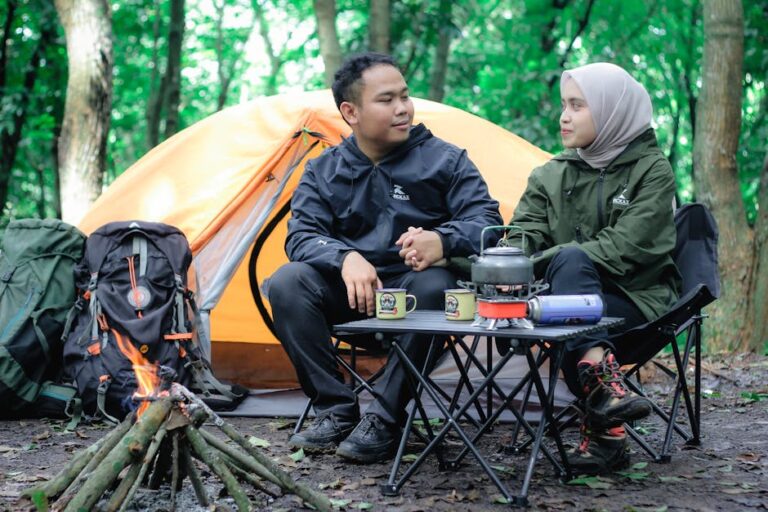
For longer expeditions, consider a lightweight tent, sleeping bag rated for local temperatures, and a portable stove. Always test gear before departure.
Traveling Sustainably in Natural Areas
Protecting the environments you visit is a core responsibility of nature travel. Unregulated tourism can lead to trail erosion, wildlife disturbance, and pollution. Adopt these sustainable practices:
- Follow the Leave No Trace Principles – Pack out all trash, stay on marked trails, and avoid picking plants or disturbing animals.
- Use Eco-Friendly Transportation – Opt for public transit, carpooling, or biking when possible. In national parks, shuttle systems reduce congestion and emissions.
- Support Local Communities – Purchase souvenirs from local artisans, eat at family-run restaurants, and hire local guides who understand the region’s ecology and culture.
- Minimize Single-Use Plastics – Bring reusable containers, utensils, and bags to reduce waste.
For example, in Costa Rica’s Manuel Antonio National Park, visitor numbers are capped daily to protect wildlife habitats. Respecting such limits ensures these spaces remain intact for future generations.
Safety Tips for Exploring Remote Areas
While nature travel is generally safe with proper preparation, remote locations present unique risks. Take these precautions seriously:
- Inform Someone of Your Plans – Share your itinerary, expected return time, and emergency contacts with a trusted person.
- Monitor Weather Forecasts – Sudden storms, flash floods, or temperature drops can be life-threatening. Adjust plans if conditions deteriorate.
- Know Basic First Aid – Learn how to treat blisters, sprains, hypothermia, and insect bites. Carry a compact first-aid manual.
- Avoid Risky Wildlife Encounters – Store food securely in bear country, maintain distance from animals, and never feed wildlife.
- Carry Emergency Communication Tools – Satellite messengers or personal locator beacons (PLBs) are invaluable in areas without cell service.
In places like Alaska’s Denali National Park, rangers recommend carrying bear spray and making noise while hiking to avoid surprising wildlife. These small actions can prevent dangerous situations.
Best Times to Visit Major Natural Wonders
| Destination | Best Time to Visit | Why |
|---|---|---|
| Yellowstone National Park, USA | April–May, September–October | Mild weather, fewer crowds, active wildlife |
| Northern Lights (Iceland, Norway) | September–March | Dark skies, clear nights, peak aurora activity |
| Amazon Rainforest, Brazil | June–November | Dry season, easier access, lower mosquito levels |
| Mount Kilimanjaro, Tanzania | January–March, June–October | Stable weather, minimal rainfall |
| Banff National Park, Canada | June–September | Open trails, warm temperatures, full access |
Timing your visit correctly can dramatically improve your experience. Off-peak seasons often mean lower prices and more solitude, though some facilities may have limited hours.
Photography Tips for Capturing Natural Beauty
Many travelers want to document their journeys, but great nature photography requires more than a smartphone. Use these techniques to capture compelling images:
- Shoot During Golden Hour – The hour after sunrise and before sunset provides soft, warm light that enhances landscapes.
- Use a Tripod – Essential for long exposures, low-light conditions, and sharp group shots.
- Respect Wildlife – Never chase animals for a better shot. Use a telephoto lens to maintain distance.
- Include Foreground Elements – Rocks, flowers, or water in the foreground add depth to wide-angle shots.
- Avoid Over-Editing – Enhance colors subtly; avoid filters that make images look artificial.
At Iceland’s Seljalandsfoss waterfall, for example, visiting at dawn allows you to photograph the cascade with minimal crowds and beautiful sidelighting—without disturbing the environment.
Budgeting for Your Nature Trip
Nature travel doesn’t have to be expensive, but costs can add up. Plan your budget with these considerations:
- Transportation – Flights, car rentals, fuel, or train tickets. Compare options and book early for savings.
- Accommodations – Camping is the most economical; lodges and eco-lodges offer comfort at a higher price.
- Park Fees and Permits – Many national parks charge entrance fees. Annual passes (like the U.S. America the Beautiful Pass) can save money if visiting multiple sites.
- Food and Supplies – Cooking your own meals reduces costs. Pack non-perishable snacks for hikes.
- Guided Tours – While optional, expert guides enhance safety and insight, especially in complex environments like glaciers or jungles.
A week-long trip to Yosemite might cost $800–$1,500 per person, depending on lodging and activities. Planning ahead and choosing off-season dates can reduce expenses by 20–30%.
Overcoming Common Challenges
Even well-planned trips can face obstacles. Prepare for these common issues:
- Language Barriers – In remote regions, English may not be widely spoken. Learn basic phrases or use translation apps.
- Altitude Sickness – Ascending too quickly to high elevations (e.g., in the Andes or Himalayas) can cause headaches and nausea. Acclimatize gradually and stay hydrated.
- Trail Closures – Weather, fires, or maintenance may close paths. Check official park websites before departure.
- Currency and Connectivity – Carry local cash and download offline maps, as ATMs and internet access may be limited.
When hiking in Nepal’s Annapurna region, for instance, trekkers often rely on teahouses for food and lodging. Booking in advance isn’t always possible, so flexibility is key.
Final Thoughts on Exploring Natural Wonders
A thoughtful Nature Travel Guide for Exploring Natural Wonders balances adventure with responsibility. By choosing destinations wisely, preparing thoroughly, and traveling sustainably, you can experience the planet’s most extraordinary landscapes while helping to preserve them. Whether you’re standing at the edge of a canyon, floating above a coral reef, or walking through a silent forest, these moments remind us of Earth’s fragility and beauty. Start small, stay curious, and let nature guide your journey.
FAQ
What should I pack for a week-long nature trip?
Essentials include weather-appropriate clothing, sturdy footwear, a first-aid kit, water filtration, navigation tools, and a reusable food container. Adjust based on destination—add rain gear for tropical areas or insulated layers for mountains.
How can I minimize my environmental impact while traveling?
Follow Leave No Trace principles, use reusable items, stay on trails, support local businesses, and choose eco-certified tour operators. Avoid single-use plastics and respect wildlife by keeping a safe distance.
Is it safe to travel alone to remote natural areas?
Solo travel is possible with proper planning. Inform others of your route, carry emergency communication devices, and avoid high-risk activities. Consider joining small group tours for added safety in unfamiliar terrain.