Family Travel Tips for Better Flights With Young Kids
Traveling with young children doesn’t have to mean stressful flights and frayed nerves. With thoughtful planning and a few proven strategies, parents can transform air travel into a smoother, more manageable experience. Whether you’re heading across the country or overseas, these family travel tips for better flights with young kids focus on preparation, comfort, and flexibility. From choosing the right flight time to packing smart and managing in-flight behavior, every detail counts when your little ones are along for the ride.
Choose the Right Flight Time
Timing is one of the most overlooked factors in family air travel. A well-chosen departure can make or break your journey. For infants and toddlers, early morning flights often align with their natural wake-up time, meaning they’re more likely to sleep through takeoff and the first part of the flight. Alternatively, a late evening departure might allow your child to fall asleep naturally and continue sleeping once airborne.
Avoid midday flights when possible. These times often clash with nap schedules and can leave kids overtired and irritable. If your destination is more than three time zones away, consider booking a red-eye flight so your child sleeps through the bulk of the journey. Just be sure to adjust their sleep schedule a few days in advance to ease the transition.
Example: Flight Timing Comparison
| Flight Time | Pros | Cons |
|---|---|---|
| 6:00 AM Departure | Kids often sleep through takeoff; less crowded airport | Early wake-up; may disrupt morning routine |
| 12:00 PM Departure | Convenient for working parents | Conflicts with nap time; higher chance of meltdowns |
| 9:00 PM Departure | Child may sleep through most of the flight | Risk of overtiredness if not pre-adjusted |
Pack Smart: Essentials for Comfort and Calm
Overpacking is tempting, but efficiency is key when traveling with young kids. Focus on a compact, well-organized carry-on that includes only the essentials. A well-packed bag can prevent mid-flight meltdowns and keep both you and your child comfortable.
Must-Have Items in Your Carry-On
- Snacks: Bring a variety of non-perishable, mess-free options like crackers, cheese sticks, or fruit pouches. Avoid sugary snacks that can cause energy spikes and crashes.
- Hydration: Pack an empty water bottle to fill after security. Dehydration can worsen crankiness, especially at high altitudes.
- Change of clothes: Include one full outfit for your child and a spare shirt for you—spills and accidents happen.
- Comfort items: A favorite stuffed animal, blanket, or pacifier can provide emotional security during takeoff and landing.
- Entertainment: Load a tablet with pre-downloaded shows, games, or audiobooks. Bring noise-canceling headphones sized for kids.
- Diapers and wipes: Even if your child is potty-trained, bring extras. Airplane bathrooms are small and stressful.
Use packing cubes or zip-top bags to separate categories like clothes, snacks, and electronics. This makes it easy to find what you need without unpacking everything.
Prepare for Takeoff and Landing
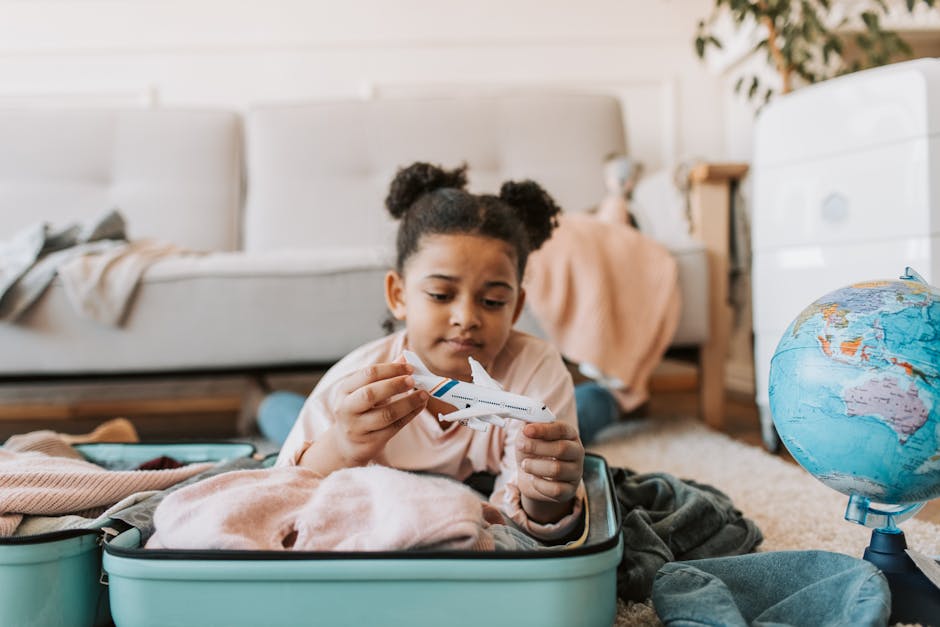
Ear pressure during ascent and descent is one of the biggest discomforts for young children. Babies and toddlers can’t always communicate ear pain, but you’ll often see them fussing, crying, or tugging at their ears.
To ease the pressure, encourage swallowing. For infants, offer a bottle, breastfeed, or give a pacifier during takeoff and landing. Older children can sip water, chew gum, or suck on a lollipop. Avoid letting them sleep during these phases if possible—awake children are more likely to swallow naturally.
If your child has a cold or ear infection, consult your pediatrician before flying. Congestion can worsen ear pain, and in rare cases, flying may not be advisable.
Manage In-Flight Behavior with Structure and Distraction
Young children thrive on routine, but flights disrupt that rhythm. Without a plan, boredom and restlessness can quickly escalate into tantrums. The key is to provide structure through predictable activities and timely distractions.
Create a Flight Activity Timeline
Break the flight into segments and assign an activity to each. For example:
- Takeoff to 30 minutes in: Snack time and a favorite show
- 30–60 minutes: Quiet play with small toys (e.g., sticker books, magnetic drawing boards)
- 60–90 minutes: Nap or rest with a blanket and pillow
- 90 minutes to landing: New activity or surprise toy to maintain interest
Rotate toys every 20–30 minutes to maintain novelty. Avoid bringing all entertainment at once—save a few “new” items for when energy levels dip.
For longer flights, consider a small “busy bag” with rotating contents: crayons and paper, a mini puzzle, a soft book, or a travel-sized game. Keep it sealed until needed to preserve excitement.
Dress for Comfort and Convenience
What your child wears matters more than you might think. Avoid tight clothing, belts, or shoes that are hard to remove. Opt for soft, stretchy fabrics and slip-on shoes. Layering is ideal—airplane cabins can vary in temperature, and a light sweater or jacket can double as a pillow.
For infants, footed pajamas with zippers (not snaps) make diaper changes quicker. Bring a lightweight swaddle or sleep sack if your child uses one at home—familiar textures promote sleep.
Don’t forget your own comfort. Wear clothes that allow easy movement, and consider compression socks if you’re prone to swelling on long flights.
Use Airline Services and Policies to Your Advantage
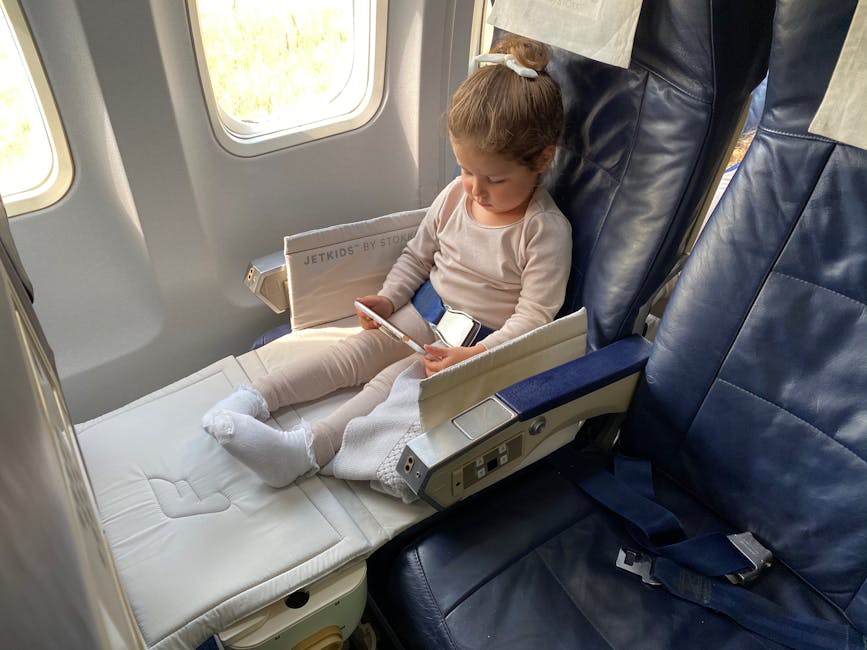
Most airlines offer services designed to help families, but you have to know how to access them. Here’s how to make the most of what’s available:
- Pre-boarding: Take advantage of early boarding to settle in without the rush. Use the extra time to stow bags, change diapers, and get your child comfortable.
- Bassinet seats: On long-haul flights, request a bassinet seat (also called a sky cot) for infants under 2. These are free but limited—book early.
- Stroller check: Most airlines allow you to check a stroller at the gate. You can use it right up to the aircraft door, then retrieve it upon arrival.
- Special meals: Request a child’s meal when booking. These often include simpler, kid-friendly options and are available on most international and many domestic flights.
Check your airline’s policy on car seats. If you’re bringing one, ensure it’s FAA-approved and fits in the seat. Some parents prefer to use a CARES harness for toddlers instead of a full car seat—it’s lighter and easier to manage.
Stay Calm During Meltdowns
Even the best-laid plans can’t prevent every tantrum. When your child becomes upset, stay calm and empathetic. Avoid scolding or shushing too harshly—this can escalate the situation.
Instead, try redirecting their attention. Offer a new snack, point out something outside the window, or start a quiet game. If they’re overwhelmed, a brief walk to the back of the cabin (if safe and permitted) can help reset their mood.
Remember: other passengers have been in your shoes. Most will be understanding, especially if you acknowledge the disruption with a quiet “Sorry, we’re working on it.”
Plan for Layovers and Connections
Layovers can be a blessing or a curse. A short connection increases the risk of missing your flight, while a long one can test your child’s patience. Aim for at least 60–90 minutes between domestic flights and 2–3 hours for international connections.
Use layover time wisely. Let your child stretch their legs, visit a family restroom, or grab a snack. Many major airports have play areas or quiet zones for families. If your layover is several hours, consider booking a family lounge—some offer private spaces, showers, and kid-friendly amenities.
If you’re traveling internationally, check visa and transit requirements. Some countries require visas even for short layovers, and customs procedures can add unexpected delays.
Post-Flight Recovery Tips
The journey doesn’t end when the plane lands. Young children often need time to readjust after a flight. Jet lag, fatigue, and sensory overload can affect behavior for hours or even days.
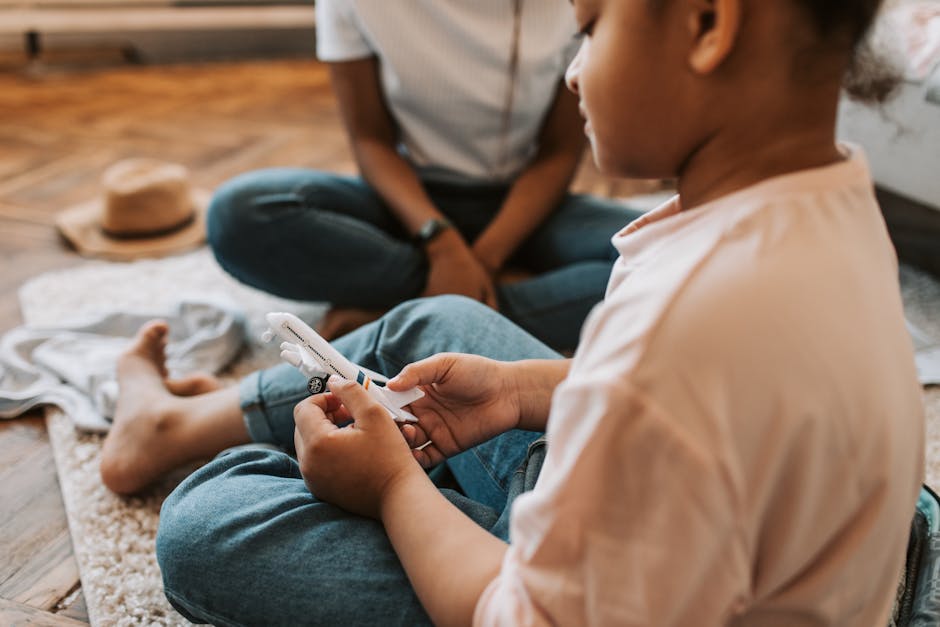
Upon arrival, prioritize rest and hydration. If possible, schedule a quiet afternoon upon reaching your destination. Avoid over-scheduling the first day—let your child decompress with familiar routines like a bath, a favorite meal, or an early bedtime.
If you’ve crossed time zones, gradually adjust your child’s schedule in the days leading up to travel. Shift bedtime and meals by 15–30 minutes each day to ease the transition.
Final Thoughts on Family Travel Tips for Better Flights With Young Kids
Flying with young children requires preparation, patience, and a healthy dose of realism. There’s no such thing as a perfectly smooth flight, but with the right strategies, you can minimize stress and maximize comfort for everyone. Focus on flexibility—what works for one trip might not work for the next. Keep a sense of humor, pack extra snacks, and remember that most travel challenges are temporary.
By applying these family travel tips for better flights with young kids, you’re not just surviving the journey—you’re setting the stage for more confident, enjoyable family adventures in the future.
FAQ
What’s the best age to start flying with a baby?
Most pediatricians agree that it’s safe to fly with a healthy baby as young as a few weeks old. However, wait until after the first round of vaccinations (usually around 2 months) if traveling to areas with higher infection risks. Always consult your doctor before flying with a newborn.
Can I bring baby food and formula through airport security?
Yes. The TSA allows reasonable amounts of baby food, formula, breast milk, and juice in carry-on bags, even if they exceed the standard 3.4-ounce liquid limit. Declare them at security and be prepared for additional screening.
Should I book a window or aisle seat when traveling with kids?
It depends on your child’s age and habits. Aisle seats offer easier access to the bathroom and allow kids to stretch their legs. Window seats provide a view and a surface to lean against for sleeping. For toddlers, aisle seats are often more practical; for older kids who nap well, a window seat can be a cozy retreat.