Best Travel Places for Solo Travelers and Backpackers
Traveling alone doesn’t have to mean traveling in silence. Some destinations welcome solo travelers with open arms, offering safety, affordability, and vibrant communities of like-minded explorers. Whether you’re a first-time backpacker or a seasoned solo adventurer, choosing the right location can make all the difference. This guide highlights the best travel places for solo travelers and backpackers—places where you can explore freely, meet new people, and stay within budget without sacrificing experience.
Why Solo Travel and Backpacking Are Worth the Journey
Solo travel builds confidence, independence, and adaptability. Without relying on others, you learn to navigate unfamiliar environments, solve problems on the fly, and trust your instincts. Backpacking amplifies these benefits by emphasizing minimalism, flexibility, and immersion.
Many solo travelers report deeper cultural connections when traveling alone. Without distractions, you’re more likely to strike up conversations with locals, join group tours, or stumble upon hidden gems off the beaten path. Backpacking also tends to be more budget-friendly, allowing you to stretch your funds and travel longer.
Top Criteria for Choosing a Solo Travel Destination
Not every destination is ideal for solo travelers. Safety, affordability, ease of navigation, and social opportunities are key factors. Look for places with low crime rates, reliable public transportation, English-speaking locals (or clear signage), and a strong backpacker infrastructure.
Visa policies matter too. Some countries offer visa-free entry or easy e-visas for short stays, reducing pre-trip stress. Also consider the local culture—some places are more welcoming to solo travelers, especially women, than others.
Safety First: What to Look For
Safety is the top concern for most solo travelers. Choose destinations with stable governments, low petty crime rates, and good healthcare access. Cities with well-lit streets, active police presence, and 24/7 emergency services are preferable.
Avoid areas with political unrest or high rates of scams targeting tourists. Check government travel advisories before booking. Even in safe countries, stay alert in crowded markets, tourist hotspots, and public transit.
Budget-Friendly Stays and Transport
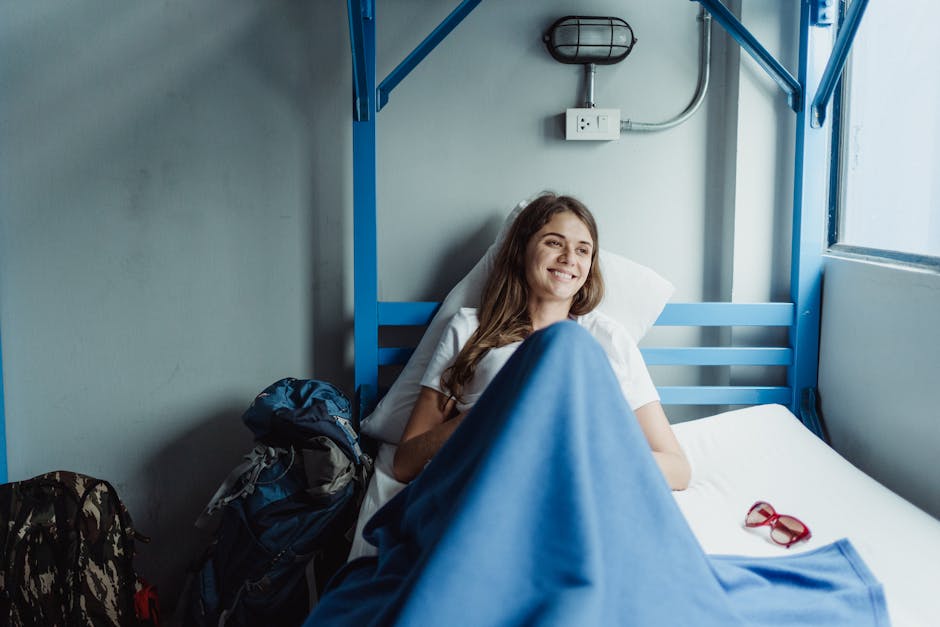
Backpacking is all about stretching your budget. Hostels, guesthouses, and homestays offer affordable lodging and social interaction. Look for places with communal kitchens, free Wi-Fi, and organized activities.
Public transportation should be cheap and reliable. Trains, buses, and local rideshares help you move between cities without breaking the bank. In some countries, overnight buses save on accommodation costs.
Opportunities to Meet People
Solo travel doesn’t mean isolation. The best backpacker destinations have active social scenes. Hostels often host pub crawls, city tours, and language exchanges. Co-working spaces and digital nomad hubs attract remote workers looking to connect.
Group tours—like hiking trips, cooking classes, or temple visits—are great for meeting fellow travelers. Apps like Meetup or Couchsurfing can also help you find local events or travel buddies.
Best Travel Places for Solo Travelers and Backpackers
Below are ten destinations that consistently rank high for solo travelers and backpackers. Each offers a unique blend of safety, affordability, culture, and adventure.
1. Thailand
Thailand is a backpacker paradise. From the bustling streets of Bangkok to the serene beaches of Koh Lanta, it offers variety at every turn. English is widely spoken in tourist areas, and the cost of living is low.
Hostels are abundant and often include free breakfast, Wi-Fi, and organized tours. The train and bus network connects major cities efficiently. Northern cities like Chiang Mai are especially popular for digital nomads and solo travelers seeking a slower pace.
2. Portugal
Portugal is one of Europe’s safest and most affordable countries. Lisbon and Porto are walkable, with excellent public transit and a welcoming atmosphere. The Algarve region offers stunning coastal hikes and quiet beaches.
Portuguese people are friendly and helpful, even if you don’t speak the language. Hostels and guesthouses are plentiful, and many offer free walking tours. The country is also well-connected by train and budget airlines.
3. Vietnam
Vietnam delivers rich culture, delicious food, and breathtaking landscapes—all at a fraction of Western prices. Hanoi and Ho Chi Minh City are great starting points, with bustling markets and historic sites.
The open-tour bus system makes it easy to travel between cities. Ha Long Bay, Sapa, and Hoi An are must-visit spots. While scams can occur, staying in reputable hostels and using trusted transport reduces risk.
4. New Zealand
For nature lovers, New Zealand is unbeatable. The country is safe, clean, and full of outdoor adventures—hiking, bungee jumping, and glacier walks are just the beginning.
Backpacker hostels are common, especially near national parks and adventure hubs like Queenstown. Public transport is limited outside cities, so consider renting a car or joining a group tour. The people are friendly, and the scenery is world-class.
5. Japan
Japan combines safety, efficiency, and deep cultural experiences. Cities like Tokyo and Kyoto are easy to navigate, even if you don’t speak Japanese. The train system is fast, punctual, and covers nearly every corner of the country.
Hostels and capsule hotels offer budget stays, while ryokans provide traditional lodging. Solo dining is common and accepted. Be mindful of local customs—quiet behavior on trains and proper etiquette in temples go a long way.
6. Colombia
Colombia has transformed into a top destination for solo travelers. Medellín, in particular, is known for its innovation, green spaces, and friendly locals. Cartagena offers colonial charm and Caribbean beaches.
While petty crime exists, staying in tourist-friendly neighborhoods and avoiding flashy displays of wealth minimizes risk. Spanish is essential, but many locals in tourist areas speak basic English. Hostels often organize salsa lessons and city tours.
7. Nepal
Nepal is a dream destination for trekkers and spiritual seekers. Kathmandu offers temples, markets, and a laid-back vibe. The Annapurna and Everest Base Camp treks are legendary among backpackers.
Guesthouses along trekking routes provide basic but comfortable lodging. Guides and porters are available for hire, but solo trekkers should register with local authorities. Altitude sickness is a real concern—ascend slowly and stay hydrated.
8. Mexico
Mexico offers diverse experiences—beaches, ruins, cities, and jungles—all within one country. Cancún and Tulum are popular with backpackers, while Oaxaca and Mexico City attract culture lovers.
Hostels are common in tourist areas, and public buses connect major destinations. Avoid remote areas near the U.S. border and stay informed about local safety conditions. Tacos, mezcal, and Day of the Dead festivals make the experience unforgettable.
9. Georgia (the Country)
Georgia is a hidden gem in the Caucasus. Tbilisi, the capital, blends old-world charm with modern energy. The country is safe, affordable, and visa-free for many nationalities.
Mountain villages like Kazbegi offer stunning hikes and homestays. Georgian food—especially khachapuri and wine—is a highlight. English is not widely spoken, but locals are eager to help. The train to Armenia and Azerbaijan makes regional travel easy.</n
10. Costa Rica
Costa Rica is ideal for eco-tourists and adventure seekers. National parks, volcanoes, and beaches are easily accessible. The country is politically stable and safe for solo travelers.
Hostels and eco-lodges are widespread. Public buses connect towns, but renting a car offers more flexibility. Wildlife tours, zip-lining, and surfing are popular activities. Spanish is helpful, but many tour operators speak English.
Practical Tips for Solo Backpacking
Preparation is key to a smooth solo trip. Research your destination thoroughly, including local customs, weather, and health requirements. Pack light—most backpackers travel with a 40-50L pack and minimal clothing.
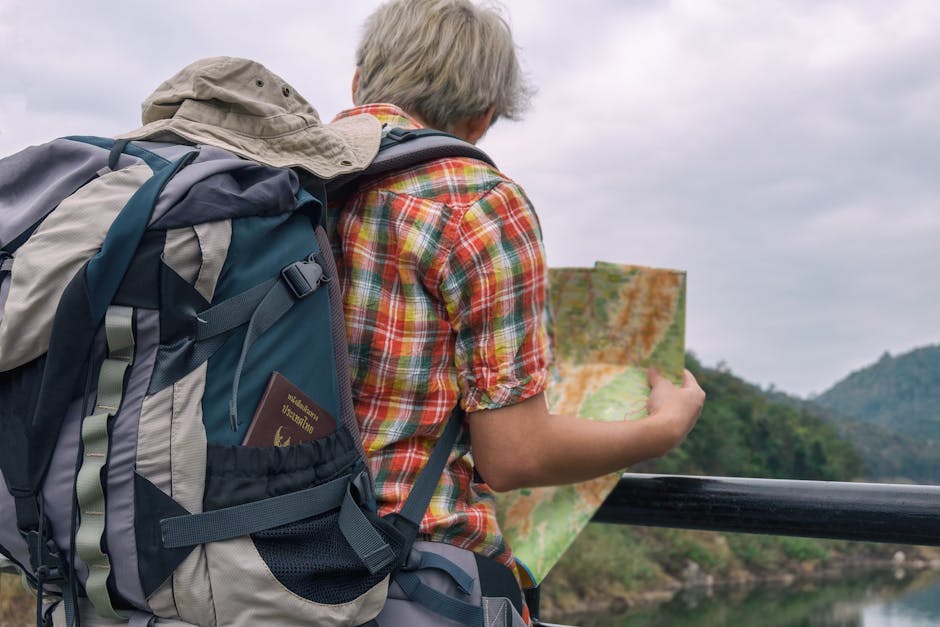
Always share your itinerary with someone back home. Check in regularly, especially if you’re hiking or traveling to remote areas. Carry a physical map and offline copies of important documents.
Staying Connected and Safe
A local SIM card or international data plan keeps you connected. Download translation apps, ride-hailing services, and offline maps. In emergencies, know the local number for police, fire, and medical help.
Avoid sharing too much personal information with strangers. Use lockers in hostels and keep valuables secure. Trust your instincts—if a situation feels off, leave.
Managing Your Budget
Track expenses daily using a budgeting app or notebook. Set a daily spending limit and stick to it. Cook meals when possible, use student discounts, and avoid tourist traps with inflated prices.
Travel during the off-season for lower prices and fewer crowds. Many destinations offer discounts on accommodations and tours outside peak months.
Dealing with Loneliness
It’s normal to feel lonely, especially in the first few days. Join group activities, attend hostel events, or take a day tour. Writing in a journal or calling home can help process emotions.
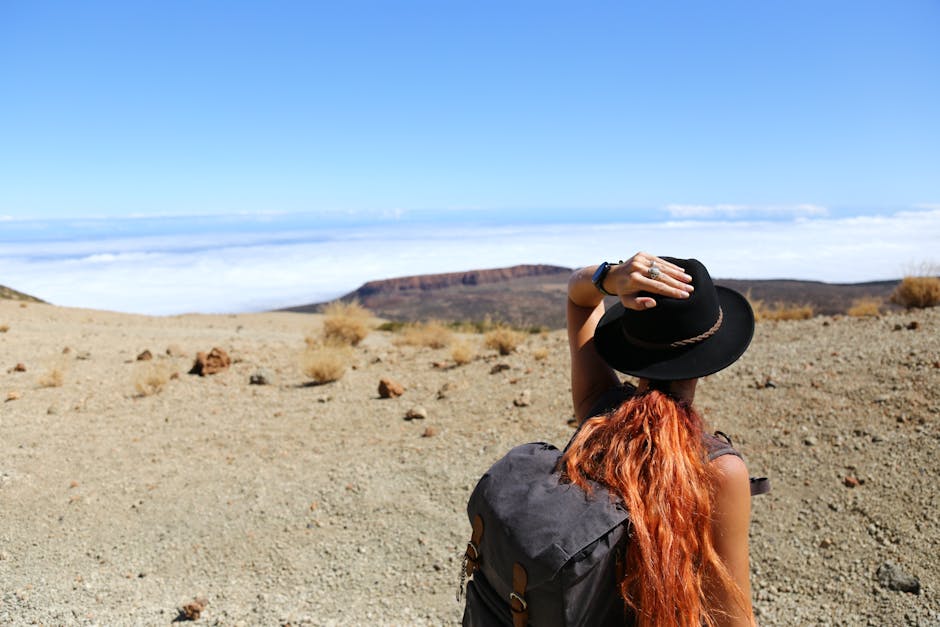
Remember, solitude can be powerful. Use quiet moments to reflect, explore at your own pace, and embrace the freedom that solo travel offers.
Common Mistakes to Avoid
Overpacking is a frequent error. You’ll regret carrying heavy bags through train stations and cobblestone streets. Stick to versatile clothing and multi-use items.
Another mistake is over-scheduling. Leave room for spontaneity—some of the best travel moments happen unplanned. Also, don’t skip travel insurance. Medical emergencies abroad can be costly, even in safe countries.
Ignoring Local Customs
Respect goes a long way. Dress modestly in conservative areas, remove shoes when required, and learn basic greetings in the local language. Avoid public displays of affection in cultures where they’re frowned upon.
Photography etiquette varies. Always ask before taking pictures of people, especially in rural or religious settings.
Underestimating Travel Fatigue
Long flights, time zone changes, and constant movement can wear you down. Schedule rest days. Stay hydrated, eat well, and prioritize sleep. Don’t feel pressured to see everything—quality over quantity.
Final Thoughts
The best travel places for solo travelers and backpackers offer more than just sights—they offer growth, connection, and freedom. Whether you’re wandering through ancient temples, hiking mountain trails, or sipping coffee in a quiet café, solo travel teaches resilience and opens doors to unexpected experiences.
Start with a destination that matches your comfort level, budget, and interests. With the right preparation and mindset, your solo adventure can be one of the most rewarding journeys of your life.
FAQ
Is it safe for solo female travelers to backpack?
Yes, many destinations are safe for solo female travelers, especially in countries like Portugal, New Zealand, and Japan. Research local norms, stay in well-reviewed accommodations, and trust your instincts. Hostels with female-only dorms can offer added comfort.
How much money do I need to backpack solo?
Budgets vary widely. In Southeast Asia or Latin America, you can live comfortably on $25–$40 per day. In Europe or Oceania, expect $50–$80. Include buffer funds for emergencies, visas, and unexpected expenses.
Do I need travel insurance for solo backpacking?
Absolutely. Travel insurance covers medical emergencies, trip cancellations, and lost luggage. It’s essential, especially in countries without universal healthcare. Choose a plan that includes adventure activities if you plan to hike, dive, or ski.