Best Beach Travel Destinations Around the World to Visit
Looking for the best beach travel destinations around the world to visit? Whether you’re dreaming of turquoise waters, powdery white sand, or secluded coves perfect for quiet reflection, the planet offers an incredible variety of coastal escapes. From tropical paradises in Southeast Asia to rugged Mediterranean shores and vibrant Caribbean islands, the ideal beach getaway depends on your preferences—whether that’s snorkeling among coral reefs, enjoying luxury resorts, or finding untouched natural beauty. This guide highlights top-rated beaches across continents, offering practical insights to help you choose your next coastal adventure with confidence.
What Makes a Beach Destination Worth Visiting?
Not all beaches are created equal. The best beach travel destinations combine natural beauty with accessibility, safety, and activities that match your travel style. Key factors include water clarity and temperature, sand quality, crowd levels, local infrastructure, and nearby attractions. For example, a family may prioritize calm waters and nearby amenities, while an adventurer might seek remote shores with excellent diving or surfing conditions. Climate also plays a major role—some beaches shine in dry seasons, while others are best avoided during monsoon periods. Understanding these elements helps ensure your trip matches your expectations.
Top Tropical Beach Destinations in Asia
Asia is home to some of the most photographed and celebrated coastlines on Earth. The region blends stunning scenery with rich culture and often affordable travel costs.
Maldives: Overwater Bungalows and Coral Atolls
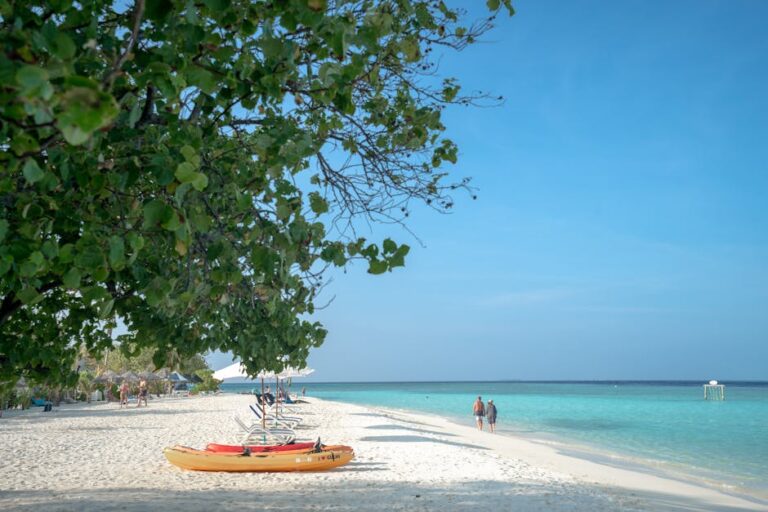
The Maldives consistently ranks among the best beach travel destinations around the world to visit, thanks to its crystal-clear lagoons, vibrant marine life, and exclusive resorts. Located in the Indian Ocean, this archipelago of over 1,000 coral islands offers exceptional snorkeling and diving, with house reefs just steps from many beaches. While luxury accommodations dominate, guesthouses on local islands like Maafushi provide more budget-friendly options. Travelers should note that the dry season (November to April) offers the best weather, while monsoon rains from May to October can limit visibility and comfort.
Thailand: From Bustling Shores to Hidden Gems
Thailand’s coastline stretches along both the Andaman Sea and the Gulf of Thailand, offering diverse experiences. Phuket and Krabi attract crowds with their dramatic limestone cliffs and lively beach bars, while islands like Koh Lanta and Koh Jum offer quieter alternatives. Railay Beach, accessible only by boat, is famous for rock climbing and sunset views. For those seeking authenticity, the Trang Islands remain relatively undeveloped, with pristine beaches and excellent snorkeling. Always check local tide conditions and respect marine protected areas to help preserve these fragile ecosystems.
Bali, Indonesia: Culture Meets Coastline
Bali’s beaches vary dramatically from south to north. Kuta and Seminyak are known for surfing and nightlife, while Uluwatu offers world-class waves and cliffside temples. For a more serene experience, head to Nusa Penida, where Kelingking Beach delivers jaw-dropping views and turquoise waters. Be mindful of strong currents at many surf beaches—swimming is often safer at calmer spots like Sanur or Padang Padang during low tide. Bali’s dry season (April to October) is ideal for beach travel, though humidity remains high year-round.
Caribbean Gems: Sun, Sand, and Sailing
The Caribbean is synonymous with postcard-perfect beaches, warm waters, and a laid-back island vibe. Many destinations here offer all-inclusive resorts, but independent travelers will find plenty of authentic experiences too.
Turks and Caicos: Grace Bay Beach
Grace Bay Beach on Providenciales is frequently cited as one of the world’s top beaches. Its three-mile stretch of soft sand and calm, shallow waters makes it ideal for swimming and paddleboarding. The adjacent coral reef system supports diverse marine life, and glass-bottom boat tours offer a glimpse without getting wet. While the island is relatively safe and well-developed, visitors should be aware that hurricane season runs from June to November, with peak risk between August and October.
Barbados: East Meets West Coast
Barbados offers a split personality: the calm, tourist-friendly west coast with beaches like Mullins and Paynes Bay, and the wilder, surf-heavy east coast at Bathsheba. The latter is dramatic and beautiful but not suitable for swimming due to strong undertows. The island’s British colonial heritage is evident in its architecture and culture, and local cuisine—especially fresh seafood and flying fish—is a highlight. Travelers should rent a car to fully explore, as public transport is limited outside major towns.
Aruba: Constant Sunshine and White Sands
Aruba’s location outside the hurricane belt makes it a reliable year-round destination. Eagle Beach, with its iconic Divi-Divi trees and wide shoreline, is a favorite for sunbathers. Palm Beach caters to resort guests with water sports and beachfront dining. The island’s arid climate means little rainfall, but also less lush vegetation compared to other Caribbean islands. Be cautious of strong currents at certain spots, and always heed local warning flags.
Mediterranean Coastlines: History and Beauty Combined
The Mediterranean offers a different kind of beach experience—one where ancient ruins sit beside modern resorts, and cobblestone villages overlook rocky coves.
Amalfi Coast, Italy: Cliffside Charm
While not known for wide sandy beaches, the Amalfi Coast features stunning pebble coves like Marina di Praia and Arienzo. Access is often by boat or steep staircases, adding to the sense of discovery. The region’s charm lies in its colorful towns—Positano, Amalfi, and Ravello—nestled into dramatic cliffs. Summer brings crowds and high prices, so consider visiting in late spring or early fall for better weather and fewer tourists. Be prepared for limited parking and narrow roads if driving.
Santorini, Greece: Volcanic Shores and Iconic Views
Santorini’s black and red sand beaches, such as Perissa and Kamari, are unique in the Mediterranean. These volcanic shores contrast sharply with the island’s whitewashed buildings and blue-domed churches. While the beaches are scenic, they can get crowded, and the coarse sand isn’t ideal for lounging. The real draw is the sunset views from Oia, though arriving early is essential to secure a good spot. Note that many beaches have pebbles rather than sand, so water shoes are recommended.
Costa del Sol, Spain: Accessible European Sun
Spain’s southern coast offers reliable sunshine and a mix of urban and natural beaches. Marbella and Torremolinos cater to international visitors with full amenities, while quieter spots like Cabopino provide a more relaxed atmosphere. The region benefits from excellent transport links, making it easy to combine beach time with cultural excursions to Granada or Ronda. Summer temperatures can exceed 35°C (95°F), so early morning or late afternoon beach visits are more comfortable.
Hidden Beaches and Emerging Destinations
Beyond the well-trodden paths, several lesser-known beaches offer tranquility and unspoiled beauty for travelers willing to venture off the beaten track.
Palawan, Philippines: The Last Frontier
Often called the “last ecological frontier” of the Philippines, Palawan boasts limestone karsts, hidden lagoons, and some of the clearest waters in Southeast Asia. El Nido and Coron are popular bases for island-hopping tours that visit secluded beaches like Secret Lagoon and Twin Lagoon. These areas are protected as part of national parks, so permits are required and environmental fees apply. Travelers should book tours through reputable operators to minimize ecological impact.
Seychelles: Granite Boulders and Pristine Shores
This Indian Ocean nation features unique granite formations framing beaches like Anse Source d’Argent on La Digue Island. The Seychelles has strict environmental policies to protect its biodiversity, including limits on development and visitor numbers. While luxury is common, eco-lodges and guesthouses offer sustainable options. The best time to visit is April to May or October to November, when weather is calm and humidity is lower.
Fernando de Noronha, Brazil: Eco-Tourism Paradise
A UNESCO World Heritage site, this remote archipelago off Brazil’s coast limits daily visitors to preserve its ecosystem. Beaches like Baía do Sancho are consistently ranked among the world’s best, with emerald waters and abundant marine life. Snorkeling with sea turtles, dolphins, and reef sharks is common, but access requires a permit and guided tours. Due to its isolation and conservation rules, this destination suits travelers seeking exclusivity and environmental responsibility.
Practical Tips for Choosing and Visiting Beach Destinations
Selecting the right beach destination involves more than just picking a pretty photo. Consider these steps to ensure a smooth and enjoyable trip:
- Match the beach to your travel style: Are you looking for relaxation, adventure, nightlife, or family-friendly activities? Choose accordingly.
- Check seasonal weather patterns: Research dry and wet seasons, hurricane risks, and water temperatures for your target region.
- Review local safety conditions: Look into water safety, crime rates, and health advisories. Avoid areas with strong currents or poor medical facilities.
- Plan for accessibility: Some stunning beaches require boat rides, hikes, or 4×4 vehicles. Ensure you’re prepared for the logistics.
- Respect local environments: Follow “leave no trace” principles, avoid touching coral, and support eco-certified accommodations.
When packing, include reef-safe sunscreen, a wide-brimmed hat, UV-protective clothing, and a reusable water bottle. For water activities, consider bringing your own snorkel gear to ensure fit and hygiene. Always carry travel insurance that covers water sports if you plan to dive or surf.
Final Thoughts on the Best Beach Travel Destinations
The best beach travel destinations around the world to visit offer more than just sun and sand—they provide experiences that connect you with nature, culture, and adventure. Whether you’re drawn to the overwater villas of the Maldives, the cliffside charm of the Amalfi Coast, or the hidden coves of Palawan, careful planning ensures your trip is both memorable and responsible. Prioritize destinations that align with your interests, travel season, and values, and always approach natural environments with respect. With so many incredible coastlines to explore, your perfect beach getaway is closer than you think.
FAQ
What is the best time of year to visit tropical beach destinations?
The ideal time varies by region. In the Caribbean and Southeast Asia, the dry season (typically November to April) offers the best weather. However, always check local climate patterns, as monsoon or hurricane seasons can significantly affect conditions.
Are all beach destinations safe for swimming?
No. Some beaches have strong currents, riptides, or hazardous marine life. Always observe local warning flags, swim near lifeguard stations when possible, and avoid swimming alone or at night.
How can I travel sustainably to beach destinations?
Choose eco-certified accommodations, avoid single-use plastics, support local businesses, and follow guidelines in protected areas. Consider offsetting your carbon footprint and traveling during off-peak seasons to reduce environmental impact.