Beach Travel Guide for Exploring Tropical Destinations
Planning a trip to a tropical beach destination? This comprehensive beach travel guide helps you choose the best islands, pack smart, stay safe, and make the most of your sun-soaked getaway. From hidden coves in Thailand to turquoise lagoons in the Maldives, we cover essential tips on weather, accommodations, local culture, and eco-friendly practices so you can explore with confidence and respect. Whether you’re after relaxation or adventure, this guide delivers practical advice tailored to real travelers heading to the world’s most beautiful coastlines.
Why Choose a Tropical Beach Destination?
Tropical beaches offer more than just scenic views—they provide a unique blend of climate, biodiversity, and culture that’s hard to match. With warm temperatures year-round, crystal-clear waters, and lush landscapes, these destinations cater to a wide range of travelers. Families appreciate safe swimming areas and kid-friendly resorts, while solo adventurers and couples often seek secluded spots for snorkeling, diving, or quiet sunsets.
Popular regions like Southeast Asia, the Caribbean, and the South Pacific stand out not only for their natural beauty but also for their accessibility and infrastructure. Countries such as Bali, the Philippines, Costa Rica, and Fiji have developed tourism industries that balance comfort with authenticity, offering everything from luxury overwater bungalows to rustic eco-lodges.
Top Tropical Beach Destinations to Visit
Not all tropical beaches are created equal. Some shine for their powdery white sand, others for vibrant coral reefs or cultural richness. Here are five standout destinations that consistently earn high marks from travelers:
- Bali, Indonesia: Known for its spiritual vibe, rice terraces, and surf-friendly beaches like Uluwatu and Canggu. Best visited during the dry season from April to October.
- Maldives: A top pick for luxury and overwater villas. Ideal for honeymooners and underwater enthusiasts, with world-class diving and minimal light pollution for stargazing.
- Palawan, Philippines: Home to El Nido and Coron, this archipelago offers dramatic limestone cliffs, hidden lagoons, and some of the clearest waters on Earth.
- Costa Rica: Combines Pacific and Caribbean coastlines with rich biodiversity. Manuel Antonio and Tamarindo are great for wildlife spotting and beginner surfers.
- Tahiti and French Polynesia: Remote and romantic, with black-sand beaches, volcanic peaks, and a strong Polynesian cultural presence.
Comparing Beach Types: White Sand vs. Black Sand
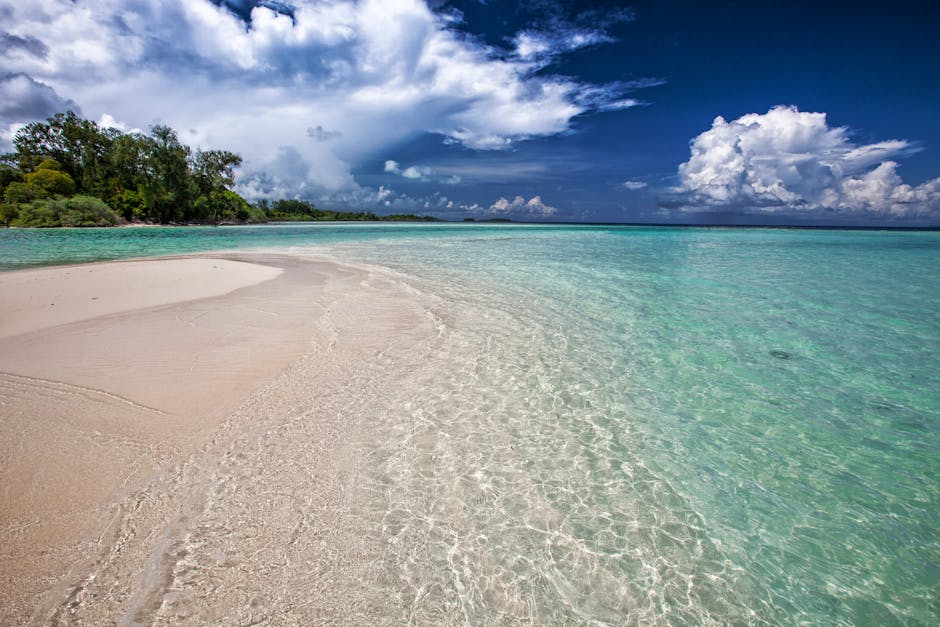
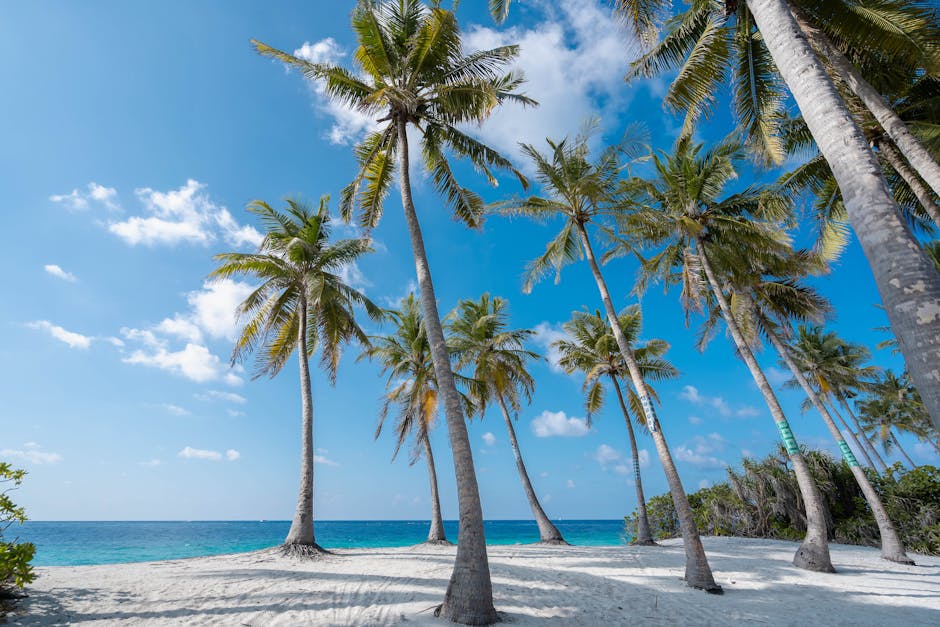
One of the first things travelers notice is the sand. White sand beaches, like those in the Maldives or Thailand’s Railay Beach, are typically made from crushed coral and shells, giving them a soft, cool texture underfoot. They’re common in low-lying atolls and islands with healthy reef systems.
Black sand beaches, such as those in Hawaii or Iceland’s Reynisfjara, form from volcanic rock erosion. While striking in appearance, they absorb more heat and can become uncomfortably hot during midday. Both types have their charm—white sand for comfort and photography, black sand for dramatic scenery and geological interest.
Best Time to Visit Tropical Beaches
Timing can make or break your beach vacation. Most tropical destinations have distinct wet and dry seasons, and visiting during the wrong window can mean constant rain, high humidity, or dangerous storms.
| Destination | Dry Season | Wet Season | Best Time to Visit |
|---|---|---|---|
| Bali, Indonesia | April–October | November–March | May–September |
| Maldives | November–April | May–October | December–March |
| Costa Rica (Pacific) | December–April | May–November | January–March |
| Philippines | November–May | June–October | December–April |
Keep in mind that peak season often means higher prices and more crowds. Shoulder months—just before or after the high season—can offer a sweet spot with good weather and fewer tourists.
How to Choose the Right Beach Accommodation
Where you stay shapes your entire experience. Beachfront resorts offer convenience and amenities, but they can be expensive and lack local flavor. On the other hand, guesthouses or homestays provide cultural immersion and better value, though they may lack air conditioning or Wi-Fi.
Consider these factors when booking:
- Proximity to the beach: A 5-minute walk is ideal; anything over 15 minutes may require transport.
- On-site dining: Check if meals are included or if there are nearby restaurants.
- Safety and security: Look for 24-hour reception, secure locks, and guest reviews mentioning safety.
- Sustainability practices: Eco-certified lodgings often use solar power, reduce plastic, and support local communities.
For families, resorts with kids’ clubs and shallow pools are a plus. Solo travelers and couples might prefer boutique hotels with private terraces or direct beach access.
Packing Essentials for a Tropical Beach Trip
Smart packing prevents headaches and saves money. Overpacking leads to extra baggage fees, while underpacking can leave you buying overpriced sunscreen at the resort.
Clothing and Accessories
- Lightweight, breathable fabrics (linen, cotton)
- Swimwear (pack at least two sets)
- Cover-ups and sarongs for beach-to-street transitions
- Wide-brimmed hat and UV-blocking sunglasses
- Waterproof sandals or reef-safe flip-flops
Health and Safety Items
- Reef-safe sunscreen (SPF 30 or higher)
- Insect repellent with DEET or picaridin
- Reusable water bottle with filter
- First-aid kit with antiseptic, bandages, and anti-diarrheal medication
- Waterproof phone case or dry bag
Tech and Travel Gear
- Portable charger/power bank
- Universal travel adapter
- Underwater camera or GoPro
- Lightweight daypack for excursions
Avoid bringing valuable jewelry or electronics that could be lost or damaged. Most tropical climates are humid and salty—conditions that can harm gadgets and delicate fabrics.
Staying Safe at the Beach
While tropical beaches are beautiful, they can also present hidden dangers. Rip currents, strong waves, and marine life require awareness and caution.
Understanding Ocean Conditions
Always check local beach flags or signs before entering the water. Green means safe, yellow indicates caution, and red signals danger. Never swim alone, and avoid alcohol before water activities.
Rip currents are a leading cause of drowning. If caught in one, don’t panic or swim directly back to shore. Instead, swim parallel to the beach until you’re out of the current, then return at an angle.
Marine Life Awareness
Some tropical waters host jellyfish, sea urchins, and stonefish. Wear water shoes when walking on rocky or coral-filled shores. If stung, rinse with seawater (not fresh water), remove tentacles with tweezers, and seek medical help if symptoms worsen.
Never touch coral reefs—they’re fragile ecosystems and can cause cuts or infections. Use reef-safe sunscreen to minimize chemical damage to marine life.
Cultural Etiquette and Local Respect
Traveling to tropical destinations often means interacting with close-knit communities. Respecting local customs enhances your experience and supports sustainable tourism.
- Dress modestly when away from the beach, especially in religious or rural areas.
- Learn basic phrases in the local language—greetings like “hello” and “thank you” go a long way.
- Support local businesses by eating at family-run restaurants and buying handmade crafts.
- Avoid public displays of affection in conservative regions.
- Ask before photographing people, especially children or elders.
In places like Bali or the Philippines, temples and sacred sites often require sarongs and sashes. Renting or borrowing these is usually free or low-cost.
Eco-Friendly Beach Travel Tips
Tropical ecosystems are delicate. A single discarded plastic bottle can harm marine life for decades. Responsible travel ensures these destinations remain beautiful for future visitors.
- Use reusable bags, bottles, and utensils to reduce plastic waste.
- Participate in beach cleanups if available—many resorts and NGOs organize them weekly.
- Choose tour operators with eco-certifications or sustainability policies.
- Avoid single-use items like straws, cups, and toiletries in mini-bars.
- Don’t feed wildlife or remove shells, coral, or sand as souvenirs.
Some countries, like Palau and the Galápagos, have strict environmental laws. Fines for removing natural materials can be steep—up to thousands of dollars.
Top Activities Beyond Sunbathing
A tropical beach vacation doesn’t have to be all about lounging. Many destinations offer a range of activities that combine adventure, culture, and nature.
- Snorkeling and scuba diving: Explore vibrant reefs in Thailand’s Similan Islands or Belize’s Great Blue Hole.
- Kayaking and paddleboarding: Glide through mangroves in Costa Rica or along calm bays in Fiji.
- Island hopping tours: Visit multiple beaches in one day via boat—popular in Greece, Indonesia, and the Philippines.
- Sunset sailing: Enjoy cocktails and views aboard a traditional dhoni in the Maldives or a catamaran in the Caribbean.
- Local cooking classes: Learn to make fresh ceviche in Peru or coconut curry in Samoa.
Always book tours through reputable providers. Check reviews, confirm safety equipment, and ensure guides are licensed.
Budgeting for Your Tropical Beach Trip
Costs vary widely depending on destination, season, and travel style. Southeast Asia and Central America tend to be more affordable, while the Maldives and French Polynesia are premium destinations.
Estimate your budget with these average daily costs (in USD):
| Destination | Budget Traveler | Mid-Range | Luxury |
|---|---|---|---|
| Thailand | $30–$50 | $70–$120 | $200+ |
| Costa Rica | $40–$60 | $90–$150 | $250+ |
| Maldives | $100+ | $200–$400 | $600+ |
Include hidden costs like visa fees, travel insurance, and airport transfers. Booking flights and accommodations in advance can save 20–30%.
Final Tips for a Smooth Beach Vacation
Even with the best planning, surprises happen. Stay flexible and keep these tips in mind:
- Download offline maps and translation apps before arrival.
- Keep digital and physical copies of your passport and travel documents.
- Notify your bank of travel plans to avoid card blocks.
- Pack a small day bag for unexpected excursions or delays.
- Stay hydrated—heat and sun can dehydrate you quickly, even in the shade.
Lastly, embrace the local pace. Many tropical cultures operate on “island time,” where schedules are relaxed and spontaneity is valued. Let go of rigid itineraries and allow room for discovery.
FAQ
What should I pack for a tropical beach vacation?
Essentials include lightweight clothing, swimwear, reef-safe sunscreen, a hat, sunglasses, water shoes, a reusable water bottle, and a waterproof phone case. Don’t forget medications, a first-aid kit, and a power bank.
Is it safe to swim at tropical beaches?
Generally yes, but always check local conditions. Avoid swimming during red flag warnings, stay aware of rip currents, and wear protective footwear near coral or rocks. Swim near lifeguard stations when possible.
How can I travel sustainably to tropical destinations?
Choose eco-certified accommodations, avoid single-use plastics, support local businesses, and never touch or remove coral, shells, or wildlife. Participate in beach cleanups and use reef-safe sunscreen.
With the right preparation, your tropical beach getaway can be both unforgettable and responsible. Use this beach travel guide to explore with confidence, respect, and joy.