Adventure Travel Guide with Safety Tips for Every Explorer
Adventure travel blends excitement, discovery, and challenge—whether you’re trekking through remote jungles, scaling mountain peaks, or diving into uncharted waters. But with great adventure comes real risk. This guide delivers practical safety strategies tailored to real-world scenarios, helping you explore confidently while minimizing danger. From pre-trip planning to on-the-ground decision-making, we cover essential precautions every explorer needs—no matter your experience level.
Why Safety Matters in Adventure Travel
Adventure travel pushes boundaries. It often involves unpredictable environments, physical exertion, and limited access to medical care. A single misstep in a remote location can turn a dream trip into a crisis.
Unlike standard tourism, adventure activities—like rock climbing, whitewater rafting, or backcountry hiking—carry inherent risks. Weather shifts rapidly. Trails may be unmarked. Wildlife encounters happen. Preparation isn’t optional—it’s essential.
Statistics from the International Association for Medical Assistance to Travellers show that over 60% of adventure-related emergencies stem from inadequate preparation. That includes poor gear choices, lack of local knowledge, or underestimating physical demands. The good news? Most incidents are preventable with the right mindset and tools.
Pre-Trip Planning: Your First Line of Defense
Smart planning starts weeks—or even months—before departure. Rushing into an adventure without research increases vulnerability. Begin by researching your destination thoroughly.
Check government travel advisories. The U.S. Department of State and UK Foreign Office publish up-to-date safety alerts, including regional risks like political unrest, disease outbreaks, or natural hazards. For example, trekking in Nepal’s Annapurna region requires awareness of monsoon patterns and altitude sickness risks.
Assess Your Physical Readiness
Be honest about your fitness level. Many trails and expeditions list difficulty ratings, but these can be misleading. A “moderate” hike in the Alps may involve steep inclines and rocky terrain unsuitable for beginners.
Train accordingly. If you’re preparing for a multi-day trek, build endurance with regular hikes carrying a loaded backpack. Consult a physician if you have underlying health conditions. Altitude, heat, or prolonged exertion can exacerbate issues like asthma or heart conditions.
Choose Reputable Guides and Operators
When booking guided adventures, prioritize certified professionals. Look for companies accredited by recognized bodies like the International Ecotourism Society or local mountaineering associations.
Ask about guide-to-client ratios, emergency protocols, and insurance coverage. A reputable operator will provide clear safety briefings, carry satellite communication devices, and have evacuation plans in place. Avoid deals that seem too good to be true—they often cut corners on safety.
Pack Smart: Gear That Saves Lives
Your gear is your lifeline. Invest in quality equipment suited to your activity and environment. For cold-weather expeditions, a down sleeping bag rated for sub-zero temperatures is non-negotiable.
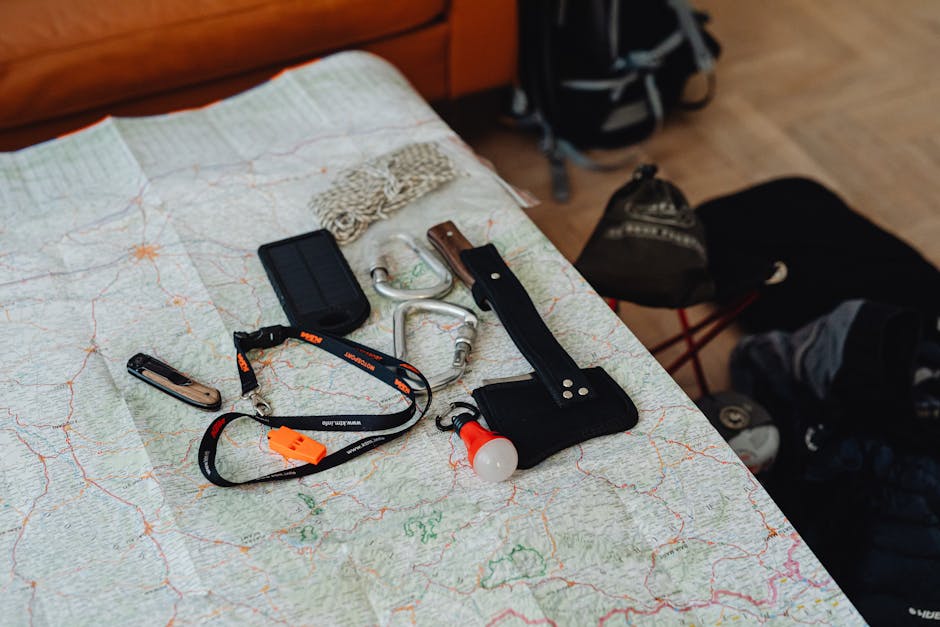
Essential items include a first-aid kit, headlamp with extra batteries, water purification system, and a multi-tool. Don’t forget navigation tools: a physical map and compass are critical when GPS fails. In desert environments, sun protection—wide-brim hat, UV-blocking clothing, and high-SPF sunscreen—can prevent heatstroke.
Test all gear before departure. A tent that leaks or boots that blister mid-hike can ruin your trip—or worse.
On-the-Ground Safety: Staying Alert While Exploring
Once you’re in the field, vigilance is key. Conditions change fast. A calm river can swell within minutes after upstream rain. Clear skies can turn stormy at high elevations.
Always inform someone reliable of your itinerary—route, expected return time, and emergency contacts. Use a GPS tracker or satellite messenger like Garmin inReach if venturing into areas with no cell service.
Weather Awareness Saves Lives
Check forecasts daily, even hourly when possible. In mountainous regions, afternoon thunderstorms are common. Descend early if clouds gather.
Learn to read natural signs. Darkening skies, sudden wind shifts, or animal behavior changes can signal incoming storms. In deserts, avoid midday travel to prevent dehydration and heat exhaustion.
Wildlife Encounters: Respect, Don’t Fear
Most wildlife avoids humans—but surprises happen. In bear country, carry bear spray and know how to use it. Make noise while hiking to avoid startling animals.
In tropical regions, watch for snakes, spiders, and insects. Wear long sleeves and pants, and shake out boots before putting them on. If bitten or stung, note the creature’s appearance and seek medical help immediately.
Hydration and Nutrition: Fuel for Survival
Dehydration impairs judgment and physical performance. Drink water regularly, even if you don’t feel thirsty. In high altitudes or hot climates, fluid loss accelerates.
Carry high-calorie, non-perishable snacks like nuts, energy bars, and dried fruit. Avoid alcohol and excessive caffeine, which can dehydrate you further.
Emergency Preparedness: What to Do When Things Go Wrong
No matter how prepared you are, emergencies can happen. Knowing how to respond can mean the difference between life and death.
Recognize the Signs of Serious Conditions
Altitude sickness symptoms include headache, nausea, dizziness, and shortness of breath. Descend immediately if symptoms worsen. Severe cases can lead to pulmonary or cerebral edema.
Hypothermia occurs when body temperature drops below 95°F (35°C). Shivering, confusion, and slurred speech are early signs. Get the person out of the cold, remove wet clothing, and warm them gradually.

Heatstroke is equally dangerous. Symptoms include high body temperature, confusion, and loss of consciousness. Move the person to shade, cool them with water, and seek emergency help.
Communication Is Critical
Carry multiple ways to call for help. A whistle, signal mirror, or personal locator beacon (PLB) can alert rescuers when phones don’t work.
If lost, stay put. Moving increases the chance of injury and makes rescue harder. Use bright clothing or gear to increase visibility.
Know Basic First Aid
Take a wilderness first aid course before major trips. Learn how to treat cuts, sprains, fractures, and shock. Carry a compact first-aid manual in your pack.
For remote travel, consider carrying a tourniquet and hemostatic gauze for severe bleeding. These can be lifesavers in trauma situations.
Cultural and Environmental Responsibility
Adventure travel isn’t just about personal safety—it’s about respecting the places and people you visit. Leave no trace principles protect ecosystems and ensure future explorers can enjoy the same landscapes.
Pack out all trash, including food scraps and toilet paper. Use established campsites to minimize soil erosion. Avoid disturbing wildlife or removing natural objects like rocks or plants.
Learn basic phrases in the local language. A simple “thank you” or “hello” builds goodwill. Dress modestly in conservative regions and follow local customs.
Support local economies by hiring local guides, buying from community cooperatives, and staying in locally owned lodges. This ensures your adventure benefits the region, not just corporations.
Special Considerations for Different Adventure Types
Each adventure activity has unique risks. Tailor your safety approach accordingly.
Mountain Climbing and High-Altitude Trekking
Acclimatize gradually. Ascend no more than 1,000 feet (300 meters) per day above 8,000 feet (2,400 meters). Rest days are essential.
Use crampons and ice axes on glaciers. Rope up when crossing crevasses. Avalanche risk requires training in beacon use and snowpack assessment.
Water-Based Adventures: Kayaking, Rafting, Diving
Always wear a life jacket, even if you’re a strong swimmer. Rivers can have hidden currents and strainers (submerged obstacles).
For scuba diving, never exceed your certification limits. Check equipment thoroughly before each dive. Avoid flying within 18–24 hours after diving to prevent decompression sickness.
Desert and Jungle Expeditions
In deserts, travel during cooler hours. Carry extra water—at least one gallon (4 liters) per person per day. Watch for signs of heat illness.
In jungles, protect against insect-borne diseases like malaria and dengue. Use DEET-based repellent and sleep under mosquito nets. Be cautious of contaminated water sources.
Insurance and Documentation: Don’t Skip the Paperwork
Standard travel insurance often excludes adventure activities. Purchase a policy that covers high-risk pursuits like mountaineering, diving, or backcountry skiing.
Verify coverage for medical evacuation, which can cost tens of thousands of dollars in remote areas. Keep digital and physical copies of your policy, passport, and emergency contacts.
Register with your embassy if traveling to high-risk regions. They can assist in emergencies or evacuations.
Final Thoughts: Adventure with Confidence
Adventure travel rewards courage, curiosity, and preparation. The thrill of discovery is real—but so are the risks. By prioritizing safety at every stage, you protect not only yourself but also your travel companions and the environments you explore.
Stay informed, stay equipped, and stay humble. Nature doesn’t negotiate. Respect its power, and it will reward you with unforgettable experiences.
FAQ
What should I do if I get lost during a hike?
Stop moving immediately. Use a whistle or mirror to signal for help. Stay visible and conserve energy. If you have a GPS device or phone with signal, share your location with emergency services.
Is it safe to travel alone on adventure trips?
Solo travel increases risk, especially in remote areas. If you go alone, inform others of your plans, carry emergency communication tools, and choose well-marked, popular routes. Consider joining a group for high-risk activities.
How can I prepare for altitude sickness?
Ascend slowly, allowing time for acclimatization. Stay hydrated, avoid alcohol, and recognize early symptoms like headache and nausea. Descend immediately if symptoms worsen. Medications like acetazolamide can help prevent it—consult a doctor before use.